


 Damage
  Loss
Loss  Theft
Theft 


What Is the Difference Between a Vertical Shaft and a Horizontal Shaft Engine?
Lawn mowers, generators, and pressure washers all depend on small engines to do their jobs. But not all engines are made the same — and the most important distinction is how the crankshaft is positioned inside the machine.
The core difference between a vertical shaft engine and a horizontal shaft engine comes down to crankshaft orientation. Vertical shaft engines position the crankshaft upright, while horizontal shaft engines keep it parallel to the ground. That single design choice determines how power reaches the equipment and which tasks each engine excels at. This guide breaks down both engine types so you can confidently choose the right power plant for your lawn, farm, or worksite.
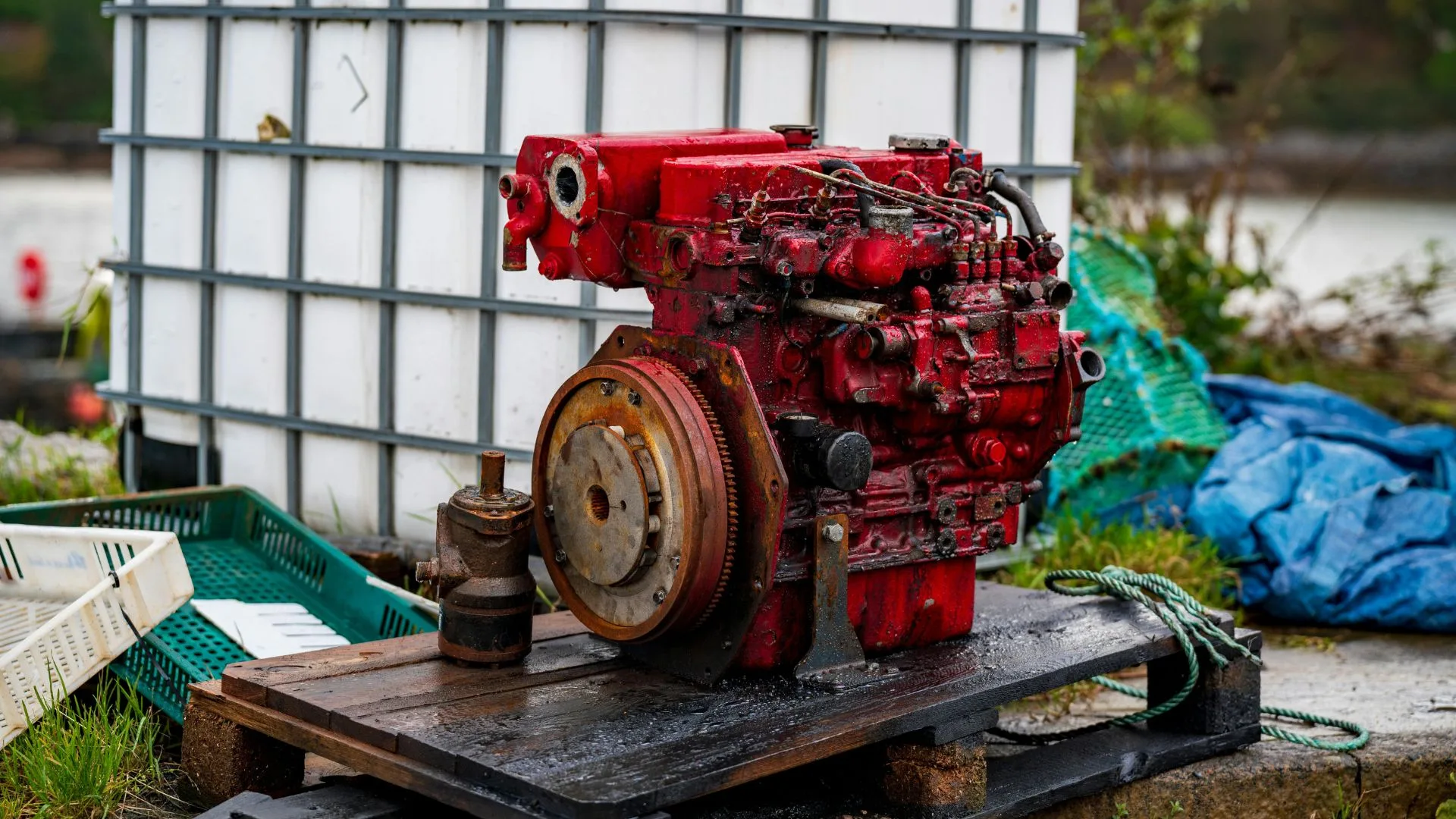
The defining distinction is where the crankshaft sits and how it transfers power to the equipment. That orientation shapes everything from the engine's physical design to the applications it serves best.
Vertical Shaft Engine
The crankshaft stands upright. Power flows directly downward to blades, pumps, or wheels beneath the unit — creating a clean, direct power path with fewer moving parts between the engine and the work surface.
Horizontal Shaft Engine
The crankshaft lies parallel to the ground. Power exits from the side through belts, chains, or gearboxes, allowing pistons to move along a level plane — which changes how vibration and torque travel through the system.
Vertical shaft engines push power straight down through the crankshaft. The motion travels directly to blades, pumps, or wheels beneath the engine, cutting the distance between power source and working component for rapid response and smooth, efficient delivery.
Maintenance access differs between the two types as well. Horizontal engines let technicians reach the crankshaft and pistons from the side. Vertical engines require service from above or below the unit, which can be a factor on crowded worksites.
A vertical shaft engine mounts its crankshaft in an upright position — the shaft points downward toward the ground and connects directly to the equipment below. This design uses less horizontal space but taller overall height.
A horizontal shaft engine positions the crankshaft parallel to the ground. The shaft extends from the side of the engine block, creating a wider footprint but a reduced overall height. Bearing systems differ between the two types: vertical engines need bearings that handle the weight of rotating parts and support downward force, while horizontal engines use bearings suited for side-to-side movement and radial loads.
Vertical shaft engines power most push lawn mowers — zero-turn models and ride-on types included. The downward-facing shaft connects straight to mower blades or drive wheels. Landscaping equipment also favors vertical engines for their compact, space-efficient footprint.
Generators and pressure washers often rely on vertical shaft engines for high-speed tasks. These machines benefit from direct power transfer and a smaller physical footprint. Some agricultural equipment uses vertical shaft engines where mounting space is limited.
Horizontal Engine Applications
Horizontal shaft engines appear in older lawn tractors, specific riding mower designs, and a wide range of construction and industrial equipment. Manufacturers choose them to reduce a mower's overall footprint. Go-karts, log splitters, and portable generators also use horizontal engines with great results.
- Pressure washers and portable water pumps
- Tillers and compact farm machinery
- Log splitters and portable generators
- Go-karts and recreational vehicles
- Air compressors and certain farm machinery
- Riding mower tractors with belt-driven decks
Industrial pumps and compressors work with both engine types. The choice depends on how the equipment mounts and where it operates. Farm machinery may use either orientation based on specific job requirements and available mounting space.
The shaft orientation affects how well an engine performs, how often it needs service, and how well it matches specific jobs. These factors help determine the right engine choice for different equipment types and working conditions.
Vertical shaft engines transfer power directly downward through the shaft to the equipment below. This design reduces power loss and makes these engines well-suited for high-speed tasks. Direct power transfer allows lawn mowers and other ground equipment to operate at higher rotational speeds with better efficiency.
Horizontal shaft engines move power horizontally from the shaft to connected equipment. This arrangement works well for applications that need steady, continuous operation rather than high-speed performance. Pressure washers, generators, and water pumps benefit from this power delivery method.
Vertical: Piston Movement
Pistons travel up and down in a vertical path. This motion affects how smoothly each engine run cycles and how much vibration it produces. Because of this, vertical engines tend toward smoother operation during extended use.
Horizontal: Piston Movement
Pistons travel along a level, horizontal line. This creates more stable operation during extended use and tends to generate more consistent torque over long run times — ideal for sustained output tasks.
Horizontal shaft engines provide easier access to internal components. Mechanics can replace the crankshaft, pistons, and other parts more quickly because all components sit in a horizontal plane. This orientation makes routine service tasks simpler and faster to complete.
Vertical engines require a different maintenance approach. The vertical arrangement can make some parts harder to reach. However, these engines often need less frequent service for many applications because they operate at higher speeds for shorter periods.
Vertical shaft engines power lawn mowers, ride-on mowers, and landscaping equipment with precision. The downward power transfer matches perfectly with equipment that needs vertical shaft input. These engines are built for tasks that require quick acceleration and high rotational speed.
Horizontal shaft engines drive equipment such as pressure washers, portable generators, water pumps, and tillers. The horizontal power output connects directly to pumps, alternators, and other components that operate best with side-mounted engines. These applications need consistent power over long periods rather than high-speed bursts.
Farm equipment uses both types depending on the specific task. Horizontal engines power irrigation pumps and stationary generators. Vertical engines drive mowers and some types of harvesting equipment.
Both engine types last many years with proper care. However, shaft orientation affects how internal parts wear over time. Horizontal engines distribute weight and stress more evenly across bearings and seals, which can reduce wear on certain components over time.
Vertical engines place different stress loads on bearings due to the downward force of the crankshaft. Manufacturers design these engines to handle those forces, but they wear differently from horizontal models. The choice between them should account for expected usage hours and load conditions.
Environmental factors also play a role. Horizontal engines handle dusty or dirty conditions better in some cases because air filters and cooling systems face sideways rather than upward. Vertical engines may collect more debris from above but can provide better protection from ground-level contaminants.
The main difference between vertical and horizontal shaft engines lies in how the crankshaft sits and delivers power. Vertical shaft engines work best for lawn mowers and similar equipment because the blade can attach directly and efficiently to the downward-facing shaft. Horizontal shaft engines suit water pumps, generators, and other equipment that needs side-mounted power transfer.
The right choice depends on the specific application and available space requirements. Both engine types deliver reliable power — but they serve different purposes in different machines. If your next project calls for a high-performance horizontal shaft engine, the DuroMax XP35HPE is built to deliver.
DuroMax XP35HPE