


 Damage
  Loss
Loss  Theft
Theft 


The Complete Ice Maker Buying Guide
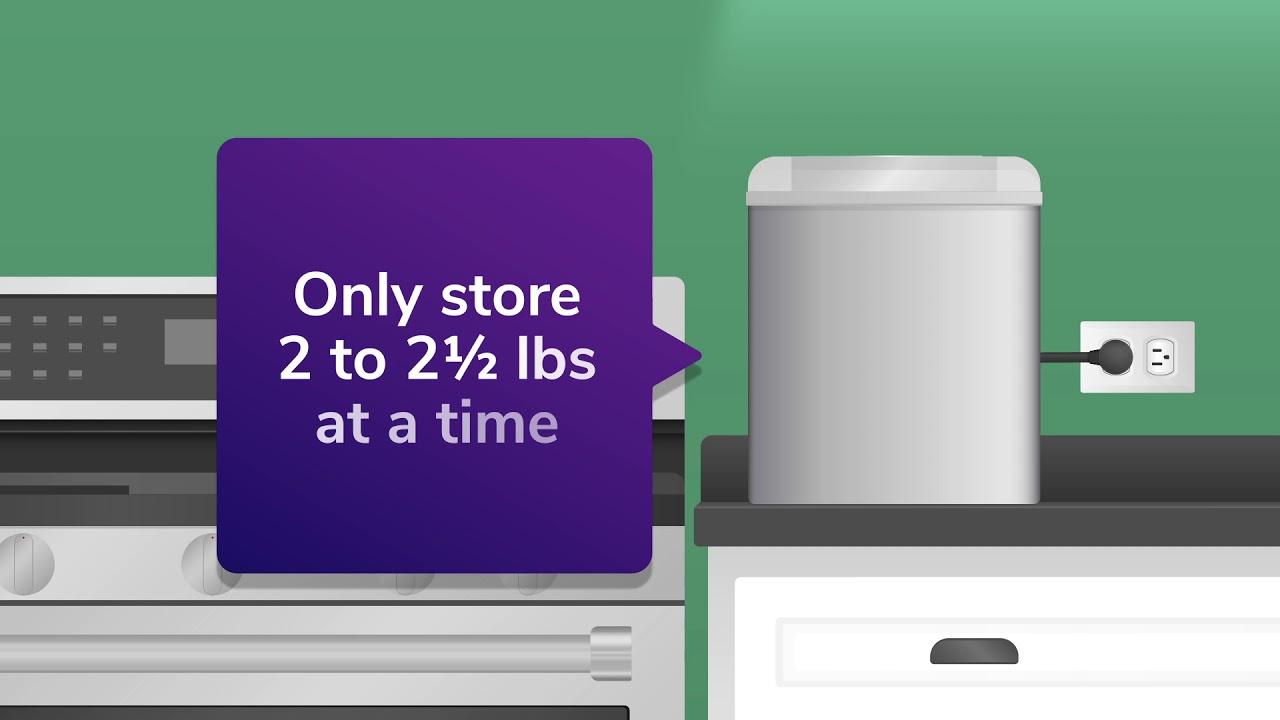
Your refrigerator's built-in ice dispenser was never designed to keep up with a crowd. A standalone ice maker gives you a continuous, independent supply — purpose-built for volume, speed, and convenience. Whether you're hosting summer cookouts, running a home office bar setup, or just tired of running out of ice mid-party, a dedicated unit pays for itself in pure peace of mind.
Beyond volume, dedicated units produce ice of a consistent size and shape — something a freezer bin simply can't guarantee. Many models also store and dispense automatically, so you spend less time managing and more time enjoying.
Before selecting a model, take a moment to assess your needs across a few key dimensions. How much ice do you realistically need per day? Where will the unit live — indoors, in a garage, or in a full outdoor kitchen? Do you want a countertop unit or something built into cabinetry? Each of these questions shapes which ice maker is the right fit.
Also consider your water supply and drainage situation. Most commercial-grade and built-in units require a direct water line and a drain connection, while portable countertop models can work with a simple reservoir you refill manually. Knowing your space and infrastructure upfront saves you from costly surprises at installation.
Not all ice is created equal — and neither are the machines that make it. Different ice shapes serve different purposes, from chilling drinks quickly to preserving food or creating the perfect cocktail experience.
Crescent / Half Cube
The classic household ice shape. Slow to melt, great for cocktails and everyday drinks. Available in most residential ice makers.
Full Cube
Dense, long-lasting, ideal for high-volume operations. Commonly used in bars, restaurants, and upscale entertainment spaces.
Nugget / Cubelet
Soft, chewable, and highly popular. Nugget ice absorbs beverages quickly, making it perfect for soft drinks, smoothies, and dispensers.
Flake Ice
Finely crushed and ideal for food display, healthcare use, or blended drinks. Conforms easily to any shape and cools rapidly.
Gourmet / Clear Ice
Slow-formed, crystal-clear, and premium. Melts very slowly and makes a statement in upscale cocktail presentations.
Specialty Shapes
Sphere, pebble, and other boutique shapes available in select luxury models — for those who treat ice as part of the experience.

Freestanding / Portable
No installation required. Simply fill the reservoir with water, plug in, and enjoy ice within minutes. Ideal for renters, small spaces, or those just getting started.
Built-In / Undercounter
Designed to integrate flush into cabinetry with front-facing ventilation. These require a water line and drain connection — perfect for outdoor kitchens and home bars.
Commercial Ice Machines
High-output machines with large modular heads and storage bins. Built for consistent, heavy daily production — ideal for serious entertainers and event spaces.
Ice & Water Dispensers
Self-serve units that dispense both chilled water and ice on demand. A hands-free, hygienic, and efficient solution for high-traffic environments.
Ice makers are rated in pounds of ice produced per 24 hours. A good rule of thumb: plan for roughly 1–1.5 lbs of ice per person per day for general use. If you're running a bar setup or frequently entertaining large groups, multiply that figure significantly.
Storage capacity is equally important. A machine that produces 100 lbs/day but only holds 25 lbs in its bin will require you to harvest ice frequently. Look for units where production and storage capacity are reasonably balanced for your usage pattern.
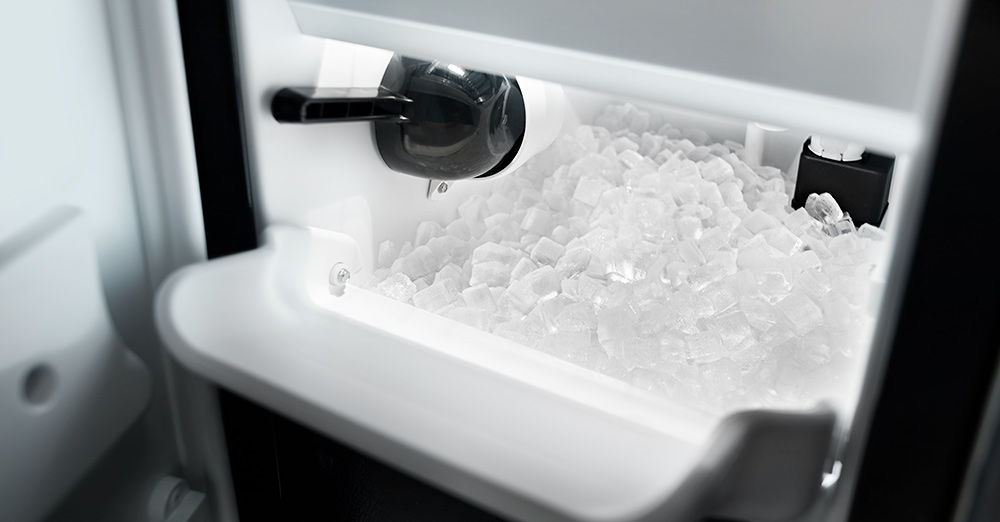
Most countertop units include a manual drain or reservoir system — no plumbing required. Built-in and commercial units, however, typically need both a direct water supply line and a gravity or pump-assisted drain to operate continuously.
Check whether your installation location has the necessary plumbing access before committing to a built-in model. If drain access is limited, look for units with a drain pump option or plan to have plumbing work done during installation.
Water quality also matters — hard water or high mineral content can shorten the life of your ice maker. Consider a water filtration line or a model with a built-in filter to protect your investment.

Ice quality is only as good as the water used to make it. Models equipped with built-in filtration systems remove chlorine, sediment, and dissolved minerals — resulting in clearer, better-tasting ice and less scale buildup in the machine itself. If your model doesn't include one, aftermarket inline filters are an affordable add-on that can meaningfully extend the lifespan of your unit.

Ice makers run continuously, so energy efficiency plays a meaningful role in your long-term operating cost. Look for units with Energy Star certification, which signals that the machine meets EPA guidelines for efficient water and electricity use.
Air-cooled units are generally more energy-efficient than water-cooled models for standard settings. Water-cooled units produce less ambient heat — useful in enclosed or temperature-controlled spaces — but they consume more water per pound of ice produced.
For built-in models, door finish and handle style matter. Stainless steel remains the most popular choice for outdoor kitchens and home bars, offering both durability and a clean, professional look. Some models offer panel-ready designs that can accept custom cabinet fronts for a fully integrated look.
Storage bin material is another consideration — stainless steel bins resist odors and staining better than plastic, and they maintain temperature more reliably. Look for insulated bins if you plan to let ice sit for extended periods between uses.
Location & Ventilation
Is your installation space indoors or outdoors? Covered or exposed? This determines whether you need air-cooled or water-cooled, and whether outdoor-rated models are required.
Plumbing Access
Do you have access to a water line and a drain in your intended installation spot? If not, a portable unit is your most practical starting point.
Usage Volume
Are you chilling drinks for two or producing ice for 50 guests every weekend? Match production capacity to your realistic peak demand — not just average.
Ice Preference
Do you want nugget, cube, flake, or gourmet clear ice? Ice type is a major factor in machine selection and should reflect how you'll actually be using it.
Budget & TCO
Factor in the purchase price plus installation, operating cost, and maintenance. A slightly more expensive unit with better efficiency often pays for itself within a few seasons.
Maintenance Requirements
All ice makers need periodic cleaning and sanitizing. Check manufacturer guidelines and factor in filter replacements, descaling cycles, and warranty support.
How long does it take to make ice?
Most residential and commercial ice makers begin producing their first batch within 6–15 minutes of starting up. Production speed varies by model, ambient temperature, and water temperature — warmer conditions slow things down.
Do I need a drain for my ice maker?
Built-in and commercial units almost always require a drain connection. Portable countertop models typically feature a manual drain valve or a self-contained reservoir that you empty periodically. Always confirm drainage requirements before purchasing.
How often should I clean my ice maker?
Most manufacturers recommend a thorough cleaning and sanitizing cycle every 3–6 months, depending on water quality and usage volume. Hard water areas may require more frequent descaling. Regular cleaning ensures great-tasting ice and extends machine life.
Can I install an ice maker outdoors?
Yes — but only with units specifically rated for outdoor installation. Outdoor-rated models feature weatherproof cabinetry, corrosion-resistant components, and wider operating temperature ranges. Never install an indoor-only model in an exposed or semi-exposed outdoor location.
Why is my ice maker producing small or hollow ice?
Undersized or hollow ice cubes typically indicate a water supply issue — often low pressure, a clogged filter, or scale buildup on the evaporator plate. A routine cleaning and filter replacement usually resolves the problem quickly.