


 Damage
  Loss
Loss  Theft
Theft 


10 Steps to Winterizing Your Above Ground Pool
Protect your investment this season. Follow these steps to close your pool correctly and open it to crystal-clear water next spring.
Winter weather can be brutal on your pool. Without the proper equipment and preparation, you risk serious contamination damage to sensitive components — and a pool that simply won't last for years to come. Fortunately, winterizing your above ground pool is something any homeowner can tackle confidently. Here's your complete ten-step guide.
Collect Your Pool Closing Equipment
Before you winterize your pool, make sure you have all the necessary supplies on hand. Running out mid-process is frustrating — get everything ready before you start.
Clean Your Pool Thoroughly Before Closing
You can't winterize a dirty pool. Before you seal anything in, brush the walls and skim the surface thoroughly. Cleaning your pool right before you close it for the winter will save you from some genuinely unpleasant surprises when you reopen next spring. A clean pool makes it much easier to properly balance your water chemistry and ensures nothing is left to feed on the water during the off-season.
Test and Adjust Your Water Chemistry
Understanding your water chemistry is essential if you want to keep your pool in good condition. It also helps you find the most accurate results before closing.
Testing your pool water yourself is easy using test strips or a water testing kit. Your pool kit and our water conditioners will do the rest for the most accurate results.
Your Chemical Goals Are:
| Chemical Level | Target Range |
|---|---|
| pH | 7.2 – 7.6 |
| Total Alkalinity | 80 – 120 ppm |
| Calcium Hardness | between 175 ppm to 225 ppm |
| Chlorine (stabilised) | 1 ppm to 3 ppm |
Add Winterizing Chemicals
If you're not comfortable balancing your pool chemicals yourself, a winterizing chemical kit for your above ground pool is an excellent option.
Adjust the Alkalinity First
There are a number of ways to adjust your alkalinity. The easiest way is by adding a base such as an alkalinity increaser or sodium bicarbonate to your pool water. Lower the alkalinity and then maintain your goal of between 80–120 ppm before closing.
Pool Place Alkalinity — Make Sure the pH Is Perfect
Pool water should be between pH 7.2 and 7.6 to avoid leaving deposits on your pool's surfaces and equipment. And to avoid skin and eye irritation. As well as to add pH increaser to bring it into proper range.
Your goal is a pH in the range of 7.2 to 7.6. And as with alkalinity, a higher level is harder to work with once you start swimming.
When pool water becomes too soft (i.e. calcium hardness drops below 150 ppm), a chemical treatment is needed. If you add it immediately and do not mount it on the pool wall, the water will begin to pull minerals from the pool wall. It is therefore imperative not to let your pool's calcium hardness drop too far below optimal.
Maintain Pool Shock & Add Winter Algaecide
Adding a quality winter algaecide is completely optional, but it will help keep algae from taking hold in your pool during the winter months. Apply it after shocking the pool, not before. Wait at least 24 hours after shocking to add algaecide, as shock will destroy the algaecide if added simultaneously.
Disconnect and Store Pool Lines
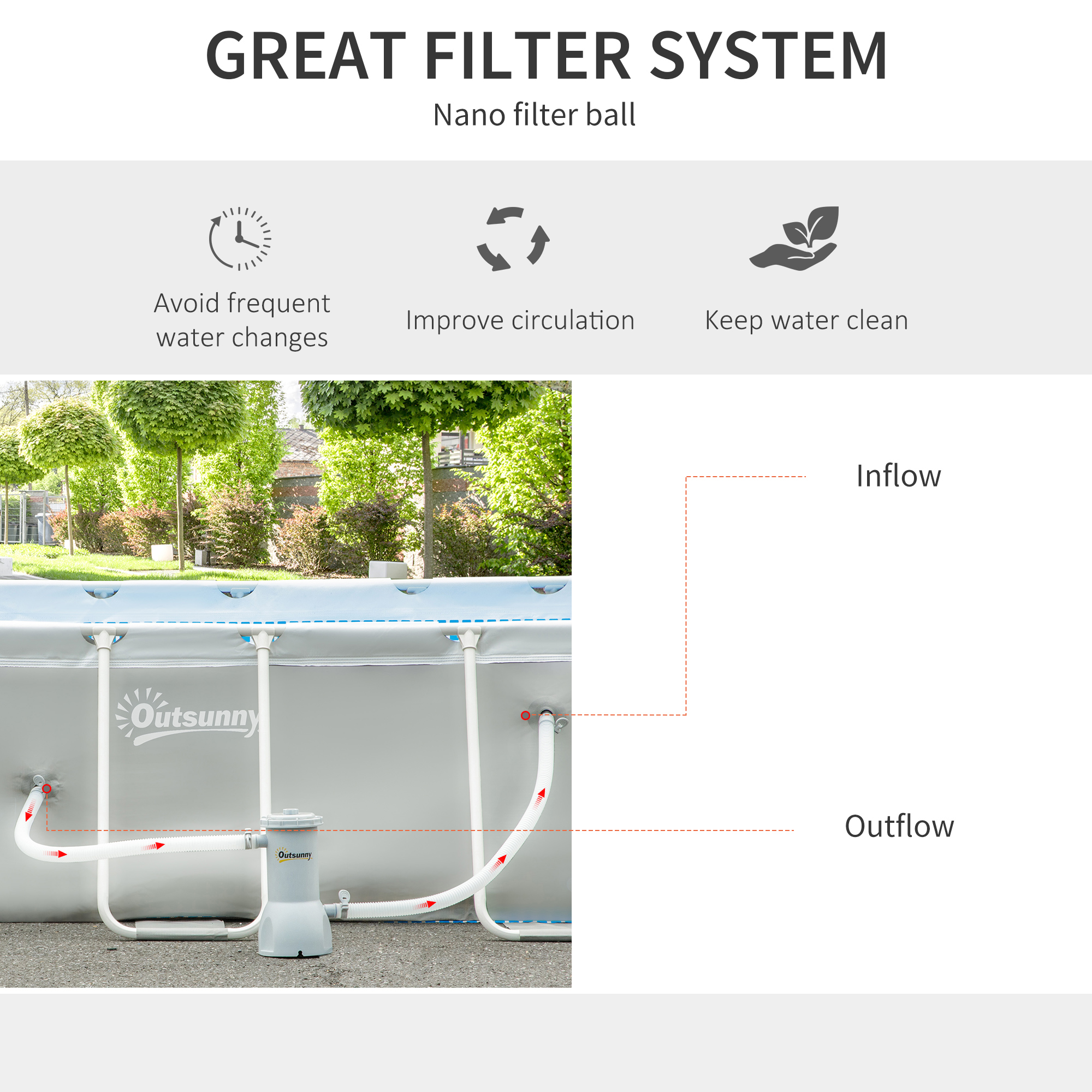
Disconnect the hoses to and from the pump and filter, and allow the water to drain out. Make sure they dry completely before storing them for the winter to prevent mould and mildew build-up inside.
Protect Your Skimmer & Prep Your Filter and Pump
Remove the skimmer basket and store it somewhere safe and dry for the off-season. Clean the bottom of the skimmer to remove accumulated debris and do not plug it at this point — you will want to access the skimmer during the winter to remove debris and check on it if there is any risk of debris or leaves falling in.
Pump:
- Perform a backwash until the water runs completely clear from the return
- Move the valve to the 'winterize' setting and let it run for 30 seconds
- Completely drain all water from the filter tank
- Disconnect and set the hoses from the pump assembly
- Remove the drain plugs from the pump and let them drain fully
- Store the pump in a dry, sheltered place until the pool is ready to be reopened
Sand Filter:
- Set your multiport valve to 'winterize'
- Remove the drain plug at the bottom to allow full drainage
- Bring your filter indoors to prevent the sand media from freezing completely
Lower the Pool Water Level (If Necessary)
Drain the water below the skimmer and return inlets. It's important to not lower the water level too far — never go below an absolute minimum. Leaving a reasonable water level in place helps the pool structure maintain its shape through the winter months and protects the liner from damage caused by freezing temperatures and ice expansion.
Install Air Pillows & Fit Your Winter Cover
If you use a standard air pillow, placing a pool air pillow under the cover in the centre of the pool prevents ice from forming as a solid sheet across the entire water surface. This is a key step — even if you don't live in a region where your pool freezes completely, an air pillow protects your cover from becoming waterlogged, promotes drainage, and extends the cover's lifespan significantly.
Once the pillow is in place, drape your winter cover over the pool and secure it firmly with the cover winch, cable, and cover clips. Make sure there are no loose edges that wind can get under. A properly secured cover is your pool's primary protection against everything winter throws at it.
Your Pool Is Winter-Ready — Well Done.
Following these ten steps every season will protect your above ground pool from contamination, freezing damage, and liner deterioration. Come spring, you'll be rewarded with a clean, balanced pool that's ready to open with minimal effort. If you need any guidance on winterizing products or pool equipment, our team at Backyard Provider is here to help — reach out any time.