


 Damage
  Loss
Loss  Theft
Theft 


13 Essential Lifting Tools for Superior Material Management
Discover the most effective equipment solutions for handling heavy materials with precision and safety
Material handling in demanding work environments requires specialized equipment that combines strength, precision, and safety. Whether you're working with heavy stone slabs, large construction materials, or delicate surfaces, having the right lifting tools makes all the difference in project efficiency and worker safety.
The challenges of moving heavy materials aren't just about raw lifting power—they're about control, protection, and smart engineering. From preventing surface damage to ensuring worker safety, modern lifting equipment has evolved to address every aspect of material handling. Through years of innovation, specialized tools have been developed to tackle specific challenges while maintaining the highest standards of safety and efficiency.
This comprehensive guide explores thirteen categories of lifting equipment that have revolutionized how professionals handle materials in construction, landscaping, and outdoor projects. Each tool serves a unique purpose, and understanding their applications will help you choose the right equipment for your specific needs.
Advanced Lifting Equipment for Heavy Material Management
1. The Versatile Clamp Lifter
When it comes to handling materials that need secure grip without surface penetration, clamp lifters stand out as the go-to solution. These ingenious devices use hydraulic or mechanical pressure to grip materials from the sides, making them perfect for materials where drilling or surface damage is unacceptable.
The beauty of clamp lifters lies in their versatility—they can handle everything from thick slabs to delicate panels. Modern clamp systems feature adjustable grip pressure, ensuring they can accommodate various material thicknesses and weights without causing damage. Whether you're working with concrete, stone, or composite materials, a quality clamp lifter provides the secure hold you need while preserving the integrity of your materials.
For outdoor projects and backyard installations, clamp lifters offer unmatched reliability. They're especially valuable when positioning heavy decorative elements or construction materials where precision placement is critical.
2. Precision Stone Positioning Setter
Stone setters have transformed the way professionals handle and position heavy stone materials. These specialized tools allow for precise manipulation of large stone pieces, giving operators complete control during the critical placement phase. The difference between a good installation and a perfect one often comes down to having the right positioning equipment.
What makes stone setters invaluable is their ability to make micro-adjustments while supporting substantial weight. This precision is essential when creating level surfaces, aligning decorative elements, or ensuring proper fit during installation. The ergonomic design reduces operator fatigue while maintaining complete control throughout the positioning process.
3. Horizontal Slab Handler
Horizontal stone lifters represent a breakthrough in safe material handling for large, flat materials. These systems are specifically engineered for gripping smooth surfaces and moving them from horizontal storage positions to vertical working angles—or vice versa. The specialized grip mechanism ensures secure contact without requiring any penetration or clamping force that could damage delicate surfaces.
The engineering behind horizontal lifters focuses on weight distribution and balance. By supporting materials at optimal points, these lifters prevent stress fractures and maintain material integrity during movement. For outdoor construction projects involving paving stones, decorative slabs, or large panels, horizontal lifters provide peace of mind and efficiency.
4. Heavy-Duty Stone Transport Cart
When a crane isn't practical or available, stone carry clamps offer an excellent alternative for material transportation. These robust devices combine the grip security of traditional clamps with mobility features that allow for easier material movement across work sites. The result is a versatile tool that bridges the gap between pure lifting and practical transportation needs.
Modern carry clamps feature ergonomic handles and balanced weight distribution, reducing the physical strain on operators while maintaining complete control over heavy materials. They're particularly valuable for projects where materials need to be moved frequently or positioned in areas where larger equipment can't access.
5. Industrial Vacuum Lifting System
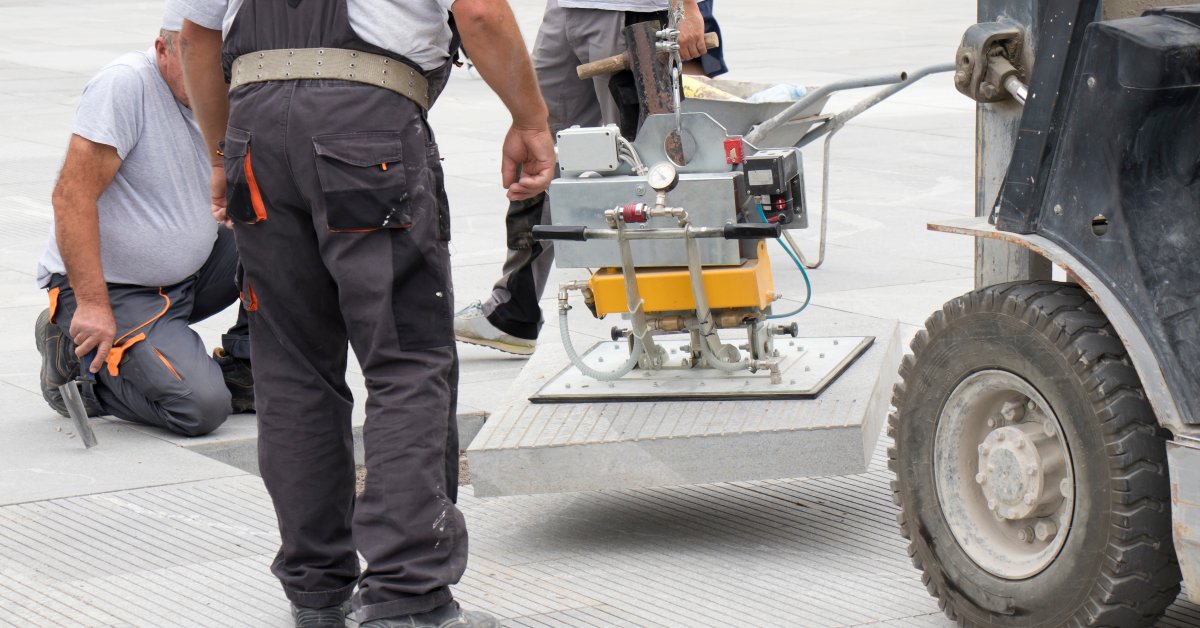
Vacuum lifters have revolutionized how professionals handle large, smooth-surfaced materials. By using powerful suction technology, these systems can securely grip materials without any mechanical clamps, straps, or penetrating fasteners. This makes them ideal for handling materials where surface perfection is paramount—think polished stone, glass panels, or finished surfaces.
The technology behind vacuum lifters is impressive: industrial-grade suction cups create a secure bond with the material surface, capable of supporting remarkable weights safely. Built-in safety features monitor suction pressure continuously, providing alerts if grip strength drops below safe levels. For backyard projects involving large pavers, decorative panels, or specialty surfaces, vacuum lifters offer unmatched surface protection combined with powerful lifting capability.
Why Vacuum Technology Matters
Traditional lifting methods often leave marks, scratches, or pressure points on material surfaces. Vacuum systems distribute force evenly across the entire contact area, eliminating these issues while providing secure grip that can handle materials in any orientation.
6. Multi-Purpose Stealth Seamer
Stealth seamers are precision tools designed for the delicate work of joining, leveling, and aligning materials during installation. These specialized instruments excel in situations where perfect alignment is non-negotiable—whether you're working with countertops, stone slabs, or decorative panels that must fit together seamlessly.
The "stealth" aspect comes from their ability to work effectively while leaving minimal visible evidence of their use. They provide the mechanical advantage needed to close gaps, align edges, and create perfectly level surfaces without the bulk or marks associated with traditional alignment tools.
7. Professional Carry Vise
Carry vises bring workshop-quality grip to portable material handling. These tools combine the secure clamping power of a bench vise with the portability needed for field work. When you need to transport materials vertically or hold them securely during transport, carry vises provide unmatched security.
What sets quality carry vises apart is their grip consistency and material protection features. Padded jaws prevent surface damage while maintaining the pressure needed to hold materials weighing hundreds of pounds. The ergonomic handle design allows for controlled movement even when handling awkward or heavy loads, making them essential for anyone working with valuable or delicate materials.
8. Heavy-Duty Slab Transfer System
Slab lifters represent the pinnacle of engineering for handling large, heavy flat materials. These sophisticated systems are designed to safely grip, lift, and maneuver materials that can weigh thousands of pounds. Whether you're installing outdoor paving, moving large decorative elements, or handling construction materials, slab lifters provide the capacity and control you need.
Modern slab lifters incorporate multiple safety features and grip mechanisms. Adjustable arms accommodate various material sizes, while automatic locking systems ensure the grip remains secure throughout the lifting operation. The distribution of grip points prevents stress concentration that could crack or damage materials, even when lifting at maximum capacity.
9. Crane-Compatible Hoist Lifter
Block and tackle lifters bring mechanical advantage to crane operations, allowing for controlled lifting and positioning of extremely heavy materials. These systems use pulley arrangements to multiply lifting force, making it possible to manage weights that would otherwise require much larger equipment or more personnel.
The versatility of block and tackle systems shines in outdoor project environments where space constraints or access limitations make traditional heavy equipment impractical. By connecting to existing crane infrastructure or temporary rigging points, these lifters provide powerful lifting capability without the footprint of dedicated heavy machinery. They're particularly valuable for projects requiring frequent repositioning of heavy materials or work in areas where large equipment cannot operate efficiently.
10. Material Transport Carts
Lifting carts transform material handling from a pure strength challenge into a problem of smart logistics. These wheeled platforms combine lifting mechanisms with mobility, allowing materials to be raised to working height and then transported across the job site with minimal physical effort. For projects involving multiple heavy pieces or materials that need to move between different work areas, lifting carts are invaluable.
Modern lifting carts feature hydraulic or mechanical lift systems that can raise materials to comfortable working heights, reducing back strain and improving work efficiency. The wheeled base allows smooth movement across various surfaces, while locking mechanisms keep everything stable during stationary work. Whether you're working on landscaping projects, outdoor construction, or material staging, lifting carts streamline the workflow dramatically.
11. Secure Suction Cup Assemblies
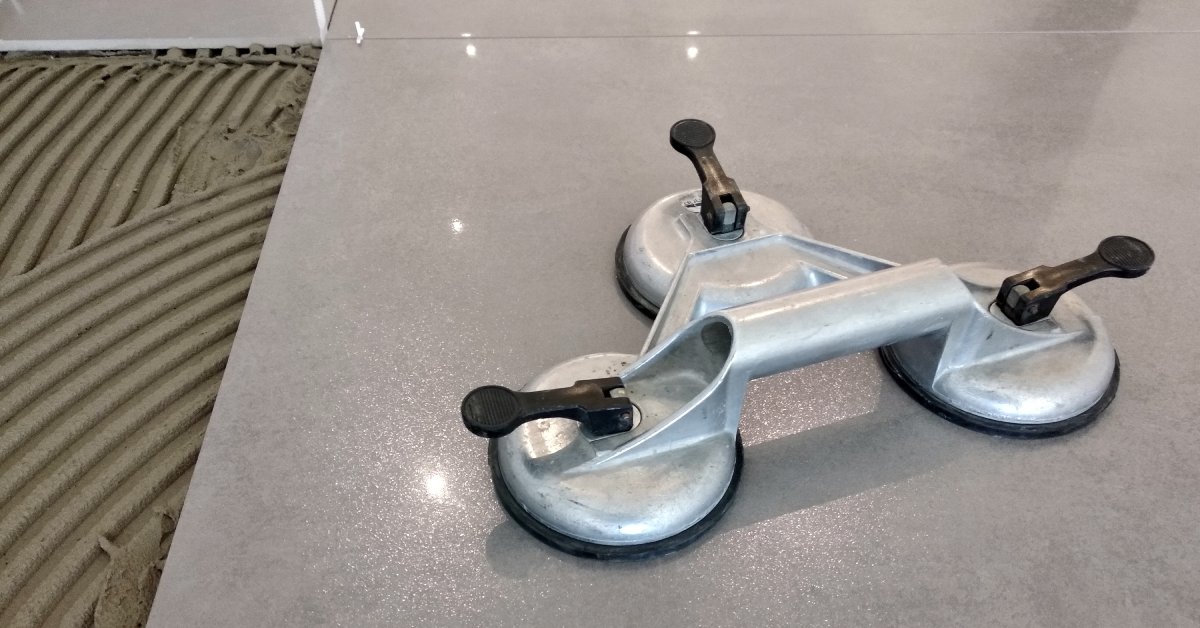
Suction cup systems offer a simple yet highly effective solution for handling smooth-surfaced materials. Unlike their industrial vacuum lifter cousins, traditional suction cups operate through manual vacuum creation, making them more portable and suitable for smaller-scale operations. They're perfect for handling materials like glass panels, polished stone pieces, or any smooth surface where mechanical grips might cause damage.
The key to effective suction cup use lies in understanding their limitations and proper application. They require clean, non-porous surfaces for optimal grip, and regular inspection ensures the rubber seals remain in good condition. For backyard projects involving decorative elements, mirrors, or specialty panels, a quality set of suction cups provides safe, damage-free handling at an accessible price point.
12. Precision Large Format Tile Tool
Large format tile handling tools address the unique challenges of working with oversized tiles and panels. These specialized tools prevent the flexing and stress that can crack large-format materials during movement. With features designed specifically for the proportions and weight distribution of large tiles, they make it possible to install impressive outdoor surfaces with confidence.
The engineering focuses on supporting the entire tile or panel during movement, preventing the bending forces that cause cracks in large-format materials. Adjustable supports accommodate various sizes, while ergonomic handles allow for controlled placement even in tight spaces. For outdoor patio installations, pool surrounds, or any project using large decorative tiles, these tools are essential.
13. Quick-Release Sink Hole Saver
Sink hole savers might seem specialized, but they solve a common problem in outdoor kitchen and bar installations: safely removing and handling sink cutouts from stone countertops. These tools use a vacuum or mechanical grip specifically designed for the circular or rectangular pieces cut from countertop materials, preventing damage to both the cutout and the surrounding material.
The challenge with sink cutouts is their awkward size and the need to extract them from a recessed position without damaging edges. Sink hole savers address this with specialized grips that secure the cutout piece and allow for controlled vertical extraction. This prevents the common problem of cutouts catching on edges or breaking during removal. For anyone installing outdoor countertops, bars, or kitchen surfaces, this tool prevents costly mistakes and material waste.
Common Questions About Lifting Equipment
Discover Professional-Grade Lifting Solutions
Successful material handling in demanding outdoor environments requires equipment engineered for the specific challenges you face. From the first lift to final positioning, having the right tools makes the difference between struggling with materials and achieving professional results efficiently and safely.
When you're ready to invest in equipment that will transform how you handle materials, look for tools designed by manufacturers who understand the real-world challenges of outdoor construction and installation work. Quality lifting equipment isn't just about capacity—it's about control, safety, and preserving the integrity of valuable materials throughout your project.