


 Damage
  Loss
Loss  Theft
Theft 


Best Materials for a Basketball Backboard
Choosing the right basketball backboard material comes down to understanding how and where you'll be playing. Professional and recreational setups have different performance demands, and budget plays an equally important role. Once you've assessed your situation, narrowing down the best backboard material becomes a much more straightforward task — and we're here to walk you through every option.
Types of Material to Consider for a Basketball Backboard
Before purchasing, it's worth considering the type of mounting setup you prefer — each material pairs differently with various structures and supports. The backboard you choose shapes the quality of every shot, rebound, and game played on your court. Here's a breakdown of your main options.
Tempered Glass
Glass backboards sit at the top of the market — used by the NBA, colleges, and schools worldwide. Tempered glass is five to ten times stronger than standard glass, delivering superior ball response and rebound accuracy. When it does break, it shatters into small, safe fragments. If you're serious about your game and the budget is there, tempered glass is the benchmark.
Steel
Steel is the most physically durable of all backboard materials, though it produces a louder impact sound on ball contact that many players find unpleasant. It's unsuitable for competitive play but a practical, cost-effective solution for public parks and casual street courts. If your setup sees heavy daily use by multiple people and no one's playing seriously, steel earns its place.
Fiberglass
Fiberglass offers an accessible price point that makes it an attractive option for recreational players. Its rebound performance is moderate — comparable to steel — and it's frequently found in schools and outdoor institutional settings. Keep in mind that long-term durability is not its strong suit, so it's best suited to lower-intensity environments where longevity isn't the primary concern.
Acrylic
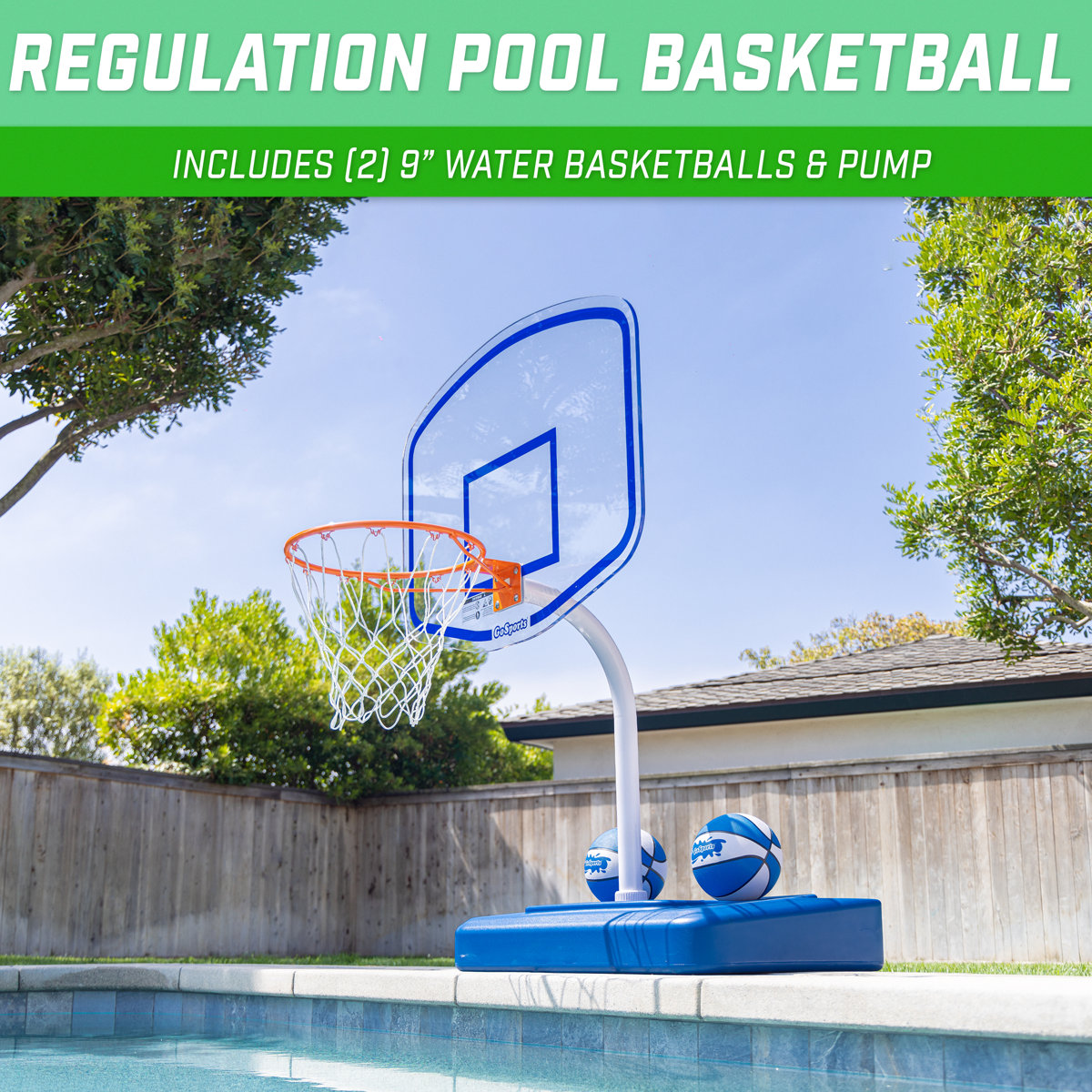
Acrylic is the sweet spot between performance and price. Plexiglass is one of the most recognized brands in this category. It offers mid-to-high rebound performance and handles graffiti and surface wear better than most alternatives. While it doesn't fully replicate the feel of tempered glass, it comes close — and it remains the second-best material available for basketball hoop systems. Ideal for serious players who need quality without the premium price tag.
Wood
Wooden backboards carry a timeless aesthetic that many players love, and they're lightweight and affordable. However, wood is entirely unsuitable for outdoor courts — prolonged exposure to rain and direct sunlight will degrade it quickly. They can also be hard to source ready-made, often requiring a custom build. With multiple alternatives in the same price range that outperform it on durability and consistency, wood is best reserved for indoor decorative or vintage court setups.
Why the Right Backboard Material Matters
Every backboard material discussed here carries a different cost-to-performance ratio. Understanding which materials deliver the most value for both professional and casual play is what separates a court that feels right from one that constantly lets you down. Ball response, safety, weather resistance, and long-term durability all shift significantly depending on the material. These variables — combined with budget and court location — are ultimately what makes or breaks the experience of every game played.
Ready to Upgrade Your Court?
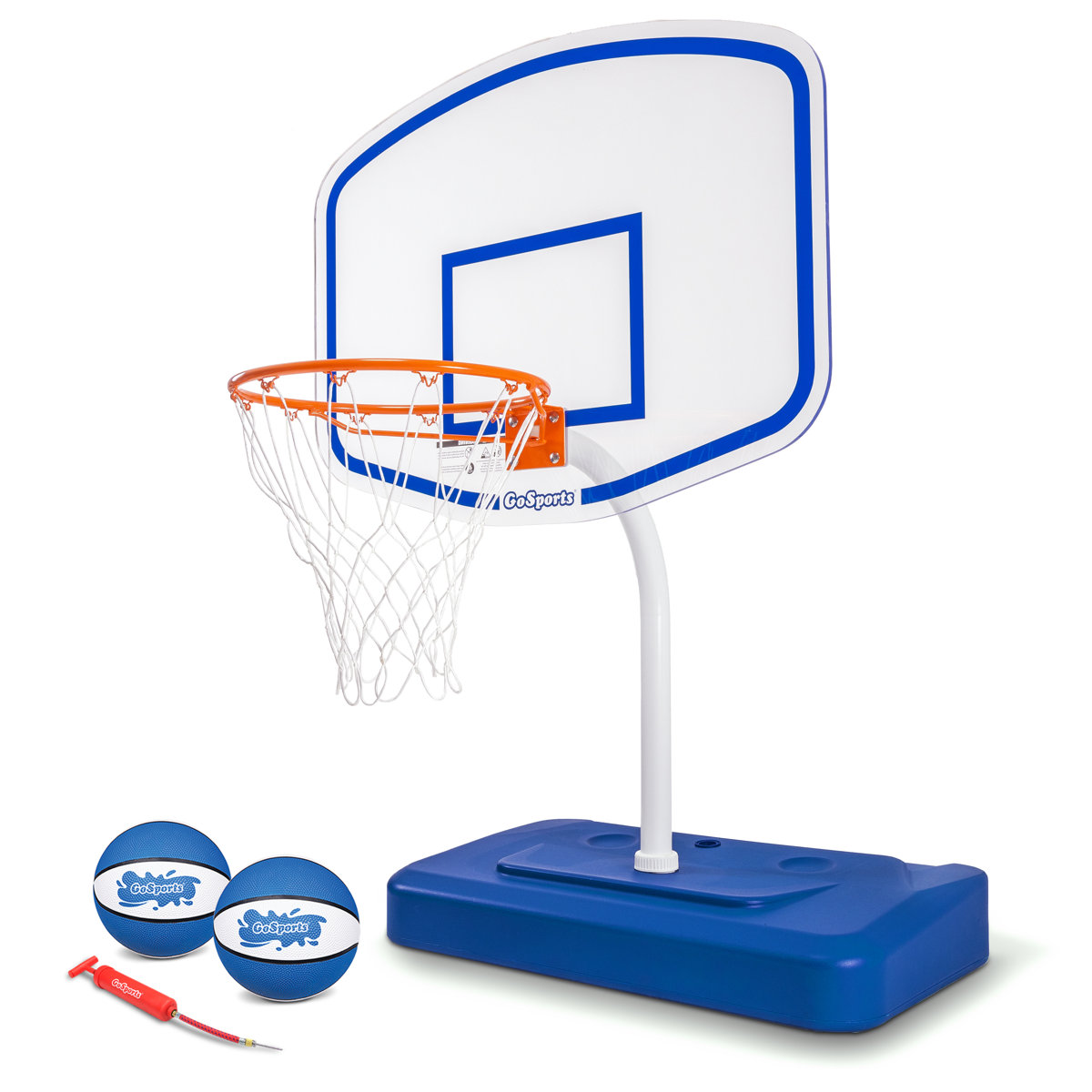
Explore our top-rated acrylic poolside hoop — performance-ready and built to last.
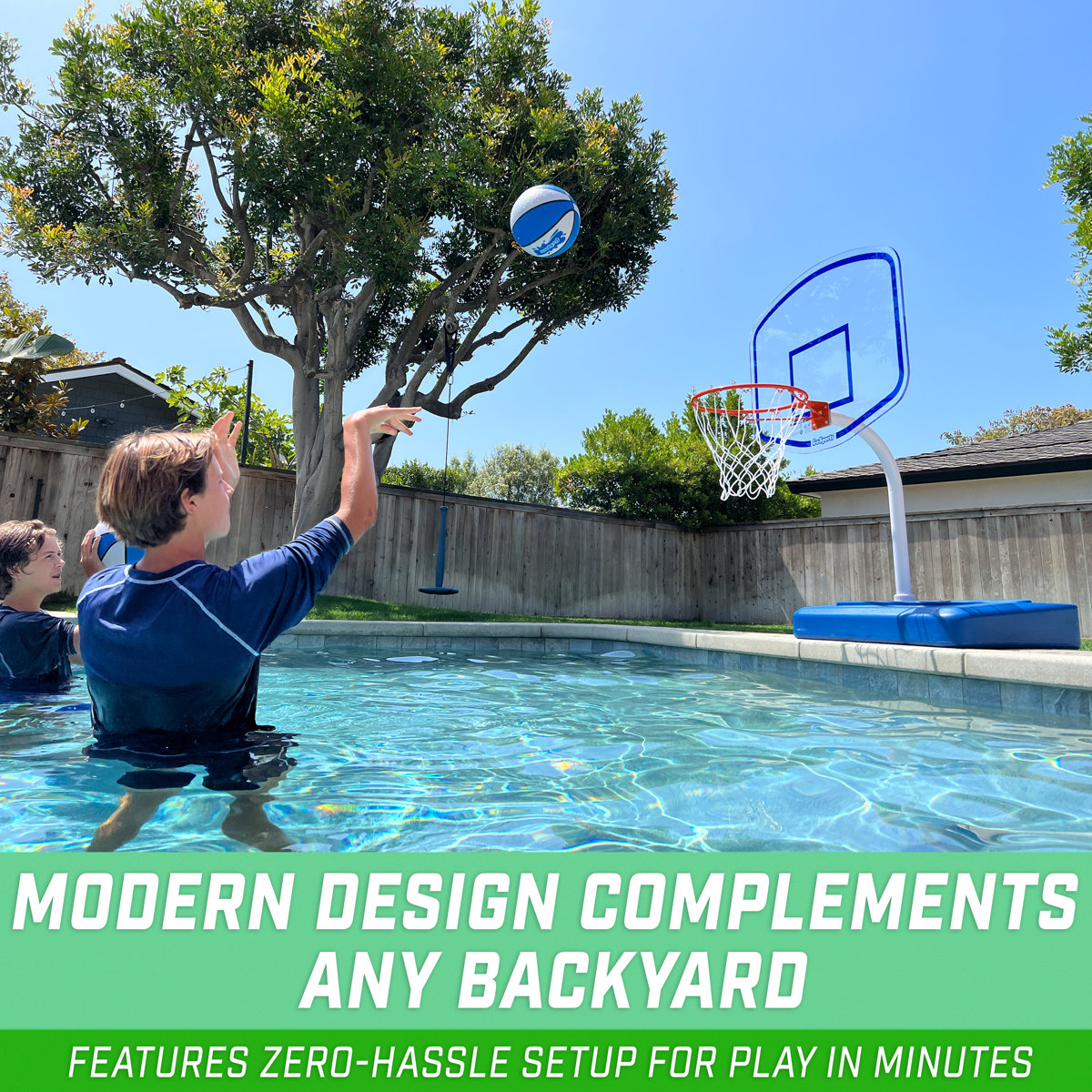
From weekend warriors to serious home court builders, the right backboard transforms how your game feels and performs. Take the time to understand what each material offers, and you'll make a choice you're confident about every time you step on the court.