


 Damage
  Loss
Loss  Theft
Theft 


Bridge Camera Showdown
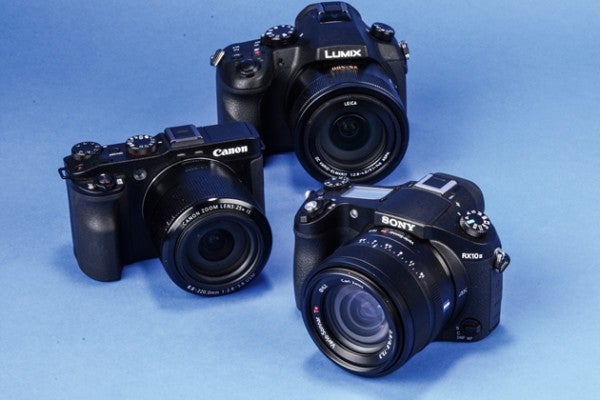
What Makes Bridge Cameras Special?
Bridge cameras, frequently called superzooms, have earned their reputation through incredibly powerful fixed zoom lenses. These versatile devices blend the convenience of compact cameras with the handling characteristics of entry-level DSLRs. The optical zoom capabilities vary significantly between models, with telephoto ranges extending anywhere from 200mm to 600mm equivalent focal lengths.
Beyond their impressive zoom capabilities, premium bridge cameras typically offer comprehensive manual controls and raw file recording. Their substantial lenses necessitate a DSLR-inspired body design, complete with ergonomic handgrips that provide secure, comfortable shooting during extended sessions.
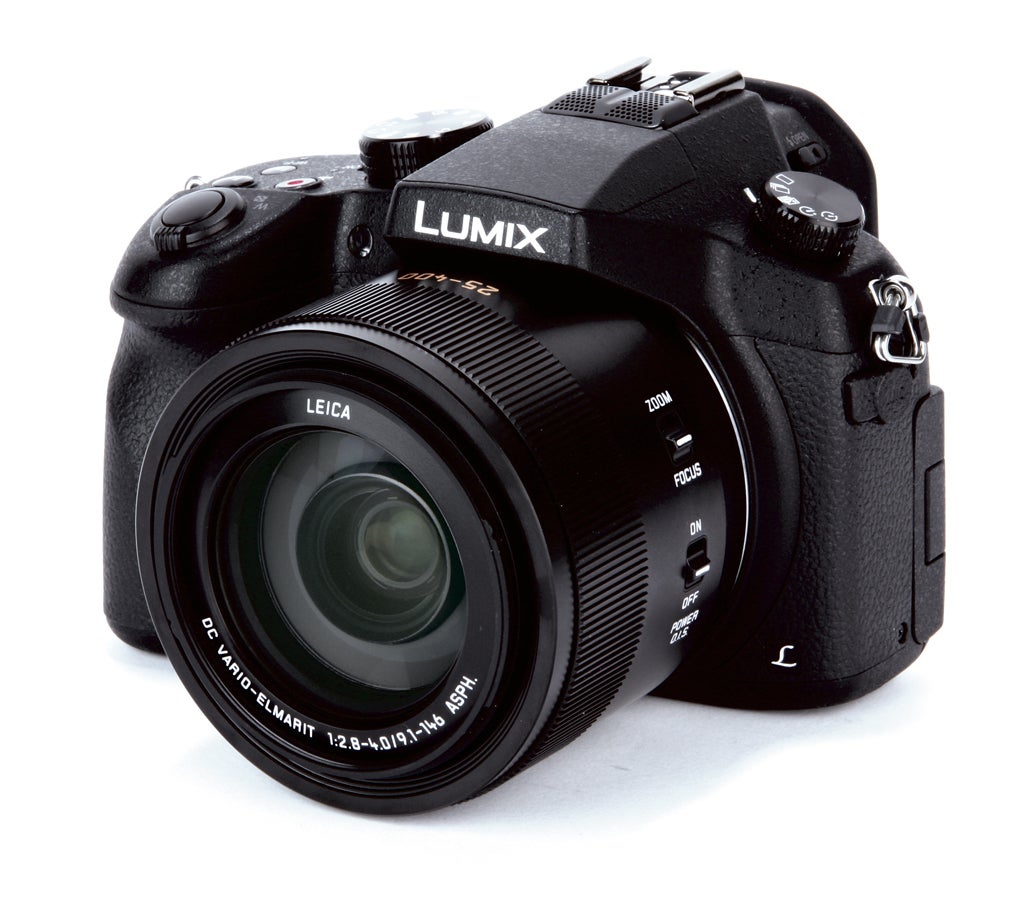
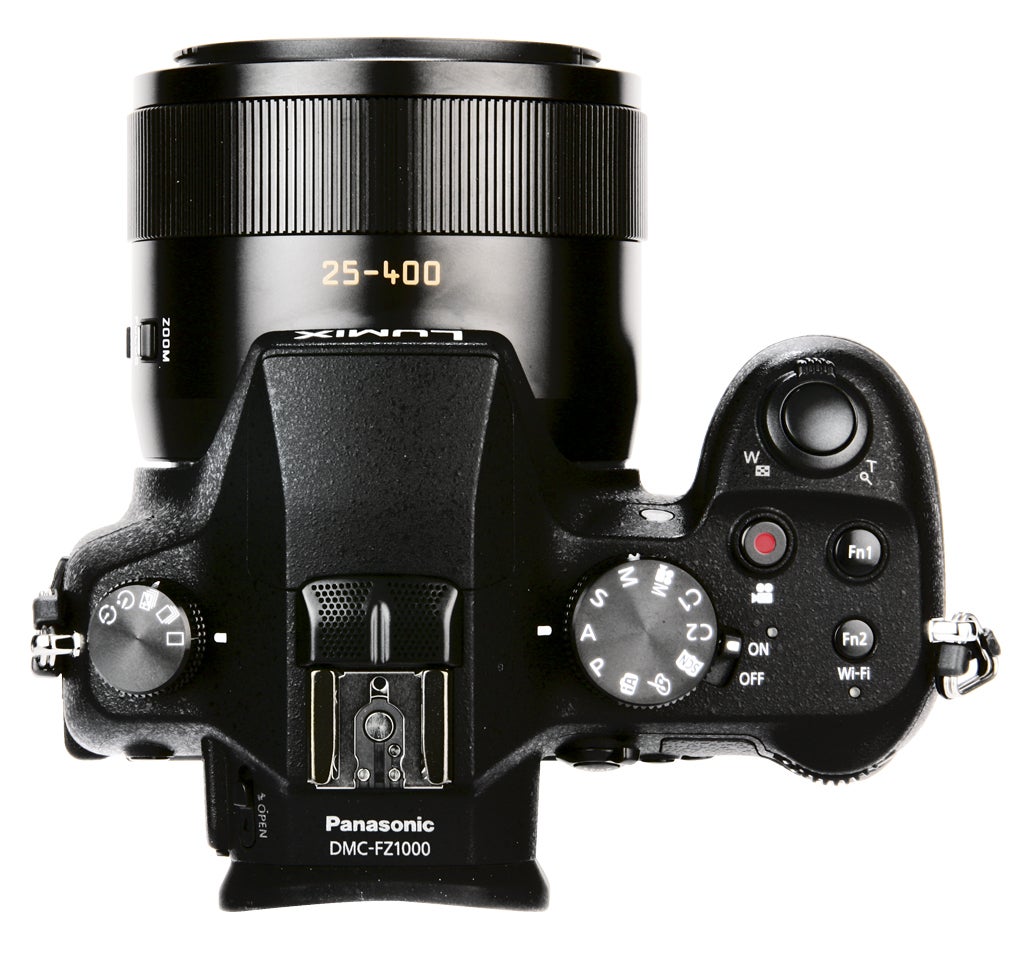
Hot Shoe Mount
While integrated pop-up flash units come standard, the hot shoe allows photographers to attach external flash guns for situations requiring additional lighting power.
Exposure Controls
Dedicated mode dials provide quick access to Program, Aperture Priority, Shutter Priority, and Manual modes alongside automated scene-specific settings.
Zoom Mechanisms
Modern superzooms often feature dual zoom controls—a traditional spring-loaded lever near the shutter button plus a dedicated ring on the lens barrel itself.
Construction Quality
Build materials range from durable polycarbonate composites to premium metal alloy casings, with many models offering weather-resistant sealing.
The Superzoom Advantage
The primary attraction of bridge cameras lies in the extraordinary convenience of having extensive telephoto reach within a single, self-contained unit. This practical benefit enables photographers to fill their frames with distant subjects that would remain frustratingly small through standard zoom lenses. Additionally, this approach eliminates the considerable expense of acquiring multiple interchangeable lenses and removes the hassle of carrying and swapping optics during crucial moments.
Traditionally, enthusiasts have expressed reservations about bridge cameras due to their reliance on smaller sensors that compromise image quality. However, the landscape has shifted dramatically with the emergence of premium-tier models featuring larger sensor technology capable of delivering substantially improved results, particularly in challenging lighting scenarios.
Understanding Sensor Technology
The newest generation of premium bridge cameras incorporates larger sensor formats with approximately four times the surface area of conventional compact camera sensors. This significant increase in light-gathering capability translates directly to enhanced dynamic range, improved low-light performance, and the ability to create pleasing background separation that satisfies discerning photography enthusiasts.
Featured: Panasonic Lumix FZ300
The Panasonic Lumix FZ300 represents a compelling option in the premium bridge camera segment. Panasonic has established itself as a leader in this category, consistently delivering cameras that balance impressive zoom ranges with capable image processors and reliable autofocus systems.
What distinguishes Panasonic's approach is their commitment to advanced video capabilities alongside still photography excellence. Their bridge cameras typically feature comprehensive electronic viewfinders, articulating displays for flexible composition, and sophisticated image stabilization that proves invaluable when shooting at extended telephoto lengths.
Evaluating Performance Metrics
Resolution Capabilities
Premium bridge cameras with larger sensors consistently demonstrate impressive resolving power, delivering sharp, detailed images especially when shooting within their optimal aperture ranges. Center sharpness typically excels, with quality lenses maintaining excellent performance across much of the frame. At base sensitivity settings, these cameras capture intricate details that satisfy demanding photographers.
Dynamic Range Analysis
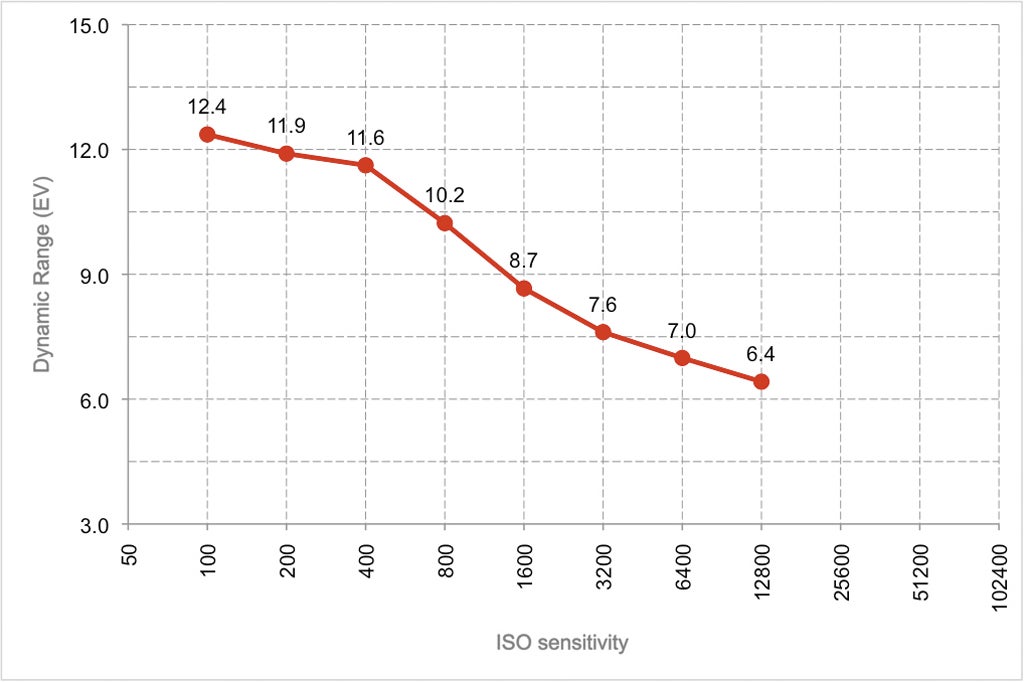
The expanded photosites inherent to larger sensors yield remarkable dynamic range characteristics. At base sensitivity, quality bridge cameras achieve dynamic range measurements that rival many interchangeable lens cameras. This expanded latitude enables photographers to capture challenging scenes with retained highlight and shadow detail, particularly when processing raw files for maximum flexibility.
Noise Performance
Image noise behavior follows predictable patterns across sensitivity ranges. At lower ISO settings, images exhibit smooth, virtually noise-free characteristics with excellent detail preservation. As sensitivity increases, luminance noise gradually appears, though modern processing algorithms manage this effectively through the mid-range. Higher ISO settings naturally introduce more visible noise and some detail softening, though results remain usable for many applications.
Video Recording Excellence
Contemporary premium bridge cameras have embraced advanced video capabilities as a core feature. Many models now support high-resolution 4K video capture alongside comprehensive Full HD options at various frame rates. Slow-motion recording capabilities have also become increasingly common, allowing creative filmmakers to capture dramatic sequences at elevated frame rates.
Dedicated microphone inputs accommodate external audio recording equipment, while sophisticated image stabilization systems ensure smooth footage even when shooting handheld at significant zoom magnifications. These video-centric features make premium bridge cameras attractive tools for hybrid photographers who value both still and motion capabilities.
Construction and Ergonomics

Premium bridge cameras prioritize robust construction using materials ranging from reinforced polycarbonate to magnesium alloy shells. Weather-resistant sealing has become increasingly common in this segment, providing confidence when shooting in challenging environmental conditions. The substantial handgrips characteristic of bridge camera design ensure secure, fatigue-free handling during extended shooting sessions.
Electronic viewfinders have evolved considerably, now offering high-resolution OLED panels that deliver bright, detailed preview images with minimal lag. Rear displays frequently incorporate articulating mechanisms for flexible composition at unusual angles, with touchscreen functionality becoming standard on many models for intuitive menu navigation and touch-to-focus operation.
Autofocus Performance
Modern bridge cameras employ sophisticated autofocus systems featuring numerous individual detection points and multiple focusing modes to accommodate diverse shooting scenarios. Advanced technologies including contrast detection, phase detection, and depth-from-defocus algorithms combine to deliver rapid, accurate focusing performance.
Low-light focusing capabilities have improved dramatically, with many cameras maintaining reliable operation in dimly lit environments. Continuous autofocus tracking proves essential for capturing moving subjects, while face and eye detection features simplify portrait photography by automatically prioritizing appropriate focus targets.
Key Considerations When Choosing
Zoom Range Requirements
Consider your typical shooting scenarios. Wildlife and sports photographers benefit from extended telephoto reach, while travel photographers might prioritize a balanced range that handles both wide-angle scenes and moderate telephoto subjects.
Maximum Aperture
Faster maximum apertures provide advantages in low light and enable shallower depth of field effects. Constant aperture designs maintain consistent exposure throughout the zoom range, simplifying video recording.
Viewfinder Quality
Electronic viewfinder resolution and responsiveness significantly impact the shooting experience. Higher resolution panels provide clearer preview images, while faster refresh rates reduce motion blur during composition.
Video Specifications
For videographers, examine resolution options, frame rate selections, codec quality, and audio input capabilities. Image stabilization effectiveness becomes especially critical during handheld video capture.
Sample Imagery


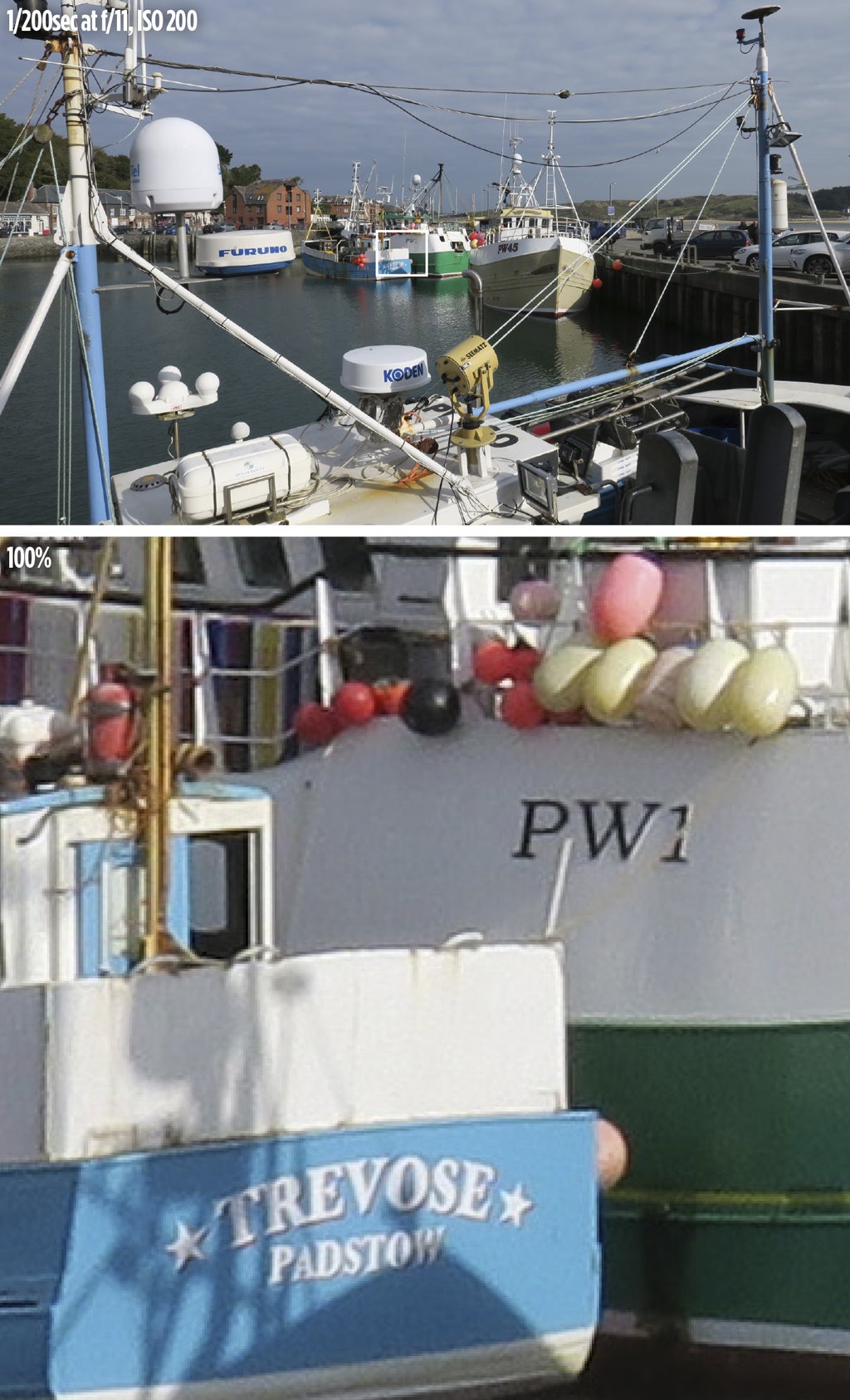
Ready to Capture Every Moment?
Discover the perfect blend of reach, quality, and convenience with the Panasonic Lumix FZ300. Whether you're photographing distant wildlife or recording family memories in stunning detail, this capable superzoom delivers exceptional results.
Panasonic FZ300