


 Damage
  Loss
Loss  Theft
Theft 


Choosing the Right Industrial Engine for Your Heavy Equipment
A practical, experience-backed guide to matching engine power, durability, and compliance to your real-world workload demands.
Table of Contents
- Start With the Application, Not the Brand
- Match Power Output to Real Load Conditions
- Understand Duty Cycle and Efficiency
- Consider Fuel Type and Efficiency
- Emissions Compliance Is Not Optional
- Evaluate Cooling and Filtration Systems
- Prioritize Serviceability and Parts Availability
- New, Rebuilt, or Remanufactured: Choose Strategically
- Look Beyond the Engine Block
- Total Cost of Ownership Matters More Than Purchase Price
- Why Backyard Provider Is Better for Your Business
- Frequently Asked Questions
Start With the Application, Not the Brand
Too many buyers start their engine search by fixating on a brand name. While brand reputation matters, it should never be the first filter. The right engine begins with a clear understanding of what the machine will actually be doing day in and day out.
Ask yourself three foundational questions before you look at a single spec sheet:
- What is the engine powering — excavators, loaders, cranes, generators, compressors, or something else entirely?
- Will it face continuous fixed loads or variable, shifting conditions throughout the day?
- What is the operating environment — heat, altitude, moisture, dust? All of these affect long-term engine performance and longevity.
An engine that performs flawlessly in a controlled facility can struggle quickly after deployment to demanding real-world sites. Identifying your operating conditions with precision ensures you select an engine engineered for endurance, not just peak specs.
Match Power Output to Real Load Conditions
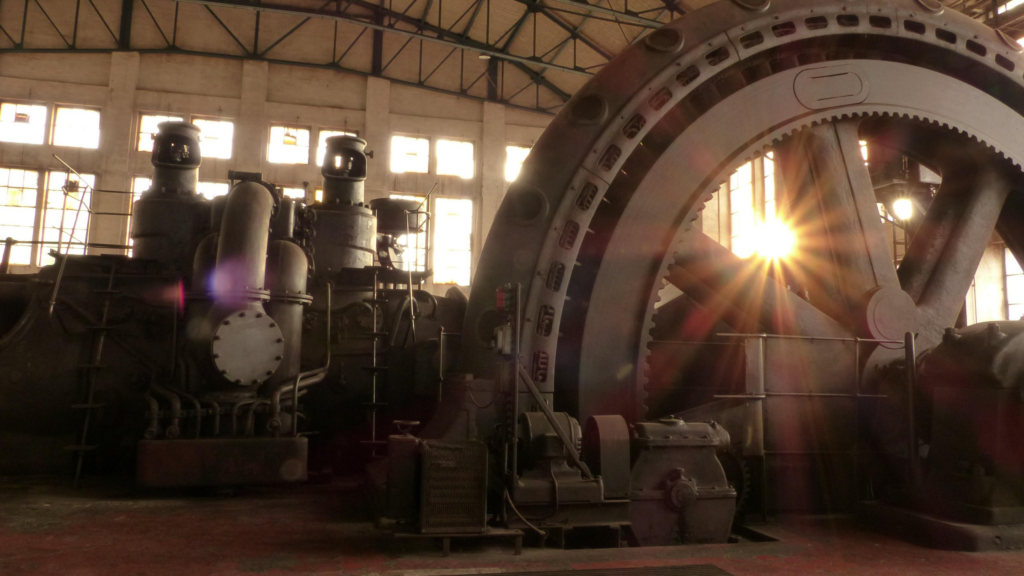
Horsepower ratings on a specification sheet are only half the story. Many buyers over-specify horsepower while completely ignoring torque — and then wonder why their machine underperforms when put under real load conditions.
Torque, not peak horsepower, is what carries your machine through difficult terrain, under heavy lift, and through extended duty. Keep these principles front of mind:
- Look for flat torque curves — engines that deliver strong torque across a wide RPM range, not just at a narrow peak.
- Avoid over-speeding your engine. Running an engine harder than designed costs money in fuel, parts, and shortened engine life.
- A properly matched engine operates comfortably at 70–80% of its rated capacity during normal working conditions.
A well-sized engine running within its designed operating zone is significantly more economical — and more reliable — than an oversized engine pushing below its efficiency threshold.
Understand Duty Cycle and Efficiency
Heavy equipment doesn't all operate the same way. Some applications run at near-constant loads for extended shifts; others cycle through short, high-demand bursts with periods of idle in between. Matching your engine's duty cycle design to your actual usage profile is critical.
Continuous Duty Applications
Generators, compressors, and pumps often require engines rated for sustained, high-load operation. Look for robust cooling systems, heavy-duty oil management, and industrial-grade filtration to support these demands.
Intermittent or Variable Duty
Loaders, excavators, and material handling equipment cycle loads constantly. Engines for these applications need wide power bands, responsive throttle mapping, and transmission compatibility rated for frequent load transitions.
If your equipment is used in production environments where uptime directly drives revenue, choose an engine designed for sustained duty and factor in higher-drain conditions like extreme heat or high altitude.
Consider Fuel Type and Efficiency
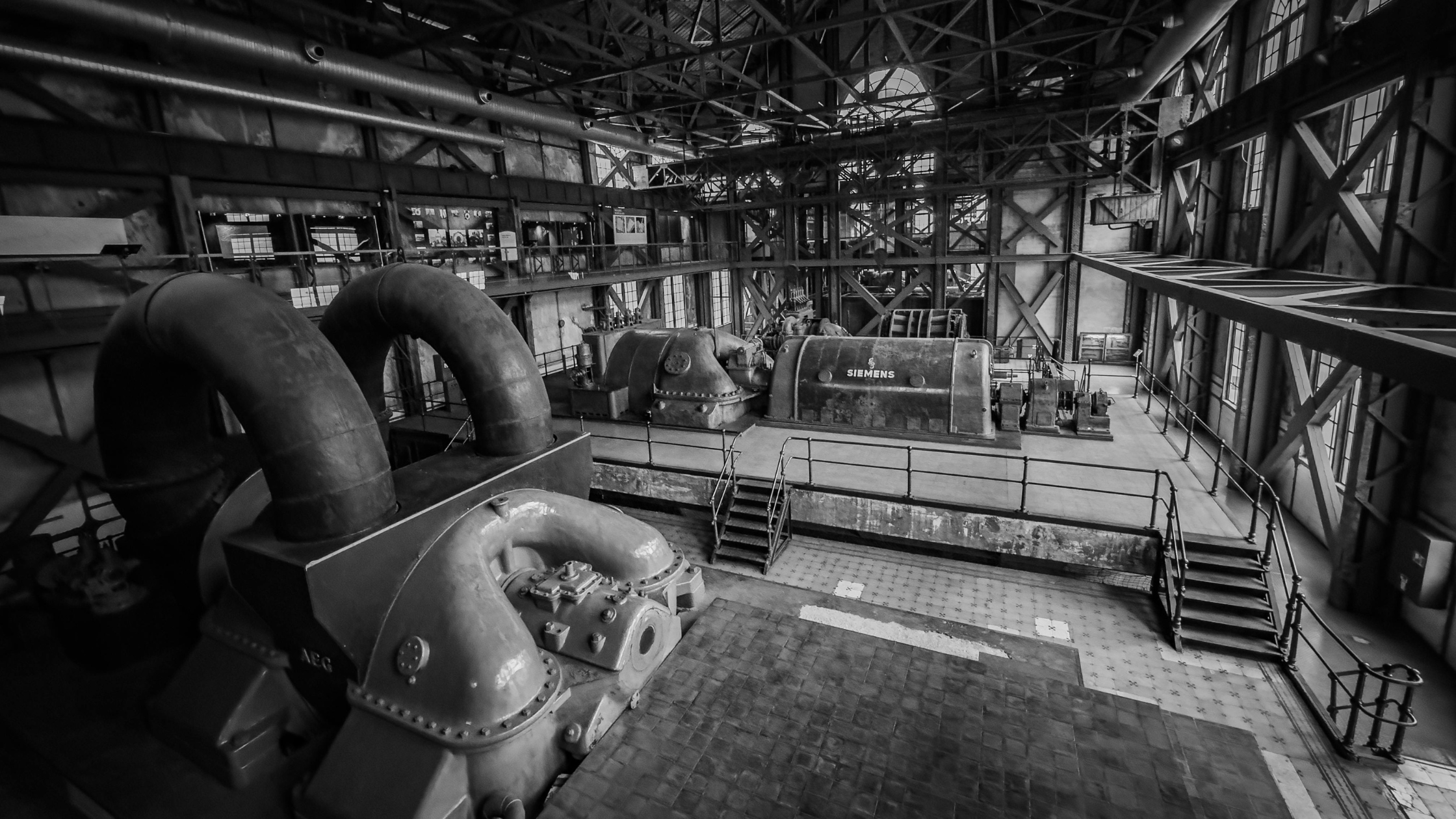
Diesel remains the dominant fuel type for heavy-duty industrial engines due to its energy density, reliability, and widely available supply chain. However, fuel strategy deserves careful thought beyond simply defaulting to diesel.
- Track fuel consumption at actual operating loads, not the idealized figures on the manufacturer datasheet.
- Evaluate fuel quality and contamination susceptibility in your operating environment — particularly relevant in remote or off-grid settings.
- Confirm compatibility with bio-diesel or alternative fuel blends if required by your fleet or site policy.
- Use fuel analysis programs to assess combustion efficiency and detect internal wear early before it becomes a field failure.
In remote or off-grid deployments, fuel availability and storage stability should also factor into your selection — engine choice and fuel strategy are inseparable for long-term cost control.
Emissions Compliance Is Not Optional
Regulatory requirements for industrial engines have tightened considerably across the U.S. and many international markets. Emissions compliance is not a bureaucratic checkbox — it is a legal, operational, and financial requirement that affects where your equipment can be deployed.
Non-compliant engines can result in substantial fines, job site access restrictions, and cross-border transport complications that bring operations to a costly halt.
Before purchasing, verify the following:
- Current applicable emissions tiers for your state, region, or export country
- Whether the engine meets EPA Tier standards or equivalent international certifications
- What exhaust aftertreatment systems are required — DPF, SCR, DEF — and their maintenance burden and cost
- Regulatory roadmap for future tightening in your operating jurisdiction over the next 3–7 years
Buying a non-compliant engine today to save money is a short-term decision with long-term operational and financial consequences.
Evaluate Cooling and Filtration Systems
Mechanical failure in industrial engines is far more often caused by overheating and contamination than by manufacturing defects. A technically superior engine paired with an inadequate cooling or filtration system will fail prematurely — often at the worst possible moment.
Cooling Systems
Ensure coolant circulation capacity matches your peak operating temperature range, particularly in hot climates or high-altitude environments where cooling efficiency naturally decreases. Verify that heat exchange systems are appropriate for sustained duty operation.
Filtration Systems
Oil, air, and fuel filtration must all be correctly specified. Service intervals and filter availability for your deployment location should be confirmed before purchase — not assumed. Filtration failures are among the leading causes of early engine wear.
Cooling and filtration should be reviewed by your procurement and maintenance team as a system — not as individual line items on a spec comparison sheet.
Prioritize Serviceability and Parts Availability
An engine is only as good as your ability to keep it running in the field. Brands with limited regional support, long lead times on parts, or proprietary service requirements can quietly destroy your uptime metrics — and your budget.
- Confirm service access points for filters, belts, and diagnostics are easily reachable without disassembly of adjacent equipment.
- Verify parts availability directly from local distributors or authorized dealers — not just from national warehouses with multi-week lead times.
- Understand service milestones and evaluate whether your maintenance team can complete major services in-house versus requiring dealer involvement.
- Ask dealers about average repair completion time for scheduled and unscheduled maintenance at their nearest service facility.
An engine that sits idle for two weeks waiting on a backordered filter is not a bargain — regardless of its purchase price. Serviceability is a core performance metric.
New, Rebuilt, or Remanufactured: Choose Strategically
Not every application demands a brand-new engine — and not every rebuilt engine is a compromise. Understanding the distinctions between your options allows you to make a financially sound decision based on your actual requirements.
New Engines
Offer the longest service life, full factory warranty, and the highest initial performance baseline. Ideal for critical applications where reliability is non-negotiable and downtime costs are severe.
Rebuilt Engines
Rebuilt to specific tolerances and may include warranty coverage at a more accessible price point. Suitable for secondary equipment or budget-conscious operations where new engine cost cannot be justified.
Remanufactured Engines
Factory-remanufactured units are rebuilt to original specifications using new components for wear items. They often deliver near-new performance and include meaningful warranty coverage at a reduced price point — offering strong value for fleet operators and high-utilization equipment owners.
The key is quality assurance, source verification, and warranty terms — not the label alone.
Look Beyond the Engine Block
An industrial engine doesn't operate in isolation — it's part of a complete powertrain and equipment system. Evaluating only the engine block while ignoring the components that surround it is one of the most expensive procurement mistakes in the industry.
- Transmission and drivetrain compatibility — power delivery mismatches cause wear across multiple systems simultaneously.
- Electronic control modules and PTOs — modern industrial engines rely on tightly integrated electronic management systems that must be compatible with your machine's existing architecture.
- Oil and filtration accessories — the right ancillary systems are as important as the engine block itself in determining total service life.
- Cooling system integration — aftermarket or retrofitted cooling systems should be validated for your engine's specific heat rejection requirements.
Procure with the complete powertrain context in mind. Integration failures between otherwise high-quality components are a common and avoidable source of costly breakdowns.
Total Cost of Ownership Matters More Than Purchase
The purchase price of an industrial engine is rarely its most significant cost over its working lifetime. Operators who buy based on sticker price alone routinely spend far more in fuel, maintenance, downtime, and early replacement than they saved at the point of purchase.
A sound TCO analysis accounts for:
- Projected fuel consumption, maintenance intervals, and service costs over the engine's expected operational lifespan.
- Downtime risk and its true cost — lost productivity, delayed projects, and contract penalties are rarely captured in basic ownership calculations.
- Residual or resale value at end of service life — premium engine brands retain value and can be refurbished or sold, partially recovering the original investment.
Smart buyers invest in total ownership economics — not lowest upfront cost. The numbers over a 5-year operating horizon almost always favor the higher-quality engine.
Why Backyard Provider Is Better for Your Business
Selecting the right engine partner is just as important as selecting the right engine. At Backyard Provider, we specialize in industrial and heavy equipment engines that meet the real demands of outdoor, construction, agricultural, and operational environments — not just checkbox spec lists.
We offer tried, tested, and field-validated industrial engines complete with documented build quality, application-specific configurations, genuine parts compatibility, and warranty coverage. Our catalog is built around the understanding that quality and added value go hand in hand.
Our team is here to help you select with confidence — because we know that choosing the right engine the first time protects your productivity, your timeline, and your bottom line for years to come.
DuroMax 999cc Electric Start Engine
A field-ready, multi-purpose horizontal shaft engine with push-button electric start — purpose-built for serious heavy equipment and commercial applications that demand real power and reliability.
Frequently Asked Questions
How do I know if my engine is properly sized for my equipment?
If the engine regularly runs at full throttle, struggles under load, or overheats, it is likely undersized for the application. Consult the equipment's OEM power specifications and compare against your actual duty cycle demands to determine the correct sizing range.
Is higher temperature fuel consumption always a sign of a problem?
Not necessarily. Elevated fuel consumption under high ambient temperatures or altitude is expected. However, if consumption increases meaningfully without a corresponding change in operating conditions, this can indicate developing mechanical issues worth diagnosing early.
What is the most important factor when choosing an industrial engine?
Application fit and duty cycle alignment. Horsepower and brand matter, but an engine that is mismatched to the application — even if individually excellent — will underperform and cost more over its service life than a correctly specified engine from a lesser-known manufacturer.
How long should a heavy-duty industrial engine last?
With proper sizing and maintenance, many industrial engines exceed 10,000 operating hours before requiring major service. Engines that are consistently overloaded or poorly maintained often require significant intervention at less than half that interval.
Are rebuilt engines reliable for heavy equipment?
When rebuilt to proper specifications with quality components and backed by warranty coverage, rebuilt engines can offer reliable performance at accessible price points. The key is verifying the rebuild standard, parts quality, and warranty terms — not simply accepting any rebuilt unit on price alone.
What maintenance factors should influence my engine choice?
Parts accessibility, local service network depth, service interval frequency, and whether your team can perform primary maintenance in-house are all critical. An engine requiring specialized dealer service for routine maintenance significantly increases operational cost and downtime risk over its lifetime.
Can I replace older equipment with a newer engine?
In many cases, yes — with the right compatibility assessment. Mounting dimensions, PTO interface, electronic integration, and cooling system compatibility all require verification before a replacement engine is installed in existing equipment.
What role does torque play in engine performance for heavy equipment?
Torque is the primary measure of an engine's working capability under load. High peak horsepower with a narrow, high-RPM torque curve is far less useful in heavy equipment than a broad, accessible torque band that delivers consistent pulling power across the full operating range.
How do I estimate the total cost of ownership for an engine?
Factor in purchase price, projected fuel consumption over expected service life, scheduled maintenance costs at standard intervals, unplanned repair probability, downtime cost per hour, and residual value at end of service. Spread these numbers across the full projected operating life — typically 5 to 10 years — to get an accurate cost-per-hour figure for true comparison between options.
Backyard Provider — Trusted equipment, expert guidance, and the right engine for every application. Shop with confidence at backyardprovider.com