


 Damage
  Loss
Loss  Theft
Theft 


Cold Water vs. Hot Water Pressure Washer: Which One Is Right for You?
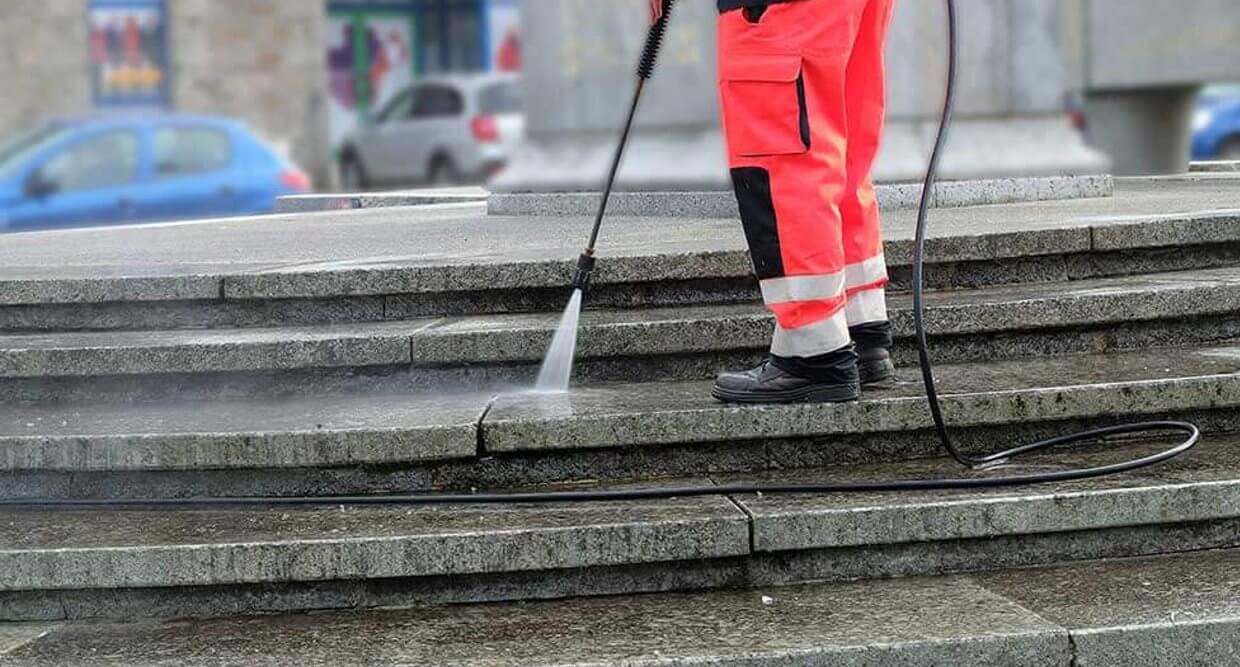
Shopping for a pressure washer — but not sure whether to go hot or cold? The honest answer is that it depends entirely on how and where you plan to use it. Both types have real strengths, and the better choice for a homeowner tackling weekend deck cleaning is very different from what a commercial facility needs. Read on to find out which unit suits your situation best.
Hot Water Pressure Washers
Hot water pressure washers heat water — typically to temperatures above 90 °C (194 °F) — before forcing it through the spray nozzle at high pressure. They can be powered by electricity or gasoline and rely on an internal burner to achieve those elevated temperatures. The combination of heat, pressure, and detergent gives them a distinct edge when it comes to cutting through substances that cold water alone simply cannot dissolve.
Whether you run an electric model for indoor jobs or a gasoline-powered unit for outdoor heavy-duty work, a hot water machine is an indispensable tool in settings where cleanliness and hygiene are non-negotiable. These washers are particularly valued in industries where contamination control matters most.
Best Uses for a Hot Water Pressure Washer
- Removing grease and oil stains in automotive garages and service bays
- Sterilizing surfaces in healthcare facilities and food processing plants
- Deep-cleaning heavy machinery at manufacturing and construction sites
Cold Water Pressure Washers
Cold water pressure washers work on a straightforward principle: they use the sheer force of high-pressure water to blast away dirt, grime, and debris. They are simpler to operate, generally more affordable to purchase and maintain, and perfectly capable of handling the vast majority of everyday outdoor cleaning tasks without requiring heat at all.
Because they do not need a burner or heating system, cold water units tend to be lighter, more portable, and more cost-effective — making them the natural choice for homeowners, landscapers, and anyone whose cleaning jobs do not routinely involve heavy oils or industrial-grade grime.
Best Uses for a Cold Water Pressure Washer
- Cleaning large exterior surfaces — driveways, sidewalks, and building façades
- Removing dirt and algae from fencing, decks, and patios
- Routine maintenance tasks in agriculture, transportation, and waste management
Key Differences at a Glance
The fundamental difference comes down to one thing: temperature. Hot water washers dissolve greasy, oily substances far more effectively than cold water washers. Cold water washers, in turn, handle a broader range of general cleaning jobs with less complexity and at a lower cost. The right choice depends on the substances you need to remove and the environment you work in.
| Factor | Hot Water | Cold Water |
|---|---|---|
| Water Temperature | Up to 90 °C+ (194 °F+) | Ambient / unheated |
| Best For | Grease, oil, bacteria, heavy grime | Dirt, algae, mud, general surfaces |
| Typical Cost | Higher (burner adds cost) | Lower (simpler build) |
| Portability | Heavier, more complex | Lighter, easier to move |
| Detergent Needed | Less (heat assists cleaning) | More (compensates for no heat) |
| Ideal User | Commercial / industrial | Residential / light commercial |
Industrial Use of Pressure Washers
Pressure washers have earned their place across a wide range of industries thanks to their versatility and efficiency. Construction sites use them to keep equipment clean and prevent material buildup. Manufacturing facilities rely on them for regular machinery maintenance. In agriculture, they keep farm equipment and facilities sanitary. Transportation companies use them to maintain vehicles and entire fleets, while waste management and marine industries depend on them for ongoing sanitation tasks.
For industrial applications, the specific configuration of your pressure washer matters. An electric unit tends to be the preferred choice for indoor or light-duty use, while a gasoline-powered machine delivers the sustained power needed for outdoor and heavy-duty tasks. A wide range of parts and accessories allows further customization to match the demands of any specific environment.
Frequently Asked Questions
You can safely run warm water through a cold-water pressure washer up to about 150 °F (65 °C). Beyond that, you risk melting the internal seals, overheating the pump, and causing permanent damage to the unit. Your home hot water heater also likely cannot supply water fast enough to keep up with the machine's demand, so it is not a practical long-term workaround.
It depends entirely on what you are cleaning. Cold water is the better tool for high-volume, low-pressure applications — stripping away dried mud, dislodging caked-on debris, or blasting paint. For everything else, hot water cleans faster, uses less detergent, and produces far better results. If your work involves engine grease, cooking fats, or hygiene-critical surfaces, a hot water unit is worth every penny of the price difference.
Agriculture, transportation, and construction are well served by cold water units for blasting mud and dirt. However, food processing and commercial kitchens — where breaking down grease and fat, eliminating harmful bacteria, and meeting strict health standards are mandatory — genuinely require hot water. Using the wrong type in these settings is not just inefficient; it can be a compliance and safety issue.
Start by thinking about the surfaces and substances you clean most often. Consider whether you need portability, fuel type (electric vs. gasoline), PSI rating, and GPM (gallons per minute) for the volume of water flow. For most residential users, a reliable gasoline-powered cold water unit in the 2,000–2,700 PSI range covers virtually every outdoor cleaning task with ease.