


 Damage
  Loss
Loss  Theft
Theft 


Complete Grill Maintenance Guide: Keep Your BBQ Like New
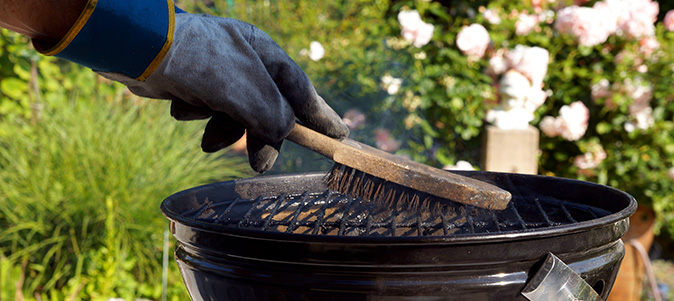
Your grill is more than just a cooking appliance — it's the centerpiece of your outdoor living space. With the right maintenance habits, you can keep your barbecue in prime condition for years of unforgettable backyard gatherings.
Essential Grill Maintenance Tools & Supplies
Proper grill upkeep starts with having the right equipment on hand. Before your first cleaning session, stock these essentials so every task is straightforward and efficient.
Dish soap works well for routine cleaning, while specialized grill degreasers power through stubborn buildup.
Use wire brushes for heavy residue on grates, and softer brushes for cleaning interior chambers and burner covers.
Protect your hands while cleaning a still-warm grill and handling sharp or awkward components.
Prevent inhaling fine charcoal particles and ash debris during deep cleaning sessions.
Most disassembly tasks are simple. A good adjustable wrench and screwdriver set handles the majority of routine maintenance jobs.
Keep common items like igniters, grill brush heads, and burner covers on hand to avoid delays mid-season.
Gas Grill Maintenance:
Protect Your Investment
After-Each-Use Basics
Strong grill habits begin right after every cooking session. While the grill is still warm, use a brush to scrub the grates — residue comes off far easier at this stage. Let the surfaces cool before wiping down the exterior, and you'll prevent grease buildup that hardens and becomes increasingly difficult to remove over time.
Always follow proper shutdown procedures after every cook. Turn off the burner controls fully, then close the propane tank valve. This simple two-step process prevents gas from lingering in the lines and keeps your grease management system clear of dangerous buildup.
Monthly Deep Cleaning
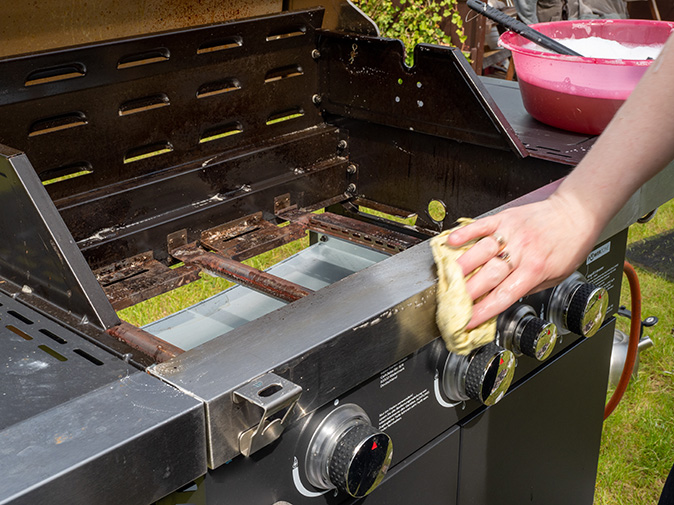
Set aside time once a month during peak grilling season to perform a thorough deep clean. Disassemble the firebox completely — remove the cooking grates, flavor bars, and heat deflectors. Wash the firebox interior with warm soapy water, paying close attention to corners where grease tends to accumulate the most. Rinse everything thoroughly and allow all parts to dry completely before reassembling.
Inspect the burner tubes for spider webs or blockages, which can seriously affect flame distribution. Clean any debris from the burner holes using a soft wire tool or toothpick — never use sharp materials that could enlarge or deform the openings.
Airflow & Valve Check
Check the airflow system monthly, including the bottom vents and the top damper — proper airflow control is critical for consistent temperature regulation. Inspect all hoses, handles, and fittings for visible wear or damage. After each BBQ session, ensure every knob is fully off and all components are snug and secure for safe storage.
Charcoal Grill Cleaning:
Master the Classic
Post-Grilling Care
Charcoal grills demand special attention when it comes to ash management and fire safety. Always allow your grill to cool down completely before handling ash or plastic components. Never dispose of ash directly onto plastic surfaces or near combustible materials — even seemingly cold ash can retain heat for hours.
Ash Removal
Use a dedicated ash scoop or metal spade to remove ash from the bottom of the bowl. Store used ash in a metal container with a tightly fitting lid before final disposal.
Bowl Cleaning
Clean the bowl and grates while slightly warm using a grill brush. Rinse with soapy water, allow to dry fully, and apply a light coat of cooking oil to prevent rust.
Weekly Deep Maintenance
During active grilling season, charcoal buildup can accumulate surprisingly fast. Remove the cooking grates and any additional racks, then use a damp steel wool pad and a stiff brush to remove stubborn grease and carbonized food particles from all interior surfaces.
⚠️ Always wear a dust mask when cleaning charcoal grills. Fine ash particles can irritate your respiratory system — especially during windy conditions. Work in a well-ventilated area or outdoors whenever possible.
Troubleshooting Common Grill Problems
Even well-maintained grills occasionally develop issues. Here's how to diagnose and address the most common problems quickly.
Ignition Issues (Gas Grills)
If your gas grill won't ignite, the problem usually originates from dirty electrodes or clogged burner ports. Clean the tip of each electrode and the gap between it and the burner with a soft brush. If it still won't fire after cleaning, check that the propane tank has adequate fuel and that the gas connection is secure at the regulator.
Uneven Heating
Uneven heating most commonly signals a blocked burner or a buildup of grease affecting the flame. Remove and clean the flavor bars and burner tubes, inspect all of them for damage, and ensure vents are fully unobstructed. Following this process after each BBQ season significantly reduces heating problems during the next use.
Seasonal Maintenance Calendar
Every season brings different maintenance priorities. A simple seasonal care schedule keeps your grill performing at its best no matter the time of year.
Start of season inspection. Check all connections, test all functions, and prepare your grill for the heavy use ahead. Restock cleaning supplies.
Most frequent use — clean grates after every session, perform monthly deep cleans, and check grease traps regularly to prevent flare-ups.
Thorough end-of-season cleaning. Disconnect and safely store propane, clean all components thoroughly, and protect from autumn moisture.
Apply rust-preventative treatments to metal surfaces. Store in a dry location with a quality cover to protect from freezing temperatures and snow.
Smart Replacement vs. Repair Decisions
Knowing when to repair and when to replace saves you money in the long run. A useful rule of thumb: if repair costs approach or exceed 50% of the replacement value, upgrading to a new unit almost always makes more financial sense.
- Extensive rust affecting structural integrity of the firebox or grill body
- Damaged components that can no longer be safely repaired or sourced
- Repeated ignition failures that persist after electrode cleaning and part replacement
- Outdated design limiting your cooking capacity or outdoor kitchen vision
Modern built-in BBQ equipment can become the standout centerpiece of a genuinely impressive outdoor kitchen. Upgrading doesn't just improve your cooking — it transforms your entire backyard experience and adds lasting property value.
Protect Your Outdoor Investment
Your outdoor kitchen represents a significant financial and lifestyle investment. Focusing on consistent maintenance ensures you get the most from every dollar spent and preserves the value of your outdoor living space for years ahead.
Even the best maintenance routine can't fully substitute for professional service every few years. Scheduling an annual inspection by a qualified technician — particularly for built-in gas grills — can uncover problems before they become costly repairs or safety issues.
Don't overlook the value of a comprehensive home warranty that covers your outdoor cooking equipment. Budget protection and scheduled maintenance together create a complete safety net for your investment.
Ready to Upgrade Your Backyard?
Explore the Cal Flame P4 Built-In 4-Burner — a professional-grade built-in grill designed for serious outdoor cooks who demand performance and durability.
Cal Flame P4 Built-In GrillThe information in this article is provided for general guidance purposes only. Backyard Provider assumes no liability for errors or omissions. Always consult your grill's owner manual and follow the manufacturer's specific maintenance recommendations. If you discover a potential safety issue, contact a qualified technician before continued use.