


 Damage
  Loss
Loss  Theft
Theft 


Vertical vs. Horizontal Motors: Which One Do You Need?
Understanding the core differences between vertical and horizontal motor configurations — and choosing the right one for your job site or backyard project.
Medium-sized motors fall into two fundamental categories: vertical motors and horizontal motors. While they perform the same core function — converting energy into rotational force — their orientation, mounting style, and ideal use cases differ significantly. Knowing which one to choose can make or break your project's performance and longevity.
Arrangement & Orientation
Vertical Motor
The main shaft runs perpendicular to the ground. The motor base is fixed to a platform below, while the top is stabilized by bearings or support structures — a configuration well-suited to tight horizontal footprints.
Horizontal Motor
The main shaft runs parallel to the ground. The motor body is flanked on both sides by bearings or support structures — providing a stable, level-running platform suited for most ground-level applications.
Installation Type
Vertical Motors
Designed for flange installation on vertical or near-vertical surfaces. This makes them the go-to choice for pumps, fans, and equipment where a compact horizontal footprint matters most.
Horizontal Motors
Built for base installation on horizontal or near-horizontal surfaces. Compressors, cutting machines, and similar ground-level equipment rely on this layout for consistent performance and secure footing.
Space Occupation
Vertical Motor
Requires minimal horizontal floor space, making it ideal where the working area is constrained at ground level — though it does extend further vertically, so overhead clearance matters.
Horizontal Motor
Occupies minimal vertical height and sits low to the ground — great for applications with limited overhead clearance, though it does spread out more across your workspace footprint.
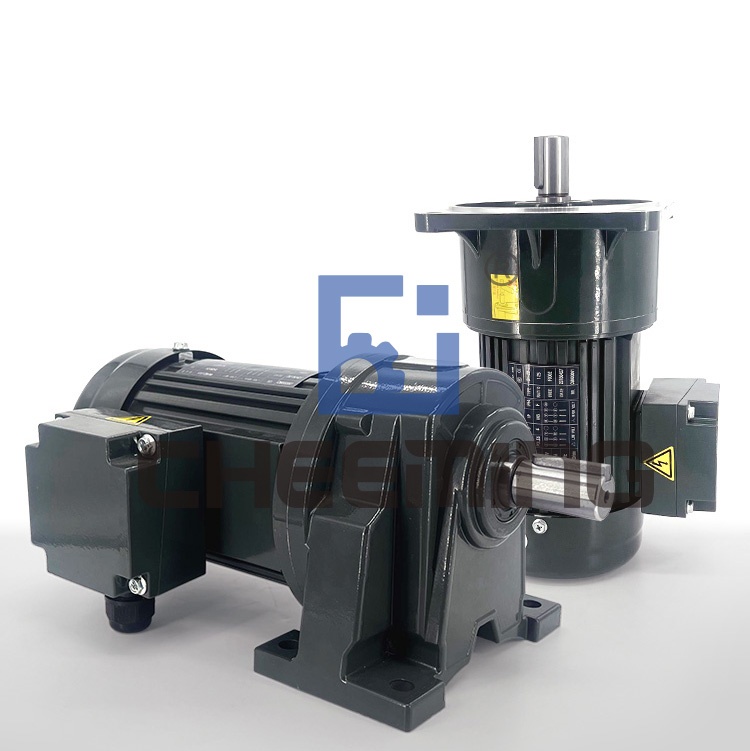
The decision between a vertical and a horizontal motor isn't one-size-fits-all — it comes down to your specific setup. Consider your equipment type, available workspace, stability demands, and installation environment before committing. Always refer to relevant technical specifications and safety standards during both selection and installation to ensure optimal and safe operation.
A powerhouse horizontal shaft engine with push-button electric start, 1.4-inch shaft, and 999cc of raw, reliable performance — built for the toughest multi-purpose applications.