


 Damage
  Loss
Loss  Theft
Theft 


Understanding Negative Pressure Rooms & Why They Matter

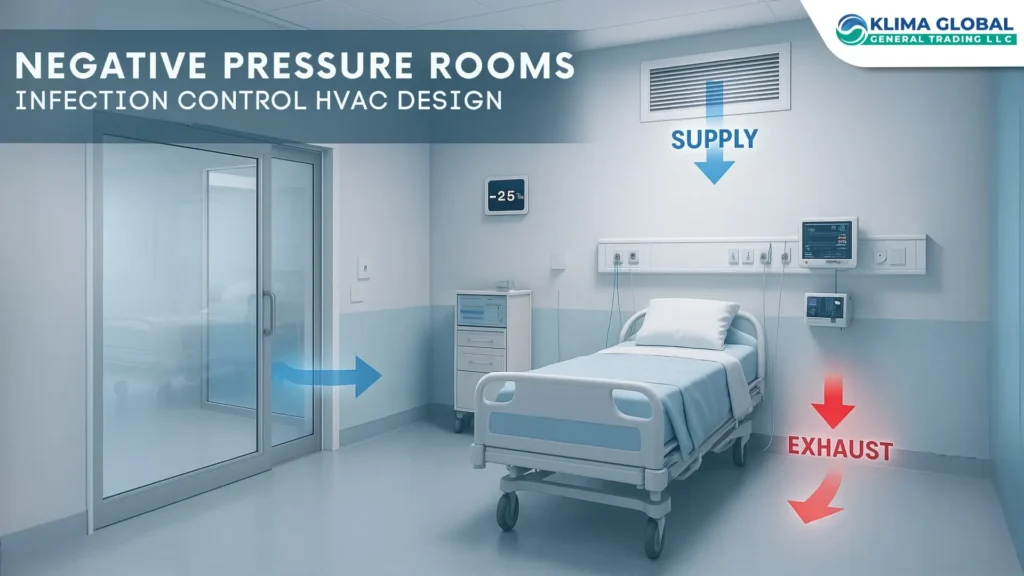
A negative pressure room is a specially engineered space designed to contain airborne particles by maintaining lower air pressure inside the room compared to the surrounding areas. These rooms feature critical barriers — including anteroom vestibules and self-sealing interlocking doors — that work together to ensure contaminated air stays contained and does not escape into adjacent corridors or open environments.
The concept is straightforward yet highly effective: whenever a door opens into the controlled room, air is pulled inward from the cleaner space beyond it. This inward airflow acts as an invisible shield, preventing potentially hazardous particles from drifting outward. The anteroom itself operates under lower pressure relative to the hallway, creating a cascading pressure gradient that adds an extra layer of protection at every transition point.
Key Safety Feature
Every properly designed negative pressure space includes a pressure gauge and alarm system that continuously monitors the differential pressure. If pressurization drops below the required threshold, staff are immediately alerted so corrective action can be taken before any containment breach occurs.
What Does the Anteroom Actually Do?
The anteroom is far more than just a hallway between two doors. It serves as a critical buffer zone engineered to fulfill several essential roles in maintaining environmental safety:
Airflow Control at Entry Points
It manages the movement of contaminated and clean air each time the anteroom door is opened, ensuring the directional flow always moves inward — away from uncontrolled areas.
Pressurization Safeguard
It acts as a physical and atmospheric barrier that helps maintain the negative pressure differential even during high-traffic periods when doors are frequently opened and closed.
Preparation Zone for Protective Gear
Personnel use this controlled space to put on personal protective equipment before entering the isolated area, reducing the risk of cross-contamination during the gowning process.
Core Design Principles for Safe Negative Pressure Environments
Building an effective negative pressure room requires careful planning around two fundamental pillars: clear separation of traffic flows and advanced air handling systems. Every element of the design must prioritize containment reliability above all else.
Traffic Segregation — Clean and contaminated pathways for people, supplies, and waste must be clearly defined and physically separated. This prevents accidental crossover between sterile and non-sterile zones.
Dedicated Air Handling Units (AHUs) — Each zone requires its own separate AHU to supply filtered clean air. A single-pass air conditioning system ensures that air circulated into the controlled space is never recirculated, dramatically reducing contamination risk.
HEPA Filtration at 99.999% Efficiency — The exhaust system incorporates top-tiered High Efficiency Particulate Air filters capable of capturing 99.999% of airborne particles. This represents the gold standard in air purification for controlled environments.
UV Irradiation Treatment — Before exhausted air from the controlled room is released, it passes through both HEPA filtration and ultraviolet irradiation. This dual-stage decontamination process neutralizes biological agents that may have been captured in the airstream, providing an additional line of defense.
Featured Product
Reliable Room Pressure Monitoring
Maintaining consistent negative pressure requires continuous, dependable monitoring. The RPM-RT Series by Abatement Technologies offers real-time pressure differential readings with built-in alarm alerts — giving you confidence that your controlled environment is performing exactly as designed.
RPM-RT Pressure Monitor
Whether you are outfitting a professional workspace, a specialized storage facility, or any environment where airborne containment is essential, understanding how negative pressure rooms function is the first step toward making informed decisions about air quality and safety infrastructure. The right combination of engineered barriers, filtered air handling, and reliable pressure monitoring creates a space you can trust to perform when it matters most.
Explore our full range of air quality and environmental monitoring solutions at Backyard Provider — your source for professional-grade equipment built for real-world performance.