


 Damage
  Loss
Loss  Theft
Theft 


Cigar Humidor Optimal Humidity: Best Levels & Maintenance
Introduction to Optimal Humidity for Cigar Humidors
If you are serious about preserving your cigar collection, humidity management is not something you can afford to overlook. The environment inside your humidor has a direct influence on how your cigars age, how they taste, and how evenly they burn when you finally light one up. Without proper humidity, even the most expensive cigars can become dry, brittle, and flavorless — or worse, overly damp and prone to mold.
Whether you are new to cigar collecting or have been building your collection for years, understanding how to achieve and sustain the right humidity levels is essential. This guide walks you through everything from ideal ranges and measuring tools to seasoning techniques and long-term maintenance strategies.
The standard humidity target for cigar storage is typically between 65% and 72% relative humidity (RH), with 70% being the most popular benchmark.
Selecting a reliable humidification device and calibrating your hygrometer regularly are both critical to maintaining consistent conditions.
Seasonal temperature changes, humidor placement, and the type of humidor you use can all significantly affect internal humidity.
Proper seasoning of a new humidor is a vital first step that should never be rushed or skipped.
Understanding Humidity in a Humidor
The concept of relative humidity (RH) refers to the percentage of moisture present in the air compared to the maximum amount the air could hold at that temperature. In cigar storage, this number is everything. Cigars are hygroscopic, meaning they naturally absorb and release moisture depending on their surroundings. If the air inside your humidor is too dry, your cigars will lose their essential oils and natural moisture content. If it is too humid, you risk mold development and an unpleasant, soggy smoking experience.

The sweet spot most cigar enthusiasts and manufacturers agree upon falls somewhere between 62% and 72% RH. Many seasoned collectors aim for around 65% to 70%, finding that this range delivers the best balance of construction integrity, flavor complexity, and burn consistency. Going above 72% invites mold and beetle infestations, while dropping below 60% causes the wrapper leaf to crack and the overall flavor profile to diminish rapidly.
The Ideal Humidity Range
The widely adopted rule of thumb is the "70/70 rule" — 70% humidity at 70°F (21°C). This has served as the baseline recommendation for decades across the cigar industry. However, personal preference and the specific types of cigars you collect can shift this target. Cuban cigars, for instance, are often stored slightly lower at around 62% to 65% RH, which many aficionados believe enhances their nuanced flavor profiles. Meanwhile, thicker gauge cigars might perform better at slightly higher humidity levels closer to 70%.
It is worth experimenting within the 62% to 72% window to find what works best for your palate and your particular collection. The key is consistency — sudden spikes or drops are far more damaging than a steady level on either end of this range.
Effects of Improper Humidity Levels
Too Low (Below 60%)
Cigars become dry and brittle. The wrapper leaf cracks, essential oils evaporate, flavors turn harsh and one-dimensional, and the burn becomes fast and uneven.
Too High (Above 75%)
Excess moisture encourages mold growth and attracts tobacco beetles. Cigars become spongy, difficult to draw, burn unevenly, and develop musty or bitter off-flavors.
Ideal Range (62%–72%)
Cigars retain their natural oils and complex flavor profiles. The burn is even and slow, the draw is comfortable, and aging occurs gracefully over time.
Tools for Measuring Humidity
To maintain the perfect climate inside your humidor, you need a reliable way to measure it. Simply guessing is a surefire way to end up with ruined cigars. Hygrometers are the instruments designed specifically for this purpose, and they come in two primary categories: digital and analog.
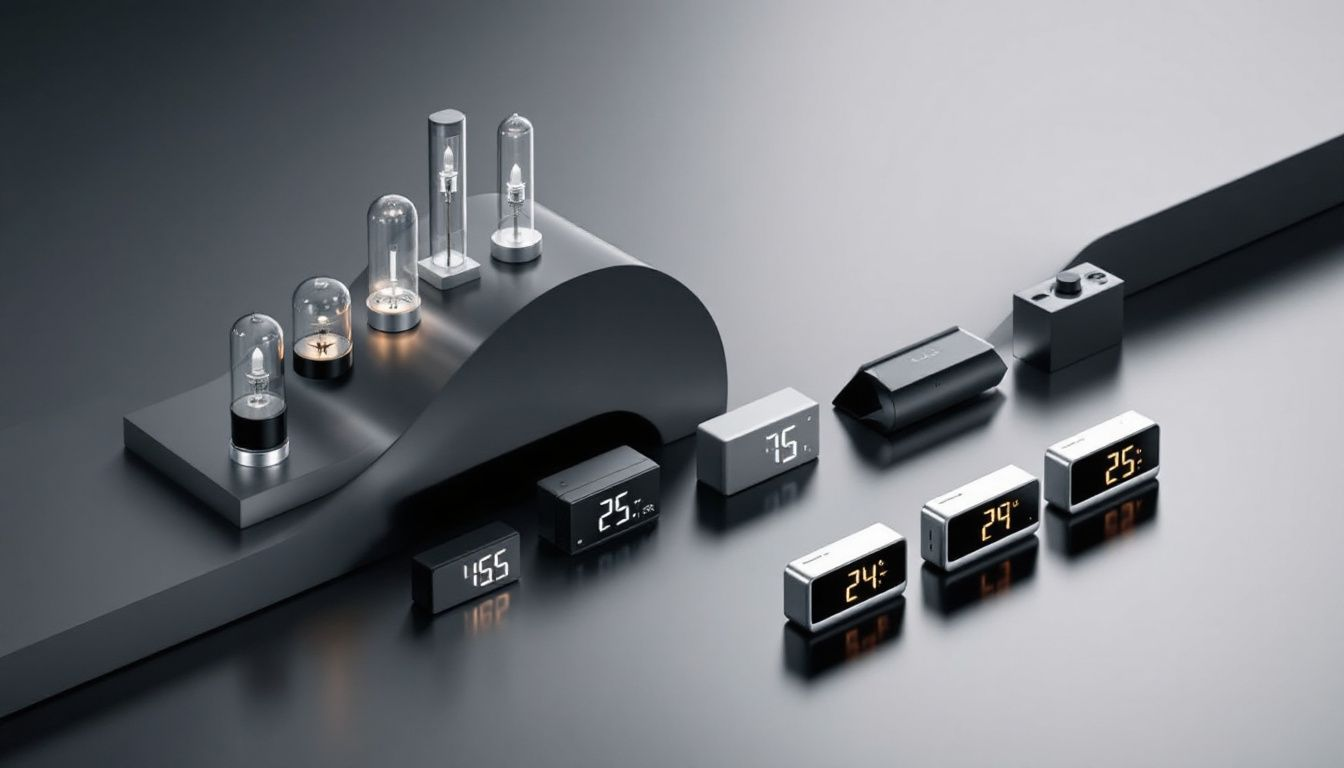
Digital vs. Analog Hygrometers
Analog hygrometers have a classic, vintage look that pairs nicely with traditional wooden humidors. They use a mechanical sensor — usually a spring or hair element — that reacts to moisture in the air. While visually appealing, analog models tend to drift in accuracy over time and require more frequent calibration.
Digital hygrometers are generally the preferred choice among serious collectors. They offer greater accuracy (typically within 1% to 3% RH), display precise readings instantly, and many models include built-in temperature readings. Some advanced units also offer Bluetooth connectivity or data logging features, allowing you to monitor conditions remotely through a smartphone app.
Regardless of which type you select, calibrating your hygrometer at least once every few months is essential for trustworthy readings. The salt test method is a simple and effective calibration technique that any cigar hobbyist can perform at home.
Calibrating Your Hygrometer
The salt test is the most popular calibration method. Place a small amount of table salt in a bottle cap, add just enough water to create a damp paste (without dissolving the salt), and seal both the cap and the hygrometer inside a zip-lock bag. After 6 to 8 hours, the reading should be exactly 75%. If the hygrometer shows a different value, note the offset and adjust your future readings accordingly. Some digital models allow you to manually calibrate the reading directly from the device interface.
Maintaining Humidity Levels
Once you have established an accurate reading, the next challenge is keeping your humidity stable day after day. This is where your choice of humidification system plays a crucial role. There are several proven methods to consider, each with its own advantages depending on your humidor size and lifestyle.
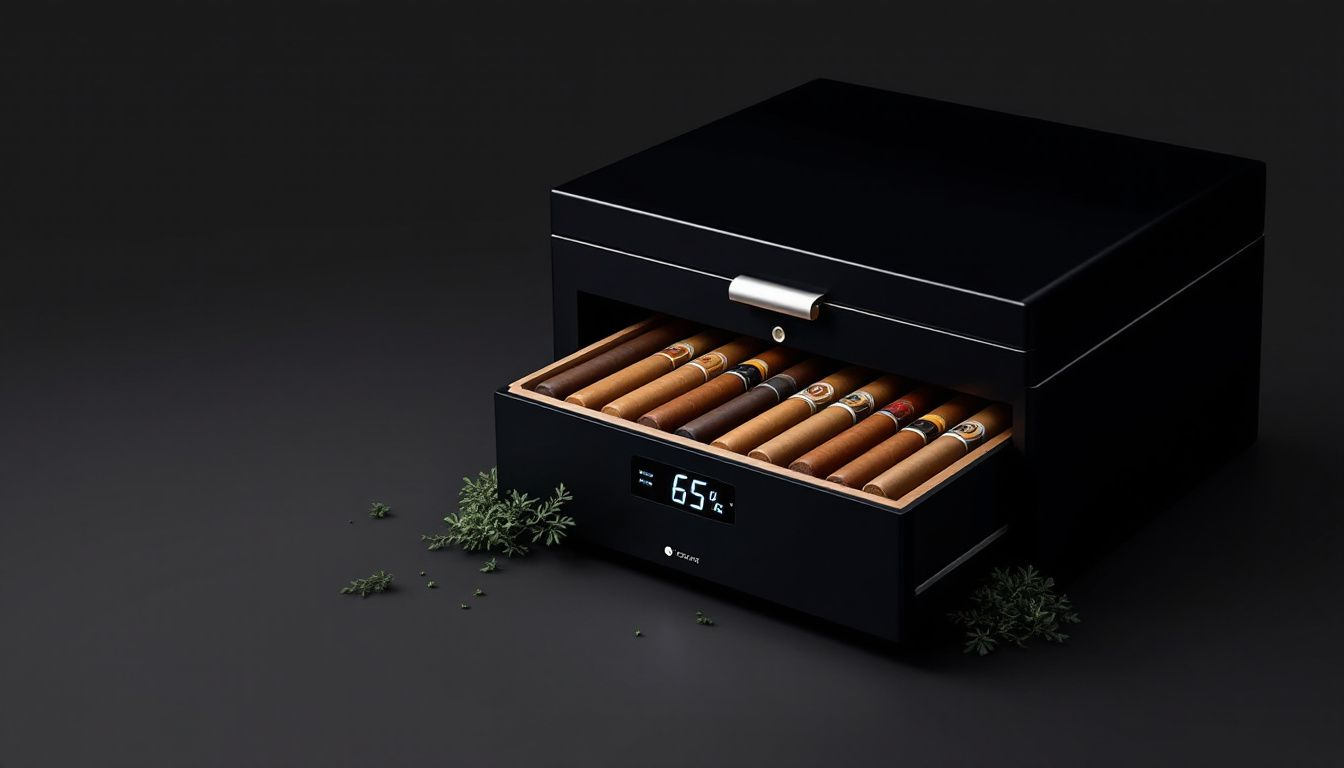
Using Humidification Devices
| Device Type | Best For | Maintenance |
|---|---|---|
| Foam-Based Humidifiers | Small desktop humidors | Refill with distilled water weekly |
| Crystal Gel Humidifiers | Small to mid-size humidors | Refill when crystals shrink; every 2–4 weeks |
| Boveda Packs | All sizes; hands-off convenience | Replace when packs become rigid |
| Electronic Humidifiers | Large cabinets and walk-ins | Refill reservoir; monitor sensor readings |
Foam-based humidifiers are the most basic option and come included with many entry-level humidors. They work by absorbing distilled water and releasing it slowly into the air. While inexpensive, they can be inconsistent and may develop mold or bacteria if not maintained carefully. Crystal gel humidifiers offer improved control and a longer interval between refills. They swell as they absorb water and gradually release humidity back into the humidor environment.
Boveda packs have become extremely popular in recent years for good reason. These pre-calibrated, two-way humidity packs automatically add or remove moisture to maintain a precise RH level (commonly available in 62%, 65%, 69%, and 72% options). They require no setup, no distilled water, and simply need to be replaced when they harden. For larger humidors and cabinet-style units, electronic humidifiers with built-in fans and digital controls provide the most precise and hands-free humidity management available.
Always use distilled water or propylene glycol solution in your humidification devices. Tap water introduces minerals and bacteria that can damage both your humidor and your cigars over time.
Seasoning Your Humidor
Before placing a single cigar inside a new humidor, you absolutely must season it first. This process saturates the Spanish cedar lining with moisture, allowing it to properly regulate humidity going forward. Skipping this step — or rushing through it — is one of the most common mistakes new collectors make, and it almost always leads to frustration and unstable conditions.
How to Season a New Humidor
Begin by wiping down the entire interior (including all removable trays and dividers) with a clean sponge lightly dampened with distilled water. Be thorough but avoid soaking the wood — you want a thin, even layer of moisture across every surface. Next, place a small dish or shot glass of distilled water inside the humidor along with your humidification device, fully charged. Close the lid and walk away.
Allow the humidor to sit undisturbed for 24 to 48 hours, then check the hygrometer reading. If the humidity has not reached the 65% to 72% range, lightly dampen the interior once more and wait another 24 hours. Most humidors take between 2 and 5 days to fully season, depending on size and wood thickness. Once the reading holds steady within your target range for at least 12 consecutive hours, your humidor is ready for cigars.
Afidano Basic Series Cigar Humidor B4
A premium 1,200-cigar capacity humidor built with advanced climate control technology, Spanish cedar lining, and precision humidity management for the serious collector.
Afidano B4 HumidorRegular Maintenance and Monitoring
Owning a humidor is an ongoing commitment, not a set-it-and-forget-it situation. Regularly monitoring conditions and performing basic upkeep ensures that your cigars remain in peak condition for months or even years of aging.
Check your hygrometer readings at least once or twice a week. Top off or replace your humidification source on a consistent schedule — the exact frequency depends on your device type, humidor size, and local climate. Rotate your cigars every few weeks so that those nearest to the humidification source do not absorb more moisture than those further away. Inspect the interior periodically for any signs of mold, which appears as a white or blue-green fuzzy growth (not to be confused with the harmless white crystalline "bloom" or "plume" that occasionally forms on well-aged cigars).
If you discover mold, remove all affected cigars immediately, wipe the humidor interior with a cloth dampened in isopropyl alcohol, and allow it to air out completely before re-seasoning and restocking.
Environmental Factors Affecting Humidity
Even with the perfect humidification setup, outside forces can wreak havoc on your carefully controlled environment. Being aware of these factors and planning accordingly is what separates the casual hobbyist from the dedicated collector.
Temperature Control
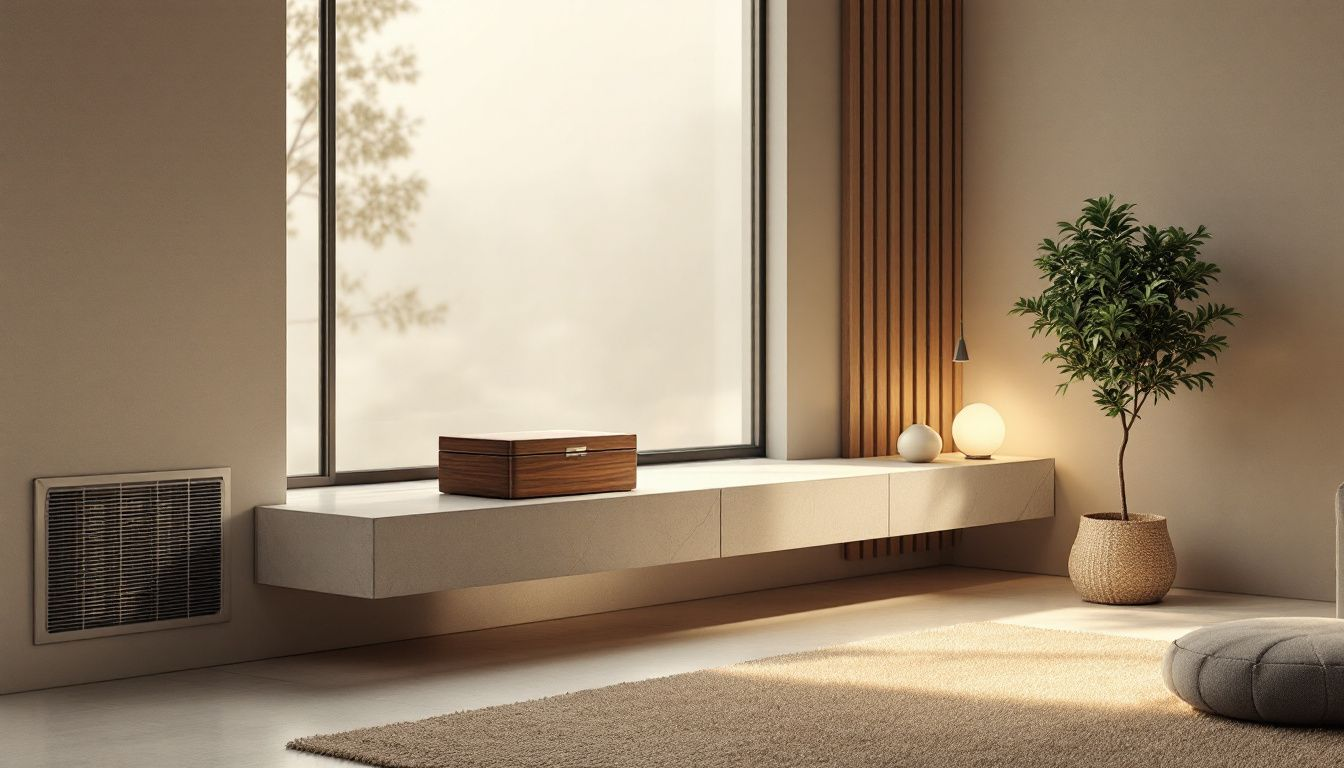
Temperature and humidity share an inverse relationship. As temperatures climb, air can hold more moisture, which can cause your RH readings to fluctuate even when the actual moisture content has not changed. The ideal storage temperature for cigars is between 65°F and 70°F (18°C to 21°C). Avoid placing your humidor near windows, heating vents, fireplaces, or any area subject to direct sunlight or significant temperature swings throughout the day.
Placement of the Humidor
Where you position your humidor in your home matters more than most people realize. A cool, shaded interior room away from exterior walls is generally the best choice. Kitchens, bathrooms, garages, and attics are all poor locations due to their extreme temperature and humidity fluctuations. A dedicated study, closet, or climate-controlled living room typically provides the most stable conditions.
Impact of Air Conditioning and Heating
Central heating and air conditioning systems actively remove moisture from indoor air, which can drastically lower the humidity inside your humidor — particularly during winter months when heating systems run frequently. If you live in a very dry climate or notice your humidification device depleting faster than usual, consider adding supplemental humidification or switching to a more powerful device during those seasons.
Common Humidity Issues and Solutions
Dealing with High Humidity
If your readings consistently exceed 72%, start by removing any excess water from your humidification device. Open the humidor lid for a few minutes to allow fresh air exchange. Check the seal around your humidor lid — if the seal is too tight in a humid environment, moisture can get trapped inside. Consider switching to a lower-rated Boveda pack (such as 62% or 65%) or reducing the number of humidification units inside the box.
Tackling Low Humidity
Persistent low readings are often caused by an improperly seasoned humidor, a faulty seal, or an exhausted humidification source. Verify that the lid closes snugly by performing the dollar bill test — close the lid on a bill and try to pull it out. If it slides easily, the seal is inadequate and the humidor may need new weatherstripping or a replacement gasket. Re-season the interior if the cedar appears dry, and ensure your humidification device is fresh and fully charged.
Ensuring a Proper Seal
A well-sealed humidor is the foundation of stable humidity. Cheap or poorly constructed humidors often have gaps in the lid joint that allow moisture to escape. If you suspect a seal problem, run your fingers around the lid while it is closed and feel for any air leaks. High-quality humidors feature a snug, satisfying closure with minimal gap between the lid and body. If the seal cannot be repaired, it may be time to upgrade to a better-quality unit designed for long-term storage.
Choosing the Right Humidor
Your humidor is not just a storage box — it is the controlled environment that determines whether your cigars improve over time or deteriorate. Investing in a well-built unit from the start saves money, stress, and a lot of wasted cigars in the long run.
Benefits of Spanish Cedar
Spanish cedar is considered the gold standard of humidor interior lining for several important reasons. It naturally absorbs and releases moisture at a slow, even rate, which helps buffer against sudden humidity fluctuations. It contains natural oils that complement and enhance the aging process of premium tobacco. And it has insect-repelling properties that help protect against the dreaded tobacco beetle, one of the most destructive pests a cigar collector can encounter.
Size and Capacity Considerations
As a general guideline, choose a humidor that is at least 25% larger than your current collection. Cigars need room to breathe, and a tightly packed humidor restricts airflow and makes it much harder to maintain even humidity distribution throughout. If you plan on growing your collection over time — and most enthusiasts do — plan for that growth now rather than having to upgrade sooner than expected.
Quality humidors are available in a wide range of configurations, from compact desktop models holding 25 to 50 cigars all the way up to full-size climate-controlled cabinets capable of housing several thousand. For collectors with sizable or growing libraries of cigars, a cabinet-style humidor with electronic climate control offers the most reliable long-term solution.
Summary
Maintaining ideal humidity inside your cigar humidor is essential for preserving the quality and flavor of your entire collection. The recommended range of 62% to 72% relative humidity — with many collectors favoring around 65% to 70% — provides the optimal conditions for cigar aging, burn quality, and taste. Achieving and maintaining these levels requires a dependable hygrometer, an appropriate humidification device matched to your humidor size, and a commitment to regular monitoring and maintenance.
Equally important are the fundamentals: properly seasoning your humidor before use, choosing a unit with quality Spanish cedar lining and a reliable seal, and being mindful of environmental factors such as temperature swings and HVAC systems. By following the practices outlined in this guide, you will ensure that every cigar you store ages gracefully and delivers the full smoking experience it was crafted to provide.