


Irrigation Systems in Indoor Farming: Which One Do You Choose?
A comprehensive guide to selecting the perfect watering system for your indoor garden
Water management stands as one of the most critical factors for successful indoor farming operations. Unlike traditional outdoor agriculture that relies on natural rainfall and seasonal patterns, indoor farming demands precise control over every drop of water delivered to your plants. The irrigation system you select will directly influence plant health, growth rates, resource efficiency, and ultimately your harvest yields.
Modern indoor farming has evolved to include numerous irrigation methodologies, each offering distinct advantages depending on your specific growing conditions, crop selections, and operational scale. From the continuous flow of nutrient film systems to the precision targeting of drip irrigation, understanding these options empowers you to make informed decisions that optimize both plant performance and resource conservation.
Beyond water delivery, these systems also serve as nutrient transport mechanisms, waste reducers, and labor-saving technologies. Selecting the appropriate irrigation approach can dramatically decrease water consumption, minimize disease pressure, and create the ideal growing environment for everything from leafy greens to fruiting vegetables.
Nutrient Film Technique (NFT): A Steady Stream of Growth
The Nutrient Film Technique represents one of the most elegant solutions in hydroponic irrigation. This system operates by maintaining a continuous, shallow stream of nutrient-enriched water that flows directly across the root zone of plants. The roots sit in specially designed channels or gullies where they receive constant access to both water and dissolved nutrients while remaining exposed to adequate oxygen levels.
NFT systems excel in efficiency and resource conservation. The thin film of water requires minimal volume while delivering maximum nutrition directly where plants need it most. This approach virtually eliminates water waste through evaporation or runoff, and the recirculating nature of most NFT setups means unused nutrient solution returns to the reservoir for another pass through the system.
The lightweight construction requirements make NFT ideal for vertical farming installations and space-conscious operations. Plants like lettuce, herbs, and leafy greens thrive particularly well in NFT systems due to their relatively compact root structures and rapid growth cycles. The constant nutrient availability promotes quick establishment and accelerated maturation, allowing for faster harvest rotations and improved productivity per square foot.
Drip Systems: Precision at Its Finest
Drip irrigation stands as one of the most widely adopted watering methods in indoor farming, prized for its exceptional precision and versatility. These systems deliver water and nutrients directly to the base of each plant through a network of tubing and carefully calibrated emitters. Each dripper releases a controlled amount of solution at predetermined intervals, ensuring every plant receives exactly what it needs without excess waste.
The precision control inherent in drip systems makes them particularly valuable for operations growing diverse crop types with varying water requirements. By adjusting emitter flow rates and timing schedules, growers can customize delivery to match the specific needs of different plants even within the same growing space. This adaptability extends to various growing media as well, from rockwool cubes to coconut coir to perlite mixtures.
Scalability represents another significant advantage of drip irrigation. These systems work effectively whether you're nurturing a small hobby greenhouse or managing a commercial-scale production facility. The modular nature of drip components allows for easy expansion, and the relatively low initial investment makes them accessible for growers at every experience level. Maintenance requirements remain manageable, primarily involving periodic checks for clogged emitters and line integrity.
Ebb and Flow Systems: A Versatile and Reliable Choice
Ebb and flow systems, also known as flood and drain irrigation, operate on a beautifully simple yet highly effective principle. The system periodically floods the growing tray with nutrient solution, allowing the growing medium and roots to become fully saturated. After a predetermined soaking period, the solution drains back into a reservoir below, creating a cyclical pattern that mimics natural wet and dry periods.
This flood-and-drain cycle delivers remarkable benefits for root health and oxygen availability. When the solution drains away, fresh air rushes in to fill the void spaces in the growing medium, providing roots with the oxygen they need for robust metabolic function. The periodic flooding ensures complete nutrient distribution while the drainage prevents waterlogging and the associated problems of root rot and anaerobic conditions.
Ebb and flow systems accommodate an impressive range of growing media and container types, from individual pots to large shared trays. This flexibility makes them excellent choices for growers who want to experiment with different crops or growing techniques. The straightforward mechanical operation also means fewer components that can fail, and troubleshooting any issues that do arise remains relatively simple compared to more complex systems.
Deep Water Culture (DWC) with a Shallow Water Combination
Deep Water Culture represents one of the purest forms of hydroponic growing, suspending plant roots directly in a well-oxygenated nutrient solution. In DWC systems, plants sit in net pots positioned in the lid of a reservoir, with their roots dangling freely into the nutrient bath below. Air stones or diffusers continuously pump oxygen into the solution, creating a highly aerated environment that promotes explosive root development.
The constant immersion approach strikes an optimal balance between water availability and oxygen exposure when properly managed. Plants never experience drought stress because their roots maintain permanent contact with the nutrient solution. Meanwhile, the aggressive aeration prevents the stagnation that would otherwise lead to oxygen depletion and root suffocation. This combination creates conditions for remarkably rapid vegetative growth.
DWC systems require vigilant attention to maintaining proper oxygenation levels and nutrient concentrations. Air pumps must run continuously, and solution temperature needs monitoring since warmer water holds less dissolved oxygen. Despite these considerations, many growers find DWC delivers exceptional results for fast-growing crops like lettuce and herbs, with root masses that can become truly impressive in size and density.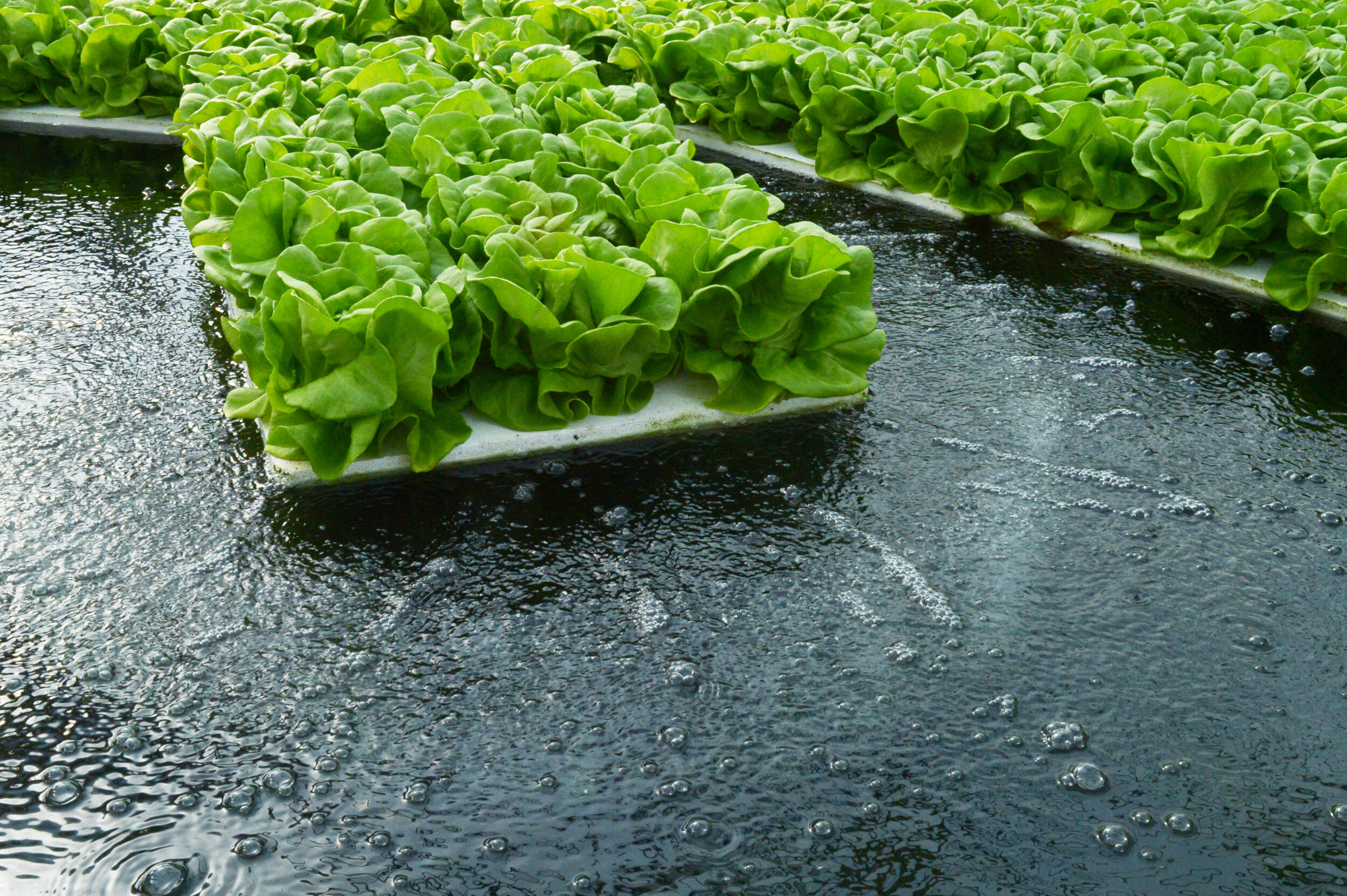
Mist Irrigation: Aeroponics for the Future
Aeroponic systems represent the cutting edge of irrigation technology, delivering water and nutrients as a fine mist directly to suspended root systems. In these setups, plant roots hang freely in an enclosed chamber where high-pressure nozzles periodically spray them with atomized nutrient solution. The mist particles are small enough to coat root surfaces thoroughly while leaving ample air space for maximum oxygen absorption.
The efficiency gains from aeroponics can be extraordinary. Because roots receive nutrients in such a highly available form, plants often grow significantly faster than in other hydroponic methods. Water usage drops dramatically since the misting approach requires far less volume than flooding or continuous flow systems. Some aeroponic operations report using up to ninety percent less water than traditional soil-based cultivation.
However, aeroponics demands more technical sophistication and careful monitoring than simpler irrigation methods. The misting nozzles must remain clean and properly calibrated, and any system failure means roots can dry out rapidly without the buffer of growing media or standing solution. For growers willing to invest in the technology and maintain diligent oversight, aeroponics offers unparalleled growth rates and resource efficiency.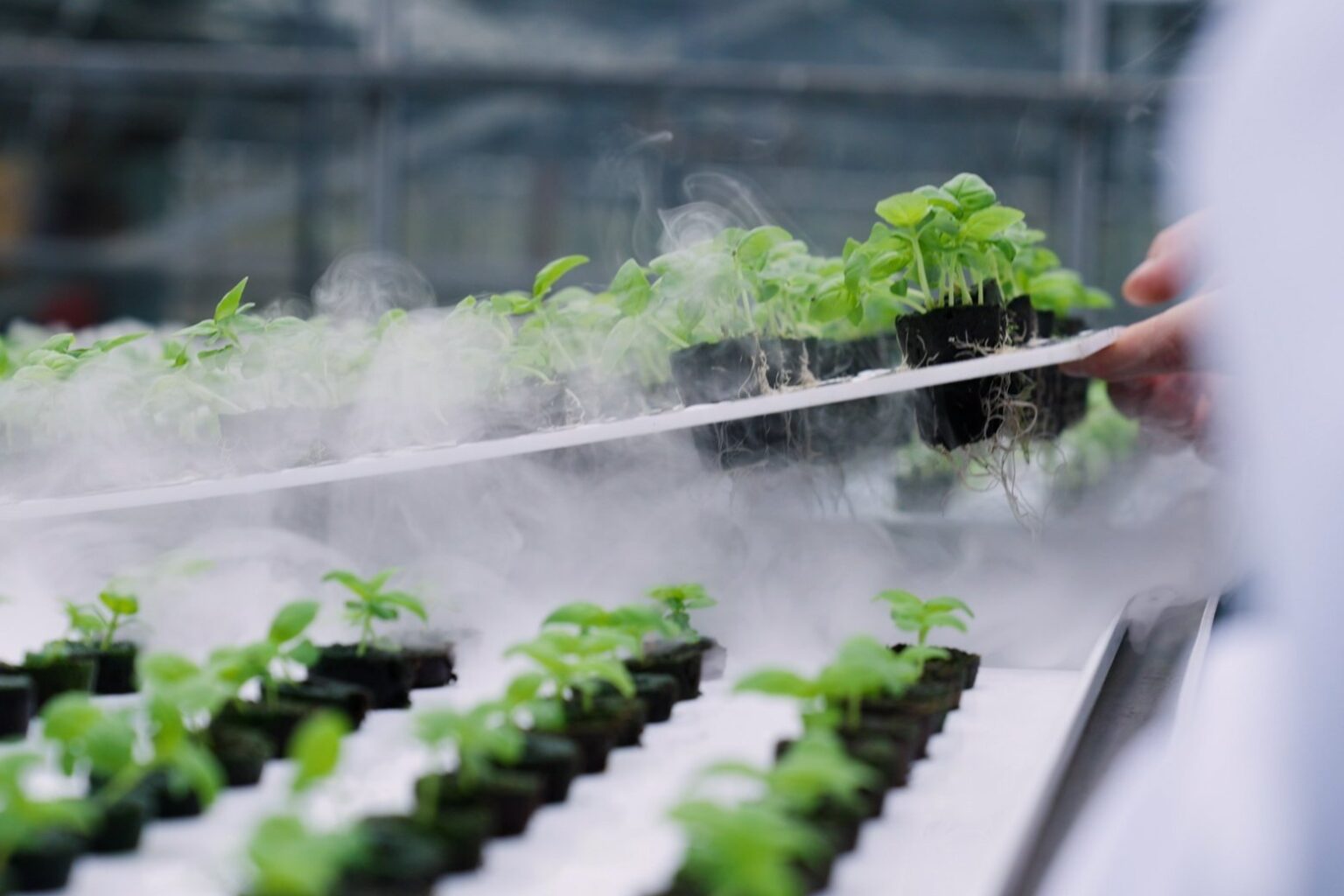
Overhead Spray Beams: Large-Scale Uniformity
Overhead spray systems bring the familiar concept of sprinkler irrigation into controlled indoor environments, adapted specifically for the unique requirements of covered growing spaces. These systems mount spray heads above the plant canopy, distributing water and nutrients across broad areas with each irrigation cycle. The approach works particularly well for large-scale operations growing uniform crops that benefit from consistent top-down moisture application.
The primary advantage of overhead systems lies in their ability to cover substantial growing areas with relatively simple infrastructure. A single spray beam can irrigate many plants simultaneously, reducing the complexity of routing individual supply lines to each growing location. This makes overhead irrigation especially attractive for propagation facilities, microgreen production, and other applications where dense plantings of similar crops dominate the growing space.
Considerations for overhead systems include potential issues with foliar diseases if leaves remain wet for extended periods, and less precision in water delivery compared to root-zone targeted methods. Careful scheduling and adequate air circulation can mitigate disease concerns, while proper nozzle selection and pressure management help ensure even distribution across the entire spray pattern.
Choosing the Right Irrigation System for Your Indoor Farm
Selecting the optimal irrigation system requires careful evaluation of multiple factors specific to your growing operation. Consider the types of crops you plan to cultivate, as different plants have vastly different water and nutrient requirements. Leafy greens might thrive in NFT channels while fruiting vegetables may perform better with drip irrigation or ebb and flow systems that accommodate larger root masses and heavier plants.
Scale and budget constraints also play crucial roles in system selection. Small hobby operations might find deep water culture or simple ebb and flow setups perfectly adequate, while commercial facilities may need the scalability and automation capabilities of drip systems or the efficiency of aeroponics. Initial investment costs must be weighed against long-term operational expenses including water usage, nutrient consumption, and maintenance requirements.
Your available time and technical expertise should influence your decision as well. Some systems demand more frequent monitoring and adjustment than others. If you're just beginning your indoor farming journey, starting with a more forgiving system like ebb and flow allows you to learn fundamental principles before progressing to more demanding methods like aeroponics.
At BACKYARD PROVIDER, we offer carefully selected irrigation equipment designed to support indoor farmers at every level of experience. Whether you're establishing your first hydroponic garden or upgrading an existing operation, the right irrigation system forms the foundation for healthy plants and bountiful harvests. Explore our selection to find the perfect match for your growing goals and take your indoor farming to the next level.
Ready to start your indoor farming journey with a reliable irrigation system?
AirCube Ebb & Flow System - 6 Site