


 Damage
  Loss
Loss  Theft
Theft 


Essential Guide to Tow Floats and Swim Buoys for Open Water Safety
Discover the critical safety equipment every open water swimmer needs to stay visible and secure
Open water swimming continues to grow in popularity as more enthusiasts seek the thrill of natural aquatic environments. Whether you're training for a triathlon, enjoying a leisurely lake swim, or exploring coastal waters, personal safety equipment isn't just recommended—it's essential. Tow floats and swim buoys have become indispensable companions for swimmers who venture beyond the safety of pools and supervised beaches. These innovative devices provide visibility, emergency flotation, and peace of mind for anyone who loves open water swimming.
The importance of being seen cannot be overstated when swimming in open water. Boats, jet skis, and other watercraft share these spaces, and a swimmer's head is remarkably difficult to spot from a distance. A brightly colored tow float solves this problem while offering additional benefits that enhance your swimming experience and potentially save your life.
Understanding Swim Safety Equipment
Before selecting your safety equipment, it's helpful to understand what makes each type unique and how they function in real swimming conditions.
Lighter Tow Floats
These streamlined models are perfect for swimmers focused on maintaining speed and technique. Lighter tow floats create minimal drag as they glide behind you, making them ideal for training sessions and competitive preparation. Don't let their compact size fool you—these devices still provide excellent visibility to passing vessels and can support emergency rest stops if needed.
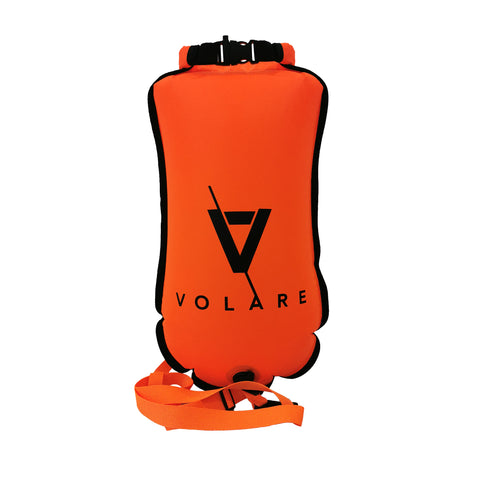
DURABILITY: Constructed from puncture-resistant materials that withstand rocks, coral, and sharp objects while maintaining their bright safety colors over seasons of use.
CONVENIENCE: Most models include secure clips and easily adjustable waist straps that won't interfere with your stroke. Internal dry compartments keep essentials like keys and identification protected.
CAPACITY: Despite their lighter profile, these floats typically measure between 15 to 20 liters in volume. This capacity provides adequate buoyancy for emergency situations while keeping drag to an absolute minimum during normal swimming.
VISIBILITY: The bright fluorescent colors—typically safety orange or high-visibility yellow—ensure you remain conspicuous to boats, paddlers, and shore-based observers even in challenging light conditions.
What makes a quality tow float?
- Reliable inflation valve systems that seal completely and resist accidental air loss during vigorous swimming sessions
- Comfortable waist belts designed with quick-release mechanisms for emergency situations while remaining secure during normal use
- Waterproof internal storage compartments with dependable closure systems to protect valuables from water damage
- Reflective strips or patches that enhance visibility during dawn, dusk, or overcast conditions when natural light is reduced
- Tow lines of appropriate length—typically between 6 to 8 feet—that keep the float visible without tangling with your swimming motion
Premium Inflatable Tow Floats
Selecting the appropriate float comes down to understanding your specific swimming requirements. Premium inflatable models deliver exceptional safety features for extended open water adventures. These floats provide enhanced visibility with their larger surface area, making them unmissable to watercraft operators even at considerable distances. Many serious swimmers and triathletes prefer these models because they offer both superior safety margins and practical storage capacity without significantly compromising swimming performance.
The additional buoyancy proves invaluable during longer swims when fatigue becomes a factor. Rather than struggling to shore or waiting for assistance while treading water, you can simply rest against your float, conserve energy, and continue when ready. This capability transforms intimidating distances into achievable goals and encourages swimmers to explore further with confidence.
Swim Buoys for Enhanced Safety
Swim buoys represent a category specifically engineered for maximum visibility in challenging conditions. Unlike standard tow floats, these devices feature increased volume and surface area, typically ranging from 20 to 28 liters. Their larger profile makes them impossible to overlook, providing an extra safety margin in busy waterways or areas with significant boat traffic.
The design philosophy behind swim buoys prioritizes conspicuousness above all else. When your swim plans take you across shipping channels, near fishing areas, or through recreational boating zones, the enhanced visibility these buoys provide becomes absolutely critical. They transform you from a nearly invisible target into an obvious presence that watercraft operators can spot and avoid from safe distances.
Many swim buoys incorporate additional features that serious open water enthusiasts appreciate. Attachment points for safety lights extend your swimming window into twilight hours. Some models include emergency whistles, flag holders, or even shark deterrent mounting options for those swimming in relevant environments. These thoughtful additions transform a simple safety device into a comprehensive open water swimming system.
Open Water Swim Buoy Options
Dedicated swim buoys bring specialized capabilities to serious open water swimmers. These purpose-built devices function as floating support stations during extended swims in lakes, oceans, and rivers. The generous internal capacity accommodates everything from nutrition and hydration to emergency communication devices and first aid supplies. For swimmers tackling impressive distances or exploring remote locations, this storage capacity provides genuine peace of mind.
The stability these buoys offer during rest breaks distinguishes them from lighter alternatives. Rather than awkwardly clutching a small float, you can comfortably lean against a swim buoy's substantial surface, take proper rest breaks, consume nutrition, and prepare for the next segment of your swim. This capability becomes increasingly valuable as distances extend and conditions become more demanding.
Modern swim buoys incorporate intelligent design features that address common open water challenges. Reinforced valve systems prevent accidental deflation. Heavy-duty tow lines resist abrasion from rocks and debris. Multiple grab handles positioned around the buoy enable easy recovery if you become separated. These refinements represent years of feedback from swimmers who depend on their equipment in serious conditions.

Safety-Focused Swim Buoy Designs
Safety-oriented buoy designs push visibility and emergency preparedness to maximum levels. These models typically feature the brightest possible colors combined with extensive reflective paneling that catches light from any angle. Some incorporate integrated strobe light systems that flash continuously, making nighttime or low-visibility swimming significantly safer. For swimmers who train early morning, late evening, or in frequently overcast conditions, these enhanced visibility features prove invaluable.
The flotation capacity of safety-focused buoys often exceeds 30 liters, providing substantial emergency support should exhaustion, cramping, or medical issues arise during a swim. This generous buoyancy allows even panicked or injured swimmers to rest safely while awaiting assistance. Many models include dedicated emergency equipment attachment points for items like personal locator beacons, VHF radios, or satellite messengers—essential gear for truly remote open water swimming.
Construction quality separates premium safety buoys from basic alternatives. Multiple air chambers ensure that even if one chamber fails, remaining compartments maintain adequate flotation. Heavy-duty fabrics resist punctures and abrasions that would compromise lesser equipment. Industrial-grade buckles and straps withstand the repeated stress of regular use without failure. When your safety genuinely depends on your equipment, these quality differences matter enormously.

Triathlon-Specific Swim Buoys
Triathletes face unique challenges that demand specialized equipment solutions. Training for open water swim segments requires logging substantial distances in realistic conditions, often solo or in small groups. Triathlon-specific buoys balance the visibility and safety features essential for training with the minimal drag necessary to maintain race-pace swimming speeds. These optimized designs allow athletes to train effectively while remaining protected.
Many triathlon buoys incorporate aerodynamic shaping that reduces water resistance as the float tracks behind you. Specialized tow line attachment systems minimize lateral movement, keeping the buoy directly in your wake rather than wandering side to side. For athletes monitoring split times and maintaining specific pace ranges, these refinements eliminate one more variable that could affect training data quality.
The storage capabilities prove particularly valuable for triathletes who combine open water swim training with running or cycling sessions. Secure compartments accommodate transition gear, nutrition, identification, and communication devices. This versatility enables point-to-point training routes where starting and finishing locations differ—expanding training options and keeping workouts interesting and challenging.

Tow Float Solutions for Swimming
Selecting appropriate tow float equipment ultimately depends on matching features to your specific swimming style and typical conditions. Recreational swimmers enjoying occasional lake or ocean dips require different capabilities than athletes logging dozens of weekly training miles. Consider where you swim most frequently—busy harbors demand maximum visibility while remote wilderness locations prioritize emergency flotation and supply storage.
Distance swimmers should prioritize buoyancy capacity and comfortable rest positions. Sprint swimmers and technique-focused athletes benefit from minimal-drag designs that won't interfere with stroke refinement. Group swimmers might coordinate colors for easy identification of individual team members. Solo adventure swimmers need comprehensive emergency equipment storage and extended visibility features.
Climate and seasonal variations also influence optimal equipment selection. Cold water swimming in drysuits creates different tow line attachment challenges than warm water swimming in minimal suits. Rough water conditions demand more secure flotation than calm protected bays. Thoughtfully matching your equipment to your specific circumstances ensures you get maximum benefit from your investment while maintaining appropriate safety margins.
Inflatable Swim Buoy Technology
Modern inflatable buoys incorporate advanced materials and construction techniques that previous generations never imagined. High-performance fabrics combine lightweight portability with exceptional durability and puncture resistance. These materials maintain their bright safety colors despite prolonged exposure to sunlight, saltwater, and abrasion. The reliability modern swimmers enjoy results from continuous refinement based on real-world testing in demanding conditions.
Valve technology has evolved dramatically, with current designs offering tool-free inflation and deflation while maintaining perfect air-tight seals during use. Quick-inflate capabilities mean you can prepare your equipment in seconds rather than minutes. When your swim concludes, rapid deflation and compact folding make storage and transportation effortless. This convenience encourages regular use rather than leaving equipment at home due to hassle factors.
The integration of reflective materials and mounting points for electronic safety devices represents thoughtful evolution in response to swimmer needs. As open water swimming continues growing in popularity, manufacturers collaborate with experienced swimmers and safety experts to develop increasingly sophisticated solutions. This ongoing innovation ensures that tomorrow's safety equipment will offer even better protection and functionality than today's already impressive options.
Open Water Tow Float Features
Comprehensive understanding of available features helps swimmers make informed equipment decisions. Premium tow floats offer adjustable tow line lengths, allowing customization for different swimming styles and preferences. Some swimmers prefer their float tracking closely behind them while others appreciate extra separation. Quick-adjust systems enable on-the-water modifications without interrupting your swim.
Waist belt comfort deserves careful consideration since this component contacts your body throughout every swim. Padded belts prevent chafing during extended swimming sessions. Width distribution affects whether the belt stays positioned or migrates uncomfortably. Quick-release buckles provide security during normal swimming while enabling instant separation in emergency scenarios—a critical safety feature that every swimmer should verify before purchase.
Internal organization systems vary significantly between models. Simple single-compartment designs offer maximum storage volume but require packing discipline to keep items from shifting. Multi-compartment layouts provide dedicated spaces for different gear categories, making items easier to locate when needed. Waterproof phone pouches with touch-screen-compatible windows enable navigation or emergency communication without exposing devices to water damage.
Swim Safety Buoy Performance
Real-world performance ultimately determines equipment value regardless of impressive specifications or marketing claims. Quality swim safety buoys maintain consistent performance across diverse conditions—from glassy calm morning swims to challenging afternoon chop. The materials and construction must withstand not just occasional recreational use but the rigorous demands of serious training schedules spanning months and years.
Experienced swimmers develop preferences based on accumulated experience with different equipment. Some prioritize absolute minimal drag for race-simulation training while accepting slightly reduced buoyancy. Others emphasize maximum emergency flotation even if it means accepting marginally increased resistance. Neither approach is inherently superior—the optimal choice depends entirely on individual priorities, swimming objectives, and typical environments.
Testing equipment in controlled conditions before depending on it in challenging situations represents prudent risk management. Verify that your float inflates completely and maintains pressure throughout extended swims. Confirm that the waist belt remains comfortable and secure across various swimming intensities. Practice accessing internal storage while floating to ensure you can reach essential items when needed. This preparation builds confidence and identifies potential issues while consequences remain minimal.
Enhance Your Open Water Swimming Safety
Discover premium aquatic equipment designed to maximize your safety and enjoyment during every open water adventure. Our carefully selected safety solutions provide the visibility, flotation, and peace of mind that transform good swims into great experiences.
Aquaglide Ocean PoolMaking Your Safety Equipment Decision
Choosing appropriate swim safety equipment represents an investment in your long-term swimming enjoyment and security. Rather than selecting the cheapest available option, consider how the equipment will perform during thousands of swimming strokes across hundreds of hours in varied conditions. Quality equipment maintains its performance and appearance far longer than economy alternatives, ultimately providing better value despite higher initial costs.
Consider your progression as a swimmer when evaluating options. Beginning open water swimmers might start with basic visibility floats as they develop confidence and technique. As skills and ambitions grow, upgrading to more capable equipment supports increasingly challenging swimming objectives. Many swimmers eventually own multiple devices optimized for different purposes—race training, long-distance adventures, cold water swimming, or group swims with varying experience levels.
Community recommendations provide valuable insights but remember that optimal equipment varies based on individual factors. Body size affects how different floats track and whether waist belts fit comfortably. Swimming speed influences drag perception. Personal risk tolerance determines necessary visibility and flotation margins. Use community input as a starting point for your research rather than the final decision factor.
Maintaining Your Safety Equipment
Proper maintenance extends equipment life and ensures reliable performance when you need it most. Rinse your float with fresh water after each use, especially following saltwater swims where residual salt can degrade materials over time. Allow complete drying before storage to prevent mildew growth in enclosed compartments. Periodic inspection of valves, seams, and attachment points identifies developing issues before they become failures.
Store deflated floats away from direct sunlight and extreme temperatures that accelerate material degradation. Avoid placing heavy objects on stored floats that might create permanent creases or stress points. Before each swimming season begins, conduct thorough equipment inspection including full inflation and submersion testing to verify continued waterproof integrity.
Replace equipment showing significant wear before reliability becomes questionable. Faded colors reduce visibility effectiveness. Stretched or frayed waist straps compromise security. Slow leaks indicate valve or seam deterioration. While quality equipment lasts for years with proper care, recognizing when replacement becomes necessary protects your safety investment and maintains the protection these devices provide.
Open water swimming offers unparalleled freedom and connection with natural environments. Tow floats and swim buoys transform this activity from potentially dangerous to safely enjoyable, enabling swimmers of all abilities to explore with confidence. The visibility these devices provide protects you from watercraft. The emergency flotation supports you during unexpected difficulties. The storage capacity enables extended adventures carrying essential supplies.
Selecting appropriate safety equipment represents one of the most important decisions open water swimmers make. Understanding available options, matching features to your specific needs, and investing in quality construction ensures you get maximum benefit from your equipment. Whether you're beginning your open water swimming journey or expanding already extensive experience, the right tow float or swim buoy becomes an indispensable companion that enhances every aquatic adventure.
Make visibility and safety your priorities, choose equipment that matches your swimming style, and enjoy the remarkable experiences that open water swimming provides with the confidence that comes from proper preparation and quality safety equipment.