


 Damage
  Loss
Loss  Theft
Theft 


How to Choose the Best Inflatable Pool Floats for Your Need
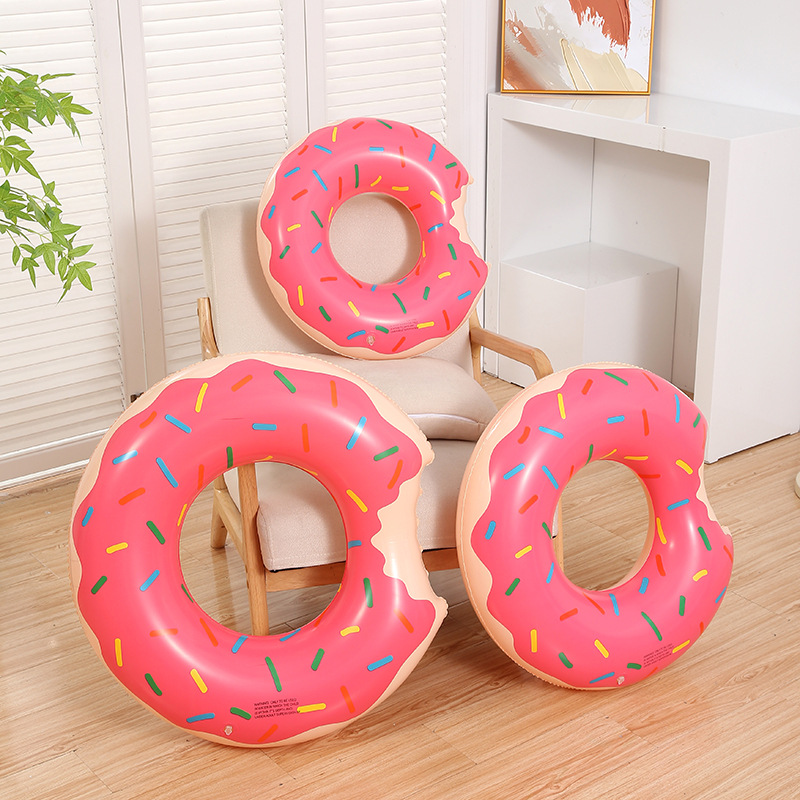
When selecting inflatable pool floats, focus on durability, load capacity, design, and user suitability — whether the float is intended for children, adults, or groups. Opt for models crafted from puncture-resistant PVC or vinyl with reinforced seams, as these materials last longer and hold air more reliably. For family settings, consider multi-chamber designs that maintain buoyancy even if one section develops a leak. Always verify the manufacturer's listed size, weight limit, and age recommendations before purchasing. Steer clear of bargain-basement options with paper-thin walls — they are far more likely to develop leaks and break down under sun exposure.
A Quick Introduction
Pool floats have come a long way from the basic rubber rings of decades past. Today, they span everything from simple tubes to elaborate themed loungers and full-sized social rafts. They deliver comfort, entertainment, and relaxation for just about any outdoor water setting. Whether you need a single rider for lazy afternoons, a couples' float for romantic evenings, or a playful animal-shaped option for the kids, understanding the key selection criteria ensures you get real satisfaction and lasting value from your purchase.
This guide walks you through everything you should know about choosing quality inflatable pool floats — covering performance, safety, and the specific needs of different users.
What Are Inflatable Pool Floats?
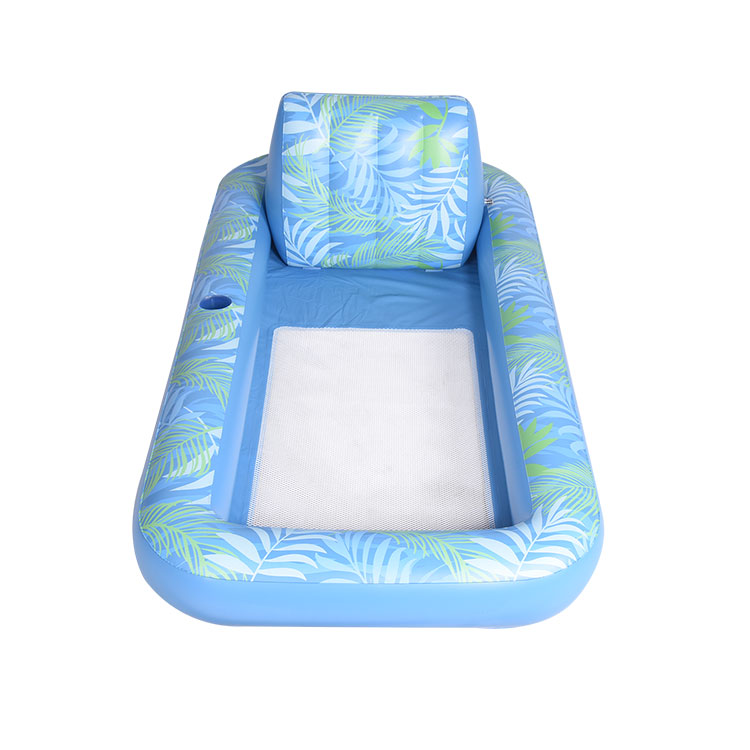
Inflatable pool floats are air-filled recreational accessories built for use in swimming pools, lakes, and calm shoreline areas. They are generally made from flexible plastics such as PVC (polyvinyl chloride) or vinyl and come in an enormous range of shapes and sizes — from classic ring floats to oversized swan loungers and floating beverage stations. It is important to note that these products are designed for leisure and buoyancy support in controlled environments, not for open-water rescue or extended deep-water use.
Common uses include relaxing in backyard pools, livening up pool parties, keeping children entertained, and even serving as eye-catching props for social media photos. Their lightweight build and portability make them perfect for seasonal use, easy storage, and travel. Although they are closely associated with summertime fun, how well they actually perform depends on material quality, proper inflation, and following basic safety guidelines.
Why Inflatable Pool Floats Are More Popular Than Ever
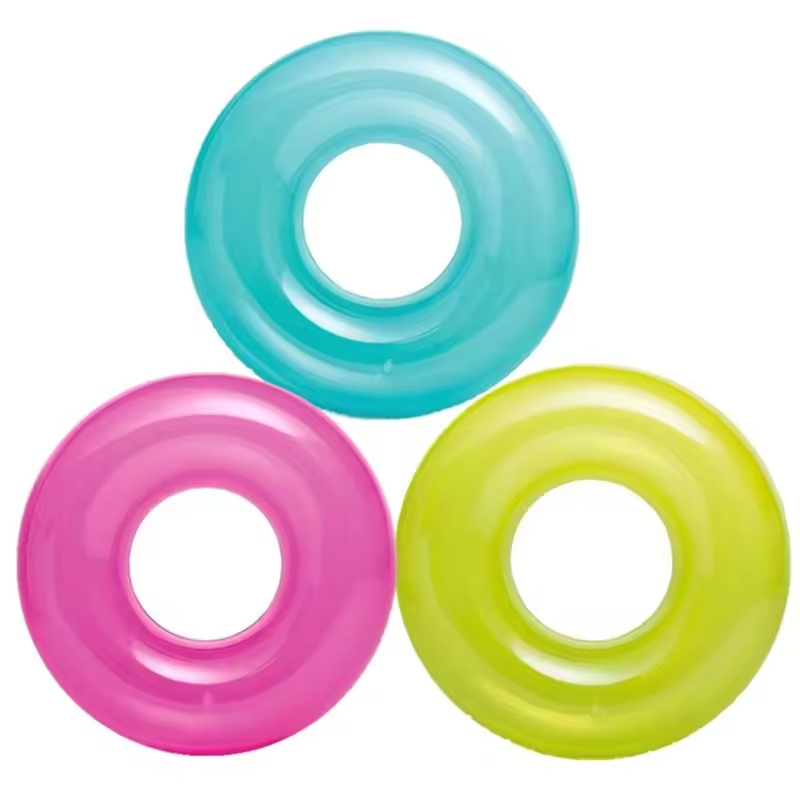
The surge in pool float popularity can be traced to several cultural and lifestyle shifts. The staycation trend has led homeowners to invest more heavily in backyard amenities that elevate at-home leisure. A distinctive, well-designed float has the power to turn an ordinary pool into something that feels like a resort getaway.
Social media has played a major role as well. Platforms like Instagram and TikTok showcase endless streams of creative pool float content — unicorns, flamingos, pizza slices, and more — fueling demand for novelty and visual appeal. On top of that, manufacturers now produce premium-tier floats featuring stronger structural integrity, UV-resistant coatings, and ergonomic shapes that outlast and outperform the flimsy options of years past.
Inclusivity is another driving factor. Modern inflatable floats cater to every age group and body type, from toddler-sized designs with built-in safety harnesses to oversized adult loungers rated for over 300 pounds. With consumers looking for affordable ways to enjoy outdoor recreation, inflatable floats remain a low-cost, high-impact option for just about everyone.
Types and Variants
Knowing the different categories of inflatable pool floats helps you narrow your choices based on how you plan to use them:
1. Ring Floats (Standard & Oversized)
Pros: Lightweight, budget-friendly, simple to store, great for kids and teens.
Cons: Limited comfort, minimal back support, less stable in deeper water.
Best for casual splashing and games. Classic rings are timeless but lack luxury features.
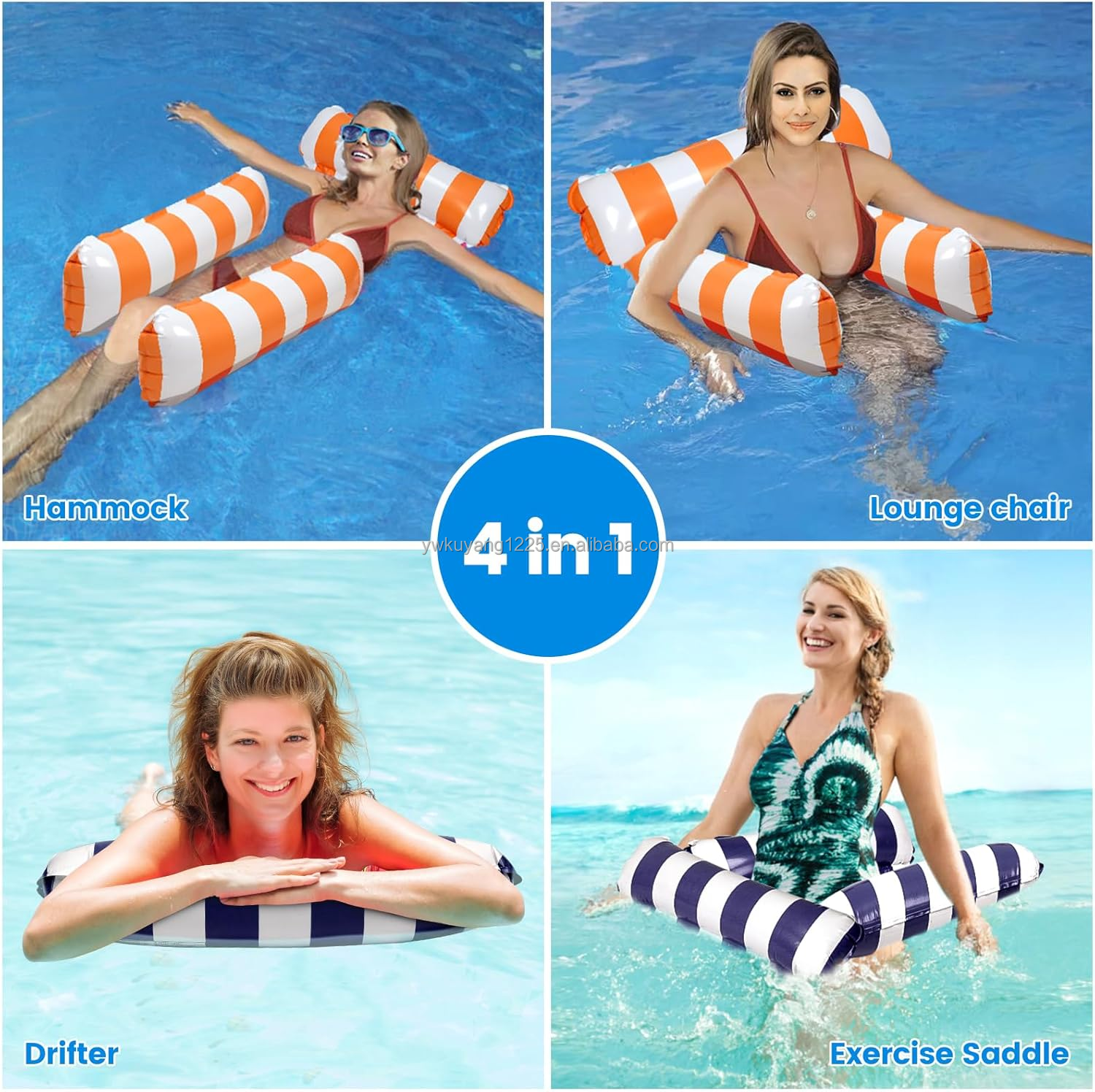
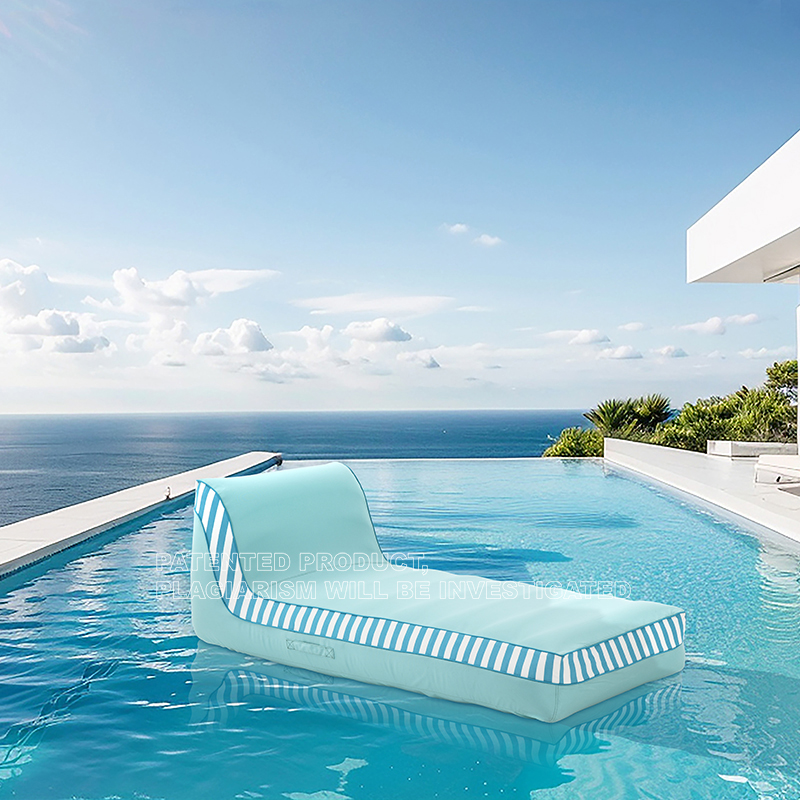
2. Lounge Floats (Single & Double)
Pros: Ergonomic shape, headrests, armrests, ideal comfort for extended floating sessions.
Cons: Bulkier to inflate and store, typically at a higher price point.
Perfect for adults seeking relaxation. Some models feature cup holders or built-in shade canopies.
3. Themed & Novelty Floats (Animals, Food Shapes, Characters)
Pros: Fun visual appeal, popular for parties and photography.
Cons: Complex shapes can reduce durability and may compromise stability.
Great for short-term enjoyment but not always practical for everyday use.
4. Floating Islands & Rafts (Multi-Person)
Pros: Accommodate multiple users, outstanding for group gatherings.
Cons: Need large pools, take longer to inflate, heavier to maneuver.
Popular at resorts and in large residential pools. Look for reinforced chambers and non-slip surfaces.
5. Kids' Floats with Safety Features
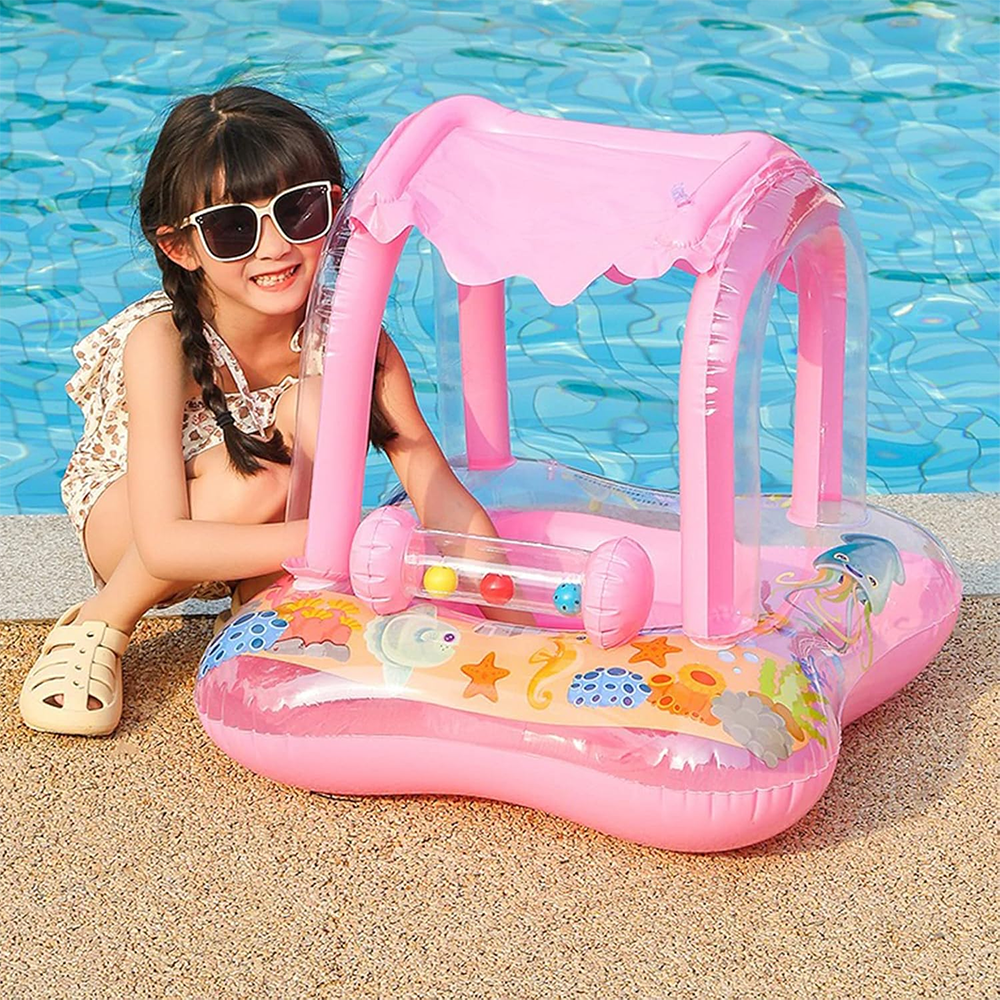
Pros: Include seat belts, lower center of gravity, compact dimensions.
Cons: Not suitable for older children or adults.
Engineered specifically for younger swimmers who still require close supervision near water.
Key Features and Specifications to Evaluate
When evaluating inflatable pool floats, keep these technical and functional considerations in mind:
Material Quality
High-density PVC or triple-layered vinyl withstands punctures and UV rays. Steer clear of thin, single-layer plastics.
Seam Construction
Heat-welded or double-stitched seams last far longer than glued joints, which degrade faster from sunlight and chlorine.
Weight Capacity
Always check maximum load ratings. Going over the limit raises the risk of bursting. Most loungers support 200 to 400 lbs.
Chamber Design
Multi-chamber models offer backup buoyancy if one section leaks — an important safety consideration.
Valve Type
Twist-lock valves prevent accidental deflation. Spring-loaded valves allow quicker inflation and deflation cycles.
Dimensions
Measure your pool area before purchasing oversized floats. Leave at least two feet of clearance from walls and ladders.
UV Protection Coating
Reduces color fading and material breakdown caused by prolonged sun exposure, extending overall lifespan.
Accessories
Built-in cup holders, phone pouches, or included repair kits add convenience and value to your purchase.
Pros and Cons
Advantages
✓ Affordable compared to permanent pool furniture
✓ Portable and easy to store once deflated
✓ Wide variety of styles and themes to choose from
✓ Quick setup — most inflate in minutes with a hand or electric pump
✓ Perfect for temporary events like pool parties or vacations
Disadvantages
✗ Susceptible to punctures from sharp objects or rough pool surfaces
✗ Limited durability in harsh weather or heavily chlorinated water
✗ Require ongoing maintenance (cleaning, drying, patching)
✗ Not inherently safe for non-swimmers without supervision
✗ Budget models may produce chemical odors or degrade rapidly
Inflatable floats are best suited for supervised, shallow-water use by individuals who are comfortable in water. They should never serve as a substitute for approved life jackets or swim aids for inexperienced swimmers.
How to Choose the Right Inflatable Pool Float
Use this step-by-step approach to pick the ideal inflatable pool float:
Identify Your Primary Use: Is the float for lounging, play, party decorations, or child entertainment? Match the type to its purpose.
Assess User Profile: Think about the age, weight, and swimming ability of whoever will be using it. Select appropriately rated models.
Measure Pool Size: Large floats need plenty of surface area. Make sure there is at least two feet of clearance all around.
Evaluate Material Specs: Prioritize thick-gauge vinyl (0.75mm or higher) with sealed seams for best durability.
Review Weight Limit: Confirm the rating exceeds the intended user's weight by a comfortable margin.
Inspect Valve Quality: Test valve tightness if possible — poor seals lead to slow, frustrating leaks.
Look for Safety Elements: Non-slip bottoms, low centers of gravity, and redundant chambers all improve safety.
Read Reviews: Focus on feedback about durability, ease of inflation, and long-term performance rather than just appearance.
Avoid Red Flags: Stay away from products with no listed manufacturer, missing safety warnings, or uneven seam lines.
Also consider whether you want a float that doubles as a toy (e.g., with attached spray features) or one designed purely for comfort.
Price & Market Insights
Pricing fluctuates significantly based on brand, size, and construction quality:
$5 – $20
Budget
Basic rings or small novelty floats. Often single-layer construction with limited durability.
$25 – $60
Mid-Range
Lounge floats, double riders, and themed rafts. Better materials with extras like cup holders.
$70 – $150+
Premium
Large floating islands, luxury loungers with canopies. Reinforced materials, higher capacities, UV coatings.
While premium options demand more upfront, they tend to deliver better long-term value through extended lifespans and fewer replacements. That said, avoid overpaying for purely cosmetic upgrades unless visual appeal is a top priority. Compare specs across brands rather than relying solely on price or branding.
Top-Seller & Competitive Analysis
The most popular models on the market balance performance, design, and reliability. Here is a comparison of commonly purchased types:
| Model Type | Price Range | Weight Capacity | Material | Notable Features |
|---|---|---|---|---|
| Swan Lounge Float | $45–$65 | 250 lbs | Heavy-duty vinyl | Ergonomic neck support, dual chambers |
| Unicorn Horn Float | $30–$50 | 200 lbs | PVC with glitter coating | Eye-catching design, includes repair kit |
| Floating Pizza Raft | $90–$120 | 400 lbs | Triple-layer PVC | Four-person capacity, segmented chambers |
| Kid's Dinosaur Ring | $12–$18 | 100 lbs | Soft vinyl | Handle grips, bright colors |
Note: Always verify current model specifications, as manufacturers may update materials or dimensions without notice.
Customer Feedback Synthesis
Common Praises
Buyers frequently highlight sturdy construction, comfortable extended use, and eye-catching designs. Many appreciate how easy inflation is with electric pumps and value the inclusion of repair patches. Larger multi-chamber models tend to earn positive marks for stability and shared enjoyment.
Frequent Complaints
Recurring issues include premature leaks (particularly near seams), trouble maintaining inflation over time, and inaccurate weight limits. Some customers note strong chemical odors upon unboxing, especially with budget models. Others find that elaborate shapes tip easily in moving water.
To reduce risk, experienced buyers recommend inflating new floats indoors first, inspecting for leaks, and allowing adequate off-gassing before use.
Sourcing & Supplier Tips
When buying inflatable pool floats, consider sourcing from reputable retailers — both online and brick-and-mortar. Established platforms and specialty pool supply shops typically offer return policies and customer service support. For bulk orders (event rentals, hospitality businesses), explore wholesale channels but always request material samples and test quality before committing to large quantities.
If reselling, make sure your products comply with local consumer safety standards (such as CPSIA in the U.S.). Verify that items include proper labeling, age recommendations, and warning statements. For imported goods, confirm that materials meet phthalate and lead content regulations.
Maintenance, Safety & Legal Considerations
Taking proper care of your inflatable pool float will extend its useful life considerably:
💧
Cleaning
Rinse with mild soap and water after each use. Harsh chemicals degrade vinyl.
☀️
Drying
Dry completely before storage to prevent mold and mildew buildup.
📦
Storage
Keep deflated in a cool, dark place, away from rodents or sharp objects.
🔧
Repairs
Use manufacturer-recommended patch kits for minor punctures.
From a safety standpoint, never leave children unattended on floats. Avoid using them in strong currents, oceans, or unsupervised public waters. Always remember that inflatable floats are not life-saving devices. In many jurisdictions, they must carry disclaimers stating they are not substitutes for personal flotation devices (PFDs).
Additionally, some municipalities restrict the use of large floats in public pools due to space or hygiene concerns — check local rules before bringing one to a community facility.
Conclusion
Picking the right inflatable pool float comes down to balancing design, durability, safety, and intended use. By paying attention to material quality, weight capacity, chamber redundancy, and proper sizing, you can sidestep common pitfalls and enjoy dependable performance season after season. Whether you are shopping for a playful accessory for the kids or a comfortable lounger for weekend relaxation, investing in a well-built model pays dividends in both safety and longevity. Always review product details carefully, read real-user feedback, and follow maintenance best practices to get the most from your purchase.
FAQs
Q: Are inflatable pool floats safe for kids?
A: Yes, but only with direct adult supervision at all times. Select age-appropriate models with secure seating and keep children out of deep water.
Q: How long do inflatable pool floats last?
A: With proper care, mid-range to high-end floats typically last 2 to 5 seasons. Excessive sun exposure, chlorine contact, and poor storage habits will shorten their lifespan.
Q: Can I use an inflatable float in a lake or ocean?
A: Only in calm, shallow areas. Waves and currents significantly increase the risk of drifting or capsizing. Never depend on them for flotation in open water.
Q: What should I do if my float starts leaking?
A: Find the puncture by applying soapy water and watching for bubbles. Dry the area thoroughly, then apply a compatible patch from a repair kit. Prevent future leaks by avoiding rough surfaces.
Q: Do all floats come with repair kits?
A: No, especially budget models. Always check the product listing or purchase a universal repair kit separately as a precaution.