


 Damage
  Loss
Loss  Theft
Theft 


The 7 Best Types of Range Hoods
A quality range hood does far more than just clear smoke from your kitchen. It removes grease, moisture, odors, and airborne particles that accumulate every time you cook. Whether you're renovating a gourmet kitchen or simply upgrading an older setup, selecting the right range hood can drastically improve your indoor air quality, protect your cabinetry, and elevate the overall look of your cooking space.
With so many styles on the market — from sleek wall mounts to concealed inserts — it can be overwhelming to decide which type is the best match for your kitchen layout and cooking habits. This guide breaks down the seven most popular types of range hoods, explains how each one works, and helps you figure out exactly which option will serve your home best.
Table of Contents
1. Ducted or Ductless?
2. Ducted Range Hoods
3. Ductless Range Hoods
4. The 7 Best Types of Range Hoods
① Wall-Mount Range Hoods
② Island Mount Range Hoods
③ Under-Cabinet Range Hoods
④ Insert / Built-In Range Hoods
⑤ Downdraft Range Hoods
⑥ Custom Hood Canopies
⑦ Microwave-Range Hood Combos
Ducted or Ductless?
Before you even start comparing styles, the first major decision you need to make is whether you want a ducted or ductless range hood. This choice affects performance, installation complexity, and long-term maintenance — so it's worth understanding the difference upfront.
Ducted Range Hoods
A ducted range hood — sometimes called a vented hood — uses ductwork to channel contaminated air out of your kitchen and expel it outside your home. This is generally considered the gold standard for kitchen ventilation because it physically removes grease, heat, smoke, and odors rather than just filtering them.
Why choose a ducted hood?
✓ Superior ventilation — exhausts pollutants completely out of the house
✓ Handles heavy cooking like frying, grilling, and searing far more effectively
✓ Keeps moisture buildup under control, helping prevent mold and warping
✓ Typically quieter at equivalent airflow rates compared to ductless models
Note: Ducted hoods require professional installation and structural access to route ductwork through your walls or ceiling.
Ductless (Recirculating) Range Hoods
A ductless range hood pulls air through charcoal or carbon filters to trap grease and neutralize odors, then pushes the cleaned air back into your kitchen. While not as powerful as ducted systems, they are incredibly versatile and can be installed almost anywhere — making them the go-to option for apartments, condos, and kitchens without exterior wall access.
Why choose a ductless hood?
✓ No ductwork needed — install it virtually anywhere
✓ More affordable and simpler to install than ducted options
✓ Great for mild to moderate cooking (boiling, steaming, light sautéing)
✓ Charcoal filters are effective at reducing odors and airborne particles
Note: Filters must be replaced periodically (typically every 3–6 months) to maintain effective performance.
The 7 Best Types of Range Hoods
A detailed look at every popular style — so you can pick the perfect fit for your kitchen.
Wall-Mount Range Hoods
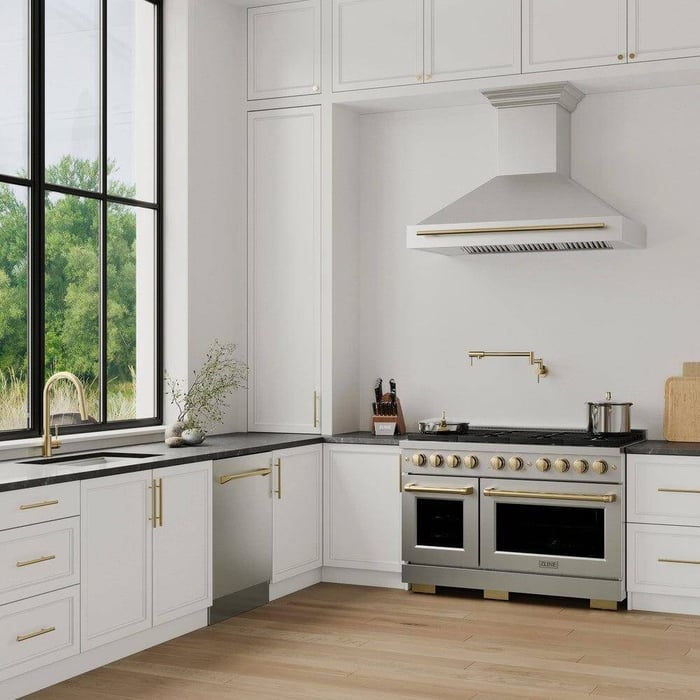
Wall-mount range hoods are among the most recognizable and widely installed types of kitchen ventilation. They attach directly to the wall above your cooktop, typically positioned where upper cabinets would normally go. Available in both ducted and ductless configurations, they combine efficient airflow capture with bold visual presence.
These hoods often feature a chimney-style design that tapers upward, creating an elegant focal point in the kitchen. They are a particularly smart choice if you enjoy an open, cabinet-free look above your stove and want a piece that adds architectural interest to the room.
Key advantages:
✓ Strong extraction power with a wide capture area
✓ Eye-catching chimney-style design doubles as a kitchen centerpiece
✓ Available in stainless steel, glass, copper, and painted finishes
✓ Works with both ducted and ductless setups
Island Mount Range Hoods
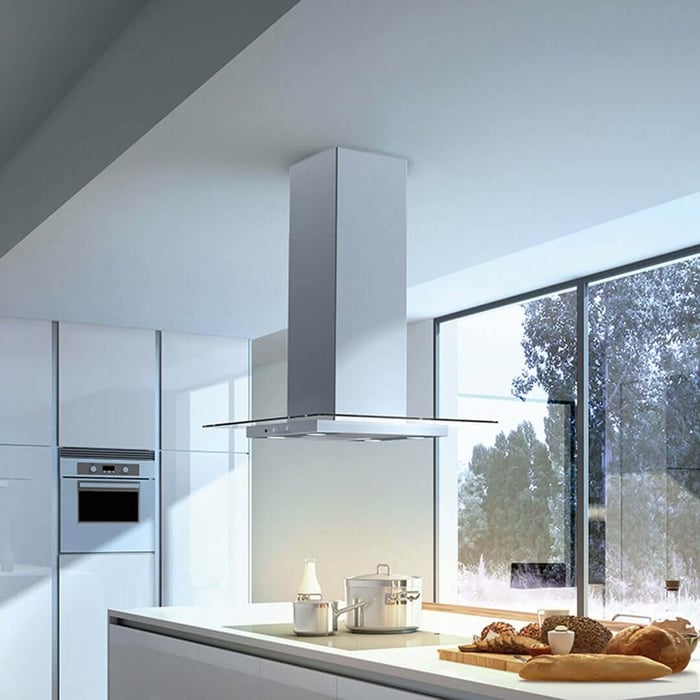
If your cooktop sits on a kitchen island rather than against a wall, an island mount range hood is your best ventilation solution. These units hang directly from the ceiling above the cooking surface and vent upward through ceiling-mounted ductwork. Because they're exposed on all four sides, they are typically designed to be visually striking from every angle.
Island hoods generally require more powerful motors than wall-mount models because there are no walls to help funnel rising smoke and steam. Expect higher CFM ratings and wider canopies to compensate for the open-air environment.
Key advantages:
✓ Specifically engineered for open kitchen island layouts
✓ High-performance blowers handle dispersed cooking fumes
✓ Creates a dramatic suspended design statement
✓ Available in contemporary and traditional styles
Under-Cabinet Range Hoods
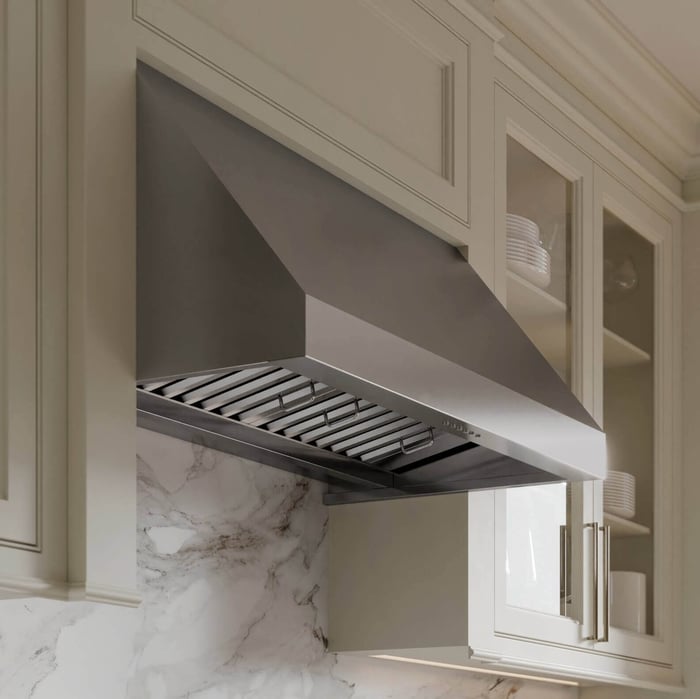
Under-cabinet range hoods are mounted directly beneath your upper kitchen cabinets, making them one of the most space-efficient ventilation solutions available. They sit flush against the bottom of the cabinet and vent either outward through the wall or upward through the cabinet and into ductwork — though ductless recirculating models are also widely available.
This type is ideal for kitchens where cabinet space is at a premium. Since the hood tucks neatly under existing cabinetry, it doesn't require you to sacrifice any storage. Under-cabinet hoods come in a range of price points, from budget-friendly basics to premium stainless steel models with multi-speed fans and LED lighting.
Key advantages:
✓ Preserves valuable cabinet storage space above the stove
✓ Low-profile and unobtrusive design
✓ Easy installation — often a straightforward DIY project
✓ Available at nearly every price point
Insert / Built-In Range Hoods
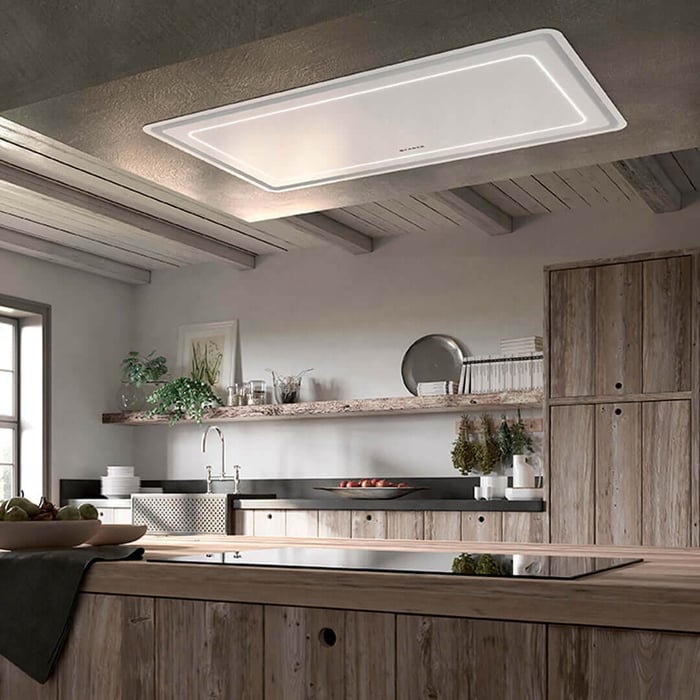
Insert range hoods — also known as built-in or liner hoods — are designed to be concealed inside a custom canopy or cabinetry. Instead of being a visible appliance, the functional components (blower, filters, lights, and controls) slide into a housing that you or a carpenter builds to match your kitchen's specific design aesthetic.
This is the go-to choice for homeowners who want powerful ventilation without an industrial-looking hood dominating their kitchen. You get the full performance of a high-CFM blower system wrapped inside whatever exterior design suits your taste — from rustic wooden mantels to sleek modern panels.
Key advantages:
✓ Completely hidden inside custom cabinetry or canopy
✓ Offers full design flexibility — match any kitchen style
✓ High-performance blowers available up to 1200+ CFM
✓ Professional-grade ventilation with a custom look
Downdraft Range Hoods
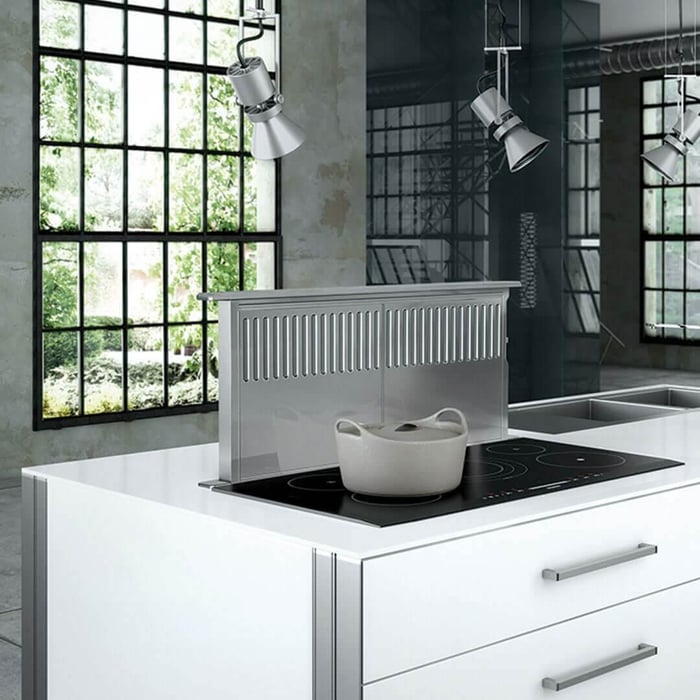
Downdraft range hoods take an entirely different approach to ventilation. Instead of capturing rising smoke and steam from above, they pull air downward and vent it through ductwork installed beneath the floor or behind the cabinetry. Many downdraft systems are telescopic — they rise up from behind the cooktop when activated and retract flush with the counter when not in use.
These are the ultimate choice for kitchens with a minimalist aesthetic or open-concept layouts where an overhead hood would block sightlines. They're also popular for island cooktops where ceiling-mounted ductwork isn't feasible. Keep in mind that because they fight against the natural upward movement of hot air, downdrafts are typically less effective than overhead hoods for heavy-duty cooking.
Key advantages:
✓ Invisible when retracted — perfectly clean countertop profile
✓ Ideal for open-concept and minimalist kitchen designs
✓ No overhead structure to obstruct views or lighting
✓ Telescoping models rise and retract on demand
Custom Hood Canopies
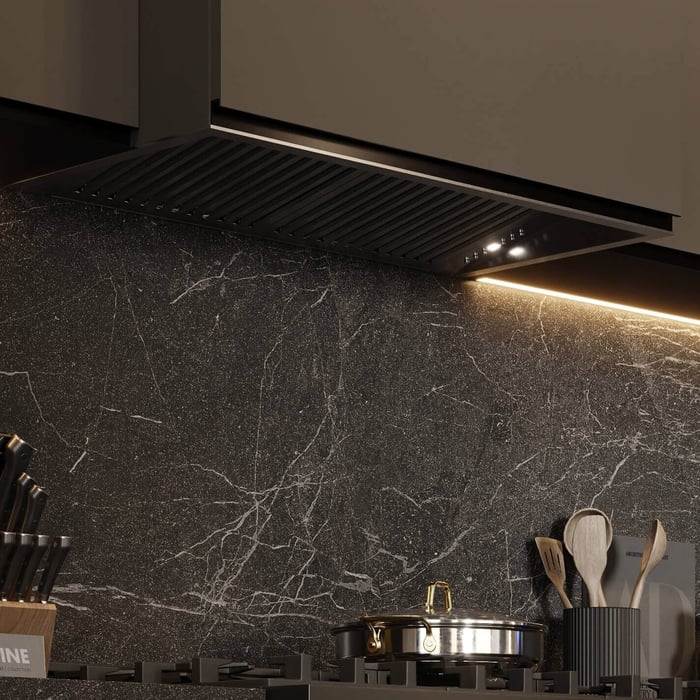
Custom hood canopies are decorative exterior shells specifically designed to house an insert or liner-style range hood inside. They give you complete creative control over the appearance of your kitchen ventilation — you choose the material, shape, color, and finish, while the insert handles all the functional performance underneath.
These canopies are popular in high-end kitchen renovations, farmhouse-style builds, and any project where the homeowner wants a one-of-a-kind look. Common materials include reclaimed wood, hammered copper, zinc, plaster, stone, and painted MDF. The canopy itself is purely decorative — the ventilation muscle comes from the insert unit mounted inside.
Key advantages:
✓ Limitless design possibilities — truly custom appearance
✓ Pairs with high-performance insert hoods for the best of both worlds
✓ Can be matched to any kitchen style — rustic, modern, transitional
✓ Creates a stunning architectural focal point
Microwave-Range Hood Combos
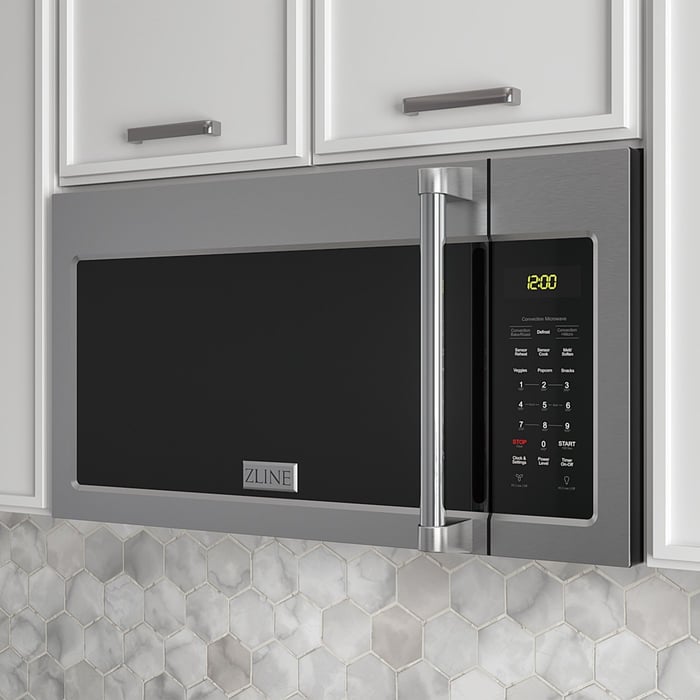
Over-the-range microwaves with built-in ventilation fans are the most common type of range hood found in standard American kitchens. These dual-purpose appliances combine microwave cooking with basic range hood functionality, using a built-in fan and grease filters to capture some of the smoke and steam rising from your stovetop.
While they're not going to rival the extraction power of a dedicated range hood, they're an excellent space-saving solution for smaller kitchens, rentals, or situations where you need both a microwave and basic ventilation without dedicating separate real estate to each. Most models are ductless, though some can be vented externally with the right installation.
Key advantages:
✓ Two appliances in one — saves counter and cabinet space
✓ Budget-friendly and widely available
✓ Simple replacement — fits standard over-the-range dimensions
✓ Adequate ventilation for light to moderate everyday cooking
How to Choose the Right Range Hood for Your Kitchen
Picking the best range hood ultimately comes down to three things: your kitchen layout, your cooking habits, and your design preferences. If you cook frequently with high heat and oil, prioritize raw ventilation power — a wall-mount, island mount, or insert hood with high CFM will serve you well. If your kitchen is compact or lacks ductwork, a ductless under-cabinet model or microwave combo will get the job done without a complicated installation.
For kitchens where aesthetics matter as much as function, custom canopies paired with insert hoods give you total design freedom. And if you want a clean, uncluttered look with no overhead fixtures, a downdraft system offers a clever hidden solution.
No matter which type you choose, investing in proper kitchen ventilation protects your home, improves your air quality, and makes cooking a more pleasant experience. Take the time to assess your space, consider your needs, and select the range hood that checks all the right boxes — your kitchen (and your lungs) will thank you.
Backyard Provider
Your Trusted Source for Outdoor Living & Home Improvement