


 Damage
  Loss
Loss  Theft
Theft 


How Large-Size CoreXY Printers Improve DIY and Household Projects
Large-format CoreXY 3D printers have transformed what's possible for home makers, DIY enthusiasts, and small workshop operators. With expansive build volumes, rapid print speeds, and mechanical precision built into every axis, these machines let you produce functional parts, prototypes, and custom items that were once only realistic inside professional fabrication shops. Whether you're prototyping furniture, building replacement components, or crafting decor pieces for the home, a properly dialed-in CoreXY system delivers the reliability and scale needed to move projects from concept to completed build.
Key Takeaways
- Large-size CoreXY printers combine speed, accuracy, and generous print volumes, making them ideal for demanding household and DIY builds.
- Their rigid mechanical design and lightweight print head deliver smoother layers and cleaner finishes on oversized prints.
- From custom furniture components to replacement parts, these machines bring real production value into the home workshop.
Unique Features of CoreXY Printers
CoreXY Motion System for Speed and Precision
The CoreXY motion system is built around a pair of belts that drive the print head across the X and Y axes simultaneously. This kinematic setup keeps the moving mass low, which allows for noticeably faster travel moves and cleaner acceleration without sacrificing accuracy. The result is tighter tolerances, sharper corners, and better dimensional stability across larger prints.
Unlike bed-slinger-style printers, where the entire print bed moves along one axis, a CoreXY design keeps the build plate stationary on the horizontal plane. This reduces vibration during long prints and helps tall, detailed models hold their shape from first layer to final pass.
| Feature | Benefit |
|---|---|
| Kinematic Design | Balanced dual-belt system for fast motion and accurate positioning. |
| Reduced Weight on Axes | Lower moving mass allows higher speeds without compromising detail. |
| Stable Build Platform | Fixed Z-axis plate prevents wobble on tall or oversized prints. |
| Structural Rigidity | Closed or semi-closed frames reduce flex, improving layer adhesion and repeatability. |
By pairing this motion system with direct-drive extrusion and well-tuned cooling, modern large-format CoreXY machines can deliver consistent results across long print sessions without constant user intervention.
Large Build Volume for Ambitious Projects
One of the strongest reasons homeowners and hobbyists move up to a CoreXY printer is the build envelope. Generous X, Y, and Z dimensions unlock full-scale prototypes, multi-part assemblies in a single run, and decor items that previously had to be sliced and glued together. Fewer print sessions, fewer seams, and more time spent finishing the part instead of babysitting the machine.
When working with a large-volume CoreXY machine, you can approach projects like:
- Full-sized planter pots and garden containers.
- Custom cabinet handles, knobs, and fixture replacements.
- Jigs, fixtures, and shop organizers that span the full bed.
- Oversized cosplay props and large decorative builds.
Having the option to print tall or wide in a single pass reduces waste and shortens project timelines—both of which matter when you're balancing builds around a busy household schedule.
Advanced Features in Modern CoreXY Printers
Today's high-end CoreXY machines pack in hardware and software refinements that were reserved for industrial equipment only a few years ago. These upgrades aren't just marketing—they directly translate to better first layers, fewer failed prints, and more forgiving behavior across a range of filaments.
Automatic Bed Leveling and Input Shaping
Modern CoreXY printers ship with automatic bed leveling, mesh compensation, and advanced motion smoothing like input shaping and pressure advance. These features quietly correct minor mechanical imperfections in real time, which means cleaner surfaces, fewer ringing artifacts, and dramatically reduced setup time before each print.
Enclosed Chambers and Multi-Material Support
Enclosed print chambers help stabilize ambient temperature, which is critical when working with engineering-grade filaments like ABS, ASA, PC, and nylon blends. Paired with multi-material systems, an enclosed CoreXY machine lets you print support-interface layers, color variations, or functional composites in one continuous job.
Applications in DIY and Household Projects
Furniture Prototyping and Customization
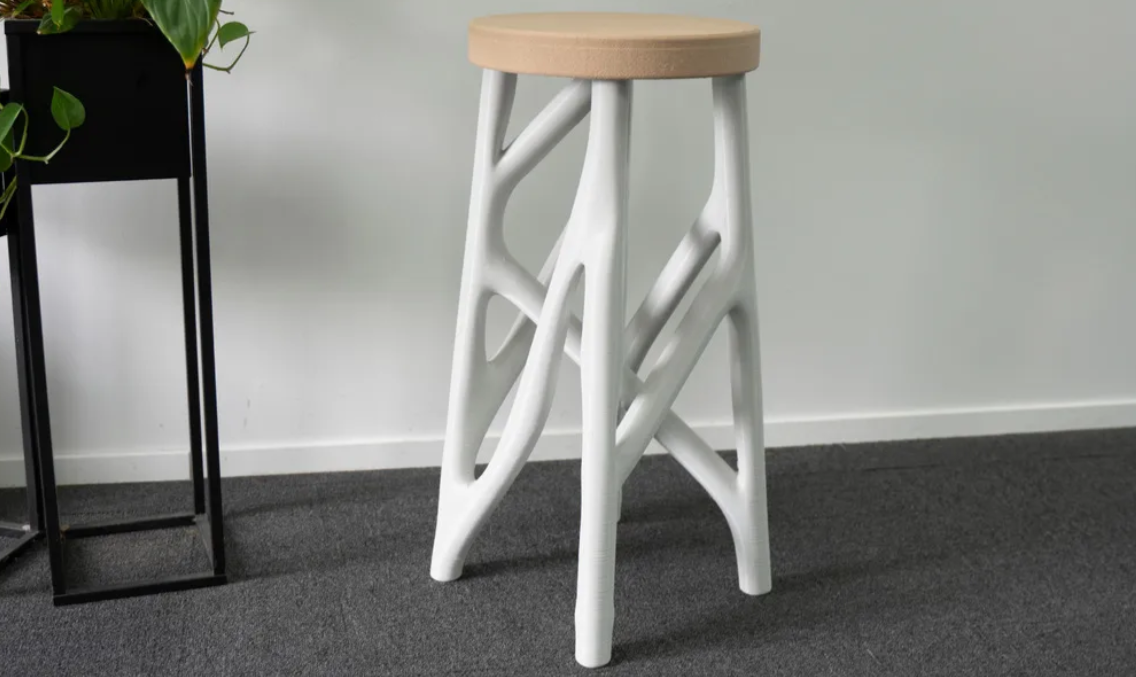
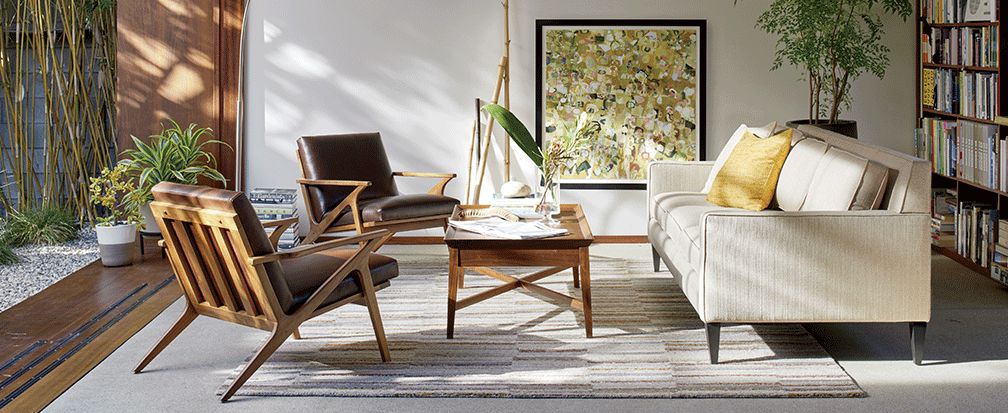
Large-bed CoreXY printers are outstanding tools for prototyping furniture components and accessories. Before committing to expensive hardwood or metal stock, you can test fitment, proportions, and load paths using PLA or PETG drafts. Once the design is validated, the same printer can produce final-use parts in tougher materials for jigs, mounts, and hidden hardware.
Typical examples homeowners lean on include corner brackets, custom drawer dividers, chair feet, cable management channels, and one-off brackets sized to fit an exact wall stud or baseboard.
Personalized Home Decor and Accessories
3D printing lets you design and produce decor pieces that match your home precisely—no more settling for whatever the big-box store happens to stock. Vases, lamp housings, wall art panels, curtain rod finials, and shelf brackets can all be tuned to your exact color palette and style. With a large build area, you can finish a full set in one job rather than printing items piece by piece over several days.
Printing Replacement and Repair Parts
One of the most practical applications of a CoreXY machine in the home is simple: making replacement parts that are no longer available or absurdly overpriced. Dishwasher racks, appliance knobs, vacuum attachments, drawer runners, and outdoor hardware can all be recreated from accurate measurements or scans, extending the life of gear you'd otherwise throw away.
Common replacement jobs include items like:
| Item | Typical Material |
|---|---|
| Cabinet Clips | PETG or ABS for durability and heat tolerance. |
| Appliance Handles | PLA+ or ASA, depending on UV and heat exposure. |
| Shelf Pegs | PETG for load-bearing reliability. |
| Tool Organizers | PLA for indoor workshop storage. |
| Outdoor Hardware | ASA or PC blends for weather resistance. |
Advantages of Large-Size CoreXY Printers
Faster Production for Complex Projects
Large-size CoreXY printers shorten project timelines by printing faster and in larger volumes. Instead of slicing a big build into five or six smaller prints and stitching them together, you complete the entire piece in a single session. That efficiency compounds over an afternoon of iteration.
Compared with traditional desktop printers, the difference is tangible:
| Metric | Large CoreXY Printers | Standard Desktop Printers |
|---|---|---|
| Print Speed | Fast | Moderate |
| Build Volume | Large | Compact |
| Motion System | CoreXY (balanced, low-mass) | Cartesian / bed-slinger |
| Multi-Material Capability | Common on flagship models | Rare or limited |
| Enclosure | Usually included | Typically open-frame |
High Precision for Intricate Designs
CoreXY printers are known for producing clean detail even at elevated speeds. Sharp corners, tight overhangs, and engineered tolerances stay consistent across the build area, which makes them well suited for functional prints that need to click, thread, or snap-fit together reliably.
| Precision Factor | Typical Performance |
|---|---|
| Layer Resolution | As fine as 0.05 mm on quality machines. |
| Dimensional Accuracy | Within ±0.1 mm on tuned setups. |
| Repeatability | Consistent results across sequential prints. |
| Surface Finish | Smooth walls with minimal ringing. |
Cost-Effective Solutions for Home Improvement
Printing your own parts at home is often far cheaper than sourcing OEM replacements or custom fabrication. After the initial investment in the printer, the ongoing cost per part is effectively a few grams of filament plus electricity. For households tackling regular projects, the payback period on a capable CoreXY machine can be surprisingly short.
3. How do I maintain my CoreXY printer for optimal performance?
Routine maintenance keeps a CoreXY machine running consistently: keep the rails and rods clean, check belt tension periodically, wipe the build plate between prints, and verify nozzle condition after heavy use. Firmware updates from the manufacturer can also bring performance improvements and new features over time.
FAQ
1. What makes CoreXY printers faster than other 3D printers?
CoreXY machines keep the heaviest motors stationary on the frame and move only the lightweight toolhead across the X and Y axes. This lower moving mass allows much higher acceleration and travel speeds without introducing ringing or losing dimensional accuracy.
2. Can CoreXY printers handle advanced materials?
Yes. With an enclosed chamber, a hardened nozzle, and a high-temperature hotend, modern CoreXY printers can run engineering filaments like ABS, ASA, PC, PA (nylon), and carbon-fiber-filled composites in addition to standard PLA and PETG.
3. How do I maintain my CoreXY printer for optimal performance?
Keep the motion system clean, check belt tension monthly, inspect the nozzle and hotend for wear, and recalibrate the bed and flow rate as needed. Regular firmware updates and slicer profile tuning will keep your machine performing at its best for years.