


 Damage
  Loss
Loss  Theft
Theft 


Mastering Ground Hunting: Your Complete Guide to Stand-Free Whitetail Setups
Discover the art of hunting whitetails from ground level with proven strategies and expert techniques
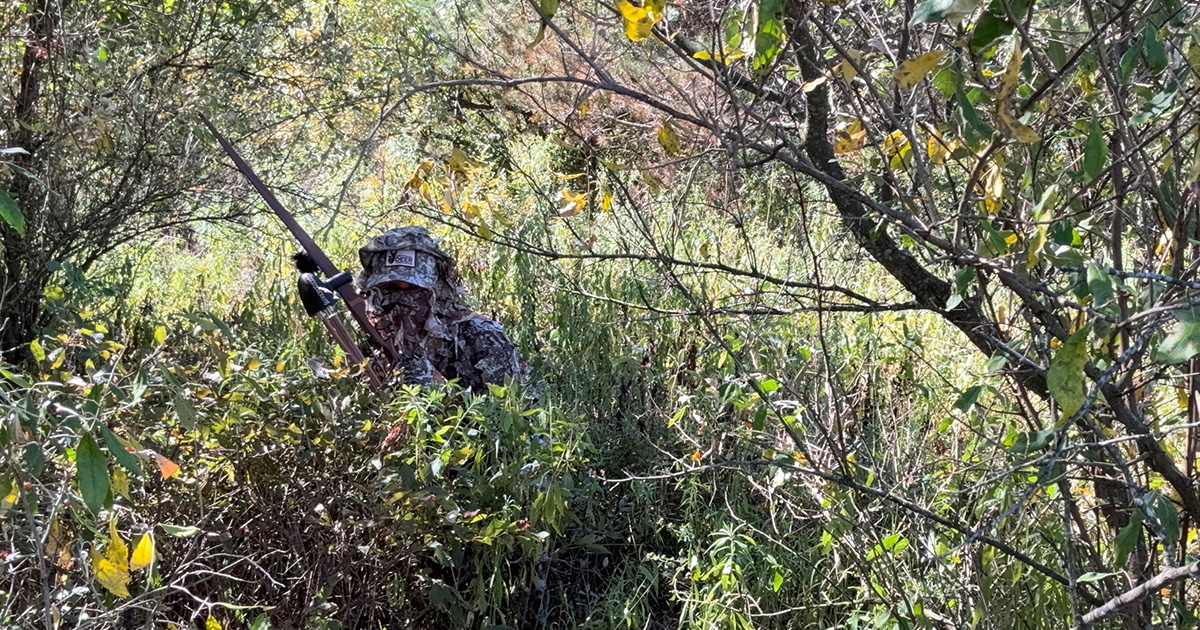 For many hunters, the image of whitetail hunting conjures visions of elevated tree stands and towering observation posts. However, a growing number of experienced outdoorsmen are rediscovering the effectiveness of hunting from ground level. Ground hunting for whitetails isn't just a fallback option when tree stands aren't available—it's a legitimate and often superior strategy that offers unique advantages and thrilling encounters with these magnificent animals.
The practice of hunting whitetails from the ground has deep roots in hunting tradition, dating back to when our ancestors first pursued these elusive creatures. While modern hunting has largely shifted toward elevated positions, ground hunting remains remarkably effective when executed with proper planning and technique. This approach demands a different skillset than tree stand hunting, requiring heightened awareness, superior concealment strategies, and an intimate understanding of whitetail behavior patterns.
What makes ground hunting particularly appealing is its accessibility and versatility. Unlike tree stand hunting, which requires suitable trees, climbing equipment, and the physical ability to ascend to hunting height, ground setups can be established almost anywhere within your hunting territory. This flexibility allows hunters to adapt quickly to changing conditions, deer movement patterns, and wind directions—factors that can make the difference between a successful hunt and an empty-handed return.
Beyond the practical advantages, ground hunting offers an intimacy with nature that elevated positions simply cannot match. When you're on the same level as the deer, every encounter becomes more intense, every sound more significant, and every moment more memorable. The heightened sensory experience creates a connection to the hunt that resonates deeply with those who embrace this traditional approach.
🦌 Why Choose Ground-Level Hunting?
The decision to hunt from ground level rather than from an elevated position comes with numerous compelling benefits that experienced hunters have come to appreciate. First and foremost is the element of mobility. When you're not tethered to a specific tree or stand location, you possess the freedom to adjust your position based on real-time observations of deer activity, shifting wind patterns, or unexpected changes in hunting conditions.
Safety represents another significant advantage of ground hunting. While tree stand accidents have decreased with improved equipment and education, the reality remains that any activity involving heights carries inherent risks. Ground hunting eliminates these elevation-related dangers entirely, making it an ideal choice for hunters who prefer to keep their feet firmly on the earth or those with physical limitations that make climbing challenging.
The stealth factor shouldn't be underestimated either. Approaching and setting up at ground level can often be accomplished more quietly than climbing into a tree stand, especially in dry conditions when every step and movement seems amplified. Additionally, ground blinds and natural concealment can provide exceptional cover that breaks up your human outline more effectively than sitting exposed in a tree.
Weather conditions that might make tree stand hunting uncomfortable or even dangerous become much more manageable at ground level. Heavy winds, ice, or rain that would make an elevated position treacherous can be weathered more safely and comfortably from a ground blind or natural setup. This extended window of huntable conditions means more time in the field pursuing your quarry.
🌿 Understanding Concealment at Ground Level
Concealment represents the cornerstone of successful ground hunting. Unlike tree stand hunting where elevation provides a natural advantage, ground hunters must work harder to remain undetected by whitetails' extraordinarily keen senses. The good news is that with proper technique and understanding, effective concealment at ground level is entirely achievable.
Breaking up your human silhouette stands as the primary objective of ground-level concealment. Whitetails have evolved to detect predators, and the human form—with its distinctive shape and upright posture—triggers immediate alarm in these wary animals. Successful ground hunters understand that becoming part of the landscape isn't about making yourself invisible; it's about eliminating the recognizable patterns that deer associate with danger.
Natural vegetation provides your first and often most effective concealment option. Positioning yourself against thick brush, behind fallen logs, or within dense understory creates natural breaks in your outline while allowing you to remain virtually motionless. The key lies in selecting positions that offer concealment without restricting your shooting lanes or limiting your ability to observe approaching deer.
Shadows play a crucial role in ground-level concealment that many hunters overlook. Positioning yourself in shadowed areas—beneath overhanging branches, within tree shadows, or along shaded edges—significantly reduces your visibility to approaching whitetails. Deer eyes excel at detecting movement and contrast, but shadowed positions minimize both, giving you a substantial advantage in remaining undetected.
🗺️ Selecting Prime Ground Hunting Locations
Location selection takes on heightened importance when hunting from ground level. The spots that work perfectly for tree stand hunting may prove entirely unsuitable for ground setups, and vice versa. Understanding how to identify and evaluate potential ground hunting locations separates successful hunters from those who struggle to get within range of whitetails.
Natural funnels and travel corridors become even more critical when hunting at ground level. Unlike elevated positions that can overlook broader areas, ground setups typically offer more limited fields of view. This means you need deer to pass within your restricted observation zone, making locations along natural travel routes absolutely essential. Creek crossings, fence gaps, saddles between ridges, and trails through thick cover all concentrate deer movement into predictable pathways.
Terrain features that provide natural concealment while offering clear shooting opportunities represent ideal ground hunting locations. Look for slight depressions in the landscape, areas where multiple trees grow close together, or positions where fallen timber creates natural barriers. These features serve double duty—concealing your presence while funneling deer movement into observable patterns.
Wind direction considerations become absolutely paramount when selecting ground hunting locations. At ground level, your scent disperses differently than from an elevated position, typically staying closer to the ground and traveling farther along terrain contours. This means you must be even more conscious of prevailing winds and thermal currents when choosing where to set up. Always position yourself with the wind in your favor relative to expected deer approach routes.
🌲 Leveraging Natural Cover and Terrain
Working with natural cover rather than against it separates experienced ground hunters from novices. Every piece of terrain offers unique concealment opportunities, and learning to recognize and utilize these natural advantages transforms your hunting effectiveness. The landscape itself becomes your hunting partner when you understand how to leverage its features.
Downfall timber and brush piles create excellent natural blinds that require minimal modification. Rather than constructing elaborate ground blinds from scratch, savvy hunters scout for existing natural features that already provide substantial concealment. A well-positioned fallen tree or dense brush pile often needs only minor adjustments—a few cleared shooting lanes or additional background cover—to become a highly effective hunting position.
Terrain irregularities offer concealment advantages that flat ground simply cannot provide. Slight rises, depressions, or drainage features allow you to position yourself below the direct line of sight of approaching deer while still maintaining adequate visibility of your hunting area. These micro-terrain features prove particularly valuable in relatively open areas where natural vegetative cover is sparse.
The transition zones between different cover types—where thick forest meets open fields, where pine stands border hardwoods, or where brushy areas transition to mature timber—create natural edges that concentrate deer activity while providing excellent concealment opportunities. These edge environments allow you to set up in heavy cover while monitoring more open areas where deer feel comfortable traveling during daylight hours.
🛠️ Essential Equipment for Ground Hunting Success
While ground hunting can be accomplished with minimal equipment, having the right gear significantly enhances your comfort, concealment, and ultimately your success rate. The equipment needs for ground hunting differ substantially from tree stand setups, prioritizing concealment and comfort at ground level rather than safety equipment for elevated positions.
Quality ground blinds have revolutionized modern ground hunting, offering hunters a portable, comfortable, and highly effective concealment option. Today's ground blinds feature hub designs that pop up in seconds, providing instant concealment with multiple shooting windows and adequate interior space for extended sits. When selecting a ground blind, prioritize models with dark interiors that prevent you from being silhouetted against lighter fabric, and look for designs that blend naturally with your hunting environment.
Portable seating solutions make extended ground sits far more tolerable. While some hunters prefer simple ground cushions or foam pads, others invest in specialized ground hunting chairs that provide back support while maintaining a low profile. The key is finding a seating solution that allows you to remain motionless for extended periods without cramping or discomfort that might cause movement at critical moments.
Camouflage effectiveness becomes even more critical at ground level where deer encounter you at eye level rather than looking upward. Select camouflage patterns that match your specific hunting environment. Face masks or face paint eliminate the telltale shine of exposed skin that can alert even distant whitetails to your presence.
🤫 Movement Management and Discipline
Perhaps the single most important skill for successful ground hunting is movement discipline. At ground level, you're operating within the whitetail's primary field of vision, meaning every motion registers more readily than movements made from an elevated position. Mastering the art of remaining motionless—or moving only when conditions permit—becomes the defining factor in whether deer detect your presence.
Timing your movements to coincide with deer activity requires patience and awareness. When deer are actively feeding with heads down, brief, controlled movements can often go unnoticed. However, when deer are alert and scanning for danger, even the slightest motion can betray your position. Learn to read deer body language and behavior, moving only when animals are distracted or focused elsewhere.
The speed of movement matters tremendously. Quick, jerky motions attract attention instantly, while slow, fluid movements—if movement is absolutely necessary—are far less likely to alert nearby deer. When you must move, do so at a pace that seems almost comically slow. What feels like glacial movement to you often registers as barely perceptible motion to a deer not specifically watching your position.
Drawing your bow or shouldering your firearm represents the most critical movement you'll make during a hunt. Practice this motion extensively before the season so it becomes smooth and automatic. When the moment arrives, wait for the deer to move behind cover or look away before beginning your draw. If a deer is staring directly at your position, remain frozen regardless of how good the shot opportunity might appear.
👃 Scent Control Strategies for Ground Hunting
Scent management takes on paramount importance when hunting at ground level. Your scent disperses differently at ground level compared to elevated positions, typically traveling farther and lingering longer in your immediate vicinity. Understanding and implementing effective scent control measures can mean the difference between deer calmly passing within range and deer catching your scent from unexpected directions.
Begin scent control long before entering the woods. Wash your hunting clothes in scent-eliminating detergents and store them in sealed containers. Shower with scent-free soap before each hunt, paying particular attention to areas that produce the most scent—underarms, feet, and hair. Avoid strong-smelling foods, tobacco products, and scented personal care items in the hours before hunting.
Your approach route to your hunting location deserves as much consideration as the setup itself. Walk into the wind whenever possible, taking paths that minimize scent contamination of primary deer travel routes. Avoid touching vegetation with bare hands as you walk, and consider wearing rubber boots that minimize scent transfer from your footwear. Some hunters go so far as to create designated entry and exit routes that they use exclusively, minimizing scent contamination throughout their hunting area.
Natural cover scents can provide an additional layer of scent control, though they should never be considered a substitute for proper scent elimination practices. Earth, pine, acorn, or other local scents help mask any residual human odor while providing a scent profile that seems natural to the environment. However, remain cautious with any artificial scents—deer have incredibly sensitive noses and can detect synthetic or out-of-place odors that might actually alert them to danger.
🗓️ Adapting to Different Hunting Scenarios
Ground hunting isn't a one-size-fits-all proposition. Different hunting scenarios—from early season hunts over food sources to late-season cold weather sits near bedding areas—require adjusted approaches and tactics. Successful ground hunters develop a repertoire of strategies they can deploy based on specific conditions, timing, and deer behavior patterns.
Early season ground hunting often revolves around food sources and water. During this period, natural vegetation remains thick, providing excellent concealment opportunities. Set up along travel routes between bedding areas and feeding locations, positioning yourself where you can intercept deer during their evening movement to food sources. The abundant foliage of early season makes ground setups particularly effective.
Rut period ground hunting presents unique opportunities and challenges. Bucks during the rut are more focused on does and less cautious about their surroundings, potentially moving past ground positions they would otherwise detect and avoid. Ground blinds with 360-degree shooting windows excel during this period, allowing you to react to deer appearing from any direction.
Late season hunting demands different tactics altogether. With vegetation diminished and deer focused on conserving energy and accessing high-calorie food sources, your ground setups need to focus on transition zones between bedding and feeding areas. The protection offered by ground blinds becomes increasingly valuable in cold weather. Position yourself close to food sources, as deer movements become more predictable and concentrated around available nutrition.
🎯 Shot Placement Considerations from Ground Level
Shot angles from ground level differ significantly from elevated positions, requiring adjustments to ensure ethical, effective shot placement. Understanding these differences and practicing from ground-level positions before the season helps ensure you're prepared when a shot opportunity presents itself in the field.
The anatomy of a broadside shot from ground level closely mirrors what you'd see from a standing position during target practice. This familiarity works in your favor. However, quartering shots—both toward and away—present different challenges from ground level than from elevated positions, with bone structures and vital organs positioned differently relative to your shooting angle.
Range estimation becomes critical from ground level, as many ground hunting situations involve closer encounters than tree stand scenarios. Practice extensively at ranges from five to thirty yards. Understand that deer appear larger at close range, which can cause some hunters to misjudge distance and aim incorrectly. Using a quality rangefinder to verify distances to landmarks around your setup removes guesswork from the equation.
Patience in waiting for the perfect shot angle becomes even more important when hunting from ground level. Unlike elevated positions where deer often pass through relatively predictable shooting lanes, ground-level encounters can be more dynamic and unpredictable. Wait for clear shooting opportunities with proper shot angles rather than forcing questionable shots through marginal openings.
🧱 Building Natural Ground Blinds
While commercial ground blinds offer convenience and portability, natural ground blinds constructed from available materials can be equally effective and often blend more seamlessly into the environment. Building natural blinds requires more time investment but rewards hunters with setups that deer accept as part of the landscape rather than viewing as potential threats.
Start natural blind construction weeks before you plan to hunt from the location. This timeline allows deer to become accustomed to the new structure, incorporating it into their mental map of the area as a natural feature. Begin by selecting a location with existing natural cover—a cluster of trees, a large fallen log, or dense brush—that provides a foundation for your blind.
Use only materials found naturally in your hunting area to construct the blind. Cut branches, evergreen boughs, tall grass, or corn stalks can all serve as building materials. Anchor these materials firmly so they won't move or rustle in the wind, which would draw attention and potentially spook approaching deer. Build the blind high enough to conceal your seated or kneeling profile, but avoid making it so tall that it stands out unnaturally from surrounding vegetation.
Create multiple shooting lanes through your natural blind, clearing narrow windows that provide clear shots at various angles. These openings should be just large enough to accommodate your bow or firearm without excessive movement during the draw or shouldering process. Trim any branches or vegetation that might deflect your arrow or bullet, but resist the temptation to create overly wide shooting lanes that compromise your concealment.
🌦️ Weather and Environmental Factors
Environmental conditions affect ground hunting differently than tree stand hunting, presenting both opportunities and challenges that require awareness and adaptation. Understanding how various weather patterns and environmental factors influence both deer behavior and your hunting effectiveness helps you make better decisions about when and where to hunt from ground level.
Wind conditions deserve special attention when ground hunting. While some wind is beneficial—masking sounds and carrying your scent in predictable directions—excessive wind creates challenges. Strong winds make it difficult for you to hear approaching deer, and they make deer more nervous and alert as well. However, moderate winds can work in your favor by covering subtle movements and keeping your scent stream consistent and predictable. Always position yourself so prevailing winds carry your scent away from expected deer approach routes.
Precipitation affects ground hunting in unique ways. Light rain or snow can actually improve ground hunting conditions by dampening leaves and twigs, making silent movement easier both for you and for deer. However, heavy precipitation reduces deer movement and can make extended sits uncomfortable without proper gear. Ground blinds shine during wet weather, providing protection that makes hunting in conditions that would be miserable from a tree stand much more tolerable.