


 Damage
  Loss
Loss  Theft
Theft 


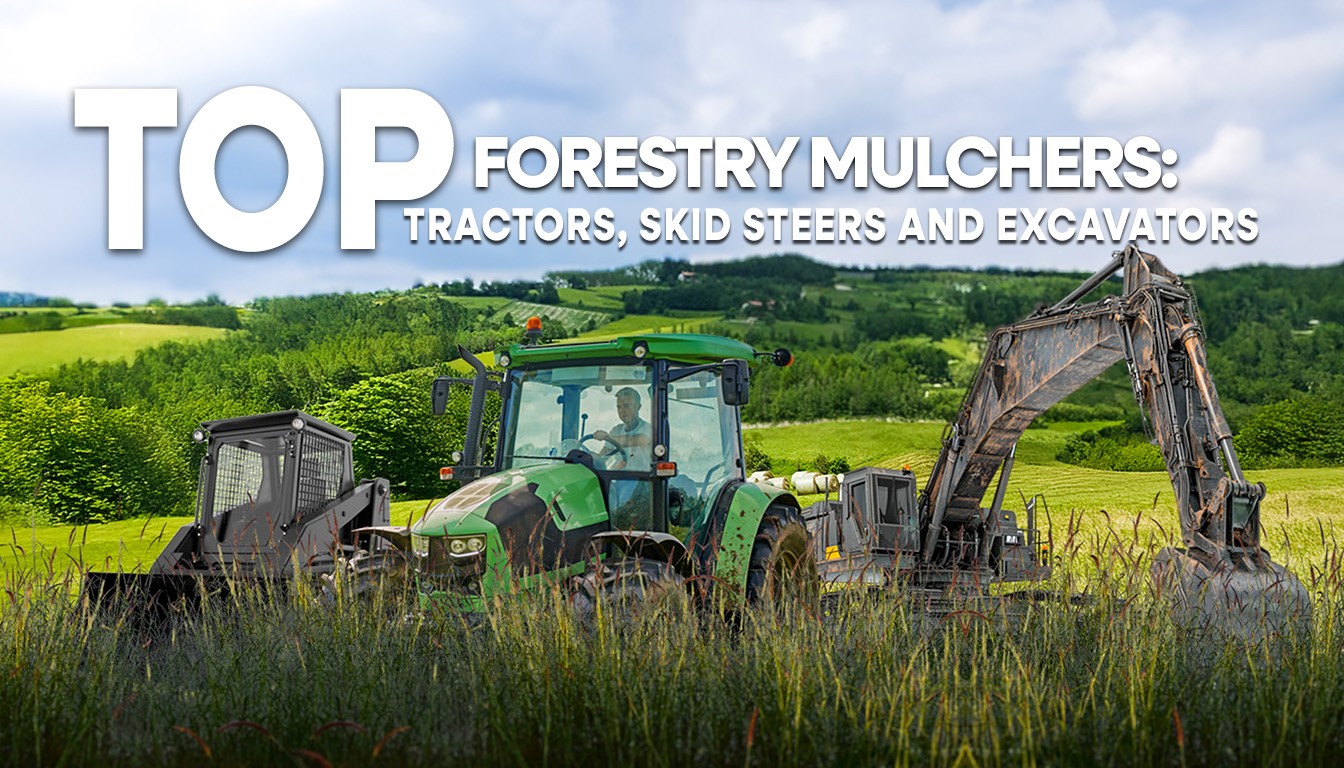
Top Forestry Mulchers: Best Options for Tractors, Skid Steers, and Excavators
Forestry mulchers have transformed how property owners, contractors, and land managers approach vegetation clearing. These powerful attachments mount to tractors, skid steers, and excavators, converting dense brush, small trees, and overgrowth into fine mulch in a single pass. Whether you need to reclaim overgrown pastureland, prepare a building site, or maintain firebreaks, a quality forestry mulcher can dramatically reduce labor time and deliver professional-grade results.
Types of Forestry Mulchers
Forestry mulchers come in several configurations, each tailored for specific carrier machines and working conditions. Understanding the differences between these types is the first step toward finding the best match for your project requirements.
Drum Mulchers
Drum-style mulchers feature a horizontally mounted rotating drum fitted with numerous cutting teeth or carbide-tipped tools. As the drum spins at high speed, it shreds vegetation upon contact. These units are exceptionally well-suited for large-scale clearing because they can handle heavy brush, saplings, and standing timber with relative ease. Drum mulchers are available in widths ranging from around 48 inches up to over 80 inches, making them ideal for operators who need to cover substantial acreage quickly. Their high-volume processing capability and rugged design make them a favorite among professional land clearing crews.
Disc Mulchers
Disc-style mulchers rely on a vertical spinning disc armed with replaceable cutting knives or blades. Their primary advantage is the ability to deliver an extremely fine, uniform finish, making them highly popular for operations where surface quality matters — such as real estate land preparation, park maintenance, and right-of-way clearing. Disc mulchers generally demand less hydraulic flow than drum models, which allows them to pair efficiently with mid-range carriers. They tend to be lighter and more maneuverable, making them a practical choice for operators working in tighter spaces or on moderate terrain.
Deck Mulchers (PTO-Driven)
Deck mulchers, also referred to as PTO-driven brush mulchers, are specifically engineered for three-point hitch mounting on tractors. They draw power directly from the tractor's PTO shaft, which makes them an effective option for clearing light to moderate brush, tall grass, and invasive vegetation without requiring a dedicated hydraulic circuit. Their deck-mounted design provides excellent ground clearance and stability on uneven terrain. These units are especially popular among farmers, ranchers, and rural property owners who already own a tractor and want a cost-effective solution for ongoing brush management.
Key Features to Consider When Choosing a Forestry Mulcher
Picking the right mulcher involves more than matching it to your carrier machine. Several performance and design characteristics should factor into your evaluation to ensure you get the best return on investment.
Cutting Capacity & Desired Finish
Consider the maximum diameter of trees and brush you plan to process. Some mulchers handle material up to 6 inches in diameter, while heavy-duty units manage 12 inches or more. The type of cutting teeth also determines whether you get a coarse chip or a fine, ground-level mulch — critical for aesthetic applications like property development.
Hydraulic Power & Efficiency
Hydraulic flow and pressure requirements vary significantly between models. Ensuring your carrier machine can deliver the necessary GPM and PSI is essential for peak performance. Under-powering a mulcher leads to bogging, premature wear, and frustrating downtime. Always verify compatibility with your machine's hydraulic specifications before purchasing.
Durability & Maintenance
Forestry mulching is demanding work that subjects equipment to extreme forces. Look for units built with high-strength steel housings, heavy-duty bearings, and easily replaceable cutting teeth or carbide tools. A mulcher that simplifies routine maintenance — like tool changes and belt inspections — will reduce long-term operating costs and keep you productive in the field.
Applications of Forestry Mulchers
The versatility of forestry mulchers extends far beyond simple brush removal. These machines are deployed across a wide range of industries and land management scenarios, each benefiting from their unique ability to process vegetation quickly and thoroughly.
Land Clearing & Site Preparation
Preparing raw land for construction, agriculture, or development is one of the most common applications. Forestry mulchers eliminate brush, small trees, and undergrowth far more efficiently than traditional methods like chainsawing and hauling. The mulched material is left on-site as a natural ground cover, reducing erosion and eliminating costly debris removal.
Firebreak Maintenance
Creating and maintaining firebreaks is vital for protecting properties and forests from wildfire. Forestry mulchers can rapidly strip vegetation from designated buffer zones, reducing fuel loads and establishing defensible space. Their ability to create clean breaks without disturbing the soil layer makes them an excellent tool for fire management professionals and rural landowners alike.
Vineyard & Orchard Management
Agricultural operations benefit from mulchers that can manage overgrown row middles, remove old plantings, and clear invasive growth between productive areas. In vineyards and orchards, compact mulchers allow operators to navigate tight rows while processing brush into nutrient-rich ground cover that improves soil health and moisture retention over time.
Right-of-Way & Utility Clearing
Utility companies and municipal agencies routinely use forestry mulchers to maintain clear corridors under power lines, along roadsides, and around pipeline easements. The speed and thoroughness of mulching operations reduce service disruption and keep critical infrastructure accessible year-round.
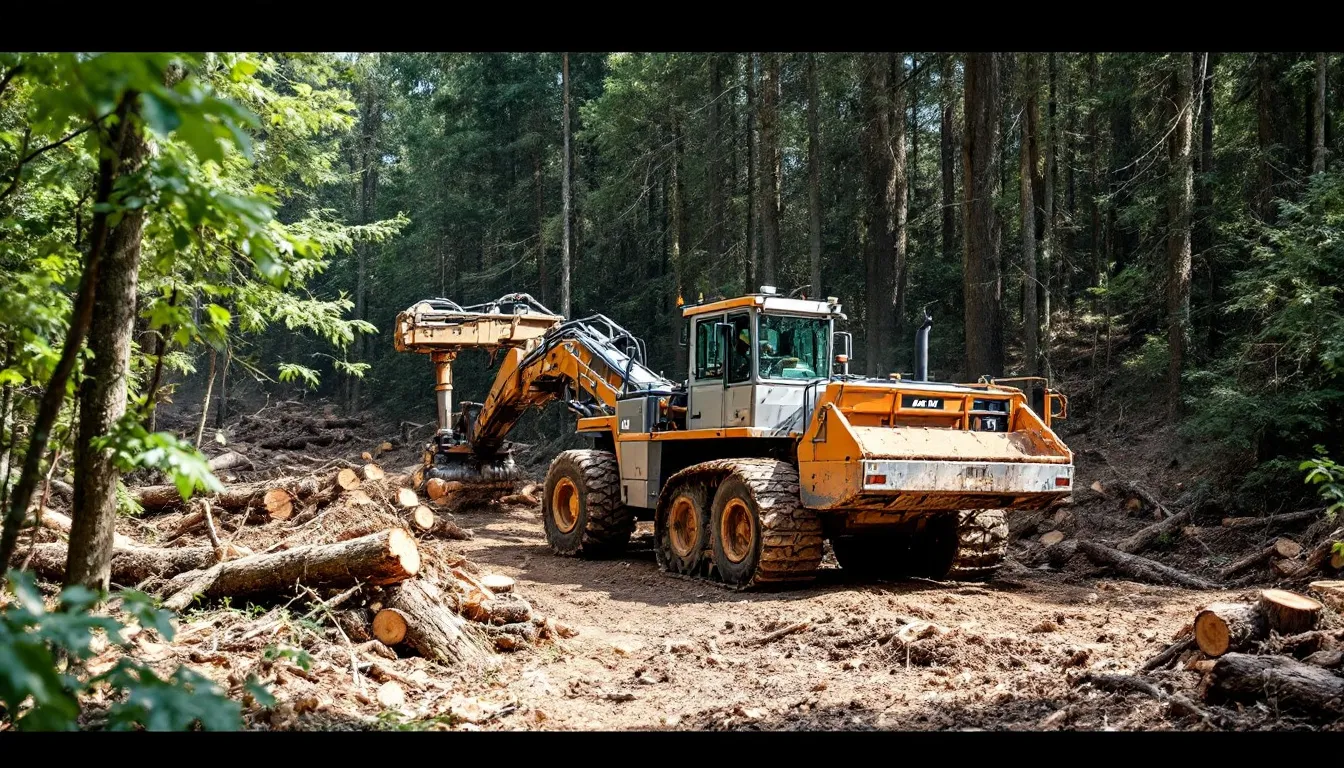
How to Select the Right Forestry Mulcher for Your Needs
Assess Your Land Clearing Requirements
Begin by evaluating the scope and nature of the vegetation you need to manage. Consider the density of brush, diameter of trees, terrain conditions, and how frequently you'll be mulching. A homeowner maintaining a few acres of scrub will have vastly different needs from a contractor tackling 50-acre commercial clearing jobs. Matching the mulcher's capacity to your actual workload prevents both underpowered frustration and unnecessary overspending.
Evaluate Different Brands and Models
Research manufacturers with proven track records in forestry equipment. Read owner reviews, study warranty coverage, and compare hydraulic specifications to ensure a model genuinely fits your carrier machine. Established brands often provide better parts availability and technical support, which becomes crucial when you need fast repairs during peak clearing season. Don't rely solely on price — evaluate total cost of ownership including tooth replacement, belt service, and bearing maintenance.
Budget Considerations
Forestry mulchers represent a significant investment, so it's important to weigh upfront costs against long-term savings and productivity gains. A higher-quality unit may carry a steeper price tag, but its superior durability, cutting efficiency, and reduced downtime often deliver a faster payback. Factor in financing options, resale value, and the potential revenue from offering commercial land clearing services when calculating your budget.
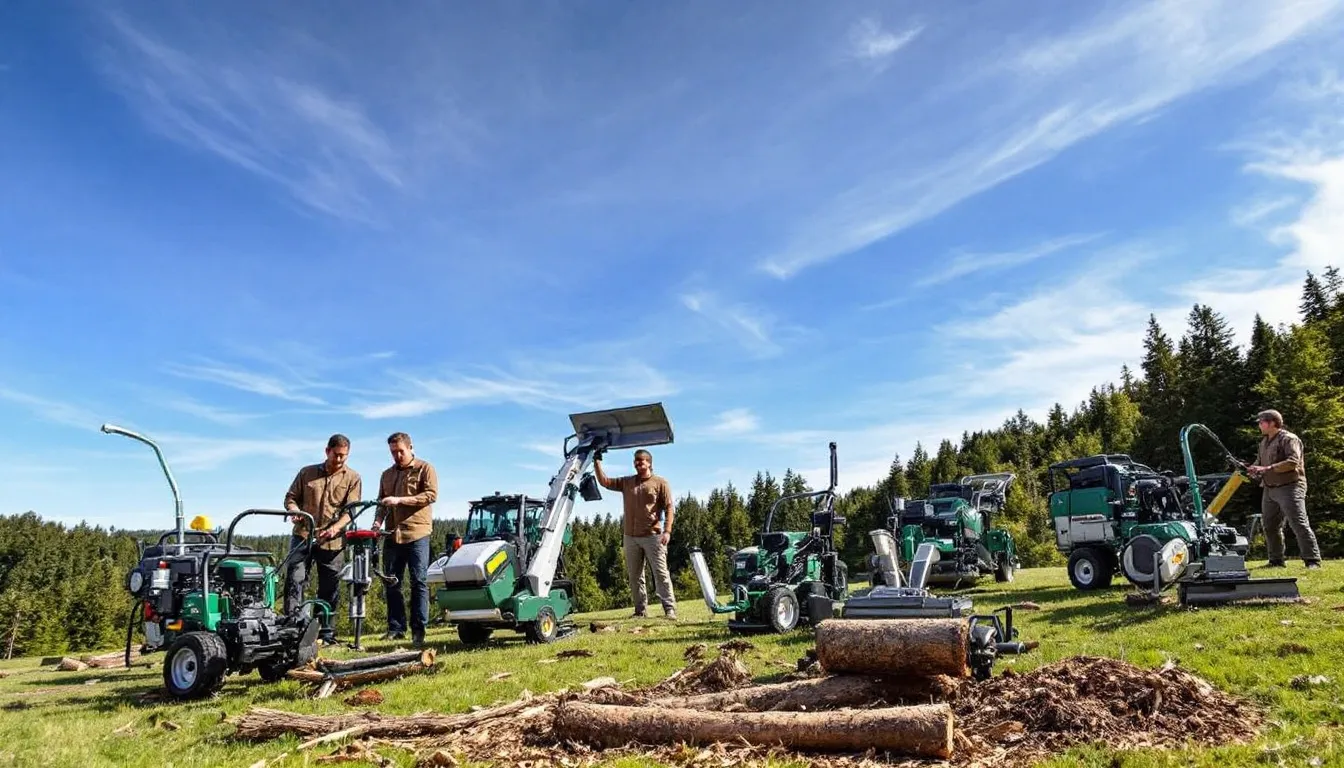
Common Mistakes to Avoid When Buying a Forestry Mulcher
Underestimating Hydraulic Demands: One of the most frequent errors buyers make is choosing a mulcher that exceeds their carrier machine's hydraulic output. When a mulcher doesn't receive adequate flow and pressure, it bogs down in heavy material, wears components prematurely, and dramatically reduces productivity. Always confirm your machine's GPM and PSI ratings match or exceed the mulcher's requirements.
Ignoring Maintenance Accessibility: Some mulcher designs make routine service tasks — such as changing teeth, inspecting belts, or greasing bearings — unnecessarily difficult. Before purchasing, examine how easily cutting tools can be accessed and replaced. Field-serviceable designs save hours of labor over the life of the machine.
Overlooking Terrain and Conditions: A mulcher that performs brilliantly on flat pastureland may struggle on steep slopes, rocky ground, or swampy conditions. Make sure the unit you choose is rated for the terrain you'll actually encounter. Features like adjustable skid shoes, reinforced housings, and debris deflectors become essential in challenging environments.
Focusing Only on Price: The least expensive mulcher is rarely the most economical over time. Bargain units often use thinner steel, lower-grade bearings, and less effective cutting systems that lead to frequent breakdowns and expensive repairs. Investing in a proven, well-built mulcher from a reputable manufacturer typically delivers far better value across years of service.
Benefits of Using Forestry Mulchers
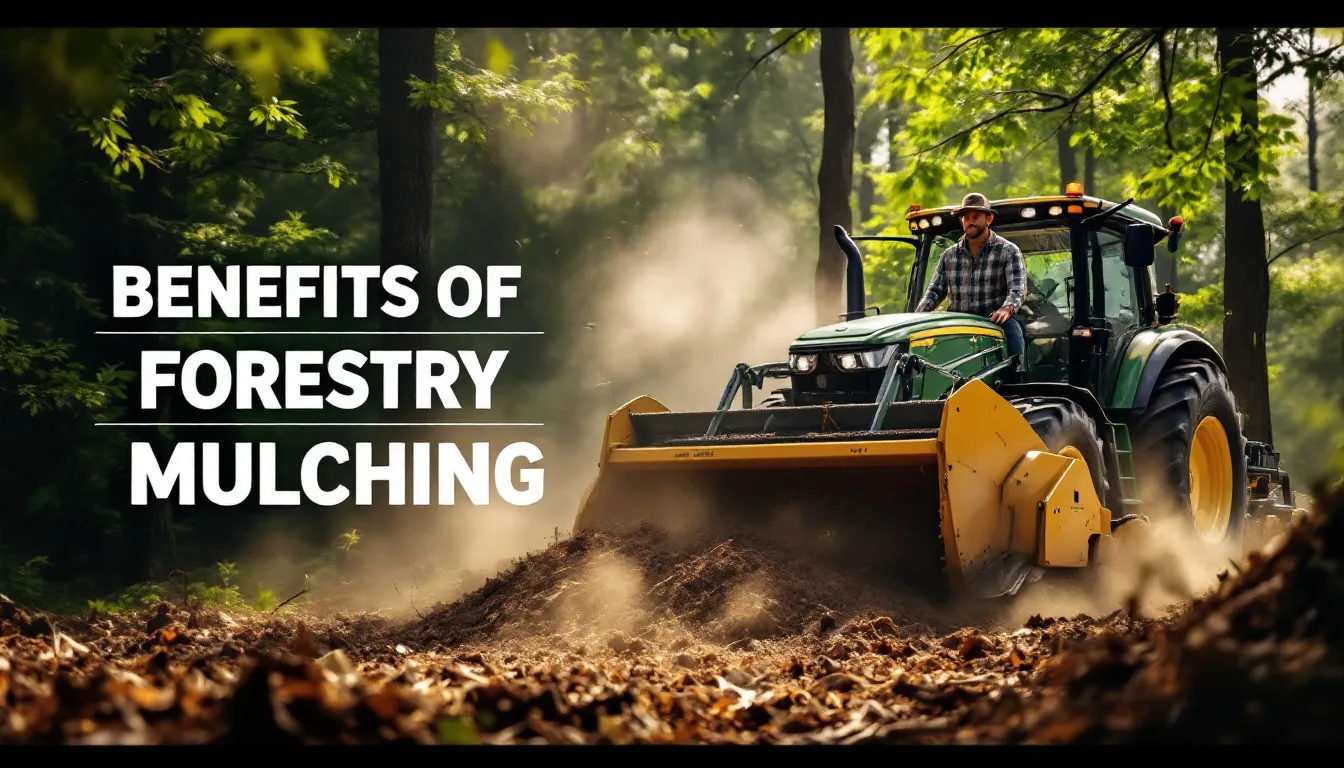
Eco-Friendly Process
Mulching converts cleared vegetation into organic ground cover that enriches soil, suppresses weeds, and prevents erosion — all without the environmental impact of burning or hauling debris to landfills.
Exceptional Time Savings
A single operator with a forestry mulcher can accomplish in hours what would take a full crew with chainsaws and chippers several days. This efficiency translates directly into lower project costs and faster turnaround.
Fire Prevention
By reducing underbrush and eliminating standing deadwood, forestry mulchers significantly lower wildfire risk. Regular mulching maintains defensible space around structures and creates effective firebreaks throughout vulnerable properties.
Cost-Effective Operation
Eliminating the need for multiple pieces of equipment — chainsaws, chippers, skidders, and dump trucks — a forestry mulcher consolidates the entire clearing workflow into one attachment, reducing fuel, labor, and equipment rental expenses.
Summary
Choosing the right forestry mulcher can significantly impact the efficiency and outcome of your land management projects. By understanding the different types — drum, disc, and deck — and carefully evaluating hydraulic compatibility, cutting capacity, durability, and terrain suitability, you position yourself to make a well-informed purchase. Avoiding common pitfalls like underestimating hydraulic requirements or prioritizing price over quality will help protect your investment for years to come. Whether you're a homeowner tackling overgrown acreage, a farmer maintaining pastures, or a contractor running commercial clearing operations, the right forestry mulcher is a tool that pays for itself through speed, versatility, and professional-grade results.
Frequently Asked Questions
What are the main types of forestry mulchers?
The three primary types are drum mulchers (horizontal rotating drum for high-volume clearing), disc mulchers (vertical spinning disc for fine finishes), and deck/PTO-driven mulchers (three-point hitch mounted for tractor use). Each is designed for specific carrier machines and terrain conditions, so choosing the right type depends on your equipment and project requirements.
Why is hydraulic power important for forestry mulchers?
Hydraulic flow (GPM) and pressure (PSI) directly determine a mulcher's cutting performance. Insufficient hydraulic supply causes the mulcher to stall in heavy vegetation, accelerates component wear, and significantly reduces productivity. Matching your carrier machine's hydraulic output to the mulcher's specifications is essential for efficient, trouble-free operation.
What should I consider when choosing a forestry mulcher?
Key factors include cutting capacity and desired finish quality, hydraulic compatibility with your carrier machine, build quality and material durability, ease of maintenance and tooth replacement, terrain adaptability, and overall cost of ownership. Evaluating these criteria together helps ensure you select a mulcher that delivers reliable performance for your specific applications.
How do forestry mulchers help in fire prevention?
Forestry mulchers reduce wildfire risk by rapidly clearing underbrush, dead vegetation, and small trees that serve as fuel. Creating and maintaining firebreaks with a mulcher establishes defensible space around structures and properties. Unlike bulldozing, mulching preserves the soil structure and root systems, which helps prevent erosion in cleared zones.
What are the benefits of using forestry mulchers in vineyards?
In vineyard and orchard settings, forestry mulchers manage overgrown row middles, remove old plantings, and clear invasive growth without disturbing the soil or nearby root systems. The processed material acts as natural mulch that retains moisture, suppresses weeds, and gradually returns nutrients to the soil — reducing the need for synthetic ground covers and improving long-term soil health.\
Ready to Tackle Your Land Clearing Project?
Browse our selection of high-performance forestry mulchers and find the perfect attachment for your equipment.
Baumalight MP348 Brush Mulcher