


 Damage
  Loss
Loss  Theft
Theft 


Soft Wash vs. Pressure Wash: How to Pick the Right Cleaning Method & Pump for the Job
If you work in exterior cleaning, you've probably heard "pressure washing" and "soft washing" used as though they mean the same thing. While both methods tackle dirt, grime, and biological growth on outdoor surfaces, the techniques, equipment, and chemicals involved are very different. Understanding those differences is essential if you want clean results without damaging the surface underneath.
In this guide, we'll break down what separates soft washing from pressure washing, which surfaces call for each approach, and what to look for in a soft wash pump system so you can make a confident buying decision.
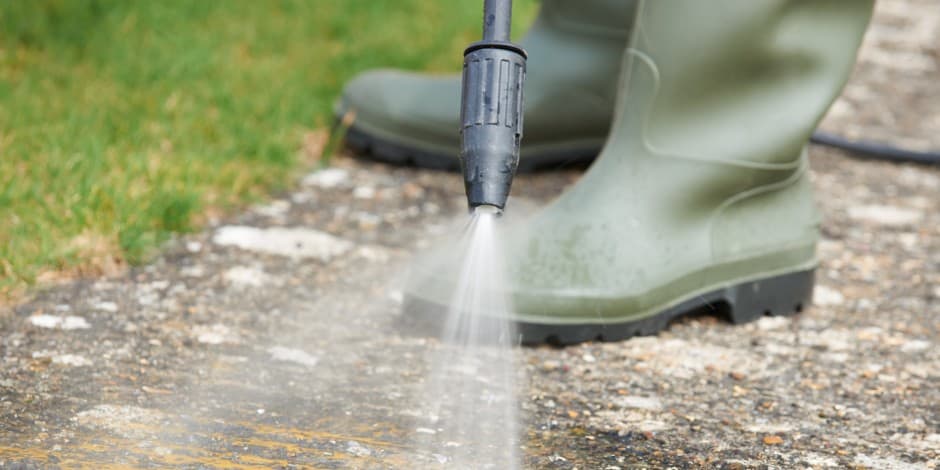
What Exactly Is Soft Washing?
Soft washing relies on a pump sprayer to deliver a low-pressure mixture of water, surfactants, and cleaning chemicals onto exterior surfaces. Operating pressure typically falls between 100 and 300 PSI—far gentler than a traditional pressure washer. The cleaning power comes from the chemical solution rather than brute force.
Common cleaning agents in a soft wash solution include sodium hypochlorite (bleach), sodium hydroxide, algaecides, and plain water. Neutralizers are frequently added to limit the environmental impact of chemical runoff on nearby plants and landscaping. Chemical compatibility is a critical factor when choosing a pump and system—corrosive surfactants can eat through components that aren't rated for them.
Soft washing effectively removes:
Surfaces well-suited for soft washing include:
Related Reading
5 Features to Look for in Soft Wash Pump Systems →
What Is Pressure Washing?
Pressure washing—sometimes called power washing—blasts exterior surfaces with a high-pressure water stream typically ranging from 1,300 to 2,800 PSI. It's designed to remove the same types of stains and buildup that soft washing handles, including loose paint, caked mud, embedded dust, and stubborn grime. The key difference is that pressure washing accomplishes this through raw water force, usually without any chemicals at all.
That force is a double-edged sword. Surfaces that are intended to remain soft—or that have any risk of damage—should not be pressure washed. Mortar and grout can be blasted from between bricks or tile. Paint can be stripped right off walls. Asphalt roofing can deteriorate under high-pressure cleaning. Water forced under a home's siding at extreme pressure can create moisture problems behind the wall.
Pressure washing is best limited to hard, durable surfaces such as:
All things considered, a soft wash system is the more versatile of the two methods. It can safely clean a wider range of materials without the risk of physical damage. That said, choosing the right pump setup is just as important as choosing the method—so let's look at what goes into selecting a solid soft wash pump system.
How to Choose the Best Soft Wash Pump System
Performance Benchmark
6.5 GPM at 150 PSI
This is the output range a quality soft wash pump system should deliver. Many operators are surprised by these numbers—they often assume they need double the GPM and PSI.
Nozzle selection determines output. The nozzle you choose controls how much water actually reaches the surface. It's common for operators to pair a 10–11 GPM pump with a nozzle that restricts flow to about 6 GPM. That means they've invested in a pump that's about twice as large as what they actually need. Why does this matter? An oversized pump wastes energy, weighs more, costs more, and takes up valuable truck space.
Energy efficiency is becoming a bigger consideration as well—especially as systems shift from gas-powered to battery-powered and electric models. Legislation in some areas is actively banning gas engines, so running an oversized gas pump is increasingly impractical. A larger pump inevitably comes with a larger price tag, so right-sizing your equipment to match your actual output needs saves money upfront and on the job.
The real key is understanding how flow rates and pressure work together with your nozzle. Proper coverage—getting into and out of every joint and fold on the surface—depends on matching the right nozzle to the right pump. If the output is too weak, you won't achieve even horizontal and vertical coverage. If it's too strong, you risk damaging surfaces.
Chemical compatibility matters too. Make sure you know which surfactants and solutions you'll be running through the system. Many cleaning agents are highly corrosive, and the wrong chemical flowing through an incompatible pump can destroy seals and internal components in short order.
Ready to Upgrade Your Cleaning Setup?
When you're ready to take your operation to the next level, the team at Backyard Provider is here to help. We'll work with you to find the ideal GPM, PSI, and nozzle combination so your soft wash system delivers exactly the output and results you need—no more, no less.
You might also like…
Commercial Cleaning Pump Systems: How Much GPM Do I Really Need?
Explore the guide →