


 Damage
  Loss
Loss  Theft
Theft 


Gas vs.Electric Pressure Washers: Which one is right for you?

Pressure washers have become essential tools for homeowners looking to keep their driveways, decks, patios, siding, and outdoor furniture spotless. They can handle everything from routine cleaning to tough grime removal with ease. But before you invest in one, it helps to understand the difference between the two main types: gas-powered and electric-powered pressure washers.
Pressure washers come in both gas and electric configurations, and each type serves a different purpose. This guide will walk you through everything you need to know — from power output and safety features to maintenance demands and environmental impact — so you can confidently decide which one fits your needs.
6 Important Factors When Choosing Between a Gas and Electric Pressure Washer
Power Output
Power is one of the biggest deciding factors when shopping for a pressure washer. Output is typically measured two ways: gallons per minute (GPM), which tells you how much water flows through, and pounds per square inch (PSI), which tells you how forcefully the water is sprayed. High-PSI models are ideal for stripping paint, cleaning concrete, and blasting away embedded dirt from asphalt surfaces.
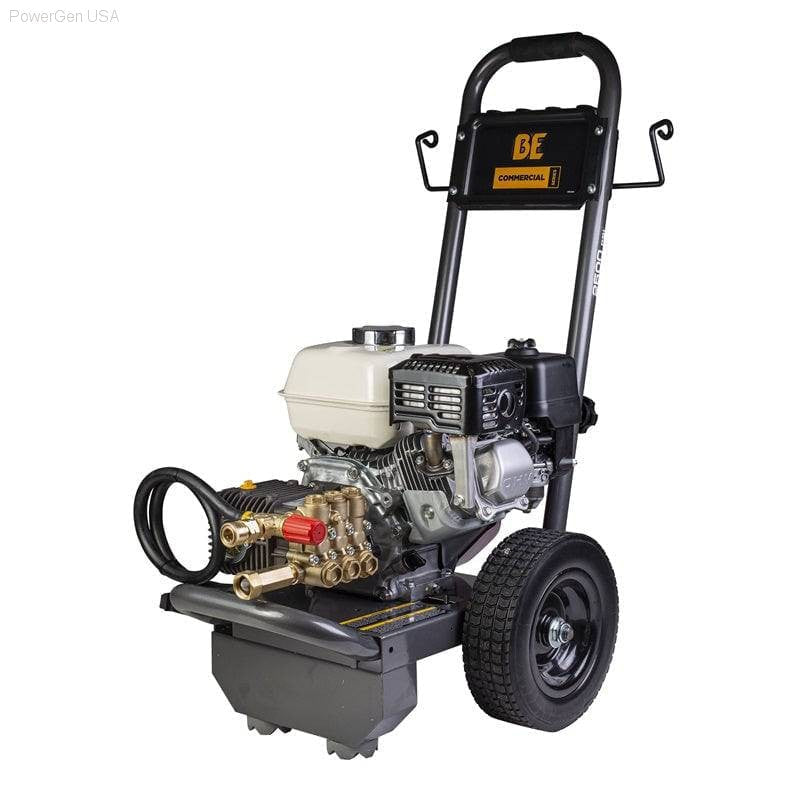
Electric pressure washers are generally considered light-to-medium-duty machines because they produce less raw power compared to gas models. On average, an electric unit will deliver between 1.5 and 2.5 GPM with a pressure rating ranging from 1,500 to 3,000 PSI. Gas pressure washers, by contrast, can range from 2,500 all the way up to 4,000+ PSI, with flow rates between 2.5 and 4 GPM — making them the clear winner for heavy-duty tasks.
⚠ Warning
When pressure is set too high, the water stream from a pressure washer can damage the surface you are cleaning. The type of nozzle and the distance from the surface both matter. Always use pressure washers with care and follow the manufacturer's recommendations.
Safety Considerations
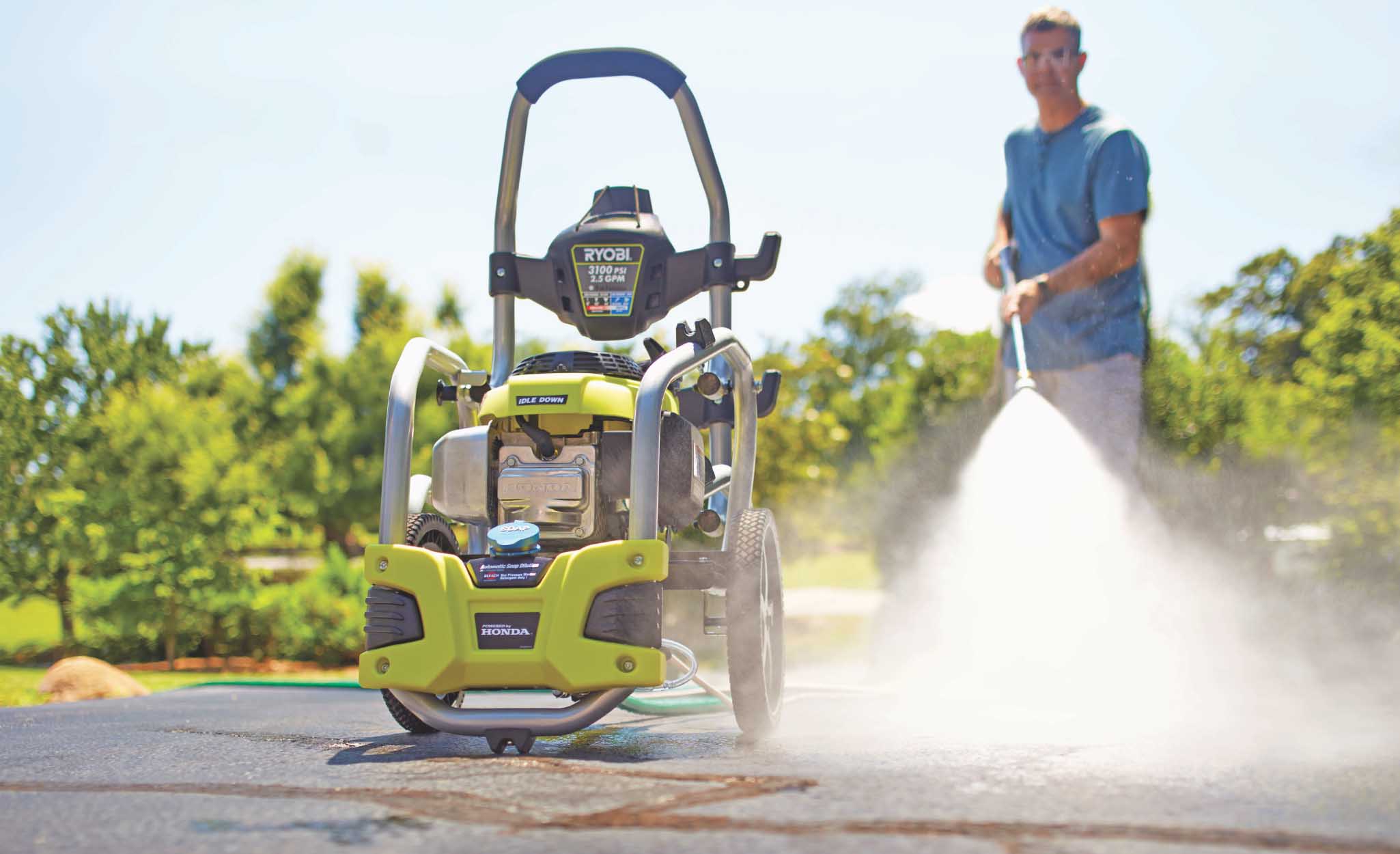
Safety should always be at the forefront when working with any high-powered cleaning tool. Pressure washers are no different. The intense water spray they generate can cause serious physical harm — from skin abrasions and bruising to eye injuries — if the user is careless or inexperienced.
Because gas pressure washers produce significantly more force, they naturally carry a higher risk of injury compared to their electric counterparts. That said, electric models still need to be operated with caution. They use power cords that can become tripping hazards, and the spray they produce is still strong enough to cause harm if aimed incorrectly. Always wear protective gear — including gloves, closed-toe shoes, and safety goggles — and keep a safe distance from the motor exhaust and nozzle tip.
RELATED: How to Use a Pressure Washer to Clean Exterior Surfaces
Maintenance Requirements
People often forget that even frequently used cleaning tools require their own upkeep. Electric pressure washers tend to be simpler to maintain than gas-powered models, but both types still need regular attention to keep running smoothly.
Gas pressure washers use combustion engines that require oil changes, air filter replacements, and fuel system maintenance. The oil should be changed at least once per year, the spark plug must be inspected regularly, and the fuel tank should be drained before long-term storage to avoid starting problems. You also need to lubricate the pump and keep it clean after every use.
Electric pressure washers, on the other hand, don't have engines, oil, or fuel systems to worry about. They simply need periodic inspections of the power cord, hose connections, and spray nozzles. This makes them the far easier option to own long-term if minimal maintenance is a priority for you.
Environmental Impact
Before making a purchase, it is worth considering how your choice will affect the environment. Both types produce waste, noise, and emissions to varying degrees, so it pays to know the differences upfront.
Electric pressure washers are the greener option by a wide margin. They run at roughly 80 decibels — about the same as a standard vacuum cleaner — and produce zero direct emissions since they are powered by electricity rather than gasoline. They do not burn fossil fuels on-site, making them a solid choice for eco-conscious homeowners.
Gas pressure washers, on the other hand, are built for power — not environmental friendliness. They operate at over 100 decibels (hearing protection is recommended), and they release exhaust fumes from burning gasoline. They also use non-renewable fuel, which contributes to their higher carbon footprint. If going green is a priority, an electric model is the better path forward.
Ease of Use
How user-friendly a pressure washer is can play a big role in your decision, especially if you plan on using it regularly. Gas pressure washers are more powerful, but that power comes with added weight and bulk. They can be harder to move around, harder to start, and require fuel management on top of operation.
Electric pressure washers are lighter, more compact, and significantly easier to handle. You simply plug them in, connect the hose, and start cleaning. There are no pull cords, no fuel mixing, and no warm-up time. You do need to stay within range of a power outlet, but as long as you have access to an extension cord, electric models can be used both indoors and outdoors — in your garage, on the patio, or around the yard.
Cost
Pricing can vary quite a bit depending on the brand and feature set, but in general, there is a noticeable gap between the two types. Gas pressure washers tend to be the more expensive option, with average retail prices ranging from $300 to $600 or more. Electric pressure washers are more budget-friendly, typically falling in the $100 to $400 range.
Beyond the sticker price, there are also ongoing operational costs to think about. Electric models run on household electricity, which is relatively cheap. Gas pressure washers require fuel and oil, and the per-use cost of gasoline is noticeably higher over time. Though the difference in running costs is modest on a per-session basis, it adds up over months and years of regular use.
Gas vs. Electric Pressure Washers: Side-by-Side
| Feature | Gas Pressure Washer | Electric Pressure Washer |
|---|---|---|
| Power | More powerful, suitable for heavy-duty jobs | Best for light to medium-duty cleaning tasks |
| Fuel Source | Requires gasoline or diesel fuel | Runs on standard household electricity |
| Portability | Cordless, great for remote areas | Requires outlet access, less mobile range |
| Safety | Higher risk due to stronger spray force | Lower power output reduces injury risk |
| Maintenance | Oil changes, filters, spark plug checks | Minimal — just cord and nozzle inspections |
| Durability | Built tough for long-term heavy use | Solid lifespan with proper care |
| Price | Higher upfront cost ($300–$600+) | More affordable ($100–$400) |
Frequently Asked Questions
What surfaces should you avoid cleaning with a pressure washer?
Steer clear of delicate materials like glass, painted surfaces, thin wood panels, and electrical fixtures. The high-pressure spray can crack glass, strip paint, and force water into areas where moisture can cause lasting damage.
How long does a pressure washer typically last?
It depends on usage frequency and how well you maintain the unit. Check the hour rating from the manufacturer to get a baseline. For example, if your pressure washer is rated for 500 hours and you use it around 50 hours per year, you can reasonably expect it to last about 10 years.
Can a pressure washer be used indoors?
Electric pressure washers can technically be used in sheltered or semi-enclosed spaces like garages and barns because they produce no exhaust fumes. Gas models should only be operated outdoors due to the carbon monoxide they emit. Always ensure proper ventilation regardless of which type you choose.
Ready to find the right pressure washer for your property?
BE 2500 PSI Pressure Washer© Backyard Provider — Your Trusted Source for Outdoor Living Equipment