Damage
  Loss
Loss  Theft
Theft 


6 Economical Ways to Heat Your Pool
Heating a pool well comes down to two things: how you generate the heat and how well you hold onto it. Nobody wants to slip into a frigid pool. Most swimmers find anything below 75°F uncomfortable, and the sweet spot for most people lands between 77° and 82°F.
Heating pool water can get expensive fast — but it doesn't have to. Read on for six smart, budget-conscious strategies that will keep your water warm and your energy bills manageable.

Use Solar Heating as the Primary Source
Run Your Heat Pump During Peak Warmth
Use Pool Blankets to Fight Evaporation
Shield Your Pool from the Wind
Choose a High-Efficiency HPPH & Size It Right
Dial the Temperature Down a Few Degrees
Use Solar Heating as the Primary Source
The cheapest way to heat a pool — above or in-ground — is to do absolutely nothing and let the sun do the work. On hot, sunny days your pool water will warm up all on its own.
Of course, most people have something more reliable in mind when they talk about solar heating. A dedicated solar heating system uses panels or collectors to power an electric pool heater and pump. The upfront cost is significant, but the long-term savings make it one of the most economical options available. Just keep in mind that solar panels need direct sun exposure — if your property doesn't receive consistent full sun, this approach may underperform.
Run Your Heat Pump During the Warmest Part of the Day
Heat pumps are a cost-effective heating solution for pools. The key is timing. Because heat pumps draw warmth from the surrounding air, they operate most efficiently during the warmest hours of the afternoon. Running your pump at the right time is one of the simplest ways to cut heating costs regardless of where you live.
Timing your heat pump to run during peak afternoon warmth can meaningfully reduce your energy consumption each month.
Use Pool Blankets to Control Evaporation
Knowing how to generate heat is only half the battle — preventing heat loss is just as important. Evaporation is a cooling process and the single biggest cause of heat loss in pool water. A quality pool blanket dramatically reduces evaporation when the pool isn't in use.
Automatic pool blanket systems make this effortless. Press a button and a motor rolls the cover in or out along tracks on each side of the pool. A bubble blanket or floating cover sitting directly on the water surface works equally well and costs far less. Either option is among the most practical ways to hold onto the heat you've already generated.
Shield Your Pool from the Wind
Wind creates ripples across the pool surface, which increases surface area and speeds up both evaporation and heat loss. Beyond that, wind continuously sweeps away the thin layer of warm, moist air that naturally sits above the water — making evaporation even worse. Blocking wind exposure is one of the most underrated ways to keep pool temperatures stable.
Fencing and dense vegetation both make excellent windbreaks. Beyond protecting your pool, these features can add to the overall appeal of your outdoor space and contribute to year-round energy savings at home.
Choose a High-Efficiency HPPH and Size It Correctly
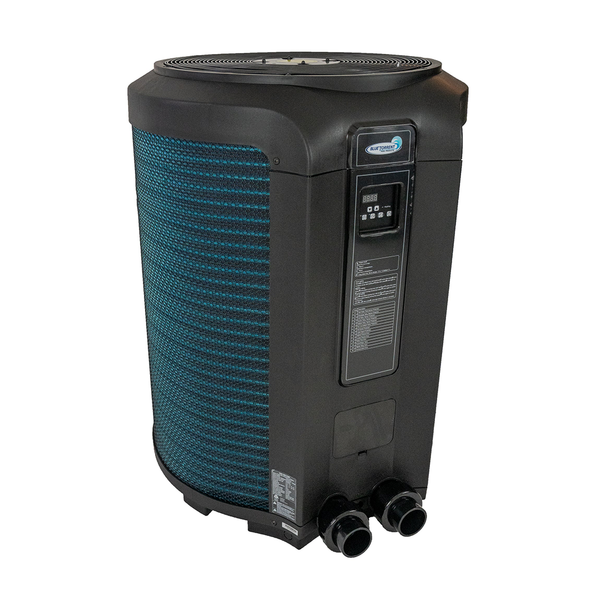
When exploring cost-effective heating options, many pool owners turn to a Heat Pump Pool Heater (HPPH). These units outperform traditional gas, propane, and electric heaters in terms of efficiency. Their efficiency is measured by the Coefficient of Performance (COP) — calculated by comparing the useful heat output per unit of energy consumed. A higher COP means a more efficient unit.
Proper sizing is just as critical as efficiency rating. An undersized unit will struggle to maintain comfortable temperatures, while an oversized one wastes money upfront. Match the unit's BTU output to your pool's volume for the best results.
Reduce the Pool Temperature by a Few Degrees
The warmer you keep your pool, the more energy it takes to maintain that temperature. Research from the U.S. Department of Energy shows that each degree increase in pool temperature can cost 10–30% more to maintain, depending on your local climate. It takes less energy to hold a slightly cooler pool warm, because you're working with — not against — the surrounding ambient temperature.
Lowering your target temperature by just 2–3°F can produce noticeable savings without sacrificing swim comfort. Pool temperature regulation is a feature of many modern automated pool control systems.
More Ways to Boost Your Pool's Efficiency
-
Limit Water EvaporationPool blankets and wind barriers work together to reduce evaporation and resulting heat loss significantly.
-
Install an Energy-Efficient Heat PumpPool heat pumps are the most energy-efficient heating option available for inground pools in most climates.
-
Switch to Energy-Efficient Outdoor LightingLED pool and yard lights consume far less power than traditional incandescent fixtures. Solar-powered lights reduce consumption even further.
-
Heat Only When You Plan to SwimKeep the pool temperature in the low-to-mid 70s during off-hours, then raise the heat an hour before swimming. Cover the pool immediately after to retain warmth.
-
Stay on Top of MaintenanceClean, well-maintained pumps and filters run smoothly and efficiently — saving money on energy bills and extending equipment life.
Ready to Heat Smarter?
Upgrade to a high-efficiency heat pump and start enjoying your pool at the perfect temperature — without the energy bill shock.