


 Damage
  Loss
Loss  Theft
Theft 


How to Install a Range Hood: A Complete Step-by-Step Guide
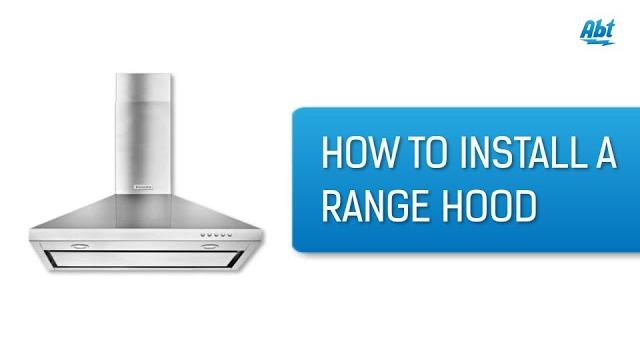
Getting Started
Using a gas or electric cooktop without adequate ventilation fills your kitchen with grease particles, moisture, and lingering cooking odors. Over time, this can degrade surfaces, promote mold, and make your kitchen an unpleasant place to spend time.
For efficient airflow management, selecting the right range hood for your kitchen is essential. Whether you're outfitting a brand-new home or swapping out an aging unit, the first move is always identifying the correct size.
You'll discover a wide assortment of range hoods on the market — wall-mounted, under-cabinet, island, and insert styles — each offering unique looks and airflow capabilities. The single most important specification is ensuring the hood's width matches (or ideally exceeds) the footprint of your cooktop. A general best practice is to choose a hood that spans at least the full width of your cooking surface.
Once you've settled on the ideal unit, the installation process is more approachable than most homeowners expect. Follow the steps below to safely and properly mount your new range hood directly over your cooktop.

Prepare for Your Range Hood Installation
Before doing anything else, safety comes first. Grab a pair of protective goggles and a dust mask — you'll be generating debris during parts of this project. Clear the surrounding area of anything fragile or flammable, and sweep away loose particles near the vent openings.
Crucially, shut off the electrical power to the range hood circuit. Head to your breaker panel, flip the corresponding switch, and then verify at the unit that no power is flowing.
Pro Tip: Check with your local building authority to see whether a permit is required. Some municipalities and counties mandate permits for range hood installations, and you may need a licensed electrician to handle certain steps to stay code-compliant.
Remove the Existing Range Hood
The opening phase of any range hood installation involves taking down the old unit. It helps to have a second person nearby to support the weight as you detach it from the wall or cabinet.
Unplug the old hood and carefully disconnect any attached wires or connectors. While someone steadies the unit, remove the mounting screws and gently lower it away from the wall.
At this stage, confirm that the replacement hood covers the full cooking area and lines up with the existing cutout. Refer to the manufacturer's manual for the recommended mounting height — this usually depends on whether you have a gas or electric range.
Inspect the vent duct direction carefully. It may exit through the cabinet above, straight through the wall behind, or out through the ceiling. Most hoods support multiple configurations, but the path determines which adapter fittings and elbows you'll need.

Locate and Mark the Vent Holes
Begin by removing the filter, exhaust fan, and the electrical housing cover from your new hood. This gives you clear access to the interior and makes it far lighter to handle.
If this is a fresh installation in a home without a previous hood, you'll likely need to knock out the rear panel using a hammer and screwdriver to access the electrical junction and duct connections.
Hold the hood up against the intended mounting area — again, a helper makes this much easier. Use a level to ensure it sits perfectly horizontal, then use a pencil to mark where the fastener holes and duct opening should go. Also note where the electrical cable will need to pass through.
Cut the Hole for the Range Hood Exhaust
With your marker locations set, it's time to concentrate on cutting the exhaust route. When installing a hood for the first time, you'll need to select which direction the ductwork will run. Use a stud finder to check the intended path for obstructions — in older homes especially, confirm there are no hidden pipes or wiring in the way.
Next, use a reciprocating saw or hole saw to bore a path through the drywall for the duct. For best results, measure and mark your circle or rectangle carefully before cutting. Ensure the opening extends cleanly all the way through the exterior wall.
Be cautious while cutting — avoid studs, existing plumbing, and electrical lines. Take your time and drill slowly.
Cut the Exterior Wall
Head outside and find the holes you just drilled through the interior wall. Connect them by drawing an outline on the exterior surface showing exactly where the vent cap will sit.
Using a reciprocating saw, carefully cut along the marked outline. Remove any siding, insulation, or sheathing material from around the duct area to create a clean, flush opening.
Attach the Hood's Air Duct
After the wall opening is complete, install the duct wall cap from the outside. Check whether the duct can reach the hood; if it falls short, you may need to return to the hardware store for an extension piece or adapter.
If your duct reaches properly, attach the extension with sheet metal screws and some quality duct tape. Secure the vent cap firmly by sliding it into position and screwing it to the exterior surface.
Finally, apply a bead of exterior-grade caulk around the entire perimeter of the cap to seal it against the weather. This prevents moisture, drafts, and insects from getting inside.
Run Power to the Range Hood and Connect the Wires
Double-check that the breaker is still off and verify there is zero current flowing before touching any wiring.
Run a cable from your nearest electrical outlet or junction box through the hole cutout, then strip the cable sheathing and connect it to the hood's wiring knockouts.
To mount the hood securely, install the included mounting brackets and drive screws into the surrounding studs and cabinet framing.
Match the wire colors: connect white to white, black to black, and green (ground) to green using wire nuts. Twist them tightly, then tuck the connections neatly inside the electrical housing cover and reattach it.
⚠ Important: If you're not comfortable working with electrical wiring, hire a licensed electrician. Improper connections can lead to fire hazards or electrical shock.
Reinstall the exhaust fan and filter, flip the breaker back on, and give your brand-new range hood a test run. Congratulations — you're ready to cook with confidence!

Breathe Easier in Your Kitchen
A properly installed range hood transforms your cooking experience — cleaner air, less grease buildup, and a kitchen that stays fresh. Explore our full selection of ventilation solutions at Backyard Provider.