


 Damage
  Loss
Loss  Theft
Theft 


Installing a New Range Hood: Your Complete Guide
Is your current range hood making too much noise, covered in grease buildup, or just not pulling its weight anymore? It might be time for a fresh upgrade. Range hoods rank among the hardest-working and most frequently used appliances in any kitchen, so choosing one that operates smoothly and complements your space is essential.
Swapping out a dated range hood for a modern unit can transform your entire cooking experience. That said, the journey from selection to installation raises plenty of questions — from choosing between ducted and ductless setups to understanding under-cabinet versus wall chimney designs, and figuring out the right CFM and sone ratings for your space.
This guide walks you through every step of installing a new range hood — from picking the ideal style and power level to understanding mounting solutions. We'll also highlight some top-performing models to match a range of budgets and kitchen aesthetics. Let's dive in!
Selecting the Right Model: Style, Power & Dimensions
Narrowing down the ideal range hood starts with understanding a few critical specifications. Here's what matters most:
Mounting Style
Range hoods are available in five primary configurations: under-cabinet, chimney wall-mount, island, downdraft, and insert. Factor in your cooktop placement, cabinet height, and design preferences when making your choice.
Airflow (CFM)
A hood's effectiveness is measured in CFM — cubic feet per minute of airflow. As a general rule, aim for 500+ CFM for commercial-sized ranges, 400+ for pro-style setups, and 300+ for standard stovetops.
Noise Level (Sones)
Target 3 sones or fewer for a quieter cooking environment. Units with 2 sones or less are significantly more peaceful, creating a far more pleasant atmosphere in your kitchen.
Venting Options
Most hoods exhaust air outside, while ductless models use recirculation filters. If you're planning an external duct setup, verify that exhaust requirements align with your kitchen's existing infrastructure.
Width
Select a hood that matches or slightly exceeds your cooktop's width. A wider unit captures steam and grease more effectively, keeping your kitchen cleaner.
By weighing these specifications carefully, you'll be well-equipped to choose a range hood perfectly suited to your kitchen's needs and your personal preferences.
Top Range Hood Picks by Type
Here are our curated recommendations for today's best-performing range hoods across the most popular mounting styles:
Elica ETT430SS

This 30-inch, 400-CFM under-cabinet hood comes equipped with a 3-speed blower and LED lighting, all controlled through sleek electronic touch panels hidden behind the visor when idle. It's an ideal match for compact kitchens where under-cabinet real estate is at a premium.
Thor Kitchen TRH4806
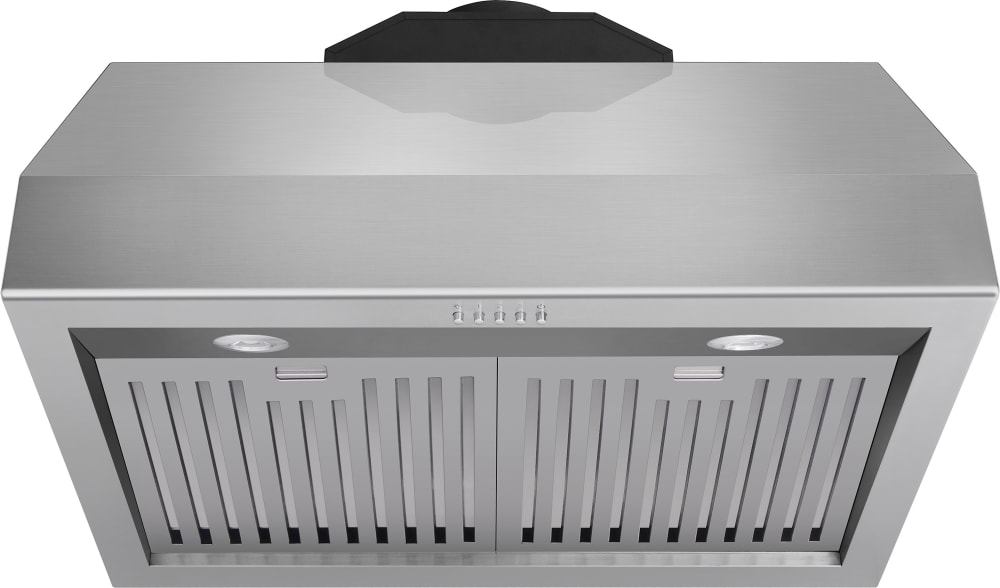
The Thor Kitchen TRH4806 is a commanding 48-inch range hood delivering a robust 1,200 CFM. It mounts effortlessly on any open wall and can also tuck under a cabinet if needed. With its brushed stainless steel exterior, it offers both serious power and refined visual appeal.
Monogram UVD6301SPSS

This downdraft ventilation system offers a wonderfully discreet exhaust solution. Rather than hovering above, it integrates into your countertop behind the stove. When activated, the telescoping mechanism rises to provide up to 500 CFM of airflow — then disappears when you're done.
Understanding Your Ventilation Requirements
While aesthetics and finishes may initially catch your eye, performance should always be the deciding factor. Take time to evaluate your kitchen's dimensions, stove output measured in BTUs, and any ducting constraints or limitations before settling on CFM power, noise rating, or venting style. Reading through manufacturer manuals will give you the clearest picture of a model's true capabilities.
For more complex ductwork routing or if you're uncertain about airflow calculations, consider enlisting the help of a professional. HVAC technicians and vendor specialists can provide tailored recommendations that account for every variable in your unique kitchen layout.
Preparing the Installation Space
Once you've locked in the ideal range hood for your kitchen, it's time to prepare for installation. Start by thoroughly reviewing all installation instructions and wiring diagrams that came with your specific model. Keep the packaging and all hardware organized and within reach.
Safety comes first — make sure all electrical connections are shut off at the breaker before the hood is secured and ready for wiring. Gather your tools in advance: screwdrivers, brackets, screws, and a drill are the essentials for most setups.
For larger wall-mount chimney hoods, use a helper, step ladder, or temporary brace to manage the weight while securing it to wall studs or ceiling beams. Locate studs with a stud finder beforehand, and pre-drill any ventilation holes before locking the unit into its final position. Confirm all ductwork or wiring runs reach the correct point before committing to a permanent mount — this prevents headaches if disassembly becomes necessary later.
With your prep complete, you can confidently mount your new range hood and get back to cooking. If any concerns about building code compliance or structural modifications arise, consult a licensed professional — it's always better to be safe with overhead installations.
For additional details on venting calculations, layout specifics, or installation procedures, manufacturers and vendors are typically happy to assist. With the right hood properly installed above your stove, you'll enjoy years of improved air quality, easier cleanup, and a kitchen that looks and feels professionally finished.
Featured Product
Bosch DHR1FZUC Remote Fan Unit
Upgrade your kitchen ventilation with this reliable Bosch remote fan unit — engineered for quiet, powerful performance.
Bosch DHR1FZUC Fan Unit →