


 Damage
  Loss
Loss  Theft
Theft 


6 Types of Range Hoods: How to Choose the Right One
Proper ventilation in the kitchen is essential for keeping your cooking space clean and free from lingering smoke, grease, and odors. Range hoods handle that job — pulling contaminated air away from your cooktop so your kitchen stays fresh and comfortable. But with so many types available, finding the right one can feel overwhelming.
Whether you are building a brand-new kitchen or upgrading an existing setup, understanding the different styles, venting methods, and performance ratings will help you make a confident decision. Below, we break down the six most common range hood types, explain how venting works, and cover the specifications that matter most.
Range Hood Styles
Each range hood style is designed for a specific kitchen layout. Here is a closer look at the six main options.
1. Wall-Mount Canopy Hoods
Most Popular Choice
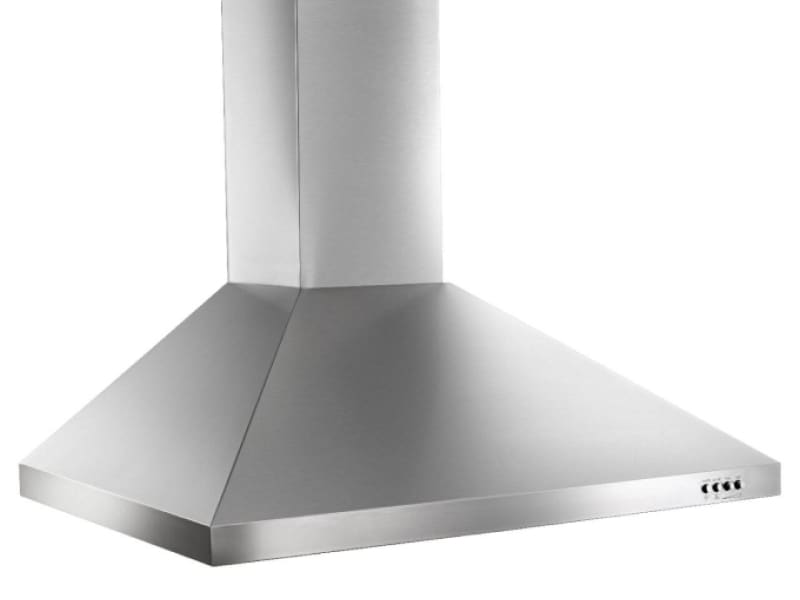
Wall-mount canopy hoods attach directly to the wall and sit above your range or cooktop. They are the most recognizable style, featuring a wide canopy that captures smoke and steam rising from the cooking surface. Many models include a decorative chimney that extends upward to conceal the ductwork.
These hoods come in a variety of finishes — stainless steel, matte black, copper, and more — so they can complement virtually any kitchen design. They suit kitchens where the range sits against a wall rather than on an island.
Wall-mount canopy hoods are available in sizes ranging from 30 inches to 60 inches wide, and they often come with built-in lighting and multiple fan speeds, giving you full control over ventilation intensity.
2. Island Canopy Hoods
For Open Kitchen Layouts
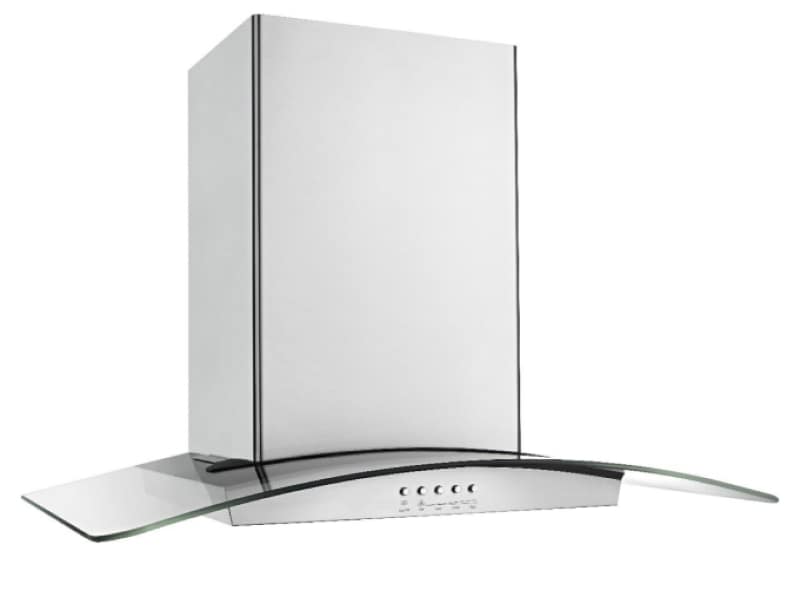
Island canopy hoods are mounted to the ceiling directly above a cooktop positioned in the center of the kitchen island. Because they are not anchored to a wall, they pull air from all four sides, which requires a slightly more powerful motor to capture everything effectively.
These hoods often become a striking visual centerpiece, drawing the eye upward with sleek lines and bold materials. They pair especially well with modern, open-concept kitchens where the island serves as the primary cooking and entertaining area.
Installation is a bit more involved because the ductwork needs to travel through the ceiling, but the result is a clean, dramatic look that elevates the entire space.
3. Under-Cabinet Hoods
Space-Saving Solution
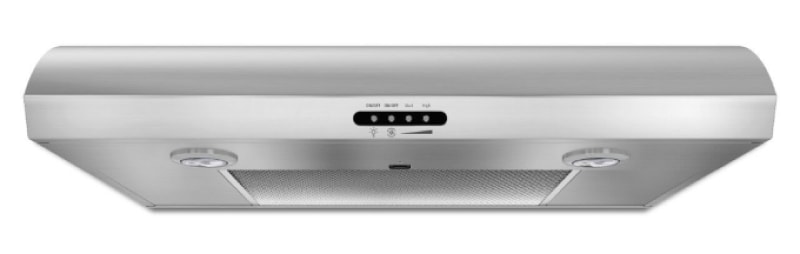
Under-cabinet hoods are tucked beneath an existing wall cabinet, making them one of the most space-efficient options available. Their slim design keeps the profile low while still delivering solid airflow performance across the cooking surface.
They come in both ducted and ductless configurations, offering flexibility depending on your kitchen setup. Many under-cabinet hoods include built-in lighting that illuminates the stovetop, replacing the need for separate task lights.
If cabinet space is limited or you prefer a minimal look that blends into the cabinetry, an under-cabinet hood is a practical and budget-friendly choice. Some models feature a slide-out visor for extra coverage when cooking.
4. Microwave Hood Combinations
Two-in-One Convenience
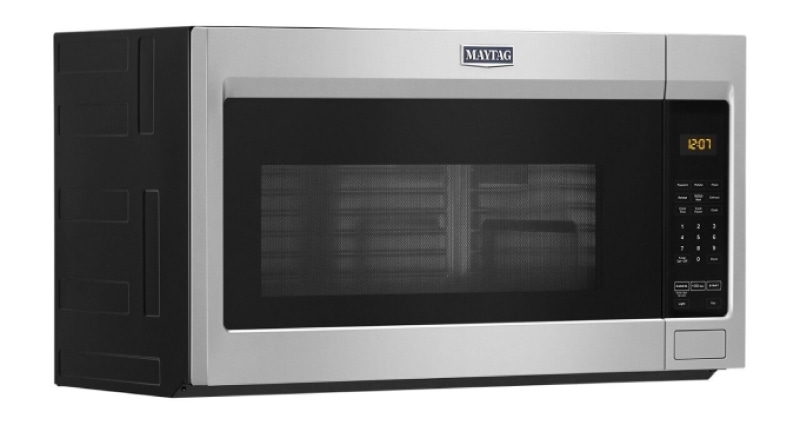
Microwave hood combinations serve double duty — functioning as both a microwave oven and a ventilation hood in a single unit. They mount above the range in the same space where an under-cabinet hood or over-the-range microwave would normally go.
These appliances are ideal for smaller kitchens where counter space is at a premium. Instead of dedicating separate areas for a microwave and a range hood, you get both functions combined into one compact package.
Keep in mind that microwave hood combos typically offer lower CFM ratings compared to dedicated range hoods, so they work best for light to moderate cooking. If you regularly cook on high heat or deep-fry, a standalone hood with higher airflow may be a better fit.
5. Retractable Downdraft Hoods
Hidden Ventilation
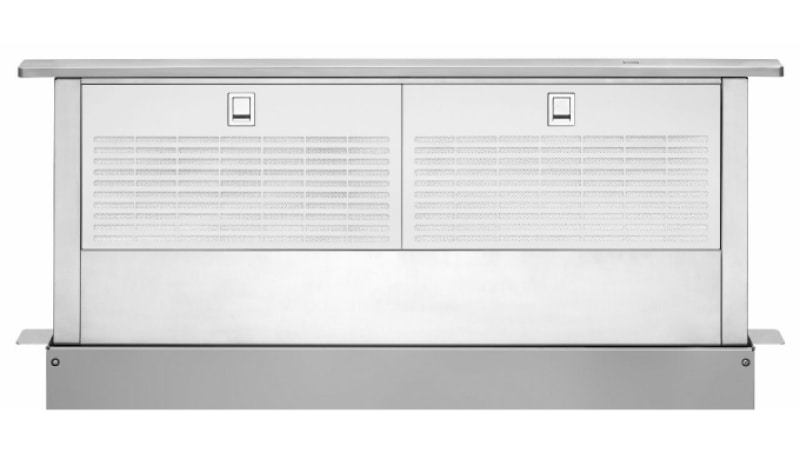
Retractable downdraft hoods stay completely hidden inside the countertop or cooking surface when not in use. With the push of a button, a vent panel rises behind or beside the cooktop to pull smoke and steam downward and away through ductwork beneath the floor or cabinet.
These systems are a favorite for island cooktops where overhead hoods are not desired, and they also work well in kitchens with low ceilings or open sightlines you want to preserve.
Downdraft hoods tend to have somewhat lower capture efficiency than overhead models because they work against the natural upward movement of heat and steam. They perform best with lower-profile cookware and moderate heat levels.
6. Range Hood Liners
Custom Built-In Option'
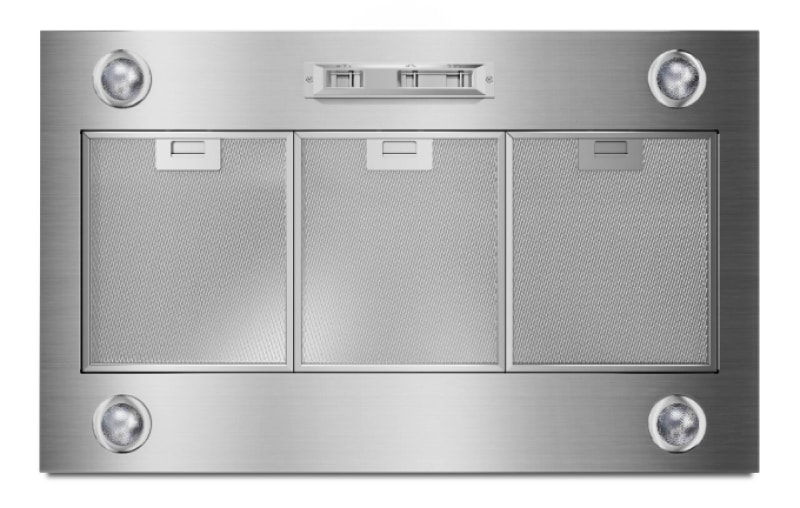
Range hood liners — also called hood inserts — are the internal ventilation components that fit inside a custom-built enclosure or decorative canopy. Instead of purchasing a finished hood, you install the liner into cabinetry or a custom cover designed to match your kitchen exactly.
This approach gives you total control over the look of the hood. You can match wood tones, paint finishes, or architectural details that a factory-made hood could never replicate. The liner itself contains the blower, lighting, and filters.
Hood liners come with a range of blower strengths and sizes, so you can pair the right level of ventilation power with the aesthetic shell you have in mind. They are an excellent choice for high-end kitchen remodels where design continuity matters.
Range Hood Venting Options
Once you have settled on a style, the next decision is how the hood will move air. There are three main venting configurations to know about.
What Is a Ducted Range Hood?
A ducted (or vented) range hood uses physical ductwork to channel contaminated air from your kitchen to the outside of your home. This is the most effective venting method because it completely removes smoke, grease, moisture, and odors rather than recirculating them. Ducted hoods require an exterior wall or roof vent, so installation involves cutting through the building envelope. If your kitchen already has ductwork from a previous hood, connecting a new ducted model is usually straightforward.
What Is a Ductless Range Hood?
A ductless (or recirculating) range hood draws air through filters — typically a combination of grease mesh and activated charcoal — and then pushes the cleaned air back into the kitchen. Because no exterior vent is needed, ductless hoods are easier and less expensive to install. They are a practical solution for apartments, condos, or any kitchen where running ductwork to the outside is not feasible. However, they do not remove humidity or heat, and the charcoal filters need to be replaced periodically to maintain performance.
Is a Ducted or Ductless Range Hood Better?
There is no single right answer — it depends on your kitchen setup, cooking habits, and budget. Ducted hoods deliver superior air quality because they exhaust contaminants entirely. Ductless hoods offer more installation flexibility and lower upfront costs. If you frequently cook with high heat, do a lot of frying, or produce heavy smoke, a ducted hood will serve you significantly better. For lighter cooking routines, a ductless model can be perfectly adequate.
What Is a Convertible Range Hood?
Convertible range hoods give you the option to operate in either ducted or ductless mode. They ship ready for ducted installation, but include a charcoal filter kit or recirculation adapter so you can switch to ductless if needed. This flexibility is valuable if you are unsure about your ductwork situation or plan to move the hood to a different home in the future. Convertible models are available across most hood styles, from wall-mount canopies to under-cabinet units.
What Should I Look for When Choosing a Range Hood?
Beyond style and venting type, several specifications determine how well a range hood will actually perform in your kitchen.
Size and Fit
Your range hood should ideally match or exceed the width of your cooktop. A 30-inch range pairs best with a 30- or 36-inch hood, while a 36-inch cooktop works well with a 36- to 42-inch hood. The extra width helps capture stray smoke and steam at the edges. Mounting height matters too — most manufacturers recommend positioning the hood 24 to 30 inches above the cooking surface for optimal capture without interfering with your line of sight or pot handles.
Venting Strength: CFM Ratings
Venting power is measured in cubic feet per minute (CFM). The number represents how much air the hood can move in sixty seconds. Higher CFM means faster, more complete air clearance. A general rule of thumb is to match at least 100 CFM per linear foot of cooktop width — so a 30-inch range needs roughly 250 to 300 CFM at minimum.
For gas ranges, the calculation changes because gas burners produce more heat and combustion byproducts. The recommendation is typically 1 CFM per 100 BTUs of combined burner output. A gas range rated at 60,000 BTUs would ideally pair with a hood offering at least 600 CFM.
Quietness: DBA Ratings
Nobody wants a range hood that drowns out conversation. Noise levels are measured in decibels adjusted (dBA). Most range hoods operate between 40 and 70 dBA depending on the fan speed. Anything under 50 dBA on the lowest setting is considered quiet. Some higher-end models include sound-dampening insulation and specially designed fan blades to minimize noise even at higher speeds. If your kitchen opens directly into a living or dining area, noise rating should be a priority.
Heat Tolerance: BTU Ratings
If you use a gas range or cooktop, you want a hood that can handle the heat output of your burners without issue. The BTU rating on a range hood indicates the maximum heat it is designed to tolerate. Matching or exceeding your cooktop's total BTU output ensures the hood performs efficiently without overheating components. Most residential gas ranges produce between 40,000 and 80,000 BTUs combined, so check your burner specs and choose a hood rated accordingly.
Can I Install a Range Hood Myself?
If you already have the proper ductwork and electrical connections in place, a straightforward replacement is manageable as a DIY project — especially with under-cabinet or wall-mount models. However, if you need to run new ductwork, reroute electrical wiring, or cut through exterior walls, hiring a qualified contractor is strongly recommended. Incorrect installation can reduce performance, create fire hazards, or violate local building codes.
Quick Reference: Range Hood Types at a Glance
| Hood Type | Best For | Venting Options | Difficulty |
|---|---|---|---|
| Wall-Mount Canopy | Ranges against a wall | Ducted / Convertible | Moderate |
| Island Canopy | Kitchen islands | Ducted | Advanced |
| Under-Cabinet | Small kitchens | Ducted / Ductless | Easy |
| Microwave Combo | Multi-use spaces | Ductless / Convertible | Moderate |
| Retractable Downdraft | Clean sightlines | Ducted | Advanced |
| Hood Liner / Insert | Custom kitchens | Ducted | Advanced |
Choosing the Right Range Hood: Final Thoughts
The best range hood for your kitchen is the one that matches your layout, accommodates your cooking habits, and fits within your budget. Start by identifying which style works with your kitchen design — wall-mount, island, under-cabinet, or something more specialized. Then, decide whether ducted or ductless venting makes sense for your situation.
Finally, pay close attention to the numbers: CFM for airflow power, dBA for noise comfort, and BTU compatibility for gas ranges. Getting these details right means you will end up with a ventilation system that works hard and lasts for years.