


 Damage
  Loss
Loss  Theft
Theft 


The Complete Guide to Using an Electric Smoker Correctly
Master the art of smoking with our comprehensive guide to electric food smokers
The world of cooking has transformed dramatically over the years. Gone are the days when you had to rely solely on word of mouth or wait months for a new cooking magazine to arrive. Today, with countless online resources and blogs at your fingertips, discovering new recipes and techniques has never been easier. This technological evolution has also revolutionized cooking appliances, bringing us sophisticated tools that make culinary adventures accessible to everyone.
Throughout the decades, cooking techniques have evolved to meet the demands of modern consumers. Smoking, once primarily a method for food preservation, has transformed into one of the most beloved cooking techniques worldwide. This evolution has given rise to various types of food smokers, with electric smokers emerging as a popular choice for both beginners and seasoned pitmasters alike.
What Are Electric Smokers?
Electric smokers are versatile outdoor and indoor cooking devices that utilize electricity as their primary heating source, making the entire smoking process remarkably fast and convenient. Whether you're a weekend warrior looking to impress at your next backyard gathering or a dedicated BBQ enthusiast seeking consistent results, understanding how to properly use an electric food smoker will unlock the best cooking experiences imaginable.
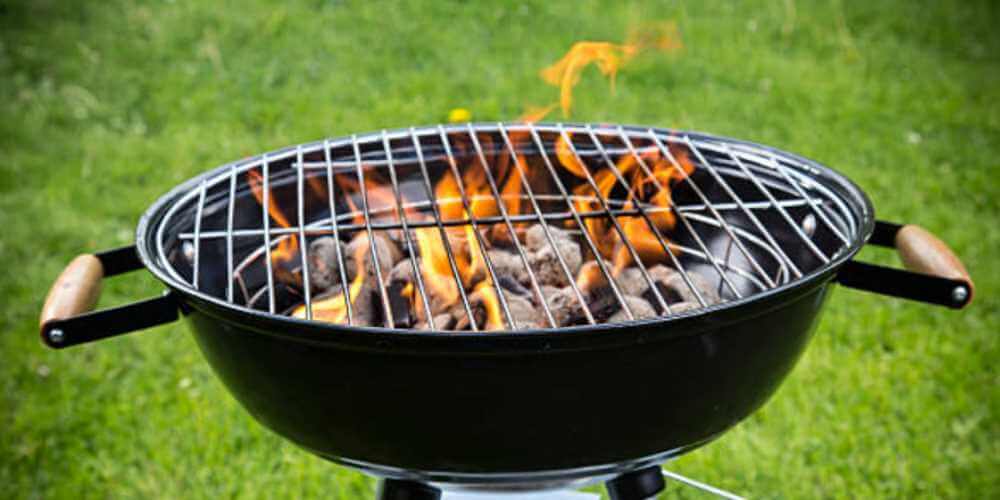 Using an Electric Food Smoker
Unlike traditional smokers that require constant attention and fuel management, electric smokers harness electricity as their main heat source. This fundamental difference makes them exceptionally environmentally friendly and incredibly easy to operate since you don't need to constantly monitor fuel levels or adjust airflow manually.
To truly understand how to maximize your electric food smoker experience, let's explore its essential components and features in detail.
Essential Components of Your Electric Smoker
Wood Chip System
Premium electric smokers dispense pucks of aromatic woods known as Bisquettes. These specialized wood pucks produce consistent, pure smoke and are available in numerous flavors including hickory, pecan, apple, and maple, allowing you to customize your smoke profile.
Water Pan
Located just above the wood chip tray, the water pan should be filled with cold water during smoking. As the smoker heats up, this water transforms into steam, creating a convection cooking effect that keeps your meat incredibly moist and tender.
Smoker Racks
These are the surfaces where you place your meat for smoking. Many racks are also compatible with cast iron skillets, giving you the versatility to roast vegetables, bake desserts, or prepare side dishes alongside your main protein.
Vents and Dampers
These crucial components allow excess heat to escape while ensuring efficient airflow throughout the smoking process. Proper vent management is key to achieving that perfect smoky flavor without overpowering your food.
Setting Up Your Food Smoker: Step-by-Step Guide
1 Season Your Electric Smoker
Before your first use, power on your smoker while it's empty and let it run for several hours. This essential seasoning process removes dust, manufacturing residues, and other particles from the cooking racks and stainless steel housing. Heat your smoker to between 250-275°F (121-135°C) and maintain this temperature for approximately three hours. Once complete, turn it off, open the door, and allow it to cool naturally.
2 Set the Desired Temperature and Time
Adjust your smoker to the optimal smoking temperature based on what you're cooking and your personal preferences. For beef cuts like brisket or ribs, preheat your food smoker to approximately 225°F (107°C). Different proteins require different temperatures, so consult your recipe or the smoker's manual for guidance.
3 Prepare the Water Pan
Fill a container with water and place it in the designated area within the smoking chamber. This moisture is crucial for keeping your meat succulent and juicy as the water gradually evaporates throughout the cooking process, creating a humid environment that prevents your food from drying out.
4 Allow Adequate Cooking Space and Time
Electric smokers are engineered to cook at lower temperatures compared to traditional grills, which enhances flavor development and produces exceptionally tender meat. Be patient and give your meat the time it needs to smoke properly until it reaches the perfect internal temperature. Also ensure adequate spacing between items for optimal smoke circulation.
Cleaning Your Electric Food Smoker
To ensure your electric smoker maintains optimal performance and enjoys an extended lifespan, proper cleaning after every use is essential. Here's how to keep your smoker in pristine condition:
Step 1: After completing your smoking session, unplug the food smoker and allow it to cool down completely before handling any components.
Step 2: Carefully remove all accessories from inside the smoker, including the grill racks, drip tray, and water pan.
Step 3: Using a slightly damp towel, brush away debris and then gently scrub with a kitchen sponge to remove any grease, fat residue, or smaller particles that accumulated during cooking.
Step 4: Wipe down the interior and exterior of your electric smoker with a clean, damp cloth and allow everything to dry completely before storage.
Why Invest in an Electric Smoker?
Perfect for Beginners
Consistent Temperature
Multiple Wood Options
Easy to Power On
Environmentally Friendly
Low Maintenance
Electric smokers offer an accessible entry point into the world of smoking while still delivering professional-quality results. Their ease of use, combined with precise temperature control, makes them the ideal choice for anyone looking to elevate their outdoor cooking game without the steep learning curve of traditional smokers.
Ready to Start Smoking?
Experience the convenience and precision of digital electric smoking with our featured Bradley Smoker model.
Bradley 6-Rack Digital SmokerFinal Thoughts
Mastering an electric food smoker is far from complicated, but it does require understanding the fundamentals. Keep in mind that different brands and models may have slight variations in operation, so always consult your specific smoker's manual for the best results. With practice and patience, you'll be producing restaurant-quality smoked meats, fish, and vegetables that will have your family and friends asking for your secrets. Happy smoking!
For more tips, tricks, and premium outdoor cooking equipment, explore our complete collection at Backyard Provider.