


 Damage
  Loss
Loss  Theft
Theft 


How to Set & Adjust a Hydraulic Pressure Relief Valve
A hydraulic pressure relief valve is a protective device engineered to regulate or cap the pressure within a hydraulic circuit. When internal pressure climbs past a predetermined threshold, the valve opens automatically, rerouting surplus fluid back to the reservoir and shielding every downstream component from damage.
Proper calibration of this valve isn't optional — it's the single most important step you can take to prevent costly blowouts, leaks, and premature wear across your entire hydraulic setup.
How Does a Pressure Relief Valve Work?
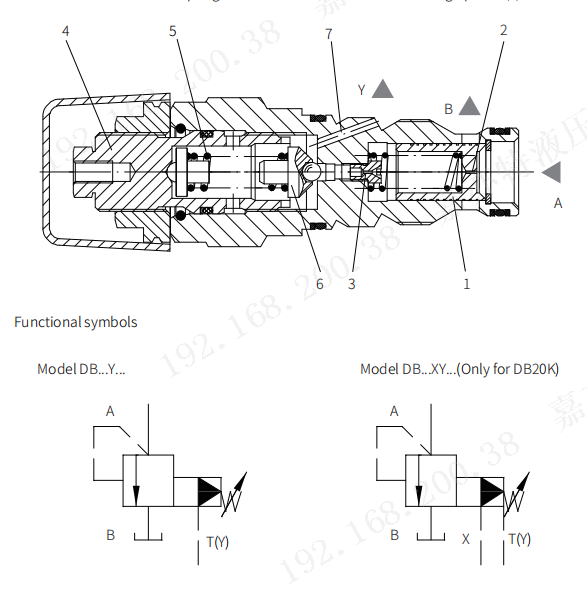
Understanding the internal mechanics helps you make smarter adjustments later. Here's what happens inside the valve body during normal and over-pressure conditions:
Spring Mechanism
Under normal operating pressure the spring holds the spool firmly shut. Once pressure exceeds the spring's calibrated force, the spool shifts and fluid is diverted.
Pressure Regulation
As long as the valve stays open, it sustains a nearly constant relief pressure. The damping orifice minimizes spool vibration, delivering smooth, stable flow control.
Internal Leakage
A small amount of fluid seeps into the spring chamber by design, then drains back to the tank — keeping the valve lubricated and thermally balanced.
Why Proper Valve Adjustment Matters
Safety
Stops dangerous over-pressurisation that can lead to burst hoses, cracked fittings, and serious injury.
Efficiency
Keeps the system running within its design envelope, cutting energy waste and reducing heat build-up.
Longevity
Shields pumps, cylinders, and motors from pressure spikes that accelerate seal wear and shorten service life.
Tools You'll Need & Safety Essentials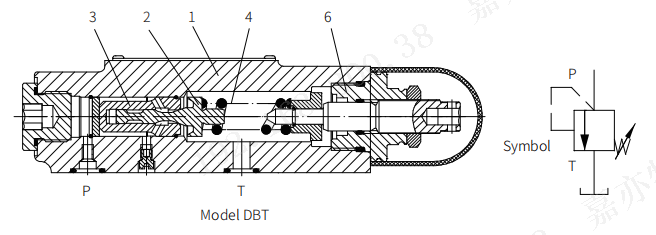
Required Tools
• Calibrated pressure gauge suitable for your system's range
• Wrench or adjustable pliers for lock-nut work
• Flat-blade or hex screwdriver for the adjuster screw
• Manufacturer's spec sheet for your specific valve model
Safety Precautions
• Wear safety glasses, gloves, and protective clothing at all times
• Fully depressurise the circuit before loosening any fittings
• Use only tools rated for the fastener sizes involved
• Log pressure readings before and after every adjustment
Step-by-Step: Setting the Valve Correctly
Locate the Relief Valve & Install a Gauge
Find the pressure relief valve on your hydraulic circuit — it's typically mounted on or near the pump outlet manifold. Thread a calibrated pressure gauge into the closest test port so you can read live pressure throughout the entire procedure.
Release the Locknut & Adjust the Spring
Loosen the locknut on top of the valve. Using a screwdriver, turn the adjustment screw clockwise to raise the relief pressure or counter-clockwise to lower it. Always work in small, measured increments — a quarter-turn at a time is a good rule of thumb — to prevent accidental over-compensation.
⚠ Important: If turning the screw in either direction no longer changes the gauge reading, or if you notice continuous bypass flow, the problem is likely elsewhere — check for internal leakage, return-line back-pressure, or circuit design faults before continuing.
Verify System Pressure
Start the hydraulic power unit and watch the gauge. Compare the live reading against the manufacturer's recommended relief setting. If the pressure overshoots or undershoots, repeat the quarter-turn adjustments until the gauge holds steady at the target value. Once satisfied, tighten the locknut securely to lock the adjuster in place.
Adjusting for Different System Types
Ongoing Monitoring & Maintenance
Even a perfectly adjusted valve needs periodic attention. Schedule routine pressure checks — quarterly is a solid baseline for most applications — and keep an ear out for chattering, whistling, or other abnormal sounds that signal seat wear or spring fatigue. Catching small issues early can extend the valve's useful life well beyond the ten-year mark and protect the larger system from cascading failures.
If you notice a steady drip from the drain port or a gradual drift in relief pressure, those are reliable indicators that the valve internals need inspection or replacement. Don't ignore them.
Power Your Hydraulic Setup
Need a dependable hydraulic power source?
BravePro® Hydra Buddy™ Power PackWrapping Up
Correctly setting and adjusting a hydraulic pressure relief valve is one of the most impactful maintenance tasks you can perform. It safeguards operators, preserves expensive components, and keeps the entire system running within its designed performance window. Follow the steps outlined above, respect the manufacturer's specifications, and commit to a regular inspection schedule — your hydraulic equipment will reward you with years of reliable, trouble-free service.
Frequently Asked Questions
How do I increase or decrease the relief pressure?
Turn the adjustment screw clockwise to raise the cracking pressure or counter-clockwise to lower it. Always adjust in small increments and verify with a gauge after each turn.
What's the general process for calibrating a relief valve?
Calibrate the valve to open at a specific pressure by adjusting the spring tension through the adjuster mechanism. Compare gauge readings against the manufacturer's specs until the two match.
How do I adjust the flow on a hydraulic valve?
Turn the adjustment screw counter-clockwise to increase the effective orifice size and allow greater airflow or fluid passage, thereby raising the actuator's extension rate. Work in small increments for precise control.
Can I change the relief-pressure setting on any valve?
Most pressure relief valves include a user-accessible adjustment feature — typically a screw that alters the spring pre-load. Check your model's documentation to confirm adjustability and to find the allowable pressure range.