


 Damage
  Loss
Loss  Theft
Theft 


Understanding Concrete Mixers: Working Principles and Essential Safety
The Working Principle of Concrete Mixers
A concrete mixer is built to blend cement, aggregate (like sand and gravel), and water into finished concrete. Its core job is to make sure every ingredient combines thoroughly, producing a uniform, pourable mixture. These machines are available in several formats — drum mixers, pan mixers, and truck-mounted units — each suited to different project sizes and requirements.
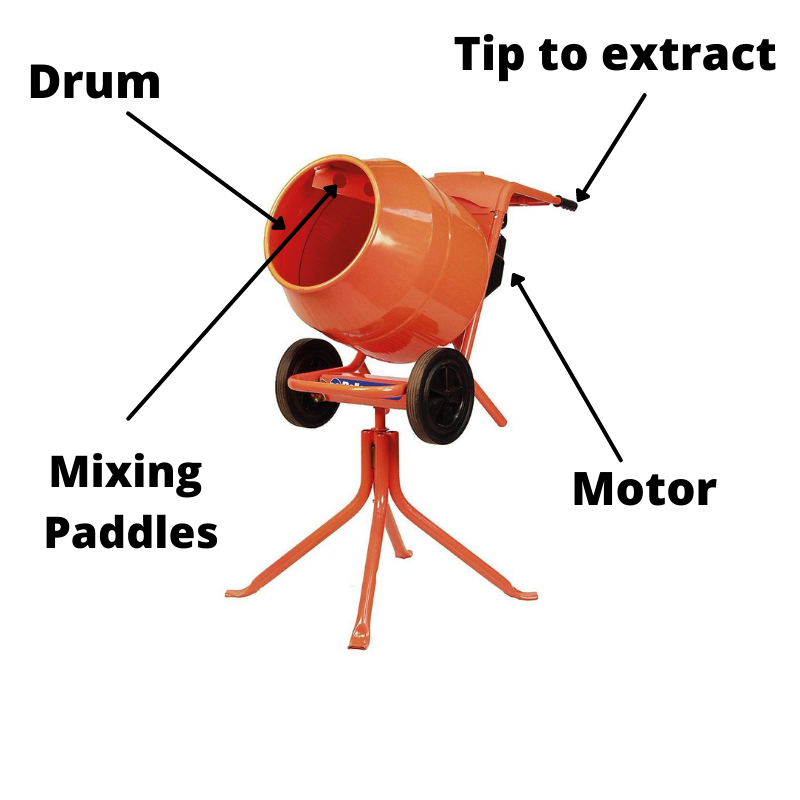
The drum mixer is the most familiar style. It features a rotating drum fitted with interior paddles or blades. Operators load the raw materials — cement, sand, gravel, and water — into the drum, and as it turns, the paddles lift and tumble the contents, blending them evenly. Rotation speed and mixing duration are adjusted to reach the right concrete consistency for the job at hand.
Pan mixers are another common option, often preferred on larger projects. Rather than a rotating drum, they use a fixed pan with rotating paddles that agitate the mix. Pan mixers are valued for their precision and their ability to produce high-quality concrete with tightly controlled mixing.
Key Components of a Concrete Mixer
Drum or Mixing Chamber
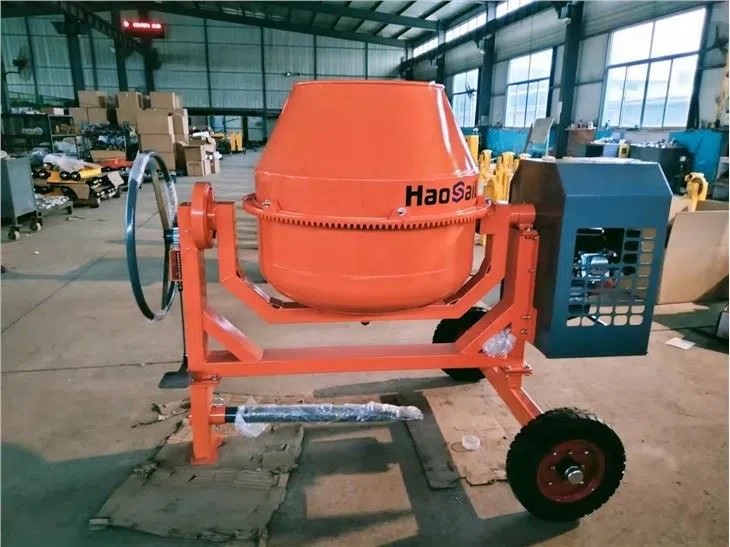
The heart of the machine — where raw materials are loaded and blended. The shape of the drum and the arrangement of its internal paddles directly affect how efficiently the mix comes together.
Drive Mechanism
This is what turns the drum or paddles. Depending on the mixer's size and use case, the drive can be powered by an electric motor or a gas-powered combustion engine.
Loading & Discharging System
Every mixer has a way to load materials in and get finished concrete out. Some feature tilting drums for quick pour-off, while others rely on augers or conveyor systems.
Water Supply System
Water quantity is critical to concrete strength. A dedicated supply system delivers the right amount, and modern mixers often include automated water controls for precise water-to-cement ratios.
Safety Precautions When Using Concrete Mixers
Concrete mixers are workhorses on the job site, but like any heavy equipment, they come with real hazards when handled improperly. Here are the core safety practices every operator should follow:
-
1
Proper Training Running a concrete mixer takes both skill and know-how. Every operator should be properly trained on the specific machine they're using — familiar with its controls, its loading process, and all the safety features built into it.
-
2
Personal Protective Equipment (PPE) Always suit up before operating. Safety glasses, gloves, steel-toed boots, and hearing protection shield you from flying debris, caustic wet concrete, and prolonged engine noise.
-
3
Inspect Before Use Walk around the machine before starting it up. Check for loose bolts, worn belts, damaged guards, and fluid leaks. Catching a problem early prevents a breakdown — or an injury — mid-pour.
-
4
Keep Hands Clear of Moving Parts Never reach into the drum or near the paddles while the mixer is running. Shut the machine off completely and let all moving parts come to a full stop before clearing jams or adding material by hand.
-
5
Set Up on Stable Ground Place the mixer on level, firm ground so it doesn't tip or shift during operation. Uneven footing is a common cause of mixer accidents and can also throw off the mixing action.
-
6
Routine Maintenance Follow the manufacturer's maintenance schedule. Regular cleaning, lubrication, and part inspection extend the life of the machine and keep it running safely day after day.
Ready to Upgrade Your Job Site?
Power through your next project with a heavy-duty mortar mixer built for professional results. Honda® engine, steel drum, and the reliability contractors trust.
Shop BravePro™ Mortar Mixer →Concrete mixers are the backbone of productive, efficient construction — and a clear understanding of how they work, combined with solid safety habits, is what separates a smooth project from a costly mistake. Whether you're pouring a patio at home or running a full commercial crew, choosing the right mixer and operating it the right way delivers better concrete, better results, and a safer job site for everyone involved.