


 Damage
  Loss
Loss  Theft
Theft 


Essential Maintenance Practices to Keep Your Grill Performing Like New
Spring has arrived, bringing with it the promise of warm weather, outdoor celebrations, and countless backyard barbecues. As grilling season approaches peak activity, maintaining your grill's performance becomes increasingly important. Whether you're cooking a few meals weekly or hosting elaborate gatherings regularly, both gas and charcoal grills can deliver exceptional results for years to come—provided you commit to proper maintenance practices that preserve their condition and functionality.
Gas Grill Maintenance Strategies for Extended Lifespan
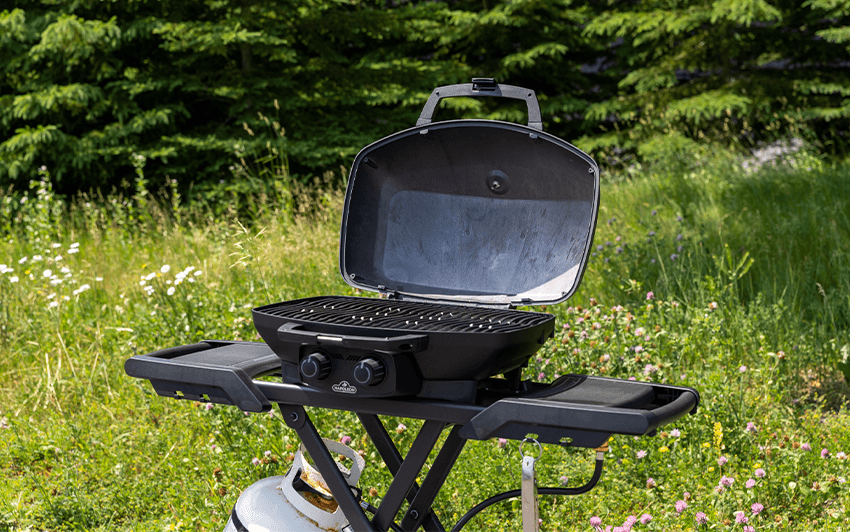
Grills represent significant household investments, particularly when you're looking to entertain friends and family throughout any kind of outdoor gathering. From casual Sunday afternoon cookouts with extended family to weeknight dinners and impromptu backyard parties, you can depend on quality grills to consistently deliver excellent results.
This discussion serves as a critical reference point: properly caring for your gas grill makes perfect sense, not merely for preserving its appearance, but for ensuring optimal performance all season long. Below you'll find our comprehensive, field-tested grill maintenance practices designed to enhance your grill's longevity and maintain its peak operating condition.
Establish Your Gas Grill Cleaning Schedule Based on Usage Frequency
While this advice might seem self-evident, cleaning your grill after each cooking session ranks among the most crucial maintenance practices you can adopt. The specific depth of cleaning your gas grill requires depends directly on how frequently you use it and the intensity of each grilling session.
If You Fire Up Your Grill Daily
Daily grilling demands consistent but manageable cleaning routines. Your grill should remain sufficiently hot immediately following each cooking session, though you can also address this maintenance while preheating before your next meal if you prefer. This approach both disinfects and refreshes your grill simultaneously. Thoroughly brush the cooking grates to eliminate any residue and maintain their pristine appearance. After your barbecue party concludes, resist the temptation to cover your grill immediately upon cooling. Regular grilling schedules mean your barbecue equipment will require significantly more attention and may benefit from thorough deep cleaning every few months.
Following each cooking session, conduct a quick brush-down while the grill surface remains warm but has been removed from direct heat. Inspect the drip pan every 15 to 20 cooking sessions depending on what you're preparing, and clean it thoroughly as necessary.
If You Use Your Grill Several Times Annually
Consider the frequency with which you actually operate your grill. Maintenance schedules should reflect a yearly approach because infrequent use doesn't necessarily mean less attention is required. Particularly when your grill sits idle for extended periods, it's advisable to complete a spring preparation routine before maximizing its potential.
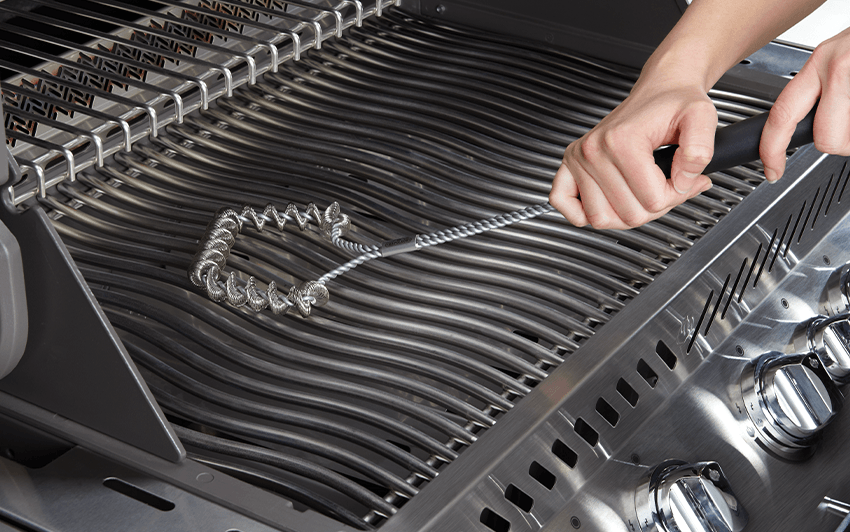
To maintain peak grill performance, we strongly recommend utilizing a comprehensive gas grill cleaning kit. These typically include an angled grill cleaning brush equipped with a grill scraper, a vertical tube cleaning brush designed for burner maintenance, a firebox scraper for interior surfaces, and a specialized burner port cleaning tool.
Charcoal Grill Maintenance Practices for Lasting Freshness
Charcoal grills present unique cleaning challenges compared to their gas counterparts. Not only does grease accumulate and stubborn residue adhere to the cooking grates, but the charcoal combustion process produces substantial buildup that can prove quite tedious to address.
If you appreciate the distinctive smoky character that a charcoal grill delivers, you should realistically expect to dedicate slightly more effort to these grill maintenance practices. Here are our recommended charcoal grill care habits to keep firmly in mind.
Assemble a Dedicated Charcoal Grill Cleaning Kit
Before you can effectively clean a charcoal grill, you must have appropriate brushes, scrubbers, and cleaning materials readily available. Here are some essential items that you would be wise to acquire:
• Multiple varieties of cleaning brushes, depending on whether you have cast iron, stainless steel, or chrome-plated grates. Different grate materials require specific approaches to prevent damage while achieving thorough cleaning.
• A metal garbage container designated for ash storage and disposal, ensuring safe handling of potentially hot materials.
• Durable rubber gloves to protect your hands from cleaning solutions, heat residue, and abrasive materials.
Execute a Comprehensive Deep Clean Once or Twice Each Season
This represents one of the most essential charcoal grill maintenance practices that you absolutely must complete. Here's the proper methodology to thoroughly clean a charcoal grill before you begin using it for the season:
Begin by cleaning the grill grates. Eliminate any debris and clean the cooking grates using a wire brush appropriate for your grate material.
Check the air vents thoroughly. This maintenance step should be completed by closing all air vents to prevent the fire from continuing completely. Carefully monitor to ensure no active flames remain before proceeding.
Clean the interior catcher every two to three cooking sessions. The specific frequency will depend on your cooking frequency and the duration each cook lasts (longer cooking sessions naturally produce more ash).
Guarantee that all charcoal you intend to dispose of is completely burned out and cooled before placing it in a heat-safe container such as a metal garbage can, never in standard plastic receptacles.
Scrub the interior of a barbecue using nylon brush. This stands as one of the superior grill maintenance practice tactics. Utilize hot soapy water to scrub comprehensively, removing any gunk or residue. For particularly stubborn buildup that once per week charcoal usage creates, this will ensure there is no remaining accumulation in the grill when you prepare to use it next.
Upgrade to a Premium Built-In Grill for Superior Performance
If you're ready to elevate your outdoor cooking experience with a professional-grade grill that combines exceptional performance with easier maintenance, consider investing in a premium built-in grill system. Quality built-in grills feature superior construction materials, advanced burner technology, and thoughtful design elements that make both cooking and cleaning more efficient.
Professional 6-Burner Built-In Grill with Premium Features
Experience restaurant-quality grilling at home with a premium built-in grill featuring six powerful burners, integrated lighting, rotisserie capability, and a dedicated rear burner for maximum versatility and convenience.
Share Your Grill Maintenance Success Stories With the Community
So you've mastered the fundamentals of grill maintenance—perhaps you've even discovered a specialized technique that you'd like to share with others? We'd genuinely love to learn about it! Share your personalized grill maintenance habits with fellow outdoor cooking enthusiasts by connecting on Instagram. We would appreciate hearing how you keep your equipment looking brand new. You can also engage with our community on YouTube, where we discuss additional grilling subjects beyond just cleaning—including techniques for achieving optimal flavor. Tell us about utilizing your grill to achieve superior flavors, not just about routine maintenance, as we explore all dimensions of outdoor cooking excellence.
Let's continue this conversation and build a community of passionate grillers committed to excellence!
Additional Maintenance Tips for Peak Grill Performance
Beyond the fundamental cleaning practices discussed above, several additional maintenance strategies can significantly extend your grill's lifespan while ensuring consistent cooking performance throughout every grilling season.
Protect Your Investment with Quality Grill Covers
Environmental exposure represents one of the primary factors that accelerate grill deterioration. Rain, snow, intense sunlight, and temperature fluctuations all contribute to premature aging of grill components. Investing in a high-quality, weather-resistant grill cover provides essential protection against these elements. Ensure your grill has completely cooled before covering it to prevent moisture condensation that can promote rust formation.
Select covers specifically designed for your grill model when possible, as proper fit ensures comprehensive protection without leaving vulnerable areas exposed. Quality covers feature reinforced seams, ventilation panels to prevent moisture accumulation, and secure fastening systems that keep them in place during windy conditions.
Inspect and Replace Worn Components Proactively
Regular inspection of critical grill components helps identify problems before they compromise performance or safety. Check burner tubes for corrosion, blockages, or physical damage that could affect flame patterns. Examine ignition systems to ensure they're generating adequate sparks for reliable lighting. Inspect gas hoses for cracks, brittleness, or signs of wear that could indicate pending failure.
Cooking grates eventually require replacement as repeated heating cycles cause warping or surface degradation. Flavorizer bars or heat diffusers that show excessive rust or structural damage should be replaced to maintain proper heat distribution. Replacing worn components before they fail completely prevents cooking disruptions and maintains your grill's optimal performance characteristics.
Seasonal Deep Cleaning and Maintenance Checklist
At the beginning and end of each grilling season, perform comprehensive deep cleaning and maintenance that goes beyond routine post-cooking care. This seasonal maintenance ensures your grill operates at peak efficiency and identifies any developing issues that require attention.
Start by removing all grates, flavorizer bars, and burner covers for individual cleaning. Scrape accumulated grease and carbon deposits from the firebox interior, paying special attention to corners where buildup tends to accumulate. Clean or replace grease trays and ensure drain holes remain unobstructed for proper grease management.
For gas grills, check all gas connections for leaks using soapy water solution. Verify that control knobs turn smoothly and that burners light consistently across their entire length. Test temperature gauges for accuracy, replacing them if readings seem inconsistent with actual cooking results.
Proper Storage During Off-Season Periods
If you live in regions with harsh winters or extended periods when grilling becomes impractical, proper off-season storage significantly extends your grill's lifespan. After thorough end-of-season cleaning, apply a light coating of cooking oil to cast iron or steel components to prevent rust formation during storage.
For gas grills, disconnect and safely store propane tanks in well-ventilated outdoor areas away from the grill itself. Never store propane tanks indoors or in enclosed spaces. If possible, store your grill in a garage or shed to provide additional protection from extreme weather conditions. If outdoor storage is necessary, ensure your quality cover is securely fastened and periodically check that it remains in place throughout the storage period.
Understanding When Repairs Outweigh Replacement
Despite diligent maintenance, all grills eventually reach a point where repair costs and effort no longer justify keeping the unit operational. Extensive rust that compromises structural integrity, repeatedly failing ignition systems, or severely corroded burners that require constant replacement often indicate it's time to consider upgrading to new equipment.
Conversely, many grill problems have simple, cost-effective solutions. Replacing worn grates, upgrading to better burners, or installing new ignition components can breathe new life into aging grills at a fraction of replacement costs. Evaluate repair costs against your grill's current value and the price of comparable new models to make informed decisions about whether to repair or replace.
Common Maintenance Mistakes to Avoid
Understanding what not to do proves just as valuable as knowing proper maintenance techniques. Certain common mistakes can actually damage your grill or reduce its lifespan, negating the benefits of your maintenance efforts.
Never Use Harsh Chemicals on Cooking Surfaces
While aggressive cleaning products might seem like shortcuts to removing stubborn buildup, harsh chemicals can damage grill surfaces and leave residues that contaminate food. Oven cleaners, in particular, should never be used on grill grates as they contain caustic substances that can pit metal surfaces and create hazardous fumes when heated.
Stick with hot soapy water, specialized grill cleaning products designed for food contact surfaces, or natural alternatives like vinegar and baking soda for stubborn cleaning challenges. These gentler approaches effectively remove buildup without compromising surface integrity or creating safety concerns.
Avoid Covering Grills While Still Hot
The temptation to quickly cover your grill after cooking to protect it from evening dew or unexpected rain can actually cause more harm than good. Covering a hot grill traps heat and moisture, creating conditions that accelerate rust formation and can even damage grill covers themselves.
Always allow your grill to cool completely before covering. This cooling period typically requires at least 30 minutes after shutting down, though larger grills with substantial thermal mass may need longer. The patience required for proper cooling pays dividends through extended grill life and better-preserved covers.
Don't Neglect the Exterior
While cooking surface maintenance rightfully receives primary attention, neglecting your grill's exterior surfaces gradually degrades its appearance and can lead to premature deterioration. Stainless steel surfaces benefit from periodic cleaning with appropriate stainless steel cleaners that remove fingerprints, grease splatter, and environmental residue while providing protective finishing.
Painted surfaces should be inspected for chips or scratches that expose bare metal to moisture. Touch up these areas promptly with high-temperature grill paint to prevent rust from gaining footholds. Clean and protect side tables, handles, and control panels to maintain your grill's overall aesthetic appeal and functionality.
The Long-Term Value of Consistent Maintenance
Investing time and effort into proper grill maintenance delivers benefits that extend far beyond simple equipment preservation. Well-maintained grills cook more evenly, operate more efficiently, and provide more consistent results that make outdoor cooking more enjoyable and less frustrating.
From a financial perspective, the modest investment in cleaning supplies and replacement parts costs significantly less than premature grill replacement. A quality grill that receives proper care can easily provide a decade or more of excellent service, whereas neglected grills often require replacement within just a few years. This extended lifespan represents substantial savings that justify the time commitment required for regular maintenance.
Perhaps most importantly, proper maintenance ensures your grill remains safe to operate. Gas leaks, structural failures, or grease fires caused by excessive buildup pose serious safety risks that can result in property damage or personal injury. Regular inspection and cleaning identify potential hazards before they become dangerous situations, providing peace of mind every time you fire up your grill.
Building Your Maintenance Routine into Regular Habits
The key to successful grill maintenance lies in establishing consistent routines that become automatic rather than requiring conscious effort. When cleaning becomes a natural extension of your grilling process rather than a separate chore, you're far more likely to maintain the consistency that delivers optimal results.
Consider creating a simple maintenance checklist that covers daily post-cooking tasks, monthly deeper cleaning activities, and seasonal comprehensive maintenance procedures. Keep this checklist accessible near your grill as a reminder and reference guide. Over time, these tasks become habitual, requiring less conscious thought and effort to execute consistently.
Remember that maintenance doesn't have to be perfect to be effective. Even modest, consistent attention to cleaning and inspection delivers vastly better results than sporadic intensive cleaning sessions interrupted by long periods of complete neglect. Small investments of time after each cooking session prevent the accumulated buildup that makes deep cleaning such a daunting task.
Final Thoughts on Grill Care Excellence
Your grill represents more than just cooking equipment—it's the centerpiece of outdoor gatherings, family meals, and cherished memories created in your backyard. Treating it with the care and respect it deserves through consistent maintenance practices ensures it remains ready to deliver excellent performance whenever you're ready to cook.
Whether you're operating a simple charcoal grill or a sophisticated multi-burner gas unit, the fundamental principles remain constant: clean regularly, inspect thoroughly, address problems promptly, and protect your investment from environmental damage. These straightforward practices, executed consistently, guarantee your grill will provide years of reliable service and exceptional cooking results.
As you implement these maintenance strategies, you'll likely discover that caring for your grill becomes a satisfying ritual rather than a burdensome chore. There's genuine pleasure in knowing your equipment is in peak condition, ready to perform flawlessly for your next cookout. This confidence and reliability enhance your entire outdoor cooking experience, allowing you to focus on creating delicious food and enjoying time with the people who matter most.