


 Damage
  Loss
Loss  Theft
Theft 


The Best Endurance Road Bikes Ultimate Guide
- What Is an Endurance Road Bike?
- Frame Geometry
- Material Composition
- Gearing & Brake Systems
- Enhanced Comfort Features
- Best Carbon Endurance Bikes
- Best Budget Endurance Bikes
- Best Value Endurance Bikes
- Factors to Consider
- Conclusion
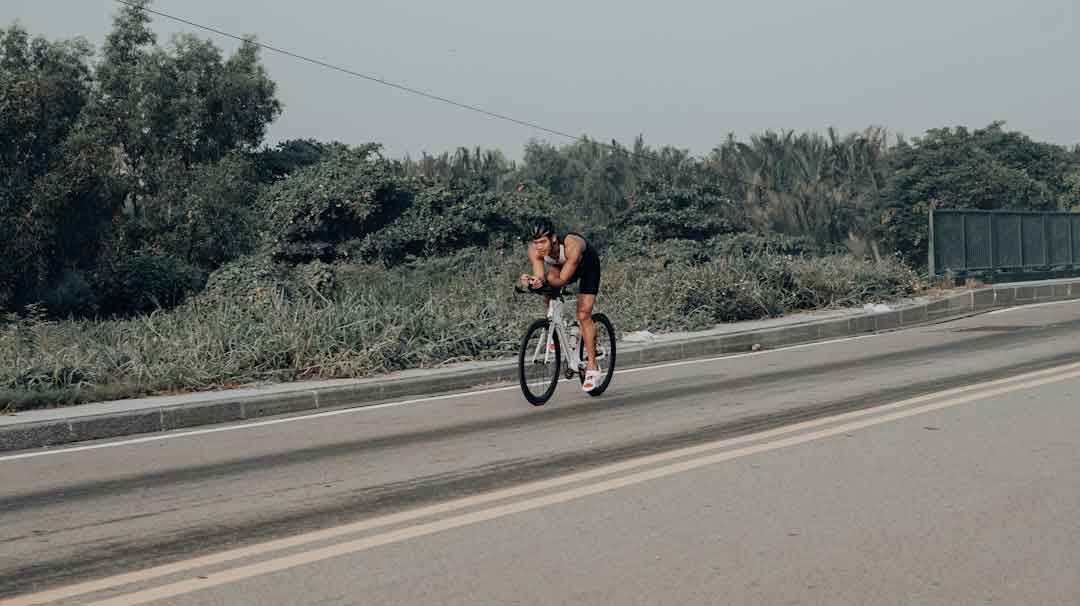
Endurance road bikes occupy a unique and highly rewarding space in the cycling world. Unlike race-oriented machines built purely for peak performance, endurance bikes are designed to keep you comfortable across long hours in the saddle — whether you're grinding through challenging climbs, rolling over rough chip-seal, or completing an all-day adventure ride.
The best endurance road bikes blend efficiency and comfort into a single, purpose-built platform. They absorb road vibration without sacrificing momentum, maintain stable handling over unpredictable terrain, and accommodate a wider range of rider positions to reduce fatigue on extended rides. In this comprehensive guide, we break down everything you need to make the right choice — from frame geometry and drivetrain components all the way to our top picks across every budget tier.
What Is an Endurance Road Bike?
An endurance road bike is purpose-engineered for sustained comfort and reliability across long distances. The geometry is inherently more relaxed than a race bike — a taller head tube raises the handlebar position, reducing strain on your back and neck, while a shorter top tube keeps you from overreaching on extended efforts.
These bikes are also built to accept wider tires than traditional road bikes, typically 28mm to 35mm, which dramatically improves vibration damping and grip on variable road surfaces. Many modern endurance frames also incorporate compliance features — shaped seatstays, flex zones near the bottom bracket, and carbon layup tuning — that further cushion the rider from road harshness.
The defining difference between an endurance road bike and a racing road bike is not speed — it's sustainability. Endurance geometry keeps you powerful and comfortable for far longer, making it the smarter choice for most everyday riders.
Relaxed Geometry
Upright riding position reduces neck, shoulder, and back fatigue over long hours.
Wide Tire Clearance
Room for 28–35mm tires provides superior road comfort and confidence on rough surfaces.
Wide Gear Range
More gears at both ends of the range make sustained climbs and fast flats more manageable.
Vibration Damping
Frame compliance features and tire volume work together to smooth rough pavement.
Frame Geometry
Frame geometry is the single most important factor distinguishing an endurance bike from a race bike. The head tube angle is typically slacker on endurance frames — around 71–72 degrees versus 73–74 on race bikes — which translates into more stable, predictable steering at lower efforts and on rough descents.
Stack height (the vertical distance from the bottom bracket to the top of the head tube) is noticeably higher on endurance frames. This allows the handlebar to sit in a more natural position without requiring stacks of spacers, which can negatively affect handling dynamics. Reach, meanwhile, tends to be slightly shorter, bringing the front of the bike closer to the rider for a less stretched-out position on long rides.
Chainstay length on endurance bikes is also typically longer, which improves stability at speed and provides more heel clearance for panniers or frame bags if you venture into bikepacking territory.
Material Composition
Endurance road bikes are available across a broad spectrum of frame materials, each with meaningful trade-offs in weight, compliance, durability, and cost.
Carbon Fiber
Carbon is the premium choice. Skilled engineers can tune carbon layup to deliver stiffness exactly where it's needed — the bottom bracket and head tube — while intentionally building flex into the seatstays and fork for ride compliance. The result is a bike that is simultaneously responsive and comfortable. Carbon frames are also significantly lighter than aluminum equivalents at comparable price points.
Aluminum
Modern aluminum endurance frames have improved dramatically. Hydroforming and butting techniques allow manufacturers to vary tube wall thickness to reduce weight and improve compliance, and many aluminum frames are paired with carbon fiber forks to take the edge off front-end harshness. Aluminum bikes represent the best value for entry-level to mid-range endurance riders.
Steel & Titanium
Steel and titanium remain beloved among touring-focused and long-distance endurance riders for their natural vibration absorption and extraordinary durability. Both materials have an inherent suppleness that carbon and aluminum cannot fully replicate, and both are highly repairable in the field — a major advantage for multi-day adventure riders.
Gearing & Brake Systems
Modern endurance bikes are increasingly specced with compact or semi-compact chainrings — 50/34 or 52/36 — paired with wide-range 11-32t or even 11-34t cassettes. This expanded gear range makes sustained climbing significantly more manageable, especially loaded with gear on long-distance rides or when fatigue sets in on the final miles of a century.
Electronic groupsets from Shimano (Di2), SRAM (eTap AXS), and Campagnolo (EPS) are now available across a wider range of price points and offer precise, consistent shifts that degrade far more slowly with wear compared to mechanical systems. For riders logging high mileage, electronic drivetrain investment pays dividends in reduced maintenance frequency.
Disc brakes have become the dominant choice on endurance road bikes for strong reasons: modulation is superior in wet conditions, braking performance is consistent across variable terrain, and the move to thru-axles improves overall frame rigidity and wheel-change precision. Hydraulic disc brakes remain the preferred spec at virtually every price tier above entry level.
Enhanced Comfort Features
Beyond geometry and materials, manufacturers have developed increasingly sophisticated comfort technologies embedded into endurance frames and components. Shaped seatstays that flex vertically, micro-suspension systems integrated into the seatpost, and vibration-absorbing handlebar inserts all contribute to a significantly more comfortable ride over long miles.
Many premium endurance bikes now offer integrated or compatible vibration-damping seatposts — either leaf-spring designs or elastomer-equipped units — that provide measurable compliance without adding weight. Combined with wider, higher-volume tires run at lower pressures, these features can reduce rider fatigue on long days in a way that pure frame tuning alone cannot match.
The best endurance bikes don't just survive long distances — they make you want to ride farther, more often, with more confidence on every surface you encounter.
Best Carbon Endurance Road Bikes
Giant Defy Advanced Pro
The Giant Defy Advanced Pro remains one of the most thoughtfully engineered endurance bikes in its price category. The Advanced-grade composite frame incorporates Giant's D-Fuse technology — a shaped seatpost and handlebar system that flexes to absorb road vibration — while the fork and frame geometry keep handling crisp and efficient. Shimano 105 Di2 electronic shifting and hydraulic disc brakes deliver reliable, low-maintenance performance across thousands of miles.
Cervélo Caledonia
Featured Pick
The Cervélo Caledonia is a masterclass in balanced endurance performance. Built on a lightweight carbon frameset with a geometry that sits comfortably between race aggression and all-day comfort, the Caledonia is equally at home on a challenging sportive or a long weekend ride through rolling hills. The Shimano 105 groupset delivers smooth, precise shifting with the low-maintenance advantage of electronic actuation, and hydraulic disc brakes provide consistent stopping power in any conditions. Thru-axle construction improves wheel stiffness and overall ride feel, while the tire clearance allows running up to 32mm tires for added comfort on variable road surfaces.
| Specification | Detail |
|---|---|
| Frame | Full Carbon Fiber |
| Groupset | Shimano 105 |
| Brakes | Hydraulic Disc |
| Tire Clearance | Up to 32mm |
| Wheel Size | 700c |
Trek Domane SL 6
Trek's Domane SL 6 features the brand's signature IsoSpeed decoupler technology, which allows the seat tube to flex independently from the rest of the rear triangle. The result is remarkable vertical compliance without sacrificing lateral stiffness. Spec'd with Shimano 105 hydraulic disc brakes and generous tire clearance, the Domane SL 6 is a formidable choice for riders who prioritize ride quality above all else.
Best Budget Endurance Road Bikes
Excellent endurance road performance is no longer locked behind premium price tags. Several manufacturers now offer remarkably capable entry-level endurance bikes that deliver a thoroughly satisfying long-distance experience at approachable prices.
Cannondale Synapse Alto
The Cannondale Synapse Alto uses a premium aluminum frameset with a carbon fiber fork to deliver a smooth, well-balanced ride at an entry-level price. SmartForm alloy frame construction reduces weight while improving compliance, and the relaxed geometry is welcoming for new endurance riders and seasoned cyclists alike. Hydraulic disc brakes and a wide-range drivetrain complete a spec sheet that punches well above its price point.
Specialized Allez Sport
The Specialized Allez Sport brings performance-oriented aluminum construction and a geometry that bridges the gap between pure endurance comfort and race-day capability. Reliable Shimano Claris or Sora components and powerful hydraulic brakes make it an outstanding platform for riders entering the endurance road category without compromising on quality.
Budget endurance bikes have never been better. Modern aluminum frame engineering and wider tire clearance have closed the gap between entry-level and premium options significantly, making long-distance riding accessible at every price point.
Best Value Endurance Road Bikes
The mid-range endurance bike segment represents the sweet spot for most riders — capable performance, quality components, and thoughtful frame engineering at a price that doesn't require months of saving.
Canyon Endurace CF SL 8.0
Canyon's direct-to-consumer model allows the Endurace CF SL 8.0 to deliver carbon fiber frame quality and a full Shimano 105 groupset at a price that would buy only an aluminum-framed competitor from traditional retail brands. The result is a genuinely excellent all-round endurance bike that will satisfy experienced riders for years.
BMC Roadmachine 01
The BMC Roadmachine 01 is a sophisticated endurance platform engineered with BMC's Integrated Compliance System, which uses specifically shaped tubing to introduce vertical compliance at the seatstays and fork while maintaining lateral rigidity. It's an ideal choice for experienced riders who want a technically refined endurance machine with long-term versatility.
BASSO Diamante SL R
BASSO's Diamante SL R is an Italian-engineered endurance carbon that balances aesthetic beauty with genuine performance substance. The frame uses high-modulus carbon with carefully tuned compliance zones and accommodates wide tires for added all-road capability. SRAM Rival AXS wireless shifting and hydraulic disc brakes round out a compelling package for the discerning endurance cyclist.
Wilier Cento10 SL
The Wilier Cento10 SL occupies rare territory at the top of the value endurance category — Italian frame craftsmanship, race-derived aerodynamics, and endurance-tuned geometry in a single package. Full carbon construction, electronic shifting options, and a versatile geometry make it a standout choice for riders who want a bike that performs on both spirited weekend rides and longer endurance challenges.
Key Factors to Consider Before Buying
Fit & Geometry
No other factor matters more than fit. An endurance bike with the wrong stack or reach for your body will be uncomfortable regardless of how advanced its technology is. Prioritize getting a professional bike fit before committing to a specific size, and always compare a brand's geometry chart against your current bike measurements if you have them.
Intended Use
Are you primarily riding smooth paved roads, or do you regularly encounter rough chip-seal, light gravel, or mixed surfaces? The answer should guide your tire clearance requirements and may push you toward a more versatile all-road geometry rather than a purely pavement-focused endurance build.
Budget & Long-Term Value
Set a realistic budget, but factor in the total cost of ownership. A bike with a better drivetrain will require fewer replacements over time. Shimano and SRAM both offer excellent longevity at their respective price tiers, and the move from mechanical to electronic shifting substantially reduces adjustment frequency — a meaningful long-term cost reduction for high-mileage riders.
Frame Material vs. Spec Trade-Off
At mid-range prices, you'll often face a choice between a carbon frame with entry-level components or an aluminum frame with better components. For endurance riding, component quality — particularly the groupset and brakes — tends to have more impact on daily ride satisfaction than frame material alone. Prioritize drivetrain quality over frame material at the mid tier.
Find Your Perfect Endurance Companion
The right endurance road bike transforms long-distance riding from a challenge into a deeply enjoyable pursuit. Whether you're investing in your first dedicated endurance machine or upgrading to a carbon performance build, the options in every tier have never been stronger. Use this guide to narrow your choices, prioritize the features that matter most for your riding style, and get out on the road with confidence.
Shop Cervélo Caledonia