


 Damage
  Loss
Loss  Theft
Theft 


Portable Power Station vs Inverter Generator for Home Backup
When power outages strike, having dependable backup electricity becomes essential. Whether you're weathering a storm or dealing with unexpected grid failures, the right backup power solution can keep your home running smoothly. But which option serves you best—a modern portable power station or a traditional inverter generator?
Both technologies offer unique advantages for residential backup power, yet they operate quite differently. Understanding these distinctions will help you make an informed decision that aligns with your household's specific requirements, budget considerations, and long-term energy goals.
This comprehensive guide examines both backup power solutions in detail, exploring their capabilities, limitations, and ideal applications to help you determine which system best fits your emergency preparedness strategy.
Understanding Portable Power Stations
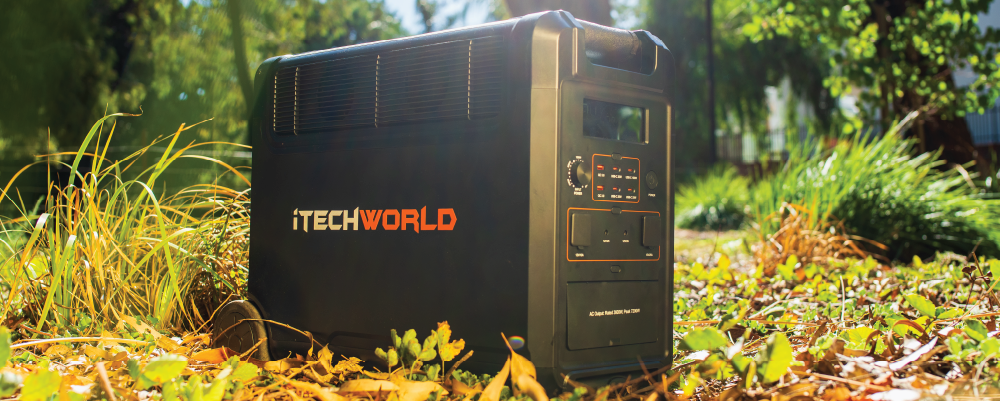
Portable power stations represent modern battery technology designed to store electrical energy for on-demand use. These self-contained units feature rechargeable lithium battery systems that deliver silent, emission-free operation. Unlike fuel-dependent generators, they provide instant power without combustion, making them exceptionally versatile for indoor and outdoor applications.
These battery-powered systems come equipped with multiple charging options, allowing you to replenish their capacity through standard wall outlets, vehicle charging ports, or renewable solar panels. This flexibility makes them particularly appealing for environmentally conscious homeowners and those seeking sustainable backup solutions.
ADVANTAGES:
- Whisper-Quiet Performance: Battery-powered systems operate virtually silently, creating zero noise disruption in residential environments. Their peaceful operation makes them ideal for nighttime use and noise-sensitive neighborhoods.
- Zero Emissions Operation: Without combustion engines, these units produce absolutely no exhaust fumes, carbon monoxide, or harmful emissions. This clean operation permits safe indoor usage without ventilation concerns.
- Minimal Upkeep Requirements: The absence of engines, fuel systems, and mechanical components means virtually no routine maintenance. No oil changes, spark plug replacements, or carburetor cleaning required.
- Instant Power Availability: Battery systems deliver immediate electricity at the push of a button, with no warm-up periods, pull-starting, or startup delays.
- Compact Storage Profile: Most units feature space-efficient designs with integrated handles and wheels, making them easy to store in closets, garages, or utility rooms without occupying excessive space.
LIMITATIONS:
- Limited Energy Capacity: Battery systems typically store less total energy compared to fuel-powered alternatives, which may present challenges during extended outages requiring continuous power for multiple days.
- Extended Recharge Periods: Depleted batteries can require several hours to fully recharge, and without electricity or adequate solar exposure, replenishing capacity during prolonged outages becomes problematic.
- Higher Initial Investment: Advanced battery technology and sophisticated electronics typically command premium prices, with quality units often costing significantly more than comparable fuel-powered generators.
- Weather-Dependent Solar Charging: While solar compatibility offers sustainability benefits, charging effectiveness depends heavily on weather conditions, daylight availability, and panel quality.
Featured Product: Premium Portable Power Solution
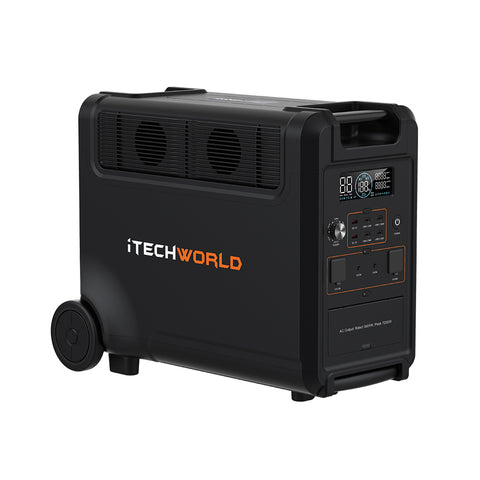
- Substantial Capacity: High-amp-hour lithium battery system engineered to power essential appliances and electronic devices during extended outages with reliable performance.
- Versatile Output Options: Multiple AC outlets, USB-A ports, USB-C power delivery, and DC outputs accommodate diverse device charging requirements simultaneously.
- Pure Sine Wave Technology: Advanced inverter circuitry produces clean, stable electricity suitable for sensitive electronics, medical equipment, and modern appliances.
- Comprehensive Recharge Flexibility: Compatible with wall outlets, vehicle charging, and expandable solar panel arrays for maximum charging versatility.
- Integrated Safety Systems: Built-in protection against overcharging, over-discharging, short circuits, and temperature extremes ensures safe, reliable operation.
- Mobile Design: Reinforced wheels and telescoping handle enable easy transportation throughout your property without straining.
- Intelligent Display Interface: Clear digital readout shows remaining capacity, power consumption, charging status, and estimated runtime for informed energy management.
Understanding Inverter Generators
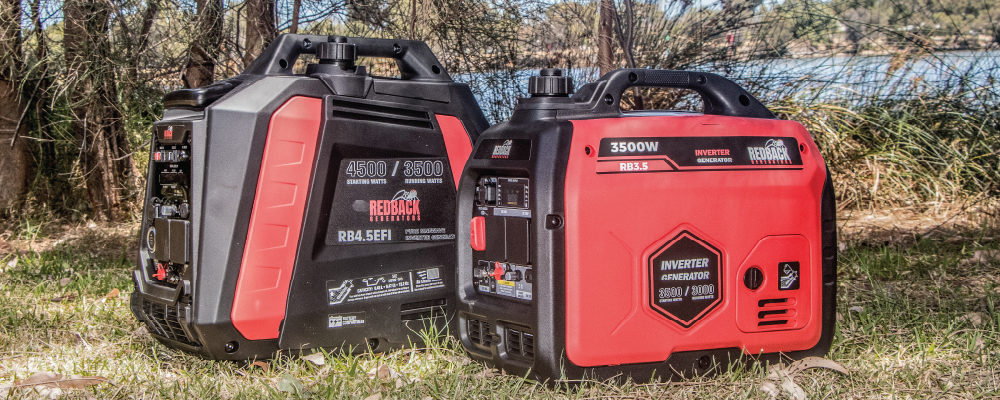
Inverter generators harness internal combustion technology to produce electrical power through sophisticated electronic conversion. These advanced fuel-powered units run on gasoline or propane, utilizing specialized inverter circuitry to deliver remarkably clean, stable electricity comparable to utility grid quality. Their refined engineering makes them substantially quieter and more efficient than conventional portable generators.
The inverter technology inside these generators produces consistent, high-quality power suitable for sensitive electronics, modern appliances, and precision equipment. This makes them particularly valuable for homeowners seeking generator reliability combined with power quality that won't damage delicate devices.
ADVANTAGES:
- Extended Runtime Capability: Fuel-based operation enables continuous power generation for days or even weeks, limited only by fuel availability rather than battery capacity.
- Superior Power Output: Engine-driven systems typically deliver significantly higher wattage capacity, capable of simultaneously powering major appliances, HVAC systems, and entire household circuits.
- Rapid Refueling Process: Unlike hours-long battery recharge cycles, refueling takes mere minutes, allowing you to quickly restore full operational capacity during extended emergencies.
- Weather-Independent Operation: Performance remains consistent regardless of weather conditions, cloud cover, or temperature extremes that might impact battery systems or solar charging.
- Excellent Load Handling: Robust engines manage high-demand startup surges from compressors, pumps, and motors that might overwhelm battery-based systems.
LIMITATIONS:
- Audible Operation: Despite advanced muffling technology, fuel-powered engines generate noticeable operating noise that may disturb household members or neighbors during nighttime use.
- Exhaust Production: Combustion engines produce carbon monoxide and other emissions, requiring outdoor operation with adequate ventilation and proper placement away from windows and air intakes.
- Regular Maintenance Demands: Engine-based systems require periodic oil changes, air filter replacements, spark plug servicing, and fuel system maintenance to ensure reliable performance.
- Fuel Storage Considerations: Gasoline storage presents safety concerns, requires proper containers, degrades over time, and needs stabilizer additives for long-term readiness.
- Cold Weather Starting: Engine-powered units may experience starting difficulties in freezing temperatures without proper preparation, battery maintenance, and cold-weather fuel treatments.
Featured Product: High-Performance Inverter Generator
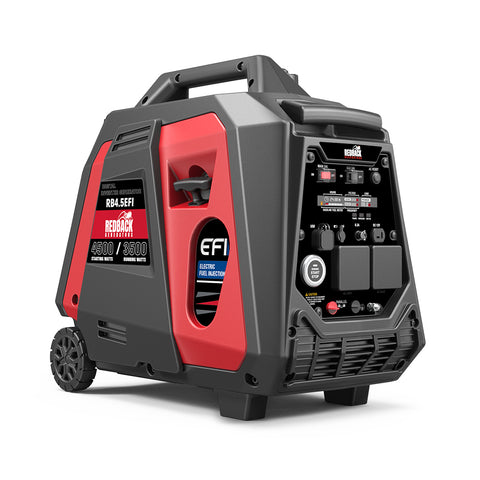
- Exceptional Power Capacity: Delivers robust starting watts and sustained running watts capable of powering whole-home electrical systems during emergencies.
- Premium Clean Power Output: Advanced inverter technology produces ultra-stable electricity with minimal harmonic distortion, safe for computers, televisions, and sensitive electronics.
- Multiple Fuel Compatibility: Dual-fuel or tri-fuel capability allows operation on gasoline, propane, or natural gas for maximum fuel flexibility and extended runtime options.
- Convenient Remote Starting: Wireless remote control or smartphone connectivity enables generator activation from inside your home without outdoor exposure during severe weather.
- Integrated CO Safety Shield: Advanced carbon monoxide detection system automatically shuts down the generator if dangerous exhaust levels are detected near the unit.
- Heavy-Duty Transfer-Ready: 50-amp outlet enables direct connection to transfer switches for seamless whole-house backup power integration.
- Efficient Economy Mode: Intelligent throttle control adjusts engine speed based on electrical load, maximizing fuel efficiency and reducing noise during lighter power demands.
- Professional Grade Construction: Durable steel frame, commercial-grade engine components, and weather-resistant design ensure years of reliable emergency service.
Making the Right Choice: Key Decision Factors
Selecting between portable power stations and inverter generators requires careful evaluation of your household's specific requirements, usage patterns, and emergency preparedness priorities. Consider these essential factors to guide your decision:
Power Requirements
Calculate your essential power needs during outages. Battery stations excel for moderate loads like refrigerators, lights, and electronics. Inverter generators better serve households requiring simultaneous operation of major appliances, well pumps, or whole-home systems.
Outage Duration
Consider typical power disruption lengths in your area. Brief outages favor battery systems, while regions experiencing multi-day outages benefit from the extended runtime and quick refueling of inverter generators.
Living Environment
Your residential setting significantly impacts suitability. Apartment dwellers and those with strict HOA noise regulations strongly benefit from silent battery operation. Rural homeowners with outdoor space can more easily accommodate generator exhaust and noise.
Maintenance Commitment
Honestly assess your willingness to perform regular upkeep. Battery stations require virtually zero maintenance, while generators demand periodic servicing, fuel management, and seasonal preparation to maintain readiness.
Budget Considerations
Evaluate both initial purchase costs and long-term operating expenses. Battery systems carry higher upfront costs but minimal ongoing expenses. Generators cost less initially but incur fuel, oil, and maintenance costs over time.
Environmental Priorities
If sustainability matters to your household, emission-free battery operation combined with solar charging capability offers environmental advantages over fuel combustion, despite generators' improving efficiency.
Real-World Usage Scenarios
When Portable Power Stations Excel:
- Urban and suburban homes with noise restrictions or close neighboring properties
- Apartments, condos, and multi-family dwellings where outdoor generator operation isn't permitted
- Backup power for essential medical equipment requiring clean, stable electricity
- Households experiencing brief, infrequent outages lasting hours rather than days
- Environmentally focused families seeking zero-emission backup solutions
- Indoor emergency power needs where exhaust gases present safety hazards
- Supplemental outdoor power for recreational vehicles, camping, or tailgating activities
When Inverter Generators Prove Superior:
- Rural properties or homes with spacious outdoor areas for safe generator placement
- Regions experiencing frequent, extended power disruptions requiring multi-day operation
- Households with high power demands including well pumps, septic systems, or multiple major appliances
- Whole-home backup systems requiring transfer switch integration
- Properties lacking reliable solar exposure for battery recharging
- Emergency preparedness focused on maximum runtime capacity and rapid refueling
- Situations where initial investment cost limitations favor lower-priced generator options
Finding Your Ideal Backup Power Solution
Neither technology represents a universally superior choice—each excels in specific circumstances aligned with different household needs. Portable power stations deliver unmatched convenience, silent operation, and clean energy for moderate backup requirements, particularly in noise-sensitive environments or where emissions pose concerns.
Inverter generators provide superior runtime capacity, higher power output, and operational independence from weather conditions, making them invaluable for extensive backup needs during prolonged outages. Their fuel-based operation ensures you can maintain power indefinitely with proper fuel supplies.
The optimal decision hinges on thoroughly evaluating your specific power requirements, typical outage durations, living environment constraints, maintenance preferences, and budget parameters. Some households even benefit from maintaining both technologies—using battery systems for routine brief outages while keeping generators available for severe, extended emergencies.
Take time to carefully assess your household's unique circumstances, and you'll select the backup power solution that provides reliable electricity precisely when your family needs it most.
Ready to secure reliable backup power for your home? Explore our complete selection of portable power stations and inverter generators to find the perfect emergency power solution for your household's specific needs.