


The Ultimate Guide to Quiet Generator Power for Your Home
Discover how silent inverter generators deliver reliable backup power without disturbing your peace
When storms roll through or the grid fails unexpectedly, having dependable backup power can transform a stressful situation into a minor inconvenience. Modern quiet generators have revolutionized home power backup, offering whisper-soft operation that traditional models simply cannot match. These advanced machines utilize sophisticated inverter technology to produce clean, stable electricity while maintaining noise levels comparable to normal conversation.
Whether you need emergency home backup, portable power for outdoor adventures, or reliable electricity for sensitive electronics, understanding what makes these generators special will help you make the right choice for your needs.
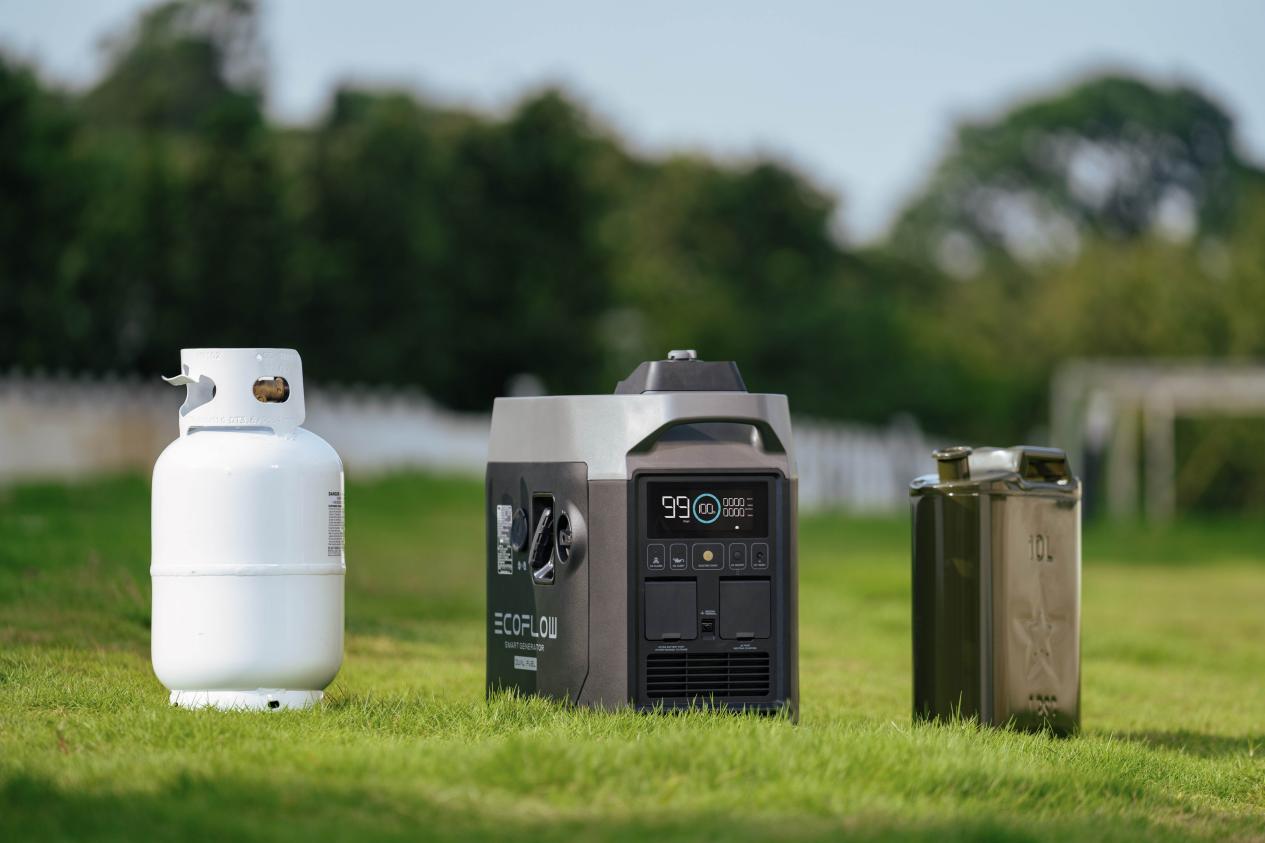 Why Silent Generators Are Changing the Game
Traditional generators have long been notorious for their deafening roar, creating tension with neighbors and making outdoor activities unbearable. Silent inverter generators solve this problem entirely through revolutionary engineering that keeps sound levels remarkably low—often operating at just 50-60 decibels, which is quieter than typical household conversation.
Beyond the obvious noise benefits, these modern powerhouses deliver cleaner electricity than conventional generators. The stable sine wave output protects sensitive devices like laptops, smartphones, medical equipment, and smart home systems from power fluctuations that could cause damage. This makes them perfect for today's technology-dependent households.
Fuel efficiency represents another major advantage. Inverter technology allows the engine to automatically adjust its speed based on power demand, consuming less fuel during lighter loads and extending runtime significantly compared to traditional models running at constant full throttle.
Ultra-Quiet Operation
Advanced muffler systems and sound-dampening enclosures keep noise to a minimum, perfect for residential areas and campgrounds with strict noise regulations.
Clean Power Output
Pure sine wave technology produces electricity as clean as utility power, protecting your valuable electronics and sensitive medical devices.
Fuel Economy
Eco-throttle systems automatically adjust engine speed to match power demand, dramatically reducing fuel consumption and extending runtime.
Is a 3000W Quiet Generator Sufficient for Home Backup?
This question tops the list for homeowners exploring backup power options. The honest answer depends entirely on your specific household requirements and what you consider essential during an outage. A 3000-watt generator provides substantial capability for most basic needs, but understanding exactly what it can and cannot power is crucial before making your decision.
For the average home, 3000 watts comfortably handles refrigerators, freezers, lighting throughout the house, phone and laptop charging, internet routers, and small kitchen appliances. Many families find this perfectly adequate for maintaining essential comfort during temporary outages lasting a few hours to a couple of days.
However, if your household requires air conditioning, electric heating, well pumps, or multiple high-draw appliances simultaneously, you may need to consider higher wattage options or practice strategic load management. The key lies in calculating your actual power requirements before purchasing.
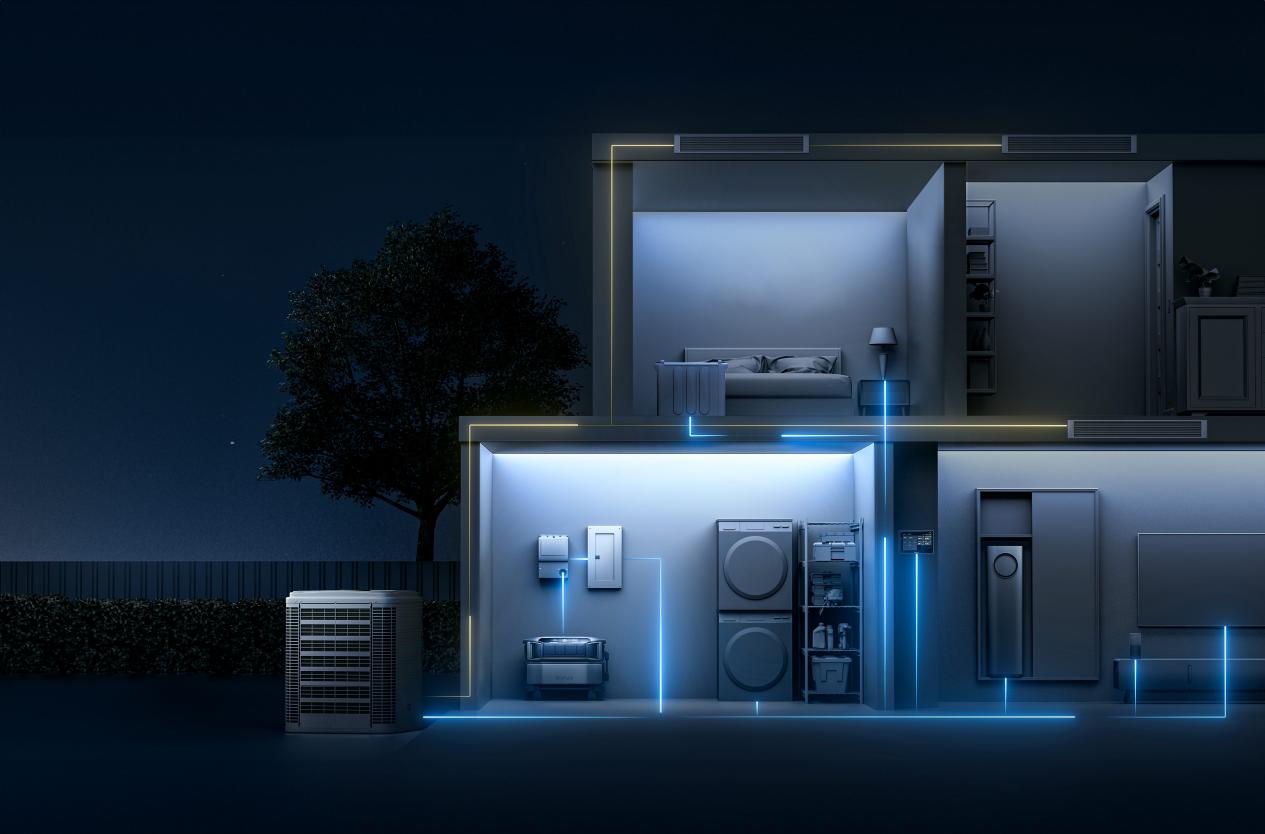 The Technology Behind Whisper-Quiet Performance
Understanding what separates a peaceful generator from a neighborhood nuisance helps explain the premium these advanced models command. Several engineering innovations work together to achieve remarkably silent operation without sacrificing power output.
First, inverter technology allows the engine to run at variable speeds rather than constant full throttle. When power demand drops, the engine automatically slows down, reducing both noise and fuel consumption. This contrasts sharply with conventional generators that roar continuously regardless of how little power you actually need.
Second, fully enclosed casings with sound-absorbing materials trap engine noise before it escapes. Premium models feature multiple layers of acoustic insulation, specialized air intake and exhaust designs, and vibration-dampening mounts that prevent sound transmission through the frame.
Finally, advanced muffler systems and exhaust routing direct sound away from users while allowing adequate airflow for cooling. The combination of these technologies results in operation levels often below 60 decibels—quieter than a normal conversation from just a few feet away.
Generator Size Comparison: Finding Your Perfect Match
| Wattage Class | Best Applications | Typical Runtime | Portability |
|---|---|---|---|
| 1800W - 2500W | Camping, tailgating, basic emergency backup, charging electronics | 8-12 hours at 25% load | Excellent - lightweight and compact |
| 3000W - 4000W | Home essentials backup, RV power, job sites, outdoor events | 10-16 hours at 25% load | Good - manageable for most users |
| 5000W - 6000W | Whole-home backup, central AC support, multiple large appliances | 8-14 hours at 25% load | Moderate - may require wheels |
| 7000W+ | Complete home backup, construction sites, commercial applications | 6-12 hours at 25% load | Limited - often stationary or wheeled |
Why Compact Inverter Generators Excel for Home Backup
Many homeowners assume bigger automatically means better when shopping for backup power. In reality, compact inverter generators in the 1800W to 2500W range often prove ideal for typical residential needs, offering advantages that larger units simply cannot match.
Storage and portability top the list of benefits. These lighter units tuck neatly into garage corners, closets, or vehicle trunks without consuming valuable space. When emergencies strike, one person can easily move and deploy them without struggling with heavy, awkward equipment.
The quiet operation of smaller inverter generators makes them neighborhood-friendly during extended outages. While conventional large generators create constant noise complaints, compact inverter models let you maintain power without disturbing everyone within earshot.
Fuel efficiency provides another compelling advantage. Smaller engines consume less fuel per hour, stretching your emergency fuel supply further during prolonged outages when gas stations may be unavailable. Many compact models run 8-12 hours on a single tank while powering essential devices.
How to Calculate Your Actual Power Requirements
Before purchasing any generator, taking time to calculate your true power needs prevents both underspending on inadequate equipment and overspending on capacity you will never use. Follow these straightforward steps to determine your ideal wattage.
Step 1: Identify Essential Appliances
List every device you absolutely need running during an outage. Prioritize safety equipment, food preservation, medical devices, and basic comfort items. Separate wants from genuine needs.
Step 2: Find Each Item's Wattage
Check the nameplate, manual, or manufacturer specifications for running watts and starting watts. Motor-driven appliances like refrigerators and pumps require 2-3 times their running watts to start up.
Step 3: Calculate Total Running Load
Add the running wattages of everything you plan to operate simultaneously. Remember that not everything runs constantly—refrigerators cycle on and off, for example.
Step 4: Account for Starting Surge
Identify your highest-surge appliance and add that starting wattage to your running total. This ensures your generator handles startup demands without tripping breakers.
Step 5: Add Safety Margin
Increase your calculated total by 15-20% to prevent running your generator at maximum capacity constantly. This extends equipment life and provides headroom for unexpected needs.
Common Household Appliance Wattages
Refrigerator
100-400W running
Chest Freezer
50-100W running
LED Lighting
5-15W per bulb
Phone Charger
5-25W
Laptop
50-100W
Window AC Unit
500-1500W
Sump Pump
800-1500W starting
Microwave
600-1200W
Our Top Pick for Reliable Quiet Power
The Champion 201317 delivers exceptional performance in a compact, quiet package. With 1850W running and 2500W peak power, this inverter generator handles essential home backup needs while remaining whisper-quiet and fuel-efficient.
Champion 1850W/2500W Inverter GeneratorEssential Generator Ownership Tips
Owning a generator involves more than purchasing and storing it until needed. Proper maintenance and safe operation practices ensure your investment performs reliably when emergencies arise.
Run your generator monthly for 15-30 minutes under light load to keep the engine lubricated and carburetor clean. Use fuel stabilizer if storing gasoline for extended periods, and never use fuel older than three months without treatment.
Always operate generators outdoors, at least 20 feet from windows, doors, and vents. Carbon monoxide poisoning claims lives every year from improperly ventilated generator use. Invest in battery-powered CO detectors for additional safety.
Keep extension cords rated for outdoor use and sized appropriately for your load. Undersized cords create fire hazards and voltage drops that can damage sensitive electronics. When in doubt, go one gauge heavier than you think necessary.
The Bottom Line
Quiet inverter generators have transformed home backup power from a noisy nuisance into a peaceful, practical solution. Whether you choose a compact 2000W unit for essential backup or step up to larger models for whole-home coverage, today's inverter technology delivers clean, reliable power without disturbing your household or neighbors.
Take time to calculate your actual needs, choose a reputable brand with strong warranty support, and maintain your equipment properly. With the right generator ready, power outages become minor inconveniences rather than household emergencies.