Damage
  Loss
Loss  Theft
Theft 


Can A Commercial Freezer Be Used As A Refrigerator?
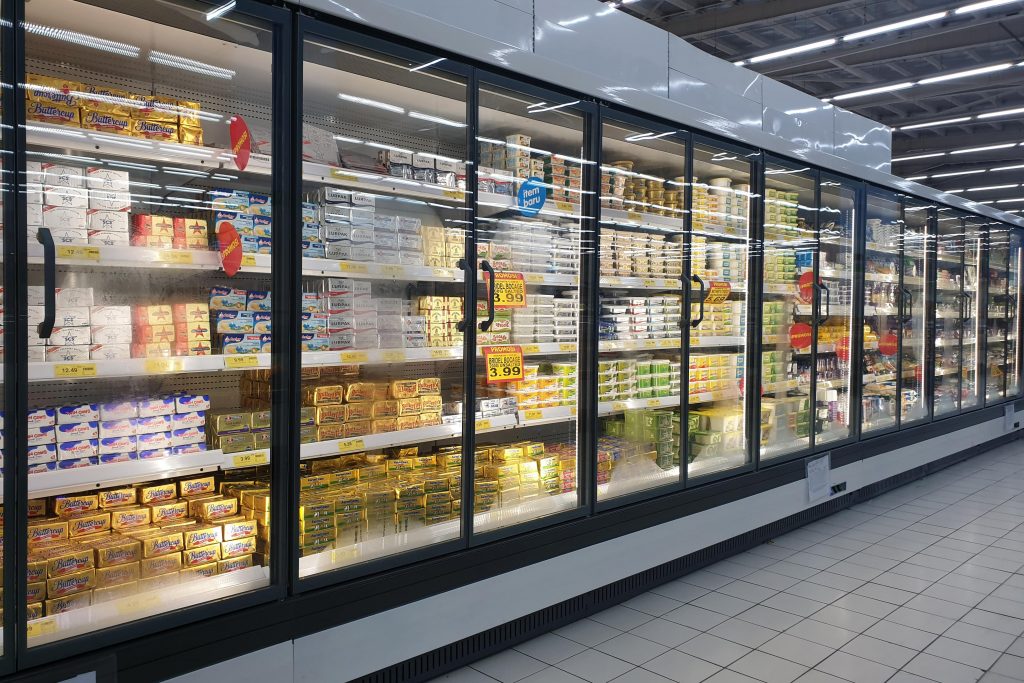
Commercial freezers are engineered to sustain significantly lower temperatures compared to standard domestic refrigerators, which directly affects the freshness and longevity of stored food items. But does this mean you can simply adjust the settings and use one as a fridge? In this comprehensive guide, we tackle this question directly and examine whether this unconventional approach represents a practical and cost-effective solution for those operating with spatial or budgetary limitations.
Before making this adaptation, it's crucial to evaluate several important factors including routine temperature monitoring, proper upkeep, strategic organization, and optimal food storage practices. This guide walks you through every essential step to ensure this innovative modification remains both efficient and safe for your operation.
The Advantages
✓ Energy Efficiency
Engineered to operate at temperatures substantially below those of typical household refrigerators, commercial freezers generally range from -18°C to -25°C. When configured as a refrigerator, commercial units in settings like restaurants and related food service industries can leverage these cooler baseline temperatures to preserve products more effectively while potentially consuming less energy than running a separate dedicated unit. This arrangement can deliver meaningful energy savings over extended periods, particularly beneficial for operations that run continuously.
✓ Cost Effectiveness
Commercial refrigerators typically command higher prices than freezers of comparable capacity. By repurposing a freezer unit, businesses operating with constrained budgets can realize a cost-effective alternative that still meets their cooling requirements. This approach eliminates the need to invest in an additional dedicated appliance, providing substantial savings on upfront costs.
The Disadvantages
Temperature Control
Freezers are designed to sustain a stable temperature band, usually between -18°C to -25°C. Conversely, a refrigerator demands a warmer range, typically between 2°C to 8°C. Operating a freezer as a refrigerator may necessitate manual temperature adjustments or the addition of supplementary temperature monitoring equipment, such as a refrigerator thermostat or similar device, to guarantee the internal atmosphere stays within the appropriate range.
Space Limitations
Owing to their larger dimensions relative to standard refrigerators, utilizing a freezer as a fridge in commercial settings may require dedicating additional floor space. Furthermore, the distinct interior configuration of freezers can present organizational challenges when attempting to efficiently arrange refrigerated goods.
Safety Concerns
Employing a commercial freezer as a refrigerator can introduce certain food safety risks that you must carefully evaluate. Ensure you implement proper precautionary measures including suitable storage containers and appropriate food handling techniques to preserve product quality over time.
Safety Considerations When Using A Commercial Freezer As A Refrigerator
Temperature Settings
As previously discussed, operating a commercial freezer in refrigerator mode may require adjusting the temperature controls either manually or through installation of a dedicated refrigerator thermostat. This step ensures the unit maintains consistent temperatures suitable for refrigeration, preventing products from either cooling or freezing beyond the intended range.
Food Safety
Food safety becomes paramount when operating a freezer as a commercial refrigerator. You must exercise vigilance in adhering to correct storage and handling protocols, maintaining regular cleaning schedules, and continuously monitoring for any indications of spoilage or contamination.
Electrical Safety
Converting a commercial freezer to refrigerator use may introduce certain electrical safety considerations. Verify that your electrical infrastructure can accommodate the modified operation of a freezer functioning as a refrigerator. Additionally, ensure strict compliance with all applicable safety guidelines and regulations to prevent electrical hazards throughout your commercial environment.
Maintenance and Cleaning
Consistent maintenance and thorough cleaning are essential when operating a commercial freezer as a refrigerator. Adhere to the manufacturer's recommendations for cleaning procedures and maintenance schedules. This involves routine inspection of internal components, regularly cleaning interior surfaces, examining seals for wear, and arranging professional servicing to address repairs when necessary.

Tips For Making The Most Of A Commercial Freezer Used As A Refrigerator
Should you proceed with using a commercial freezer as a refrigerator, consider these practical strategies to maximize its effectiveness:
Organizing the Space
Maximizing available space proves crucial when operating a freezer as a refrigerator in commercial kitchen environments. Arrange products strategically to optimize available capacity while simultaneously preventing cross-contamination to maintain food safety compliance. This systematic approach can help prevent additional storage investments or potential food safety violations.
Using Temperature Monitoring Devices
Implementing temperature monitoring equipment can assist commercial systems in verifying that internal temperatures remain within target specifications. Options include digital thermometers or temperature data loggers that deliver real-time temperature readings for accurate monitoring and documentation.
Choosing the Right Containers
Selecting appropriate storage containers is equally vital when utilizing freezers as commercial refrigerators. Opt for containers specifically engineered for commercial refrigeration applications that can accommodate the cooler operating temperatures and preserve freshness at the desired range.
Regular Cleaning and Maintenance
Proper cleaning and scheduled maintenance are fundamental when operating a commercial freezer as a refrigerator. In commercial kitchen settings, these practices not only help maintain optimal food safety standards while preserving product freshness but also ensure the unit continues to operate reliably and efficiently throughout its service life.
Get The Right Commercial Refrigeration With Backyard Provider
Can a commercial freezer function as a refrigerator? Absolutely, it can serve as both a practical and energy-efficient option for operations working within space or budget constraints. Nevertheless, it's essential to weigh the advantages and disadvantages, safety implications, and strategies for optimal use. By selecting appropriate commercial refrigeration equipment and implementing best practices, you can ensure the safety and quality of your refrigerated inventory. If you're interested in exploring commercial refrigerators, freezers, and related equipment further, Backyard Provider offers an extensive selection to match your specific requirements. Let us assist you in finding the perfect fit for your business needs.