


 Damage
  Loss
Loss  Theft
Theft 


How to Install a Refrigerator the Right Way
Setting up a new refrigerator might seem straightforward, but there are several key steps you should follow to make sure everything goes smoothly. From disconnecting your old unit to leveling the new one, every detail matters when it comes to proper installation. This guide walks you through each stage so your fridge runs efficiently from day one.
Whether you are replacing an aging model or installing a brand-new unit in a fresh kitchen, these instructions will help you avoid common mistakes and protect your investment. Grab your tools, clear the space, and let us get started.
What You Will Need for Installation
Supplies
Water supply connector kit
Teflon thread tape
Copper or braided water line
Moving pads or blankets
Packing tape
Tools
Adjustable wrench or pliers
Flathead and Phillips screwdrivers
Level
Measuring tape
Appliance dolly
Double-check everything before you begin. Refer to your refrigerator's owner manual for any model-specific requirements.
Disconnect Your Existing Refrigerator
Before anything else, you need to properly shut down and disconnect your current unit. Start by unplugging the refrigerator from its electrical outlet. If your fridge has a water line connected for an ice maker or water dispenser, turn off the water supply valve behind or beneath the unit.
Carefully disconnect the water supply line. Keep towels handy because residual water may drip from the connection points. You will also want to switch off any dedicated circuit breakers if your fridge is hardwired or if the outlet is in a hard-to-reach spot.
Pull the refrigerator away from the wall slowly, making sure you do not scratch or damage the flooring. Using furniture sliders or a piece of cardboard under the feet can help protect your floors.
Empty and Clean Your Old Refrigerator
Remove all food items, shelves, drawers, and any loose components from inside the fridge and freezer. This reduces weight and prevents items from shifting during removal. Place perishable food in coolers with ice packs to keep them safe while you complete the swap.
Take out any removable glass shelves and crisper drawers and set them aside. If you are disposing of the old unit, check your local regulations for proper appliance recycling or schedule a pickup with your waste management service.
Measure Your New Refrigerator and the Available Space
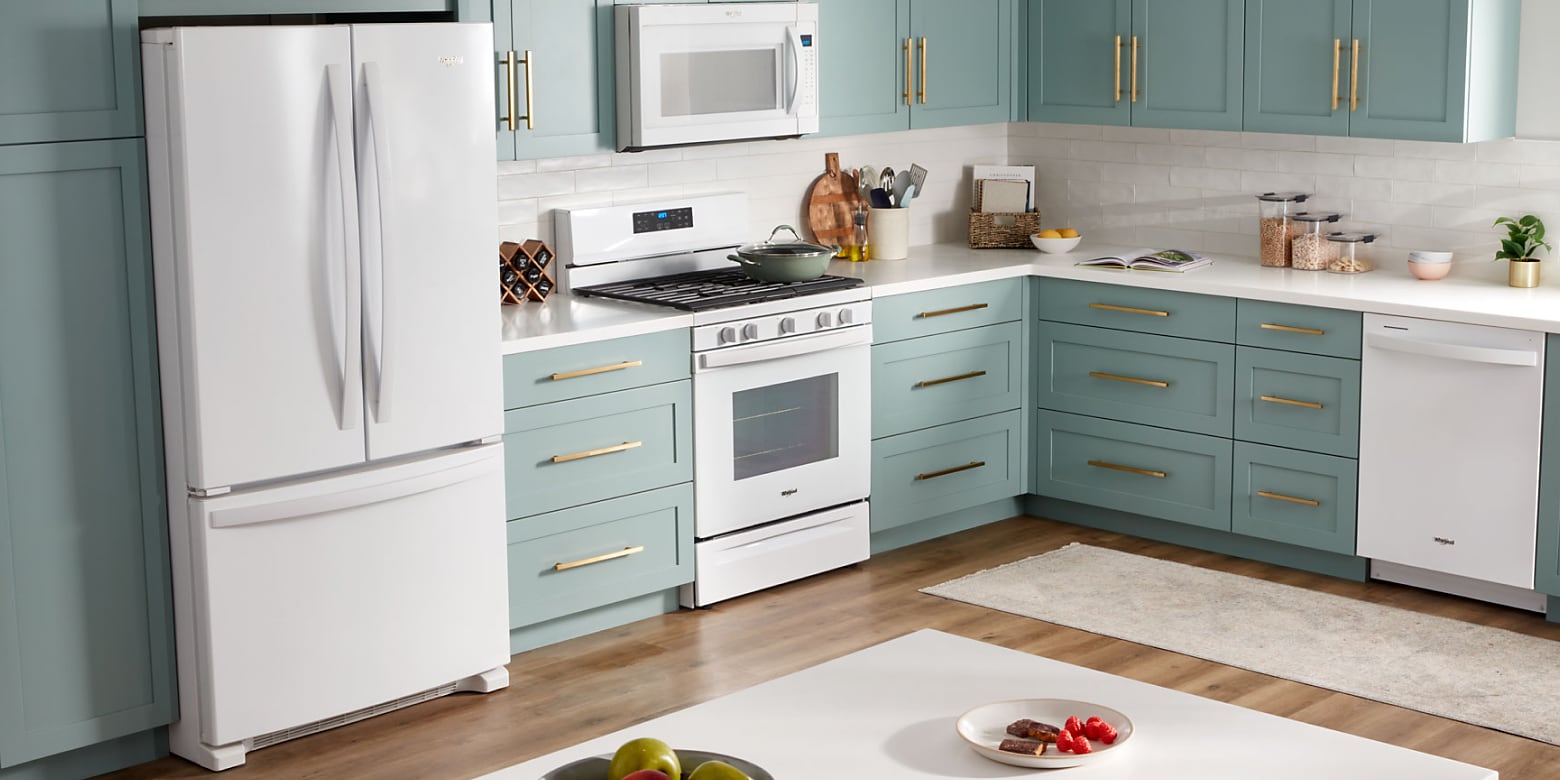
Before moving your new fridge into position, measure the dimensions of the unit itself and compare them to the space it needs to fit into. Check the width, depth, and height of your kitchen alcove, and do not forget to account for door swing clearance and ventilation gaps on the sides and back.
Most manufacturers recommend leaving at least half an inch to one inch of space on each side and at least one inch at the top to allow for proper air circulation around the condenser. Without adequate ventilation, the compressor works harder and your energy bills climb.
Also measure all doorways, hallways, and staircases between the delivery entrance and the kitchen to make sure the refrigerator can pass through without getting stuck.
Important Safety Notice
Refrigerators are heavy. Always use an appliance dolly and have at least one additional person helping you move the unit. Attempting to tilt or carry a fridge alone can cause serious back injuries or damage to the appliance.
Prepare Your New Fridge for Moving
Remove all external and internal packaging from your new refrigerator. This includes foam blocks, tape strips, and any protective film on the doors or handles. Check inside the unit as well — manufacturers often secure shelves and drawers with additional packing materials.
If you need to transport the fridge from a garage or another room, strap it securely to an appliance dolly. Keep it upright during the move whenever possible. Laying a refrigerator on its side can cause oil from the compressor to flow into the cooling lines, which may lead to problems when you power it on.

Position Your New Refrigerator and Set It in Place
Carefully roll or slide the new unit into its designated spot. Align it so that the back is close to the wall but still leaves room for ventilation and the water line connection if applicable. Make sure the power outlet is accessible.
If your kitchen floor is uneven, do not worry just yet — you will handle leveling in a later step. For now, focus on getting the fridge roughly centered in the opening with the doors clearing surrounding cabinetry when they swing open.
Locate the Water Line Tubing
If your refrigerator includes an ice maker or water dispenser, you will need to connect it to your home's water supply. Locate the water supply valve, which is typically found under the kitchen sink or in the basement directly below the fridge location. The valve is usually a small saddle valve or a standard shutoff valve attached to a cold water pipe.
Inspect the existing water line tubing. If it looks corroded, kinked, or worn, replace it with a new braided stainless steel or copper line. A fresh line reduces the risk of leaks and ensures clean water flows to your dispenser and ice maker.
Connect the Water Line to the Supply Valve
Once you have located the supply valve, attach the water line. If your refrigerator came with a water supply connector kit, follow the instructions included with it. In most cases, you will wrap the threaded fitting with Teflon tape, then hand-tighten the connection before giving it a quarter turn with a wrench.
Make sure the line runs neatly along the wall or floor without any sharp kinks. A kinked water line restricts flow, which can affect ice production and water pressure at the dispenser. Leave enough slack so you can pull the refrigerator out for future maintenance without disconnecting the line.
Flush the Water Line
Before connecting the line to the fridge itself, flush it to clear out any debris or particles that may have accumulated inside the tubing. Hold the end of the line over a bucket and briefly turn on the water supply valve. Let the water run for about thirty seconds, then shut the valve off again.
This small step goes a long way in protecting your refrigerator's internal water filter and ice maker from clogs. It also ensures the first batches of ice and glasses of water taste fresh and clean.
Attach the Water Line to the Refrigerator
Locate the water inlet valve on the back of your new refrigerator — it is usually near the bottom. Connect the water supply line to this inlet using the appropriate fitting. Again, wrap threads with Teflon tape and tighten gently with a wrench. Do not over-tighten, as this can crack the valve housing.
Turn the supply valve back on slowly and check every connection point for drips or leaks. If you spot moisture at any fitting, tighten it slightly or reapply Teflon tape until the seal is secure.
Plug In the Refrigerator
With the water line connected and checked for leaks, it is time to power up. Plug the refrigerator into a grounded three-prong electrical outlet. Avoid using extension cords — most manufacturers strongly advise against them because they can overheat and create a fire hazard.
If the fridge was transported on its side at any point, let it stand upright for at least four hours before plugging it in. This allows compressor oil to settle back into the correct position and prevents potential damage to the cooling system.
Level Your Refrigerator
Grab your level and place it on top of the refrigerator. Check both side-to-side and front-to-back. Most refrigerators have adjustable feet or leveling legs on the bottom front corners. Twist them clockwise to raise the unit or counterclockwise to lower it until the bubble is centered.
A properly leveled fridge ensures the doors close correctly and seal tightly. It also helps water drain properly from the defrost cycle, preventing puddles from forming inside or under the unit.
Adjust the Refrigerator Doors
Once the unit is level, check whether the doors align evenly and close smoothly. On most models, you can adjust door alignment by loosening the hinge bolts slightly and shifting the door up or down as needed, then re-tightening.
Properly aligned doors maintain a consistent seal, which keeps cold air inside and reduces energy consumption. If a door sags or does not close on its own when opened to about halfway, the front leveling legs may need further adjustment to create a slight backward tilt.
Reinstall Shelves and Drawers
Place all shelves, drawers, and bins back into the refrigerator according to the layout shown in your owner's manual. Arrange them in a way that maximizes storage and allows cool air to circulate freely. Give the refrigerator about 24 hours to reach its optimal internal temperature before loading it with food.
Refrigerator Installation FAQs
Can you lay a refrigerator on its side?
It is best to keep a refrigerator upright at all times. If you absolutely must lay it down during transport, leave it standing upright for at least the same amount of time it was on its side before plugging it in. This lets the compressor oil resettle properly.
Can you plug in a fridge right after moving it?
If the refrigerator remained upright throughout the entire move, you can plug it in right away. However, if it was tilted or placed on its side, wait at least four hours before connecting it to power.
How long does it take to install a refrigerator?
For most homeowners, the entire installation process takes about one to two hours. This includes disconnecting the old unit, positioning the new one, connecting the water line, leveling, and running initial checks.
Can I install a refrigerator by myself?
Technically yes, but having a second person around is strongly recommended due to the weight and bulk of most refrigerators. The water line and electrical connections are straightforward enough for a confident DIYer.
How soon can I put food in a new refrigerator?
Allow the refrigerator to run for about 24 hours so it can reach its target temperature before loading it with food. Placing room-temperature food inside too soon forces the compressor to work overtime and may cause uneven cooling.
Can I get professional help with refrigerator installation?
Absolutely. Many appliance retailers and local handyman services offer installation for a reasonable fee. If you are uncomfortable working with water supply connections or heavy appliances, hiring a professional is a smart move.
Installing a refrigerator does not have to be stressful. With the right tools, a little patience, and this step-by-step guide, you will have your new fridge cooling in no time. For more home improvement tips and quality products, explore everything at Backyard Provider.
Shop Chef AAA Merchandiser Refrigerator