


 Damage
  Loss
Loss  Theft
Theft 


Refrigerator Sizes: How to Measure Fridge Dimensions
Selecting the right refrigerator goes beyond just picking a model with the features you love — it also means making sure it actually fits your space. Whether you are upgrading a residential kitchen or outfitting a commercial setup, knowing how to measure and compare fridge dimensions will save you time, money, and frustration. This complete guide covers everything from standard sizing to capacity calculations, helping you confidently choose the perfect refrigerator for your needs
This Guide
IN This Guide
Standard Sizes • Sizes by Type • How to Measure • Capacity Explained • Choosing the Right Size
What Are Standard Refrigerator Sizes?
The typical size of a refrigerator depends on its configuration — whether it is a bottom freezer, top freezer, French door, or side-by-side model. In general, standard refrigerator dimensions range from about 24 to 40 inches wide, 61 to 72 inches tall, and 28 to 37 inches deep. Keep in mind that when the doors are fully open, the depth can extend up to around 45 inches. Of course, exact measurements will differ between manufacturers and specific models.
Below you will find a breakdown of standard dimensions for the four most common refrigerator types, giving you a clear reference point as you shop.
French Door
Height: 68½″ – 70⅛″
Width: 29½″ – 36″
Capacity: 19 – 31 cu. ft.
Side-by-Side
Height: 65⅞″ – 71¼″
Width: 32¾″ – 39¾″
Capacity: 22 – 28 cu. ft.
4 Door
Height: 69½″ – 70⅛″
Width: 35¾″
Capacity: 22 – 28 cu. ft.
Refrigerator Capacity Explained
Refrigerator capacity refers to the total internal storage volume, expressed in cubic feet. To figure out a refrigerator's capacity yourself, simply multiply the interior length × width × depth (all in inches), then divide by 1,728 — the number of cubic inches in a single cubic foot.
As an illustration, imagine a fridge with interior measurements of 24 inches wide, 70 inches tall, and 24 inches deep. Multiply those together (24 × 70 × 24 = 40,320 cubic inches), then divide by 1,728. The result is roughly 23.3 cubic feet of storage space.
The boundaries between small, medium, and large capacity are not set in stone, and you will encounter models that exceed these ranges. That said, here is a general framework to keep in mind:
Small
11 – 13 cu. ft.
Medium
14 – 21 cu. ft.
Large
22 – 31+ cu. ft.
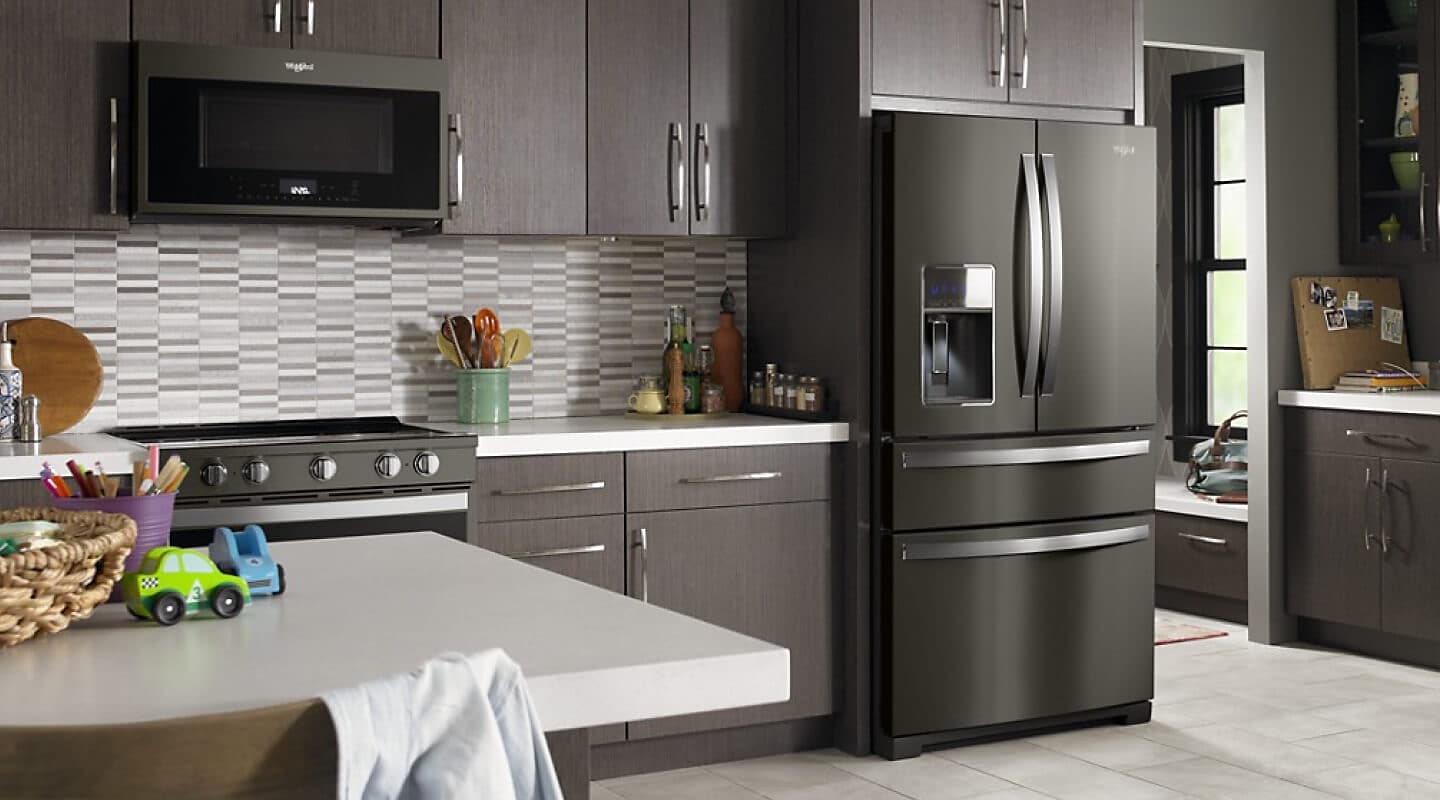
Sizes by Refrigerator Type
Refrigerators are available in a wide variety of sizes and configurations, each designed to meet different storage demands, kitchen footprints, and personal preferences. Whether you need a compact top-freezer unit or a full-size French door model, understanding the standard dimensions for each type makes comparison shopping far easier.
French Door Refrigerator Dimensions
A French door refrigerator typically measures between 29 and 36 inches wide, stands 68 to 72 inches tall, and runs 28 to 37 inches deep. When the doors are swung open, expect the total depth to reach approximately 45 inches. These models generally offer between 19 and 31 cubic feet of storage, though exact numbers will vary depending on the make and model you choose.
Side-by-Side Refrigerator Dimensions
Side-by-side refrigerators place the freezer and refrigerator compartments next to each other, making them ideal for narrower kitchen spaces where wide-swinging doors are impractical. Standard dimensions usually span 32 to 40 inches wide, 65 to 71 inches tall, and 29 to 35 inches deep. With capacities commonly ranging from 22 to 28 cubic feet, these models strike a solid balance between accessibility and storage volume.
Top Freezer Refrigerator Dimensions
The classic top freezer layout remains one of the most affordable and space-efficient options on the market. These units generally measure 24 to 33 inches wide, 61 to 69 inches tall, and 26 to 34 inches deep. Their capacities tend to range from about 14 to 21 cubic feet, making them a reliable workhorse for kitchens where maximizing floor space is a priority.
Bottom Freezer Refrigerator Dimensions
Bottom freezer models place the fresh food section at eye level, reducing the need to bend over for everyday items. They typically measure 29 to 36 inches wide, 67 to 70 inches tall, and 30 to 36 inches deep. Capacity ranges from 18 to 25 cubic feet, and the pull-out freezer drawer provides easy access to frozen goods without sacrificing upper fridge space.
How to Measure for a New Refrigerator
Before purchasing any refrigerator, accurate measurements of your available space are essential. Taking a few minutes to measure properly will help you avoid costly returns and installation headaches. Follow these steps to ensure a seamless fit:
Measure the Width
Measure the horizontal opening from one side of the alcove or cabinetry to the other. Leave at least half an inch of clearance on each side for proper air circulation.
Measure the Height
Measure from the floor to the bottom of any overhead cabinetry or ceiling obstruction. Allow at least one inch of space above the refrigerator for proper ventilation.
Measure the Depth
Measure from the back wall to the front edge of your countertop or cabinetry. Remember that most refrigerators extend roughly six inches beyond standard counters when the doors are closed.
Check the Delivery Path
Measure all doorways, hallways, and stairwells between your entrance and the kitchen. The refrigerator needs a clear path with at least one inch of clearance on all sides during transport.
How to Decide Which Size Is Right for You
Choosing the ideal refrigerator size comes down to balancing three factors: the physical space you have available, the volume of food you need to store, and the style that best fits your kitchen layout. For a household of one or two people, a compact model in the 11 to 17 cubic-foot range is often more than sufficient. Families of three to four typically do well with a mid-size fridge offering 18 to 24 cubic feet. Larger households or those who like to stock up on groceries may want 25 cubic feet or more.
For commercial applications — such as restaurants, convenience stores, or catering operations — glass door merchandiser refrigerators offer exceptional visibility and much larger capacities. These units let customers see exactly what is available while keeping everything at the proper temperature, and they are available in configurations ranging from single-door compact models to wide two-door and three-door units exceeding 30 cubic feet.
No matter what your requirements are, always double-check your measurements before ordering and verify that the delivery path to your kitchen or commercial space is clear. Taking a few extra minutes upfront ensures a smooth installation and years of reliable performance.
Need help selecting the right refrigerator for your space? Browse the full collection at Backyard Provider or reach out to our team for personalized recommendations.