


 Damage
  Loss
Loss  Theft
Theft 


Fridge/Freezer Door Not Closing? Here's How to Fix It
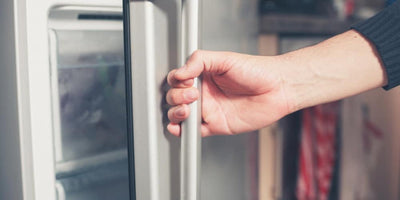
A refrigerator or freezer door that refuses to close all the way might seem like a small inconvenience, but it can quickly turn into a costly headache. Cold air leaks out, temperatures inside become unstable, and your food starts to spoil sooner than it should. On top of that, your appliance has to work overtime to compensate, driving up your electricity bill month after month.
Over time, this added strain can shorten the lifespan of your fridge or freezer significantly. The good news? Many of these issues are straightforward to diagnose and fix on your own. Catching the problem early can save you from expensive repairs — or even a full replacement down the road.
Why Won't Your Freezer or Fridge Door Shut Properly?
There are a handful of common culprits behind a door that won't seal the way it's supposed to. Understanding what's causing the issue is the first step to getting it resolved.
Worn or Damaged Door Seals
The rubber gaskets that line your door edges deteriorate over time. Cracks, tears, or general wear and tear can prevent them from creating the airtight seal your appliance depends on to stay cold.
Misaligned Door Hinges
When hinges loosen or shift out of position, the door hangs unevenly. This gradual sagging — often caused by the sheer weight of the door over the years — prevents it from meeting the frame squarely.
Ice Buildup in the Freezer
Excessive frost or ice accumulation inside the freezer compartment can physically block the door from shutting. This tends to happen more frequently in older units or those without automatic defrost cycles.
Shelving or Item Obstructions
Oversized containers, bulging bags, or shelves that have shifted out of place can all push against the door from the inside and keep it from closing properly.
Faulty Door Latch Mechanism
Some models rely on a latch mechanism to hold the door in place. If that latch becomes stuck, broken, or worn out, the door won't click shut the way it should.
How to Diagnose and Fix the Problem Yourself
Before you pick up the phone to call a technician, there are several things you can try on your own. These troubleshooting steps address the most frequent causes and can often resolve the issue without any professional help.
Examine the Door Seals Thoroughly
Look for visible damage: Open the door and carefully run your fingers along the entire gasket. Feel for any cracks, stiff spots, tears, or sections where the rubber has pulled away from the frame.
Try the paper test: Slide a piece of paper into the door seal and close the door. If the paper slides out easily with no resistance, the seal in that area has lost its grip and needs attention.
Give it a good cleaning: Dirt, grease, and grime buildup along the gasket can weaken the seal over time. Wipe it down with warm water and a gentle dish soap, then dry it completely.
Consider a replacement: If cleaning doesn't restore the seal, the gasket itself may need to be swapped out. Replacement gaskets are widely available and relatively simple to install.
Inspect and Adjust the Hinges
Step back and look at the door from the side. If it appears to be hanging crookedly or sagging at one corner, the hinges are likely the issue. Grab a screwdriver and carefully tighten the hinge screws. On models with adjustable hinges, you can fine-tune the door's alignment until it meets the frame evenly on all sides. Test by opening and closing the door a few times to confirm it sits flush.
Get Rid of Any Ice Buildup
Defrost the freezer: If ice is blocking the door, power down the appliance entirely and leave it open so the ice can melt naturally. Place towels around the base to catch the runoff.
Look into the defrost system: If frost keeps coming back repeatedly, the automatic defrost function may be malfunctioning. This kind of recurring issue typically requires a technician to diagnose and repair.
Clear Out Any Internal Obstructions
Open the door and take a close look at how things are arranged inside. Containers that are too tall, shelves that have slipped out of their tracks, or items wedged near the door opening can all create enough resistance to prevent a full close. Reorganize, reposition, or remove whatever's in the way, and check that the shelves click securely into their slots.
Preventive Maintenance and When to Call a Pro
Taking a few simple preventive steps on a regular basis can go a long way toward keeping your fridge or freezer door working smoothly for years.
✓ Clean the gaskets regularly — Every couple of months, wipe down the rubber seals with a damp cloth to clear away dust, crumbs, and residue that can weaken the seal over time.
✓ Monitor door alignment — Periodically check your door hinges and tighten any loose screws. A quick adjustment every now and then can prevent bigger problems from developing.
✓ Defrost manually when needed — If your freezer doesn't have an auto-defrost feature, plan to defrost it at least once or twice a year to keep ice from building up and interfering with the door seal.
If you've worked through all of these steps and the door still won't close properly, it may be time to bring in a professional technician. Persistent issues could point to a deeper mechanical problem or a failing component. And if your appliance is on the older side and repair costs are stacking up, upgrading to a newer, more energy-efficient model could end up saving you money in the long run.
Featured Product
Upgrade to a Reliable Commercial Refrigerator
Tired of battling a door that won't cooperate? Consider a dependable, high-performance merchandiser refrigerator built for long-lasting reliability and effortless operation.