


 Damage
  Loss
Loss  Theft
Theft 


The Ultimate Commercial Freezer Buyer's Guide
If you operate any type of venue that stores or serves food, your freezers rank among the most critical equipment in your entire operation. Commercial freezers run around the clock, preserving inventory and protecting your bottom line. With so many options on the market — from compact undercounter units to full-scale walk-in models — choosing the right one requires careful thought.
That's exactly why we put together this comprehensive freezer buyer's guide. Whether you're outfitting a restaurant kitchen, a supermarket, a retail shopfront, or any food service environment, this guide will walk you through the different freezer types, the jargon you'll encounter, and the essential factors to weigh before making your purchase.
What This Guide Covers
1. Types of Commercial Freezers
2. Common Commercial Freezer Terminology
3. Key Factors When Buying a Commercial Freezer
4. Used vs. New Commercial Freezers
5. Top Commercial Freezer Brands
6. Questions to Ask Before You Buy
7. Commercial Freezer FAQ
Types of Commercial Freezers
No matter the size or style of your operation, having ample freezer space is always a priority. Here's a breakdown of the most popular commercial freezer categories you'll encounter when shopping around.
Upright / Reach-In / Stand-Up Freezer
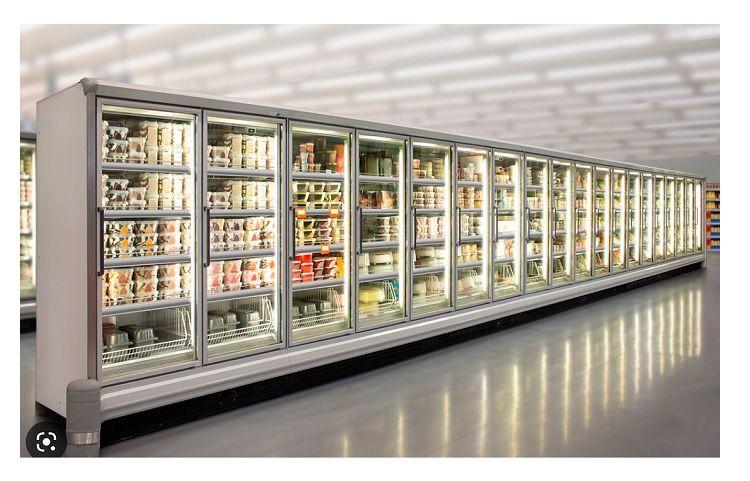
These are among the most common commercial freezers. Also called vertical or stand-up units, they feature shallow shelves that let you — or your customers — easily grab what's needed. Available in one-door, two-door, or multi-door configurations, these freezers work well for both kitchen storage and retail display. If your kitchen demands gastronorm compatibility, you'll want to confirm that feature. Glass-door models are ideal for customer-facing displays, while stainless steel doors suit back-of-house use.

Walk-In Commercial Freezers
Sometimes referred to as cool rooms, walk-in freezers are built for high-volume storage. Unlike an upright unit, a walk-in gives you ample room to move around inside the refrigerated space. These are heavy-duty installations that require professional setup, and the site should be assessed to ensure all running equipment is properly sized. Walk-ins carry a higher price tag and demand more installation effort, but they're indispensable for operations that need serious capacity.
Horizontal / Chest Freezer
These "bend and reach" display freezers are a staple for ice cream and other frozen goods. They're considered more energy efficient because cold air doesn't escape as readily when you lift the top lid. For kitchen use, look for models with removable baskets so staff can find what they need without endless digging.
Countertop Freezer
A compact freezer designed to sit right on a work surface. Countertop freezers are perfect in fast-paced food prep areas where staff need quick access to ingredients without constantly walking to a larger unit. Pastry teams, for example, can pull essentials before service and keep them close at hand.
Undercounter Freezer
When counter space above is limited, an undercounter freezer slides right beneath the workspace. Choose between single-door and double-door models based on your available space. Some undercounter freezers even come integrated into workbench units for maximum efficiency.
Drawer Freezer
Drawer freezers are growing in popularity thanks to their convenience. You won't have to crouch down and dig around — the shallow drawers slide out for easy access. Some models even include a usable countertop surface and programmable temperature controls per drawer. The trade-off is that these drawers can be harder to clean and you can't peek at contents without opening them.
Commercial Blast Chiller / Blast Freezer
Also called flash freezers, these units can freeze food in roughly 90 minutes — compared to around four hours in a standard freezer. This rapid chill preserves moisture, maintains flavor, and minimizes bacterial risk. You can produce high-volume sauces, soups, and gravies between busy periods, chill them instantly, and store them for later. Food frozen this way holds its shape, taste, and texture far better than with conventional freezing.

Batch Freezer
If your operation produces large quantities of frozen desserts like ice cream, gelato, or sorbet, a batch freezer is essential. These specialized machines churn the mixture as it freezes, preventing ice crystals and ensuring a smooth, creamy texture. They're available in a range of sizes to suit different production volumes.
Roll-In / Rack Freezer
When you're preparing trays of pastries, frozen desserts, or meat patties in volume, a roll-in rack freezer is your best friend. Instead of fixed shelves, the entire rack rolls in on wheels for fast loading and unloading. For maximum convenience, choose a model with a floor-level base or ramp to eliminate lifting.
Common Commercial Freezer Terminology
You don't need to be a refrigeration technician, but understanding a few key terms will make your shopping experience far easier — and help you maintain your equipment once it's in place.
Condenser Coil
The metal component at the back or bottom of the freezer responsible for cooling and condensing the refrigerant. Over time, dust and grime accumulate on these coils, reducing their ability to release heat efficiently. Regular cleaning keeps your freezer performing at its best.
Defrost
Ice gradually builds up inside a freezer as warm air enters and then cools each time the door opens. Excessive ice forces the unit to work harder. Newer models feature auto-defrost systems, but you should still monitor ice levels — anything deeper than a centimetre indicates it's time for a manual defrost.
Fan
Internal fans cool the compressor and circulate air through the coils, preventing frost buildup and spoilage. If the fans malfunction, the internal temperature will rise and compromise food safety.
Freezer Burn
Freezer burn occurs when moisture in the outer layers of food evaporates into the freezer's air, leaving behind dry pockets. You'll notice brownish-white discolouration and a crunchy, unpleasant texture. To prevent it, wrap food tightly before storing and avoid leaving items frozen for excessively long periods.
Gastronorm (GN) Compatible
A freezer that's gastronorm compatible can accommodate standardized pan and container sizes used across professional kitchens. This uniformity streamlines food prep, storage, and service — making a busy kitchen significantly easier to manage.
Low-E Glass
Low-E glass features a thin reflective coating that limits the amount of UV and infrared light entering a glass-door display freezer. The result is improved energy efficiency, which translates directly into lower operating costs over the life of the unit.
Refrigerant
Refrigerant is the fluid that circulates through the refrigeration cycle, alternating between liquid and gas states to create the cooling effect. Inside the freezer, the compressor pushes the refrigerant through condenser coils (releasing heat) and then through evaporator coils (absorbing heat). When choosing a freezer, look for models using natural, non-toxic hydrocarbon refrigerants that have no ozone-depleting properties.
Seal / Gasket
The flexible strip around the door that ensures a tight closure. A damaged or dirty seal lets cold air escape, forcing the compressor to work overtime — often signaled by unusually loud operation. Freezers depend heavily on an intact seal to maintain safe internal temperatures.
Thermostat / Temperature Gauge
Modern commercial freezers display the real-time internal temperature so you can verify food is stored within safe limits at a glance.
Ventilation
Freezers generate heat as part of the cooling process, and that heat needs somewhere to go. Adequate clearance around the vents — typically a few centimetres — ensures proper airflow. Models with front ventilation can be placed closer to walls, which is a big advantage in tight kitchens.
Key Factors When Buying a Commercial Freezer
Size
Getting the size right is critical. A freezer that's too large wastes floor space and energy. One that's too small leads to cramped, disorganized storage. Measure your intended placement area carefully — including height, width, and depth — and don't forget to leave clearance for rear ventilation. Empty space inside the unit also means it works harder to maintain temperature, so aim for a size that matches your actual storage needs.
Capacity
Capacity is measured in litres and tells you how much food the interior can hold. Compare models closely — even units that look similar on the outside can differ by several litres on the inside. Also evaluate shelf placement: will the configuration suit lots of small items, or do you need room for larger containers?
Door Alarms
A beeping freezer door is annoying, but it's saving you money. An open door for even a minute or two can start thawing food, and refreezing promotes freezer burn. Over time, that alarm pays for itself in lower energy and spoilage costs.
Energy Efficiency
Since your freezer runs 24/7, energy efficiency directly impacts your operating costs and environmental footprint. Look for models with strong insulation, efficient interior LED lighting, high-quality seals, and technology that minimizes temperature fluctuations. Make sure the unit meets all applicable energy rating requirements for your region.
Mobility
If you ever need to reposition your freezer — for cleaning, renovations, or event catering — a model with built-in wheels or castors will save significant effort.
Doors
Think about which way the door swings and whether it will block walkways or bump into nearby equipment. Double doors, French doors, or split-door designs can help you organize different foods into separate sections. Self-closing doors are an especially practical feature — they save energy and free your staff from backtracking to shut a door.
Security
A built-in lock may seem unnecessary until you consider the risk of theft or vandalism. Especially for unattended retail locations, a locking freezer offers peace of mind and protects your inventory investment.
Regularity of Use
Consider how frequently your team will be accessing the unit throughout the day. A chest freezer might fit the space perfectly, but if staff are constantly lifting the lid, frustration builds fast. In high-traffic environments, an upright reach-in model is almost always more practical.
Temperature Control & Display
The widely accepted ideal temperature range for commercial freezers is -18°C to -20°C. A clear, easy-to-read thermometer or digital display lets you monitor conditions at a glance and respond quickly if something shifts.
Placement
Keep your freezer away from direct sunlight and heat sources. If it's a customer-facing display unit, ensure there's room for doors to open without hitting nearby fixtures. Also think about power outlet placement — you want easy access for plugging in and for manual defrost shutoffs.
Defrost Function
Most modern freezers include auto-defrost, which cycles throughout the day without affecting food quality. If you're shopping for a used unit, confirm this feature is present and working. Even auto-defrost models may need a full manual defrost after a couple of years.
Installation & Power Supply
Before purchasing, clarify the installation process. Will the vendor deliver and connect the unit, or just drop it off? Professional installation ensures optimal performance from day one. Also verify that your electrical supply matches the freezer's voltage requirements — consult an electrician if you're unsure.
Warranty & Guarantees
Your freezer is mission-critical equipment. An extended warranty on parts and labour can save you from costly surprises down the road. Always ask about coverage details before you commit.
Cleaning & Maintenance
Routine cleaning and dust removal — especially around vents and coils — extends both the lifespan and efficiency of your freezer. Ask your vendor about recommended maintenance schedules. Also check on spare parts availability; a bargain-priced model isn't much of a deal if replacement parts are impossible to source.
Used vs. New Commercial Freezers
A used commercial freezer can be a sensible choice when you're launching or expanding on a budget. It lets you test the size and style you need before committing to a brand-new model, and the upfront savings can be significant.
That said, exercise caution. Purchasing a used unit from an unverified source — such as an online auction or classified listing — offers little assurance of quality. The smarter route is to find a used freezer that has been professionally inspected and serviced, ideally one that still carries some form of warranty. This gives you reasonable confidence that the unit will perform reliably for at least a year.
Top Commercial Freezer Brands
The "best" brand ultimately depends on your specific needs, budget, and the type of venue you operate. The encouraging news is that commercial freezer technology continues to advance rapidly, and there are many excellent options across a range of price points. Focus on models that match your capacity requirements, offer the features you'll actually use, and come backed by reliable service and parts availability.
Questions to Ask Before You Buy
One of the most valuable things you can do before buying is talk to people in your industry who already own commercial freezers. Their real-world experience is priceless.
Ask Fellow Operators:
— Which model do you use, and why did you choose it?
— How often does your freezer need repairs?
— Which brands have you found most reliable?
— How easy is it to clean and maintain?
— Does your team find it easy to access and use daily?
— Have you ever bought a used unit, and what was that experience like?
— What price range would you recommend?
Ask Your Dealer or Supplier:
— Will this machine suit the specific needs of my venue?
— What's included in the warranty?
— How easy is it to source replacement parts?
— What happens if I need an urgent repair? What are the callout fees?
— Why do you recommend this particular model?
— Is this freezer worth the price relative to comparable options?
Commercial Freezer FAQ
Why isn't my commercial freezer actually freezing food?
Food that isn't reaching proper frozen temperatures signals a problem — usually an inability to maintain the correct internal climate. Common culprits include a worn seal, poor ventilation around the unit, a spike in ambient temperature, a dirty condenser coil, or excessive ice buildup inside. Check these areas before calling a repair technician.
How much does a commercial freezer cost?
Pricing varies widely depending on the model and brand. Smaller undercounter units can range from a few hundred to several thousand dollars, while large walk-in freezers can exceed $25,000. Don't just look at the sticker price — factor in monthly operating costs as well. In some cases, a higher purchase price is offset by significantly lower energy bills over the life of the unit.
What is the lifespan of a commercial freezer?
A well-made commercial freezer typically lasts around ten years or more with proper care. Over that span, you may need to replace seals and gaskets, which naturally wear out from constant daily use. Regular maintenance helps maximize the unit's full lifespan.
What's the best commercial freezer brand?
There's no single answer — it depends entirely on the size of your operation, what you're storing, and how you plan to use the unit. Choose based on the features that matter most to you, such as capacity, remote monitoring, locking mechanisms, energy efficiency, and local service support.
BACKYARD PROVIDER
Your go-to destination for quality commercial & outdoor equipment.