


 Damage
  Loss
Loss  Theft
Theft 


Setting the Right Refrigerator & Freezer Temperature
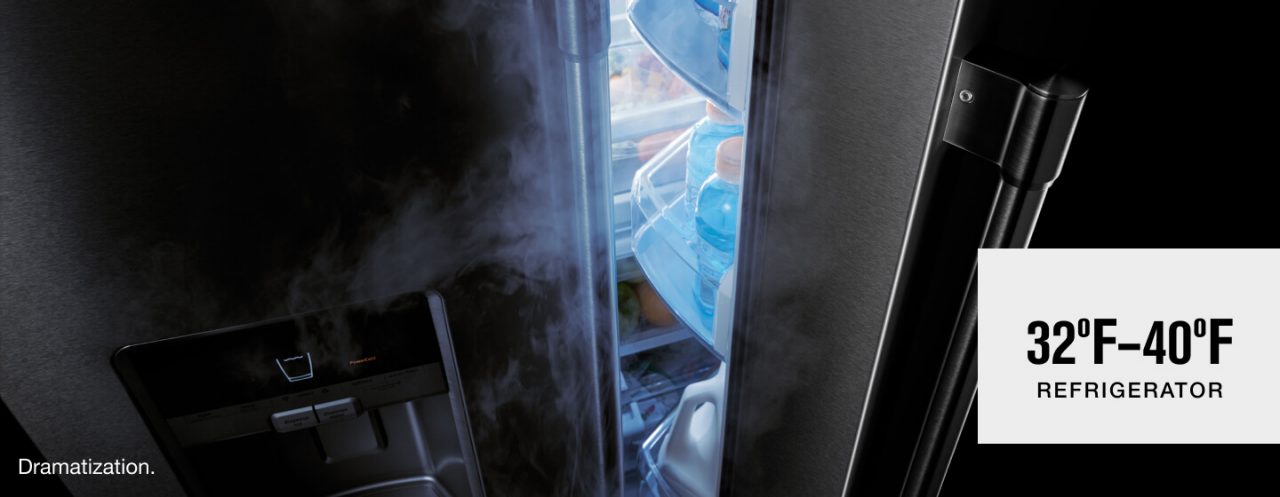
For most homes, the refrigerator and freezer are among the hardest-working appliances. Yet many people overlook a critical detail: temperature settings. For the best performance, your refrigerator should be set between 32°F–40°F (0°C–4.4°C), while the freezer should sit at 0°F (−18°C).
Use this guide to learn how to dial in the right temperatures for both compartments, helping you keep food cool, frozen properly, and safe to eat.
What's the Best Temperature Range for a Refrigerator?
Your refrigerator should maintain a temperature between 32°F and 40°F (0°C to 4.4°C). Among these, 37°F is widely regarded as the sweet spot for storing the majority of perishable foods. This range is cold enough to inhibit harmful bacterial growth while keeping produce, dairy, and meats at their freshest.
Certain Compartments Run Cooler Than Others
Not every shelf inside your fridge holds the same temperature. The back and bottom sections tend to be the coldest, making them ideal for raw meats and dairy. Door shelves, on the other hand, fluctuate more and are better suited for condiments, sauces, and drinks with a longer shelf life.
Arrange Your Fridge for Better Airflow
How you organize your refrigerator plays a major role in food preservation. Once you've confirmed your temperature settings, arrange items thoughtfully to promote consistent airflow. Avoid overpacking shelves, and leave space for cold air to circulate around your food evenly.
How Cold Should Your Freezer Be?
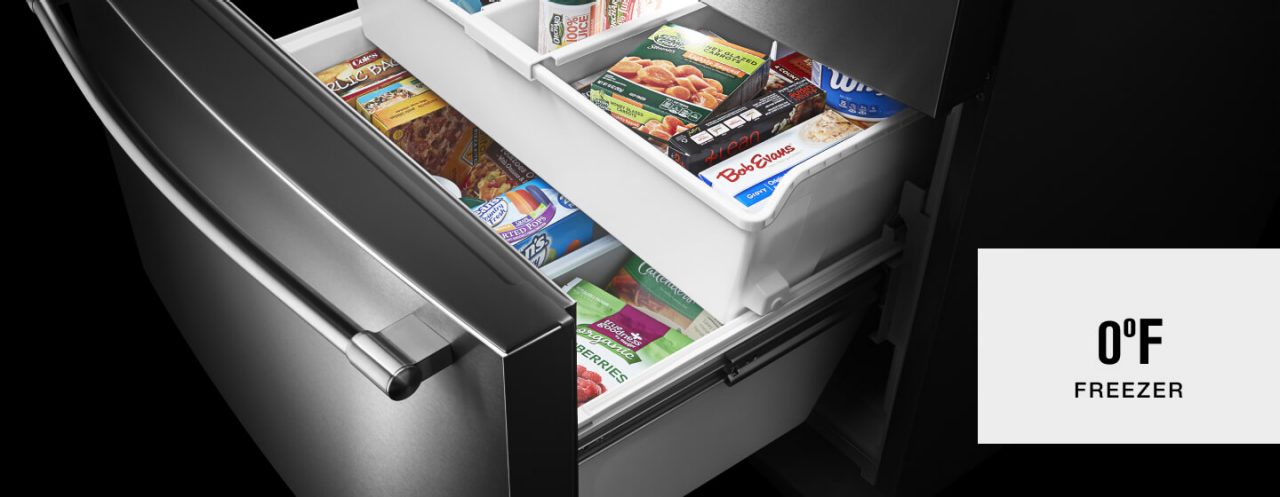
For optimal results, your freezer should be set to 0°F (−18°C). This temperature preserves the texture, flavor, and nutritional value of frozen goods while preventing freezer burn. Some experts even recommend going slightly colder — around −1°F to −2°F — to provide an extra layer of protection for items stored long-term.
Maintaining a consistently low freezer temperature ensures that ice crystals don't form on your food's surface, which is the primary cause of freezer burn and degraded quality over time.
32°F–40°F
Refrigerator
0°F
Freezer
How to Adjust Your Refrigerator & Freezer for Food Safety
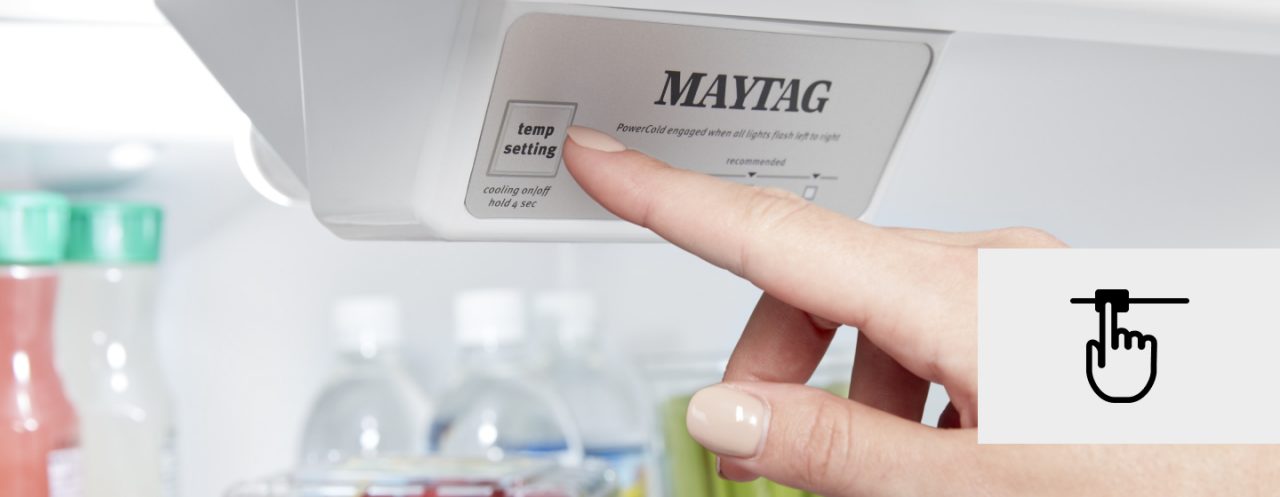
Most modern refrigerators come equipped with a digital or dial-based control panel. To lower the temperature, increase the setting; to raise it, decrease the setting. If your unit uses a numbered scale instead of degrees, consult the owner's manual to determine which number corresponds to the correct range.
An inexpensive appliance thermometer is a worthwhile investment. Place it inside each compartment to verify the actual temperature matches what the control panel displays. This is especially helpful for older units where the built-in gauge may no longer be accurate.
Keeping temperatures within the recommended range does more than preserve food quality — it directly prevents the growth of dangerous bacteria. Colder environments slow bacterial activity, reducing the risk of foodborne illness and keeping your stored items safe for longer periods.
What to Do When Your Fridge Isn't Keeping Things Cold
Start by double-checking your temperature settings. Use a standalone thermometer to confirm the interior is below 40°F. If it's not, adjust the controls and wait at least 24 hours before rechecking — refrigerators need time to stabilize after any change.
If the temperature still doesn't drop after a full day, or if your fridge is already set to its coldest option, there may be a deeper issue. Dirty condenser coils, a malfunctioning thermostat, or blocked vents can all interfere with cooling performance. In these cases, a service appointment or professional inspection may be in order.
Don't wait too long to address a warm fridge — food stored above 40°F enters the "danger zone" where bacteria can multiply rapidly, potentially leading to spoiled food and health risks.
Keeping a Consistent Temperature in Your Fridge & Freezer
Check your refrigerator and freezer temperatures on a regular basis to confirm they remain within the recommended range. If your model uses a numbered dial rather than specific degree readings, an appliance thermometer is the easiest way to stay on top of things.
Be mindful of how you load your fridge. Stacking items against the air vents or overcrowding shelves restricts airflow, which forces the compressor to work harder and can cause uneven cooling. Leave some breathing room so cold air can circulate freely throughout.
After opening the door for an extended period — like when unloading groceries — give your fridge several hours to return to its target temperature. Frequent or prolonged door openings are one of the most common causes of temperature fluctuations.
Featured Product
Upgrade Your Commercial Cold Storage
Looking for reliable freezer performance at a commercial scale? Explore our reach-in freezer built for heavy-duty use with six solid doors and spacious interior capacity.
Chef AAA SCD-660F 72" Reach-In Freezer© Backyard Provider — Your Trusted Source for Outdoor Living & Home Essentials