


 Damage
  Loss
Loss  Theft
Theft 


How to Measure for a New Fireplace Insert
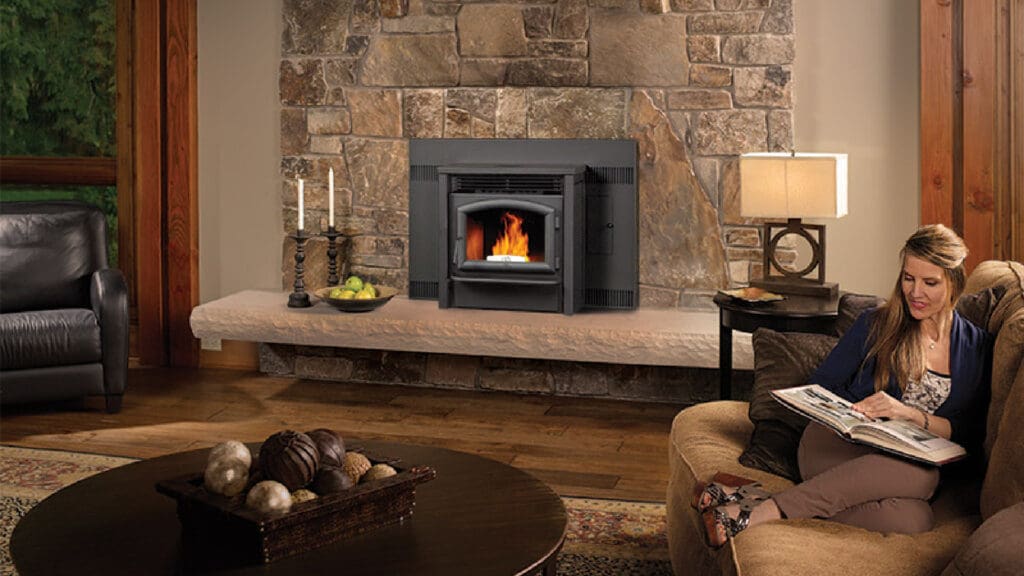
A fireplace insert is an enclosed unit — typically crafted from cast iron or steel — designed to slide into an existing firebox, sealing it off and dramatically improving heat retention. Unlike a traditional open fireplace, an insert captures warmth rather than sending it straight up the chimney.
The result? Cleaner combustion, lower energy bills, and a more sustainable way to heat your home. They're also easier to maintain and, when chosen well, genuinely beautiful additions to any living space. But before any of that can happen, you need to measure — correctly.
Before you head to the store or browse online, gather a few simple items. You likely have all of these at home already:
- Measuring Tape
- Notepad or Paper
- Pen or Pencil
You'll need four key dimensions from your existing firebox: length, height, width, and depth. Take your time here — accurate measurements are the difference between a seamless install and a costly return.
Measuring the Length and Height
Start with height — measure at both the left and right sides of the firebox opening, front and back. Use the smallest measurement to be safe. For the height specifically, measure from the floor of the firebox (or the bottom of the intended insert position) straight up to the top of the opening. Always account for any decorative addons or trim on the surround.
Measuring the Width
Measure the width of the opening across both the top and the bottom of the firebox. Fireboxes aren't always perfectly square, so recording both measurements ensures your insert will fit without forcing it into place. Again, use the smaller of the two figures when selecting your unit.
Measuring the Depth
Stand at the center of the firebox and measure straight back — from the opening edge to the rear wall. This tells you how deep an insert you can accommodate. Don't skip this step; an insert that's too deep simply won't sit properly.
Fireplace inserts are far from one-size-fits-all. They come in wood, gas, and pellet varieties — each with its own set of trade-offs in terms of cost, efficiency, and convenience. Choosing the right one means going beyond dimensions.
Mantel & Surround
Think about what type of mantel will sit above your insert, and how updates to the shelf or surround might affect clearance. Structural planning before purchase saves a lot of headaches later.
BTU Output
Determine how much heat your room actually needs. Most inserts produce between 30,000 and 80,000 BTUs — larger rooms require more output to stay comfortable.
Fuel Accessibility
Consider what fuels are readily available in your area and factor in ongoing costs. Wood, natural gas, and pellets each carry different long-term commitments.
Safety Regulations
Local codes may dictate which inserts are permitted. Always verify compliance before purchasing, especially for gas or pellet units that require venting.
Ready to Find Your Perfect Insert?
Skip the guesswork. Once you have your measurements in hand, explore our curated selection of high-performance fireplace inserts — built for real homes, real winters, and real comfort.
HP22i Pellet Insert