


 Damage
  Loss
Loss  Theft
Theft 


What Size Generator Do I Need to Run My RV?

Selecting the right generator for your recreational vehicle is one of the most important decisions you'll make as an RV owner. Whether you're camping off-grid in the wilderness or staying at a campground without electrical hookups, having reliable power ensures comfort, convenience, and safety throughout your travels.
This comprehensive guide will walk you through everything you need to know about RV generators—from understanding your power requirements to selecting the ideal unit for your specific needs.
Types of RV Generators
RV generators come in several varieties, each with distinct advantages depending on your camping style and power requirements. Understanding these options helps you make an informed choice.
Portable Generators
Compact and versatile units that can be moved easily between locations. Ideal for smaller RVs, tent camping, or as backup power. These generators typically range from 1,000 to 4,000 watts and offer excellent portability.
Built-In Generators
Permanently installed within your RV's compartment, these units offer seamless integration with your vehicle's electrical system. They provide higher power output and connect directly to your RV's fuel tank for extended operation.
Inverter Generators
Advanced technology that produces clean, stable power perfect for sensitive electronics. These generators automatically adjust engine speed to match power demand, resulting in better fuel efficiency and quieter operation.

How Much Electricity Do You Need in Your RV?
Determining your power needs is the critical first step in selecting the right generator. Your requirements depend on which appliances and devices you plan to operate simultaneously.
What's On a Recreational Vehicle?
Modern RVs come equipped with numerous electrical appliances that make life on the road comfortable. Understanding what devices draw power helps calculate your total energy requirements.
What Is the Total Power Usage?
Add up the wattage of all devices you plan to run at the same time. Remember that some appliances require extra starting power (surge watts) before settling into their running wattage.
How Much Power Do Common RV Appliances Use?
Below is a reference guide showing typical wattage requirements for common RV appliances. Use these figures to calculate your total power needs.
| Appliance | Running Watts | Starting Watts |
|---|---|---|
| Air Conditioner (13,500 BTU) | 1,200-1,500W | 2,800-3,000W |
| Air Conditioner (15,000 BTU) | 1,500-2,000W | 3,300-3,500W |
| Refrigerator | 150-400W | 400-600W |
| Microwave | 1,000-1,500W | 1,000-1,500W |
| Coffee Maker | 600-1,200W | 600-1,200W |
| Television | 100-400W | 100-400W |
| Water Heater (Electric) | 1,000-1,500W | 1,000-1,500W |
| Lights (LED) | 20-100W | 20-100W |
| Phone/Device Chargers | 10-50W | 10-50W |
| Space Heater | 750-1,500W | 750-1,500W |
How Do You Calculate Wattage?
Calculating your RV's power requirements involves a straightforward process. Follow these steps to determine the generator size you need:
Your generator should have enough starting watts to handle the highest surge requirement plus enough running watts to power all devices operating at the same time.
Portable RV Generator Sizes
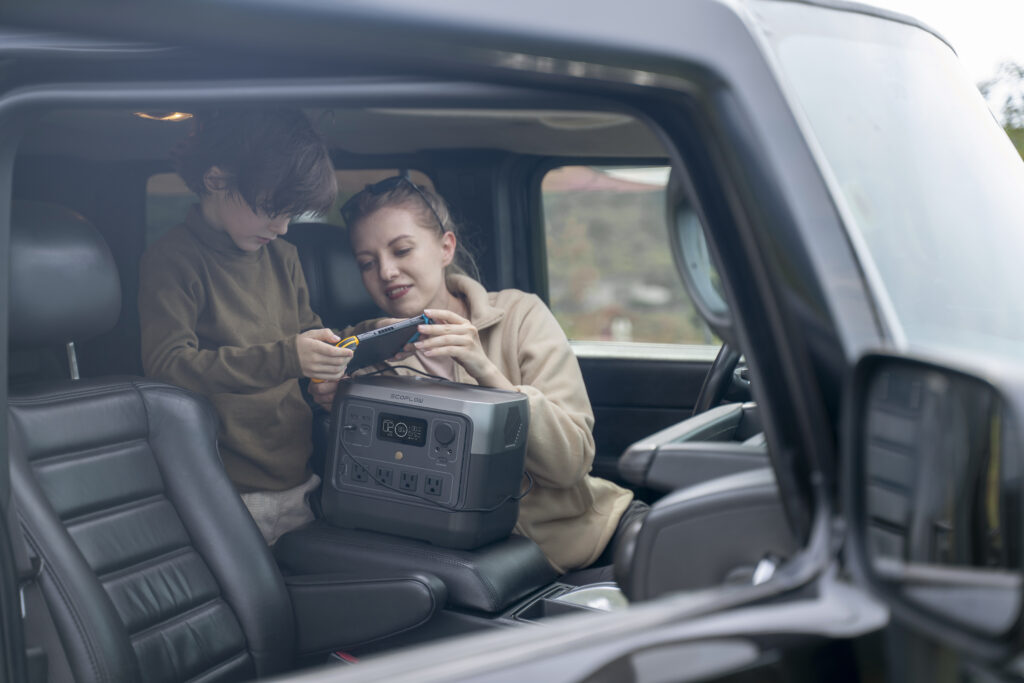
Portable generators offer flexibility and are available in various sizes to match different power needs. Here's a breakdown of common portable generator categories:
1,000-2,000W
Basic essentials: lights, phone charging, small appliances
2,000-3,000W
Moderate use: refrigerator, TV, multiple devices
3,000-4,000W
Full comfort: AC unit, most standard appliances
Built-In RV Generator Sizes
Built-in or onboard generators are permanently installed and typically offer higher power output for larger RVs and motorhomes. Common sizes include:
4,000 Watts: Suitable for smaller Class B and Class C motorhomes with a single AC unit and basic appliances.
5,500-6,500 Watts: Ideal for mid-size RVs with one or two AC units plus standard appliances.
7,000+ Watts: Designed for large Class A motorhomes and fifth wheels with multiple AC units and heavy electrical demands.
What Size Generator Do I Need for My RV?
The ideal generator size depends on your specific RV type and how you use it. Here are general recommendations based on RV categories:
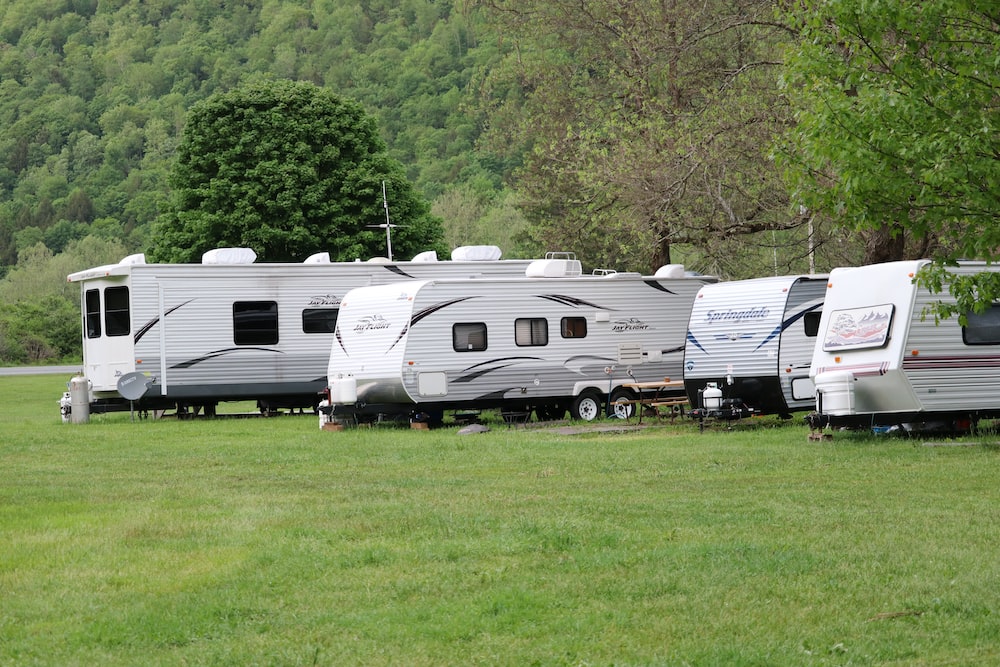
What Generator for Travel Trailers?
Travel trailers typically require 2,000 to 4,000 watts depending on size. A 3,000-watt generator handles most travel trailer needs comfortably, including running a single AC unit.
What Generator for Class A, B, and C Motorhomes?
Class B vans can operate with 2,000-3,000 watts. Class C units typically need 3,500-5,500 watts. Class A motorhomes often require 5,500 watts or more, especially those with residential refrigerators and multiple AC units.
What Generator for Fifth Wheels?
Fifth wheels vary widely but generally require 4,000 to 7,000 watts. Larger luxury fifth wheels with multiple slides and AC units may need even more power.
What Is the Minimum and Maximum Size for an RV?
The minimum practical generator for RV use is around 2,000 watts for basic needs without AC. For full RV functionality including air conditioning, 3,000-4,000 watts is the sweet spot for most recreational vehicles.
Other Things to Look at While Shopping for a Generator
Beyond wattage, several factors influence which generator best suits your camping lifestyle:
Noise Level
Many campgrounds have noise restrictions. Look for generators rated below 60 decibels for quiet operation that won't disturb neighbors.
Fuel Type
Gasoline is most common, but propane and diesel options exist. Some dual-fuel generators offer flexibility between gas and propane.
Runtime
Check how long the generator runs on a full tank at 50% load. Longer runtime means fewer refueling interruptions during your trip.
Weight and Portability
Consider how you'll transport and store the generator. Wheels and handles make moving heavier units easier.
Clean Power Output
Inverter generators produce stable electricity safe for sensitive electronics like laptops, smartphones, and modern TV systems.
Ease of Starting
Electric start with key or push-button is more convenient than pull-start, especially in cold weather or for those with limited strength.
How Much Power Will You Really Need?
Most RV owners find that a generator in the 3,000 to 4,000-watt range meets their needs effectively. This size handles the majority of common scenarios including running a single air conditioner while powering other essential appliances.
Pro Tip
Always choose a generator with 20% more capacity than your calculated needs. This safety margin accounts for unexpected power demands and helps your generator run more efficiently at partial load.
The Best Accessories for RV Generators
Enhance your generator experience with these helpful accessories:
Heavy-Duty Extension Cords: Quality cords designed for outdoor use ensure safe power delivery from generator to RV.
Generator Cover: Protects your investment from weather when stored or during light rain operation.
Parallel Cables: Connect two compatible generators for doubled power output when needed.
Fuel Stabilizer: Keeps gasoline fresh during storage periods, preventing carburetor issues.
Transfer Switch: Allows seamless switching between generator and shore power connections.

Frequently Asked Questions
Can I run my RV air conditioner with a 2000-watt generator?
Most RV air conditioners require 2,800-3,500 starting watts, making a 2,000-watt generator insufficient. You would need at least 3,000 watts to reliably start and run most RV AC units.
How long can I run my RV generator continuously?
Most manufacturers recommend running generators for 8-12 hours at a time, then allowing a cooldown period. Built-in generators connected to your RV fuel tank can run longer with proper maintenance.
Is it better to have a bigger generator than I need?
Having some extra capacity is beneficial, but significantly oversized generators waste fuel and add unnecessary weight. Choose a generator with 15-25% more capacity than your calculated needs.
Do inverter generators work better for RVs?
Inverter generators produce cleaner power and run quieter than conventional generators, making them ideal for RV use. They're especially recommended if you use sensitive electronics or camp in areas with noise restrictions.
Final Thoughts
Selecting the right generator for your RV ensures comfortable travels whether you're boondocking in remote locations or supplementing campground power. By calculating your specific power needs and considering factors like noise level, fuel efficiency, and portability, you can find the perfect generator to match your camping style.
A quality 4,000-watt generator like the Cummins Onan QG 4000 provides reliable power for most RV applications, offering the confidence to enjoy your adventures without worrying about electricity.
Power Your Adventures
Experience reliable, quiet power for your RV with a trusted generator that meets your needs.
Cummins Onan QG 4000 Generator