


 Damage
  Loss
Loss  Theft
Theft 


EMT Conduit vs. Rigid Conduit: A Comprehensive Comparison
1. Introduction
Selecting the appropriate electrical conduit is one of the most critical decisions in any wiring project. The conduit you choose directly impacts the safety, longevity, and code compliance of the entire installation. Two of the most widely used options in the industry are EMT (Electrical Metallic Tubing) and rigid conduit — each offering distinct advantages depending on where and how they are installed.
EMT conduit, recognized for its lightweight profile and ease of handling, is a popular choice for indoor and sheltered commercial applications. Rigid conduit, on the other hand, is a heavy-duty solution designed to withstand the harshest environmental conditions, making it ideal for outdoor, underground, and industrial settings.
Understanding the differences between these two conduit types — from wall thickness and weight to installation methods and protective capabilities — will help you make informed decisions that meet both project requirements and local electrical codes. This guide breaks down every key factor so you can confidently choose the right conduit for the job.
2. Understanding EMT Conduit (Electrical Metallic Tubing)
What Is EMT Conduit?
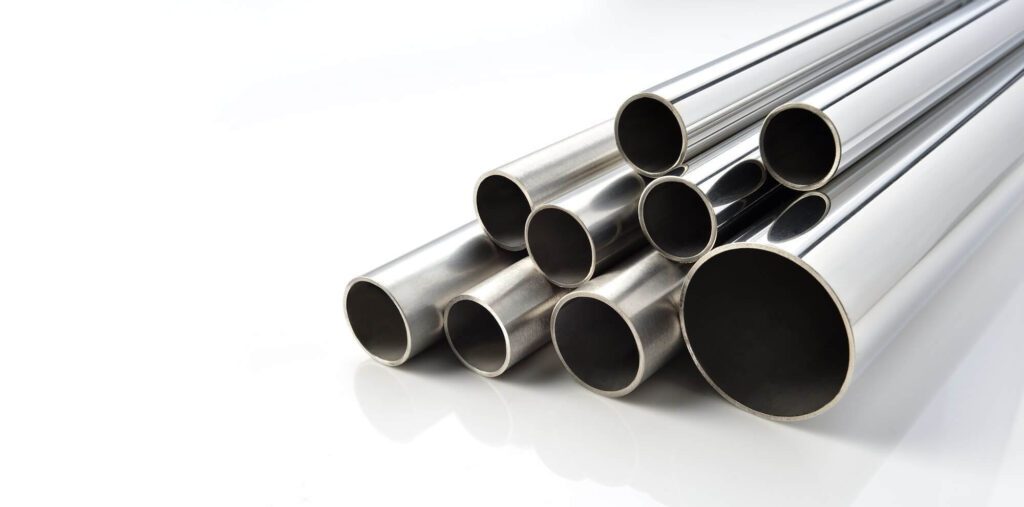
EMT conduit, commonly referred to as "thin-wall" conduit, is an unthreaded metallic raceway used to protect and route electrical wiring. Manufactured from coated steel or aluminum, it features thinner walls compared to its rigid counterpart, which makes it significantly lighter and easier to work with during installation. Despite its thinner profile, EMT provides reliable protection for conductors in a wide range of indoor and sheltered environments.
EMT conduit is available in standard trade sizes ranging from ½ inch to 4 inches, with 10-foot lengths being the most common. It uses compression or set-screw fittings rather than threaded connections, which speeds up the installation process considerably. This makes EMT the go-to conduit for commercial buildings, office spaces, and indoor projects where speed and cost efficiency are priorities.
Key Features and Specifications
EMT conduit stands out for several notable characteristics that make it a preferred choice for many electricians and contractors:
Lightweight Design
Thinner walls reduce overall weight by up to 50% compared to rigid conduit, making handling and overhead installation much simpler.
Easy Bending
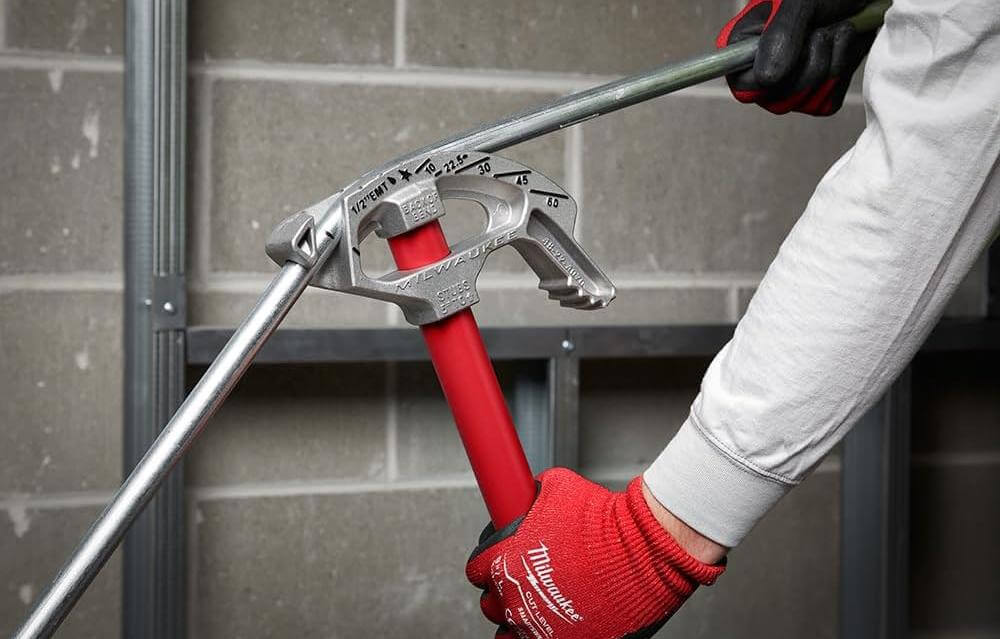
Can be bent with a standard hand bender without heating or specialized equipment, allowing quick adjustments on site.
Cost Effective
Lower material cost combined with reduced labor time makes EMT one of the most budget-friendly conduit options available.
Corrosion Resistant
Galvanized zinc coating provides adequate protection against rust in dry, indoor, and covered environments.
Standard EMT Conduit Sizes
Below are the standard trade sizes and dimensions commonly available for EMT conduit:
| Trade Size | Outside Diameter | Wall Thickness | Weight per 10 ft |
|---|---|---|---|
| ½" | 0.706" | 0.042" | 2.9 lbs |
| ¾" | 0.922" | 0.049" | 4.5 lbs |
| 1" | 1.163" | 0.057" | 6.5 lbs |
| 1¼" | 1.510" | 0.065" | 9.6 lbs |
| 1½" | 1.740" | 0.065" | 11.0 lbs |
| 2" | 2.197" | 0.065" | 14.0 lbs |
Common Applications
EMT conduit is most commonly found in commercial buildings, office environments, retail stores, and indoor residential projects. It is used extensively for exposed wiring runs along walls and ceilings, inside dropped ceiling spaces, and within dry, protected areas where the conduit will not be subjected to severe physical damage or extreme moisture. Its lightweight nature also makes it the preferred choice for overhead installations where minimizing load on support structures is important.
3. Protective Characteristics and Performance of EMT Conduit
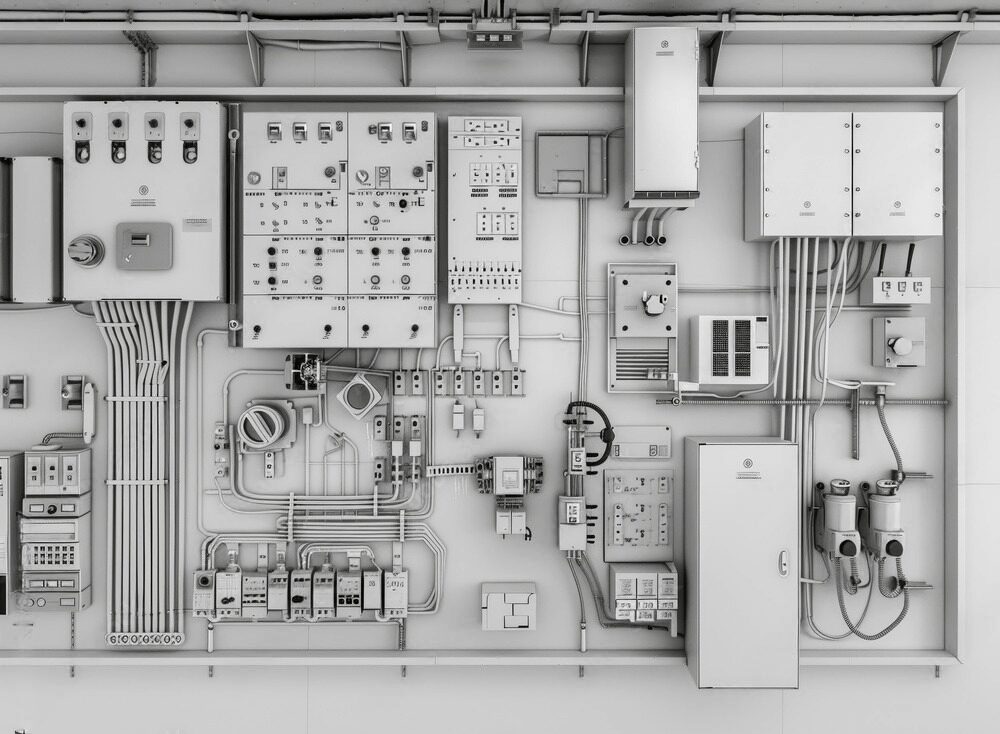
While EMT conduit is thinner than rigid alternatives, it still delivers dependable protection for electrical wiring in appropriate environments. Its galvanized steel construction provides a solid barrier against minor physical impacts, accidental contact, and abrasion. The zinc coating also offers a layer of defense against corrosion in areas with controlled humidity levels.
EMT conduit performs well in environments where it is shielded from direct weather exposure, chemical contact, and heavy mechanical stress. It is approved by the National Electrical Code (NEC) for use in both exposed and concealed locations, provided the installation meets specific conditions. However, it is important to note that EMT is not recommended for direct burial, severely corrosive environments, or areas subject to significant physical abuse without additional protection.
Grounding Capability
One of the practical advantages of EMT conduit is that when properly installed with listed fittings, it can serve as an effective equipment grounding conductor. This eliminates the need for a separate grounding wire in many installations, simplifying the overall wiring process and reducing material costs. The NEC recognizes EMT as a suitable equipment grounding path under Article 250, provided all connections are secure and maintain electrical continuity throughout the raceway system.
Fire Protection
EMT conduit provides a non-combustible pathway for electrical wiring, adding a valuable layer of fire resistance to any installation. In the event of a fire, the steel construction helps contain the wires and reduces the risk of the conduit itself contributing to flame spread. For buildings where fire-rated assemblies are required, EMT conduit is an approved component that helps maintain the integrity of fire-rated walls and ceiling systems.
4. Understanding Rigid Conduit: Types, Features, and Uses
What Is Rigid Conduit?
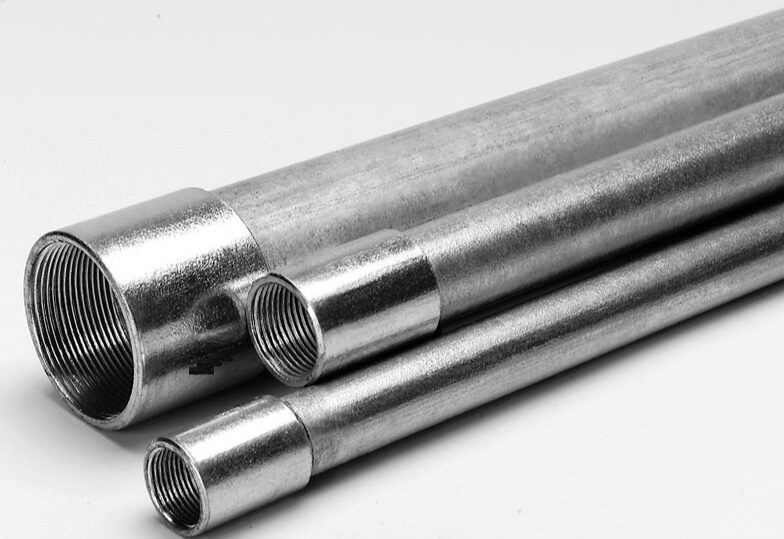
Rigid conduit, often referred to as RMC (Rigid Metal Conduit) or GRC (Galvanized Rigid Conduit), is the heaviest and most robust type of metallic electrical conduit available. It features thick walls, threaded ends, and is manufactured from either galvanized steel, stainless steel, or aluminum. Rigid conduit is designed for applications that demand the highest level of mechanical protection and durability.
Unlike EMT, rigid conduit uses threaded couplings and fittings, which create watertight and structurally secure connections. This threading is a key factor in its superior performance in harsh environments. Rigid conduit is commonly available in trade sizes from ½ inch to 6 inches and is typically sold in 10-foot lengths with pre-threaded ends.
Types of Rigid Conduit
RMC (Rigid Metal Conduit)
The standard galvanized steel option. Features the thickest walls and highest impact resistance. Suitable for exposed outdoor runs, direct burial, and areas subject to physical damage. Provides excellent grounding and is NEC-recognized as an equipment grounding conductor.
IMC (Intermediate Metal Conduit)
A lighter-weight alternative to RMC that still uses threaded connections. IMC has approximately one-third less wall thickness than RMC, making it easier to handle while retaining much of the protective capability. Approved for the same applications as RMC under the NEC.
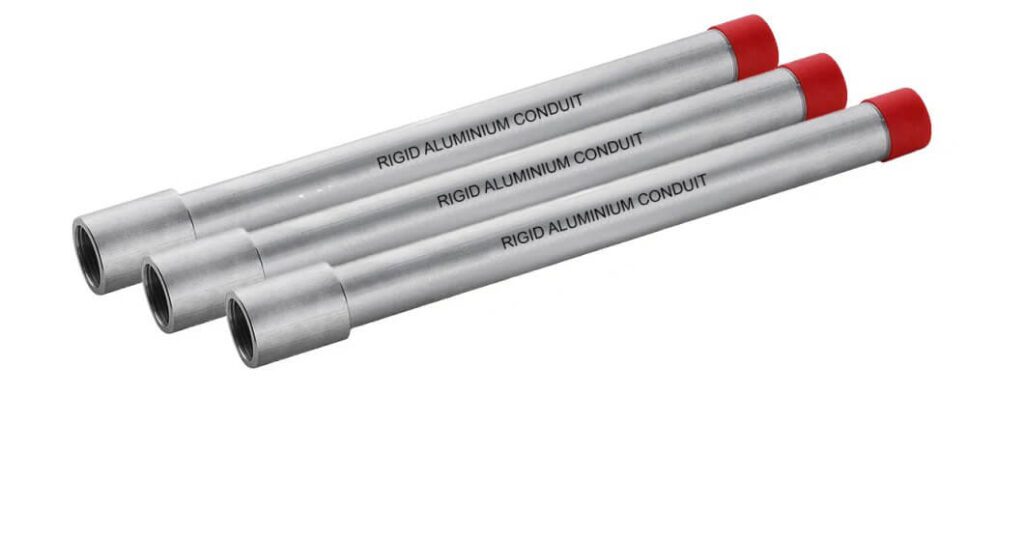
Aluminum Rigid Conduit
Constructed from aluminum alloy, this variant offers the strength of rigid conduit at a fraction of the weight. It is highly resistant to corrosion and is a preferred choice for chemical plants, coastal installations, and environments where steel conduit would deteriorate quickly.
Key Specifications
Rigid conduit is engineered for maximum protection. Its thick walls provide superior resistance to crushing, impact, and penetration. The threaded connections ensure moisture-tight joints that maintain their integrity even in underground and wet locations. Rigid conduit also serves as an excellent equipment grounding conductor and can support fixtures and equipment when properly installed.
Common Applications
Rigid conduit is the preferred choice for outdoor installations, underground runs, industrial facilities, and any location where electrical wiring requires maximum physical protection. It is commonly specified for service entrance applications, outdoor power feeds, parking garages, manufacturing plants, and areas classified as hazardous locations under the NEC. Rigid conduit is also the standard for pole risers, bridge installations, and other exposed applications where the conduit must withstand severe weather, UV exposure, and mechanical abuse.

5. EMT vs. Rigid Conduit: A Practical Comparison
Choosing between EMT and rigid conduit comes down to the specific demands of your project. Below is a side-by-side comparison of the most important factors to help you determine which conduit type is the right fit.
| Feature | EMT Conduit | Rigid Conduit |
|---|---|---|
| Wall Thickness | Thin-wall (0.042"–0.065") | Thick-wall (0.100"–0.150"+) |
| Weight | Lightweight | Heavy |
| Connection Type | Compression / Set-screw | Threaded |
| Bending | Easy with hand bender | Requires power bender or threading machine |
| Cost | Lower material & labor cost | Higher material & labor cost |
| Impact Resistance | Moderate | Superior |
| Moisture Protection | Suitable for dry/damp locations | Suitable for wet locations & direct burial |
| Direct Burial | Not permitted | Permitted |
| Grounding | Serves as grounding conductor | Serves as grounding conductor |
| Best Use Cases | Indoor, commercial, sheltered | Outdoor, industrial, underground |
Installation Considerations
From a labor standpoint, EMT conduit is considerably faster to install. Its lighter weight means fewer support structures, and the use of compression or set-screw fittings eliminates the time-consuming process of cutting threads. A single electrician can often handle EMT runs without assistance, which translates to meaningful savings on labor-intensive projects.
Rigid conduit, while more demanding to install, offers unmatched durability and protection. The threaded connections create joints that can withstand vibration, moisture infiltration, and physical stress far beyond what EMT connections can handle. For critical infrastructure, hazardous environments, and any application where conduit failure is not an option, the additional installation effort for rigid conduit is a worthwhile investment.
Making the Right Choice
The decision between EMT and rigid conduit should be driven by the environmental conditions, code requirements, and budget constraints of each specific project. For indoor commercial and residential work where the conduit will be protected from the elements and severe physical damage, EMT is the practical and economical choice. For outdoor installations, underground runs, industrial plants, and any application requiring maximum mechanical protection, rigid conduit delivers the performance and reliability needed to ensure a safe, long-lasting electrical system.
6. Final Thoughts
Both EMT and rigid conduit have earned their place in the electrical industry for good reason. EMT conduit excels in situations where speed, economy, and ease of installation are top priorities, while rigid conduit is the definitive solution for demanding environments that require superior protection and durability. By understanding the strengths and limitations of each type, you can make confident decisions that meet the safety, performance, and budgetary needs of any project.
No matter which conduit you choose, always follow local electrical codes and manufacturer guidelines to ensure a compliant and safe installation. Proper conduit selection paired with quality workmanship is the foundation of every reliable electrical system.
Featured Product
Organize Your Conduit Runs Like a Pro
Keep your job site efficient and your conduit inventory organized with a heavy-duty stackable conduit rack built for professionals.
This article is for informational purposes only. Always consult local electrical codes and a licensed electrician before beginning any electrical installation. Product availability and specifications may vary.