


 Damage
  Loss
Loss  Theft
Theft 


Why Proper Rack and Stack Setup Is Essential for a Dependable, Scalable Network
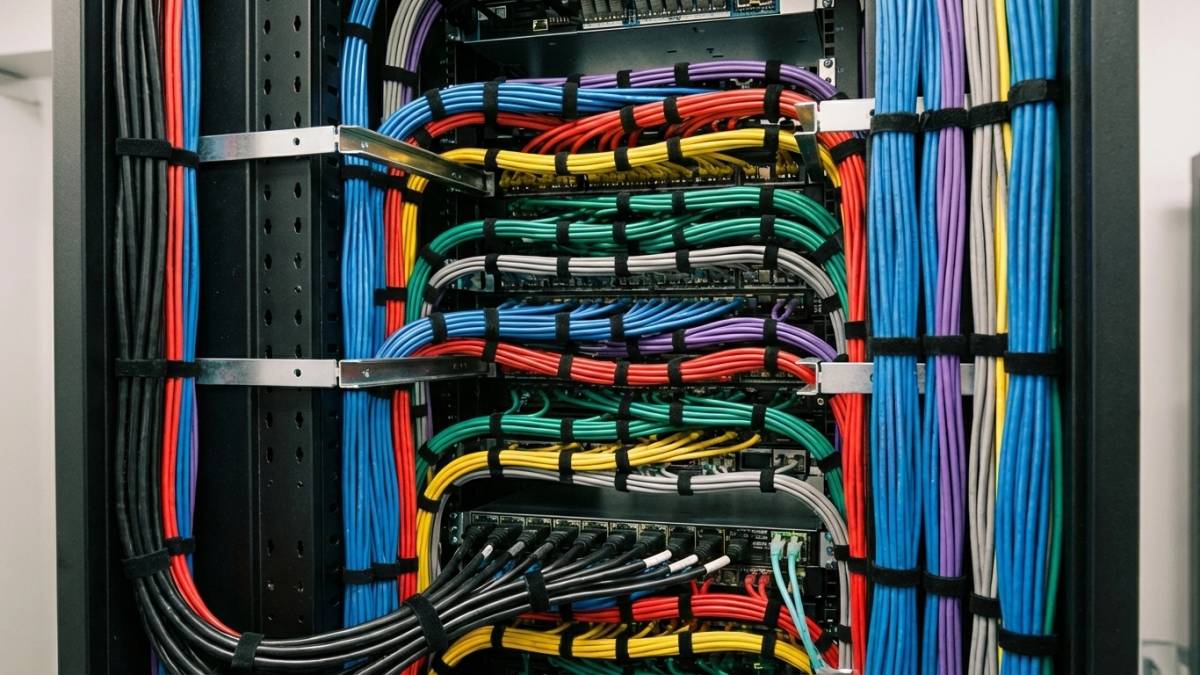
In today's fast-moving digital landscape, a solid and expandable network infrastructure isn't a luxury — it's a necessity for any business that wants to keep pace. One of the most overlooked yet vital components of building such a network is how equipment is physically arranged inside server racks and cabinets. This process, widely known as "Rack and Stack" configuration, determines how efficiently your servers, switches, routers, and storage devices operate together. In this guide, we'll break down why Rack and Stack configuration matters, highlight some compelling data points, and walk through the best practices every network builder should follow.
The Fundamentals of Rack and Stack Configuration
At its core, Rack and Stack configuration is about methodically mounting and positioning network hardware — think servers, switches, routers, and storage units — inside standardized racks or enclosed cabinets. These racks do more than just hold gear; they create an organized, secure, and accessible framework for your entire network ecosystem. Here's what that structure delivers:
Racks and cabinets are engineered to make every square foot count in a data center or server room. By allowing vertical stacking of hardware, they drastically cut down the physical footprint needed, freeing up valuable floor space for other operational needs.
A well-executed Rack and Stack setup keeps cables orderly and intentional. Clean routing minimizes congestion, improves airflow around equipment, and makes it far easier to trace and resolve issues when something goes wrong.
A thoughtfully arranged rack promotes healthy airflow, which is essential in preventing equipment from overheating. Better cooling means your systems run more reliably, and you're far less likely to face costly heat-related outages.
When your equipment lives in a properly configured rack, every component is easy to reach. That accessibility translates directly to faster repairs, shorter maintenance windows, and significantly less downtime overall.
The Numbers That Prove Why Rack and Stack Matters

Best Practices for Setting Up Your Rack and Stack Configuration
If you want a network infrastructure that stays reliable as it grows, these best practices should guide every Rack and Stack deployment:
Before mounting a single piece of hardware, map out the entire layout. Account for your current capacity requirements and plan generous room for future expansion so you won't need to rework the setup down the road.
Stick to industry-standard rack sizes and equipment whenever possible. Standardization makes procurement simpler, replacements faster, and ensures compatibility across your entire infrastructure.
Clear, consistent labeling of all equipment and cabling is non-negotiable. It simplifies troubleshooting enormously and turns routine maintenance from a guessing game into a straightforward process.
Cable trays, ties, Velcro straps, and similar accessories are essential, not optional. They keep your cable runs tidy, prevent tangling, and ensure clean airflow paths throughout the rack.
Position your equipment with airflow top of mind. Maintain proper hot and cold aisle configurations so that cooling systems can work at peak efficiency, extending the life of your hardware.
Physical security matters just as much as digital. Use locking cabinets and access controls to prevent unauthorized individuals from tampering with sensitive networking equipment.
Maintain detailed, up-to-date records of your Rack and Stack configuration, including hardware inventory, cable layouts, and any modifications. Good documentation saves hours during troubleshooting and upgrades.
Wrapping It Up
In an era where network reliability and scalability can make or break a business, Rack and Stack configuration stands as a foundational pillar of IT success. The data is clear: well-organized equipment reduces downtime, slashes energy bills, and eliminates unnecessary operational expenses. By committing to best practices and investing in properly planned Rack and Stack deployments, your business builds a network foundation that's ready to support today's demands and tomorrow's growth.
At BACKYARD PROVIDER, we're dedicated to supplying the equipment and tools that empower you to build robust, professional-grade setups. Whether you're outfitting a new project or upgrading an existing configuration, we carry the products that get the job done right. Explore our catalog today and take the first step toward a more reliable network.