


 Damage
  Loss
Loss  Theft
Theft 


Everything You Need to Know About Outdoor Electrical Conduits
In This Guide
1. Introduction • 2. Key Functions of Outdoor Conduits • 3. How Outdoor Conduits Are Classified • 4. Types of Outdoor Electrical Conduits • 5. Selecting the Ideal Outdoor Conduit
Introduction
Outdoor electrical conduit systems serve an essential purpose: safeguarding electrical wiring in environments where it faces direct exposure to the elements. Designed to shield cables from rain, snow, wind, intense heat, and freezing cold, these systems ensure the long-term safety, durability, and dependability of any outdoor electrical installation.
This guide has been created to give you a thorough and practical overview of outdoor electrical conduit systems. You will learn why they matter, how to identify the right type for your project, and the proper way to install and care for them over time. Whether you are an electrician, a contractor, a homeowner, or simply someone working on an outdoor electrical project, this resource is designed to help you make well-informed decisions every step of the way.
Key Functions of Outdoor Electrical Conduits
Outdoor electrical conduits are protective tubes or channels engineered to encase and defend electrical wires and cables from environmental threats. Constructed from materials like plastic (PVC), metal (steel), or specialized composites, they are purpose-built to guard electrical wiring against weather damage, physical impact, and chemical exposure.

When electrical wiring is left unprotected outdoors, it rapidly deteriorates due to rain, UV exposure, temperature swings, and physical contact. This leads to safety hazards, system failures, and expensive downtime. Outdoor conduits serve as a critical line of defense, keeping electrical infrastructure functional, safe, and fully compliant with applicable safety codes and regulations.
Physical Damage Protection
One of the primary roles of outdoor conduits is shielding cables and wires from physical harm. Whether mounted above ground or buried below the surface, the conduit acts as a barrier against falling debris, construction activity, pressure, and even interference from animals. In high-traffic locations, this protection is especially vital to prevent accidental cuts or punctures that could expose live wiring.
Weather & Environmental Resistance
Unlike interior wiring, outdoor cables face direct sunlight, rain, snow, freezing temperatures, and humidity. These elements cause insulation breakdown, wire corrosion, and short circuits. Outdoor conduits are engineered to resist all of these challenges. PVC versions incorporate UV stabilizers, while metal options provide an extra layer of defense against extreme temperature and moisture.
Electrical Hazard Prevention
Conduits play a critical role in preventing accidental contact with live electrical wires by keeping them sealed inside a protective enclosure. This matters greatly in outdoor settings where people, animals, or conductive materials may come into close proximity. Even if the conduit itself sustains damage, the cables remain insulated, lowering the risk of shocks or fires. Many systems also incorporate grounding to safely redirect fault currents.
Regulatory Compliance
Installing conduits for outdoor electrical wiring is not optional in most jurisdictions. Safety standards like the National Electrical Code (NEC) in the United States, and equivalent codes elsewhere, require proper conduit usage to minimize risks of fire, electrocution, and environmental damage. Using outdoor conduits helps ensure compliance, protecting both the installation crew and the end-users.
Organizational Benefits
Outdoor conduits neatly bundle multiple cables together, which is especially valuable in environments with complex electrical systems spanning lighting, security, irrigation, and more. A well-organized conduit setup simplifies maintenance, prevents tangled wiring, and makes future repairs or upgrades far more manageable.
Aesthetic Considerations
In both residential and commercial settings, outdoor conduits can improve the visual appeal of an installation. Rather than having exposed wires running along walls, fences, or ceilings, conduits hide them neatly from view, producing a cleaner and more professional appearance. This is particularly important in spaces like gardens, patios, and rooftops where form and function must coexist.
How Outdoor Electrical Conduits Are Classified
Outdoor electrical conduits are grouped according to their intended environmental conditions and usage scenarios. Understanding these classifications helps you narrow down the best option for any given project.
3.1 — Above-Ground Outdoor Use
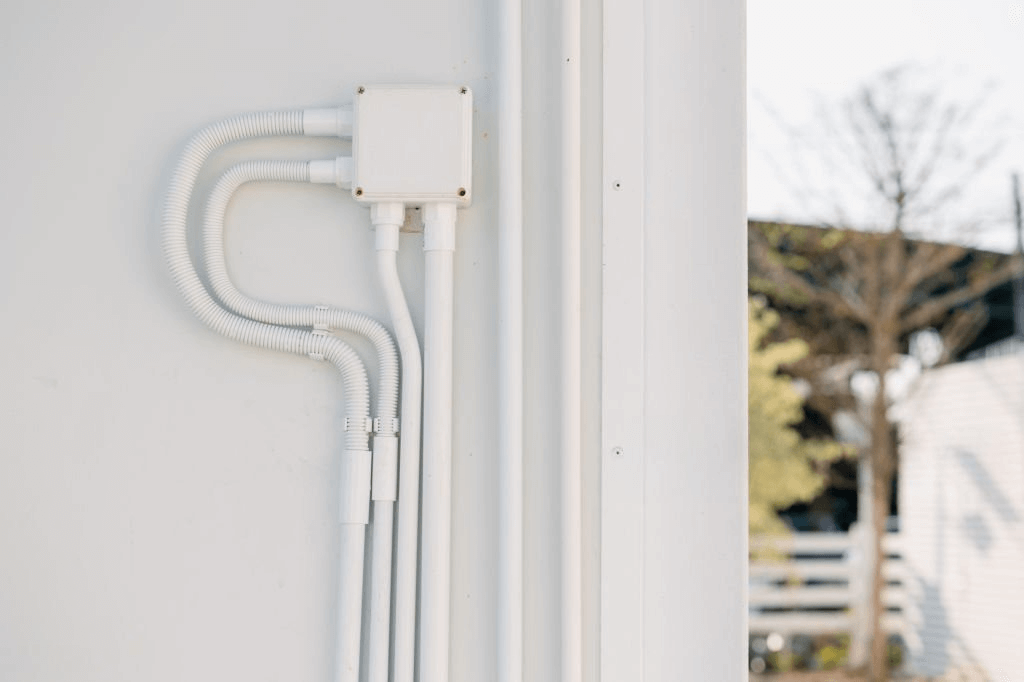
Conduits installed above ground are fully exposed to the elements and must tolerate UV radiation, high temperatures, and fluctuating weather patterns. They require UV protection to prevent sun-related degradation, along with the capacity to handle moisture from rain and humidity without compromising structural integrity.
3.2 — Underground Outdoor Use
Conduits buried underground may be placed directly in the soil or enclosed in concrete for added protection. Direct-burial conduits generally need to be set at a minimum depth of 18 inches. Metal conduits often benefit from concrete encapsulation to guard against soil pressure, moisture penetration, and mechanical damage. Specific depth requirements vary based on the conduit material and the local code requirements.
3.3 — High UV Exposure Areas
Conduits placed in locations with intense UV exposure, such as rooftops and coastal zones, must resist the damaging effects of sunlight that can cause cracking, brittleness, and long-term material degradation. UV-resistant coatings or special material additives are essential for durability in these environments.
3.4 — High-Temperature Environments
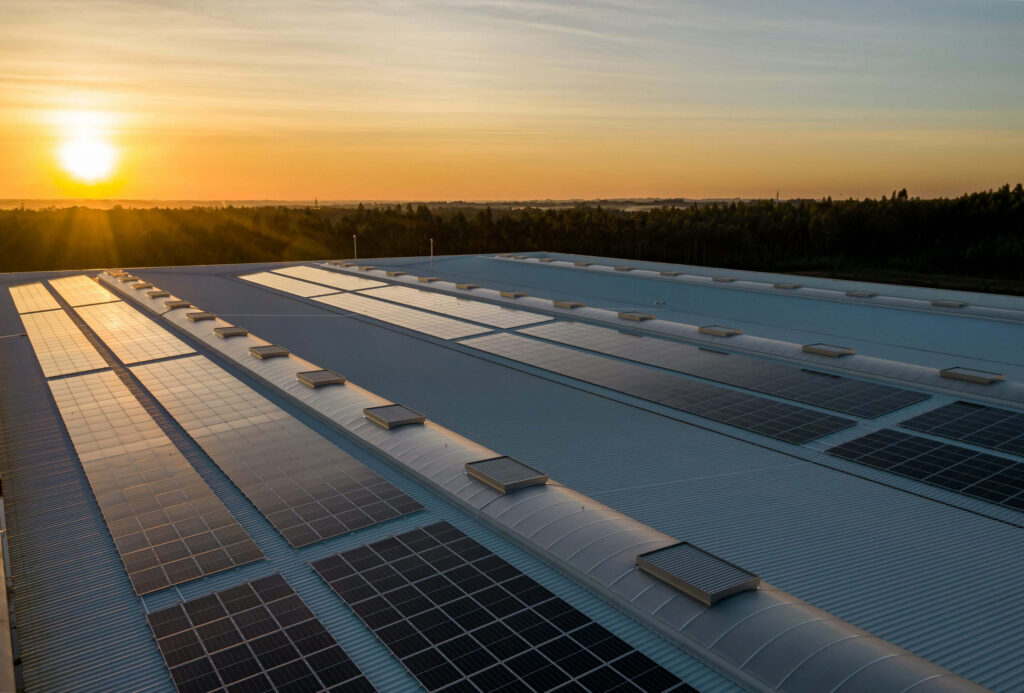
Conduits used near extreme heat sources like desert regions or industrial facilities must handle elevated temperatures without warping or breaking down. The conduit material should carry a high-temperature rating that confirms its ability to maintain structural integrity under sustained heat.
Humidity
3.5 — Humid or Wet Environments
In locations with heavy rainfall, high humidity, or constant water exposure such as coastal areas and basements, the conduit material must provide effective waterproofing and resist moisture penetration. Waterproof, rust-resistant, and corrosion-proof materials are essential for ensuring conduits do not degrade in these demanding conditions.
3.6 — Corrosion and Rust Resistance
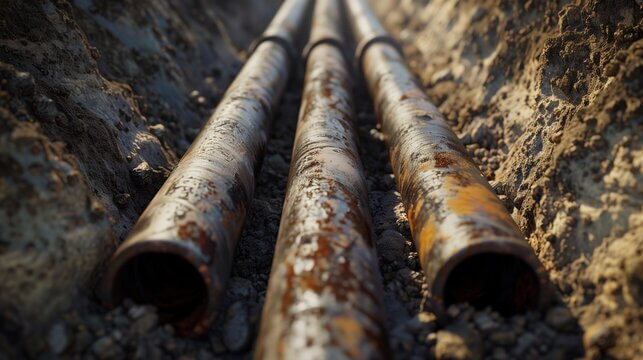
Conduits exposed to corrosive agents like salty air, industrial chemicals, or airborne pollutants need specialized protection against rust and corrosion. In these scenarios, conduits manufactured from corrosion-resistant materials such as galvanized steel, stainless steel, or specially treated PVC are the right choice.
Types of Outdoor Electrical Conduits
Choosing the right electrical conduit material is central to ensuring the safety, longevity, and overall efficiency of an outdoor electrical system. Each material responds differently to moisture, UV radiation, temperature fluctuations, and physical impact. Below, we explore the major conduit types, weighing their strengths and limitations to help you identify the best fit for your project.
4.1 — PVC Electrical Conduit
4.1.1 Rigid PVC Conduit
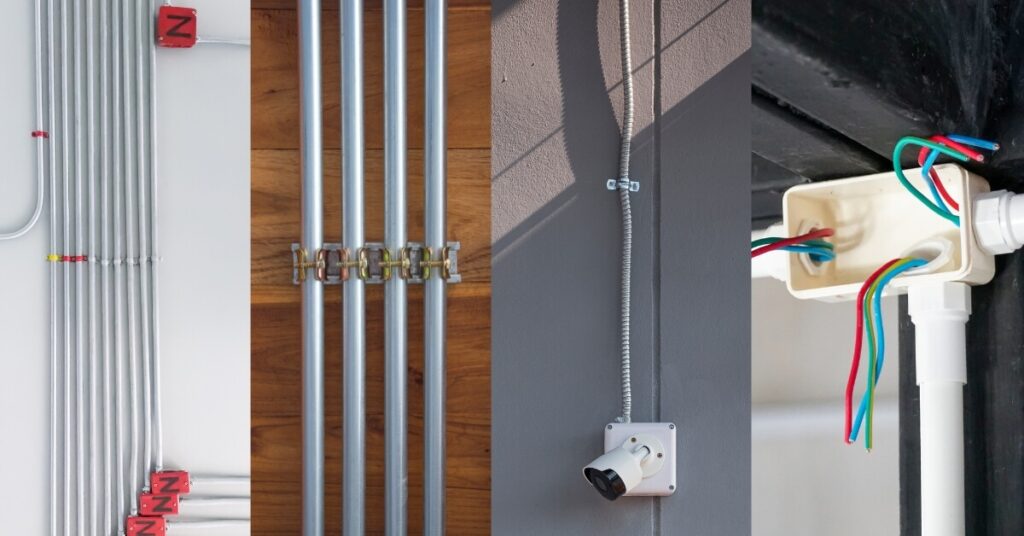
Rigid PVC conduit is among the most widely used types of electrical conduit, prized for its excellent durability, affordability, and ease of installation. It delivers solid protection for outdoor electrical wiring across a wide range of environments.
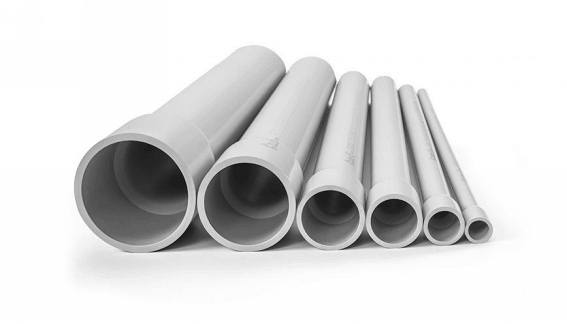
Durability & Strength: Highly resistant to physical damage and impacts, making it excellent for protecting exposed cables.
Corrosion Resistance: Unlike metal, PVC will not rust or corrode, making it well-suited for coastal and wet environments.
Cost-Effective & Easy to Install: Affordable relative to metal conduits, and its lightweight nature simplifies both transport and installation, even for DIY projects.
UV Resistance: While PVC can be susceptible to UV degradation naturally, today’s formulations incorporate UV stabilizers to extend outdoor durability.
Ideal Applications: Residential and light commercial installations that need a balance of strength, cost, and ease of installation. Great for outdoor areas requiring physical cable protection without extreme UV or moisture exposure.
Standout Feature: Its cost-efficiency makes it the go-to option for general outdoor wiring that is easy to handle and install.
4.1.2 Flexible PVC Conduit
Flexible PVC conduit is built for installations demanding adaptability and effortless routing. Its pliable nature allows it to curve around obstacles and fit into confined spaces, providing unique advantages over rigid alternatives.
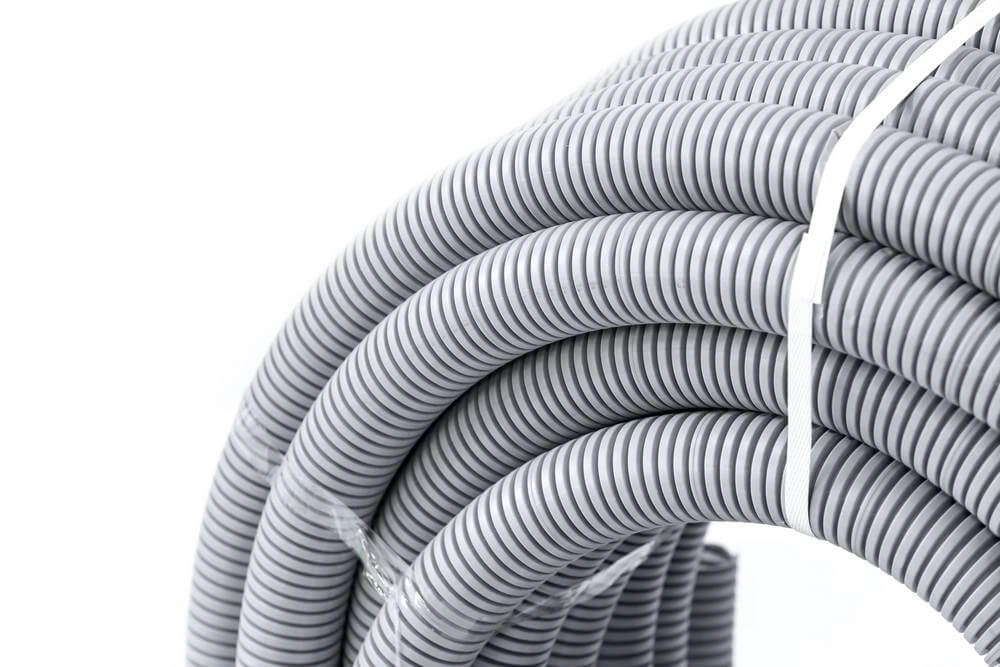
Flexibility & Adaptability: Bends around corners and obstacles without requiring special fittings, perfect for tight turns and complex routing.
Moisture & UV Resistance: UV-resistant formulations enable it to withstand direct sun exposure and outdoor weather conditions.
Lightweight & Easy to Install: Like rigid PVC, it is lightweight and quick to set up across various outdoor applications.
Constrained Space Protection: Its pliability makes it an ideal choice where rigid conduit would be impractical to install.
Ideal Applications: Residential and industrial setups where adaptability and quick installation matter. Particularly useful in garden lighting, HVAC systems, and temporary outdoor configurations.
Standout Feature: Its outstanding flexibility makes it the top choice for installations that must navigate around corners or be adjusted frequently.
4.2 — Metal Conduits
Metal conduits deliver the most robust protection for electrical systems and are ideal for installations that must endure physical stress, high temperatures, or corrosive environments.
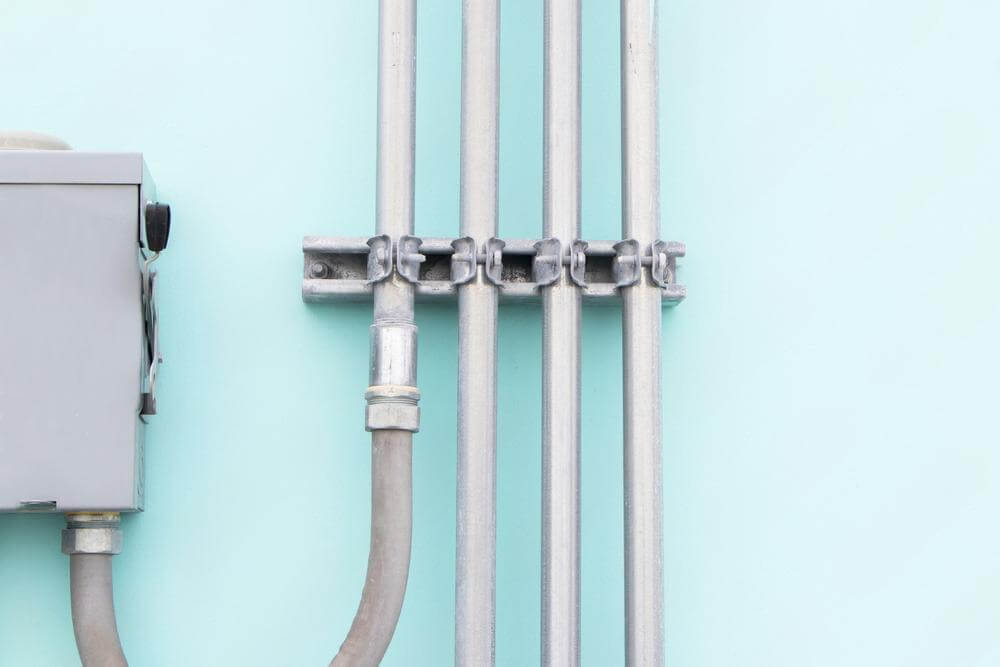
4.2.1 Electrical Metallic Tubing (EMT)
Lightweight & Thin-Walled: EMT is thinner and lighter than other metal conduits, making handling and installation straightforward.
Cost-Effective: A budget-friendly alternative compared to heavier metal conduits like RMC or IMC.
Corrosion Resistance: Though less resistant than other metal types, EMT can be galvanized for added protection against rust.
Ideal Applications: Dry locations and indoor-to-outdoor transitions, residential and light commercial settings where cost and installation speed are priorities.
Standout Feature: Best for light-duty outdoor applications where some physical strength is needed but the environment is not extreme.
4.2.2 Intermediate Metal Conduit (IMC)
Stronger Than EMT: IMC is thicker and more robust, providing enhanced cable protection.
Corrosion Resistance: Galvanized IMC offers strong defense against rust, making it suitable for coastal and industrial use.
Versatile for Outdoor Use: Works well in both indoor and outdoor applications, delivering reliable mechanical protection.
Ideal Applications: Industrial, commercial, and residential projects requiring greater strength and corrosion resistance, especially in exposed outdoor installations or chemically aggressive areas.
Standout Feature: Its combination of strength and corrosion resistance makes it ideal for harsh outdoor environments demanding higher protection levels.
4.2.3 Rigid Metal Conduit (RMC)
Heavy Duty & Thick-Walled: RMC is the most robust metal conduit, providing superior wiring protection in extreme conditions.
Fire-Resistant: Highly resistant to fire, ideal for high-risk industrial areas.
Corrosion Resistance: Galvanized RMC resists rust and corrosion, ensuring longevity in coastal regions and high-humidity environments.
Ideal Applications: High-risk industrial and commercial environments, as well as outdoor areas requiring maximum protection from physical damage, severe weather, and fire hazards.
Standout Feature: RMC is the strongest and most durable metal conduit, delivering the highest level of protection against both mechanical damage and environmental stresses.
4.3 — Liquidtight Conduit
Waterproof Protection: Specifically designed to block water and moisture, making it ideal for wet environments.
Flexibility: Combines pliability with excellent water resistance for use in moisture-prone or flood-risk areas.
Corrosion Resistance: Resists oils, chemicals, and moisture, extending its lifespan in harsh industrial or outdoor settings.
Ideal Applications: Wet or damp environments, including coastal regions, industrial sites, and areas subject to frequent water exposure.
Standout Feature: Its waterproofing capabilities make it the definitive choice for installations in moisture-heavy areas.
4.4 — Fiberglass Conduit (RTRC)
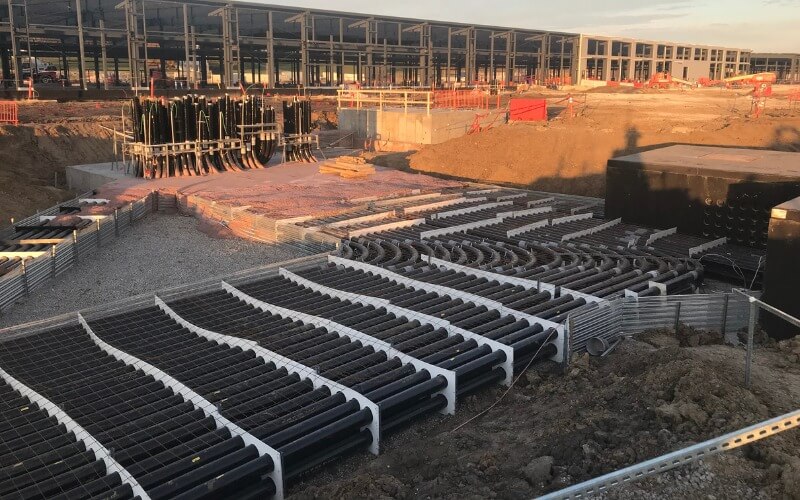
Fiberglass conduit, also called Reinforced Thermosetting Resin Conduit (RTRC), is a lightweight yet highly durable option built to withstand extreme environmental and industrial conditions. It is valued for its strength, corrosion resistance, and versatility in specialized applications.
Chemical Resistance: Excels in environments with harsh chemicals, solvents, oils, and corrosive gases, making it a staple in industrial and petrochemical facilities.
Weatherproofing: High resistance to UV radiation and moisture makes it suitable for prolonged outdoor exposure, even under harsh sunlight or heavy rain.
Thermal Stability: Performs reliably across wide temperature ranges, maintaining integrity in both extreme heat and cold.
Electrical Properties: As a non-conductive material, fiberglass provides excellent insulation, removing any risk of electrical conductivity or interference.
Durable & Lightweight: Despite its strength, fiberglass conduit is significantly lighter than metal alternatives, reducing transportation and installation effort.
Installation Notes: Easy to handle and can be joined with adhesive or mechanical fittings. Standard cutting tools work on fiberglass, and its lightweight design simplifies overhead or remote installations. Joint sealing is critical for maintaining watertight integrity underground or in wet areas.
Ideal Applications: Petrochemical plants, industrial facilities with corrosive agents, outdoor installations with intense UV exposure, underground coastal electrical systems, and renewable energy projects like wind and solar farms.
Standout Feature: Its exceptional resistance to both chemical and environmental factors makes fiberglass the go-to choice for demanding industrial and outdoor applications requiring long-term reliability.
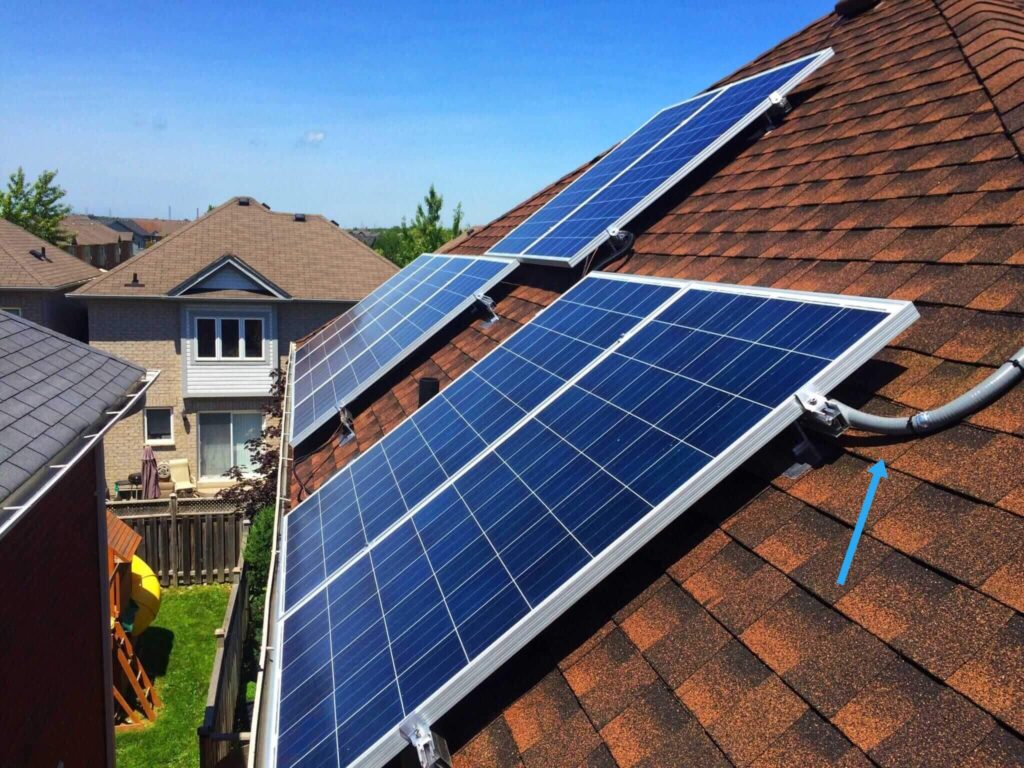
4.5 — Photovoltaic (Solar) Conduit
UV & Heat Resistance: Engineered to tolerate intense UV exposure and temperature swings common in solar panel installations.
Outdoor Durability: Built to endure thermal expansion and contraction caused by constant sunlight, ensuring lasting protection for solar wiring components.
Weatherproofing: Resists weather extremes including UV rays and high temperatures, providing continuous protection across all climates.
Ideal Applications: Designed specifically for solar energy installations, offering robust wiring protection in solar power setups exposed to harsh outdoor conditions.
Standout Feature: Purpose-built for solar power systems, delivering UV and temperature-extreme protection that makes it essential for outdoor solar installations.
Selecting the Ideal Outdoor Conduit
5.1 Factors to Consider
01
Extreme Weather Conditions
02
Corrosive Environments
03
Pest Resistance
04
Abrasion & Vibration
5.1.1 Environmental Considerations
Extreme Weather Conditions: Outdoor conduits must handle temperature extremes ranging from sub-zero cold to scorching heat, along with rain, snow, and wind. Choose conduit materials rated for the specific climate of your installation area.
Corrosive Environments: Saltwater areas, industrial zones, and regions with chemical exposure all accelerate conduit deterioration. Galvanized steel, stainless steel, or specially treated PVC are recommended for these conditions.
Pest Resistance: In areas with rodent or insect activity, metal conduits provide the best barrier against chewing and nesting that can damage wiring.
Abrasion & Vibration: Installations near heavy machinery or in high-traffic areas must use conduits that resist wear from vibration and physical contact over time.
Organize Your Conduit System with Professional-Grade Equipment
Current Tools 505 Conduit RackBackyard Provider — Your Outdoor Living Partner