


 Damage
  Loss
Loss  Theft
Theft 


Two Way Intercom Systems: A Comprehensive Guide
Table of Contents
- 1. Understanding Two Way Intercom Systems
- 2. Types of Intercom Systems
- 3. The Importance of Two Way Intercom Systems
- 4. Features to Consider When Choosing a System
- 5. How to Install a Two Way Intercom System
- 6. Maintaining Your Two Way Intercom System
- 7. The Future of Two Way Intercom Systems
- 8. Frequently Asked Questions
Understanding Two Way Intercom Systems
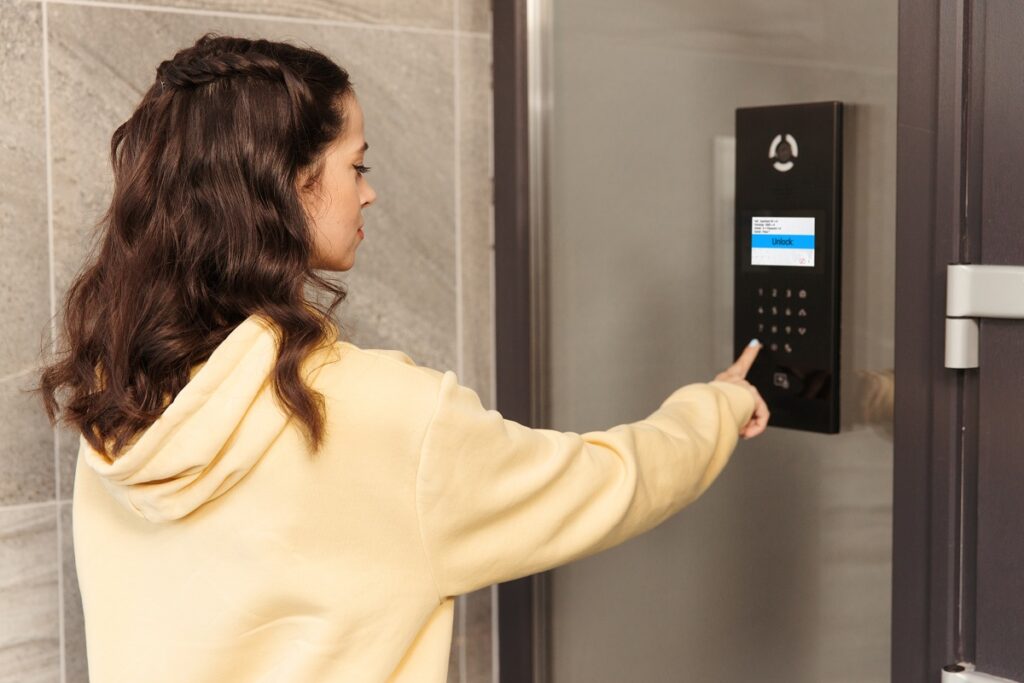
What Is a Two Way Intercom Exactly?
A two way intercom system is a communication device that enables real-time, bidirectional audio (and sometimes video) exchange between two or more locations. Unlike traditional one-way systems that only broadcast sound in a single direction, two way intercoms allow both parties to speak and listen simultaneously or in an alternating fashion. These devices have become essential components of modern security and communication setups for residential properties, commercial buildings, and industrial facilities alike.
The Technology Behind Two Way Intercom Systems
Modern two way intercom systems operate using several different communication technologies. Understanding these can help you select the right solution for your specific requirements.
Wired Intercom Systems
Wired intercoms rely on physical cabling to transmit audio and video signals between units. These systems are prized for their dependable connections and consistent signal quality. Since they do not rely on wireless frequencies, they are virtually immune to interference from neighboring electronic devices. Wired systems are particularly well-suited for permanent installations in homes and offices where long-term reliability is a top priority.
2-Wire Intercom Systems
Two-wire intercom systems represent an efficient wiring approach that uses just a pair of conductors to carry both power and communication signals. This simplified wiring scheme makes installation considerably easier and reduces material costs without sacrificing performance. They are an excellent middle-ground option for residential and small commercial projects that want wired dependability with less complexity.
IP Intercom Systems
IP-based intercoms leverage your existing network infrastructure to transmit audio and video data as digital packets. These systems offer remarkable flexibility, allowing users to communicate from virtually anywhere with an internet connection. They integrate smoothly with other smart home devices, security cameras, and access control platforms, making them an ideal choice for tech-forward homeowners and businesses that value connectivity and scalability.


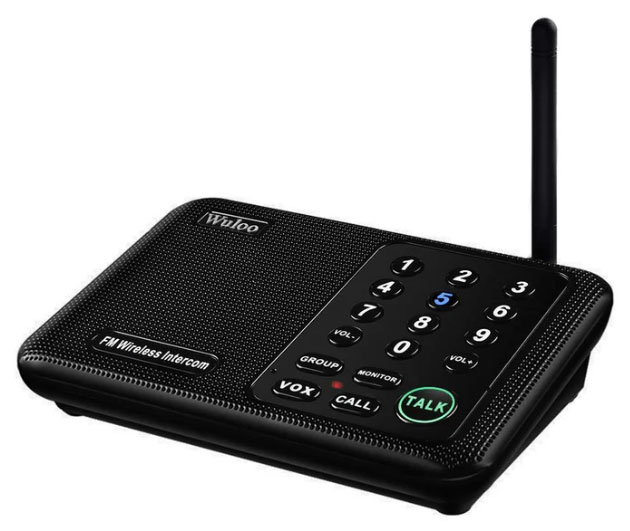
Wireless Intercom Systems
Wireless intercoms communicate through radio frequencies or Wi-Fi connections, eliminating the need for dedicated wiring. This makes them incredibly versatile and straightforward to install—often requiring nothing more than mounting the units and powering them on. They are a popular choice for renters, retrofit projects, and properties where running new cables would be impractical or cost-prohibitive.
WiFi Intercoms
WiFi-enabled intercoms connect directly to your home or business wireless network. They typically come with companion smartphone applications that let you answer the door, view live video feeds, and communicate with visitors from anywhere in the world. Many WiFi intercoms also support cloud storage for recorded footage, push notifications, and integration with voice assistants like Alexa and Google Home.
Types of Intercom Systems

Audio-Only Intercoms
Audio-only intercom systems provide clear, reliable voice communication without the added complexity of video. These are the most budget-friendly option and work exceptionally well for internal communication within homes, offices, and warehouses. If your primary goal is straightforward room-to-room or gate-to-house communication, an audio-only model delivers everything you need at a fraction of the cost.
Video Intercoms
Video intercom systems combine audio communication with a live camera feed, giving you the ability to see exactly who is at your door or gate before responding. High-definition cameras, night vision capabilities, and wide-angle lenses have become standard features in modern video intercoms. These systems dramatically enhance security by allowing visual verification of visitors, delivery personnel, and unexpected guests without ever opening your door.
| Feature | Audio Only | Video | Smart/WiFi |
|---|---|---|---|
| Two-Way Audio | ✓ | ✓ | ✓ |
| Live Video Feed | ✗ | ✓ | ✓ |
| Remote Access | ✗ | Some | ✓ |
| Smart Home Integration | ✗ | Some | ✓ |
| Installation Difficulty | Easy | Moderate | Easy |
| Price Range | $ | $$ | $$–$$$ |
Multi-Tenant & Commercial Intercoms
Designed for apartment buildings, office complexes, and gated communities, multi-tenant intercoms can manage dozens or even hundreds of individual units from a single entry panel. These systems often feature directory listings, access codes, and remote door release capabilities. Modern versions include touchscreen panels with video calling functionality, making them both practical and visually impressive for building entrances.
The Importance of Two Way Intercom Systems
Enhanced Security
Two way intercom systems serve as a critical first line of defense for any property. They allow you to screen visitors before granting entry, effectively creating a buffer zone between you and the outside world. Video-equipped models take this a step further by providing visual confirmation of anyone requesting access to your property.
Improved Communication Efficiency
Whether you are managing a large household or running a bustling office, two way intercoms streamline internal communication. Instead of walking across the building or shouting through hallways, occupants can instantly connect with any room or station. This saves time, reduces disruptions, and ensures messages are delivered clearly and immediately.
Convenience
Modern intercom systems offer unmatched convenience, especially those with smartphone integration. Imagine being able to see who is at your front gate while you are relaxing in your backyard, or answering your door from the office when a delivery arrives. Smart intercoms put complete access control at your fingertips, no matter where you happen to be.
Emergency Situations
In emergency scenarios, quick and reliable communication can make all the difference. Two way intercom systems enable instant contact between different areas of a property, allowing for rapid coordination during fires, medical emergencies, or security threats. Many commercial systems include dedicated emergency channels and panic buttons for exactly these critical moments.
Features to Consider When Choosing a Two Way Intercom System

Audio and Video Quality
Crystal-clear audio quality is non-negotiable for any intercom system. Look for models that feature noise cancellation technology and full-duplex audio, which allows both parties to speak simultaneously without cutting each other off. For video intercoms, prioritize at least 720p HD resolution, and consider models with 1080p or higher for the sharpest possible image. Night vision capability is another must-have if your intercom will be used in low-light conditions.
Range
The effective range of your intercom system should match the size of your property. Wireless systems typically offer ranges from a few hundred feet to over a mile, depending on the model and environmental conditions. Walls, floors, and other physical obstacles can significantly reduce effective range, so always factor in your property's layout when evaluating coverage specifications.
Number of Stations
Consider how many intercom stations you will need both now and in the future. Some systems are limited to a fixed pair of units, while others can expand to accommodate numerous stations across a property. If you anticipate growth or changes, select a system that offers easy scalability so you are not forced to replace the entire setup down the road.
Installation and Ease of Use
Evaluate how complicated the installation process will be. Wireless and WiFi intercoms are generally plug-and-play, while wired and IP systems may require professional installation. Beyond setup, the day-to-day user interface matters just as much. An intercom with a confusing interface will frustrate users and may lead to features going unused. Look for intuitive controls, clear displays, and responsive touchscreens.
Power Source and Weather Resistance
Outdoor intercom stations must be built to withstand the elements. Look for IP65 or higher weather resistance ratings that protect against rain, dust, and extreme temperatures. For the power source, wired systems draw electricity from your home's electrical system, while wireless models rely on batteries or rechargeable cells. Consider how accessible power outlets are at your desired installation points.
Smart Home Compatibility
If you already have a smart home ecosystem, make sure your intercom system can integrate seamlessly. Many modern intercoms work with platforms such as Amazon Alexa, Google Home, Apple HomeKit, and various home automation controllers. This integration allows you to incorporate your intercom into automated routines, such as unlocking the door when a recognized visitor is identified.
How to Install a Two Way Intercom System

Installing a two way intercom system can range from a simple DIY afternoon project to a full professional installation, depending on the type you choose. Below is a general step-by-step guide to help you through the process.
Choose the Right Location
Identify the optimal mounting positions for each intercom station. Entry points like front doors, back gates, and garage entrances are the most common outdoor locations. Indoor stations should be placed in high-traffic areas such as kitchens, living rooms, and home offices for maximum convenience and accessibility.
Prepare the Necessary Tools and Materials
Gather all required tools before starting. For wireless systems, you will typically need a drill, screws, wall anchors, and a level. Wired installations additionally require cable runs, wire strippers, and potentially conduit for protecting cables. Always consult the manufacturer's installation guide for the complete list of required materials.
Install the Units
Mount the outdoor station first, typically at a height of approximately 48 to 60 inches from the ground for comfortable use. Ensure the unit is level and securely fastened. For wired systems, route cables through walls or conduit before securing the indoor station. WiFi and wireless units simply need to be mounted and powered on.
Connect the Cables
For wired systems, carefully connect the cabling according to the manufacturer's wiring diagram. Match the correct terminals and ensure all connections are tight and properly insulated. IP intercom systems will need to be connected to your network via Ethernet cable or PoE (Power over Ethernet) switch, which conveniently supplies both data and power through a single cable.
Test the System
Once everything is physically installed, power on the system and run a thorough test. Check audio clarity from every station, verify video quality if applicable, and confirm that door release or gate control functions work properly. Test the system at different times of day to ensure consistent performance, and make any necessary adjustments to camera angles, volume levels, or network settings.
Maintaining Your Two Way Intercom System
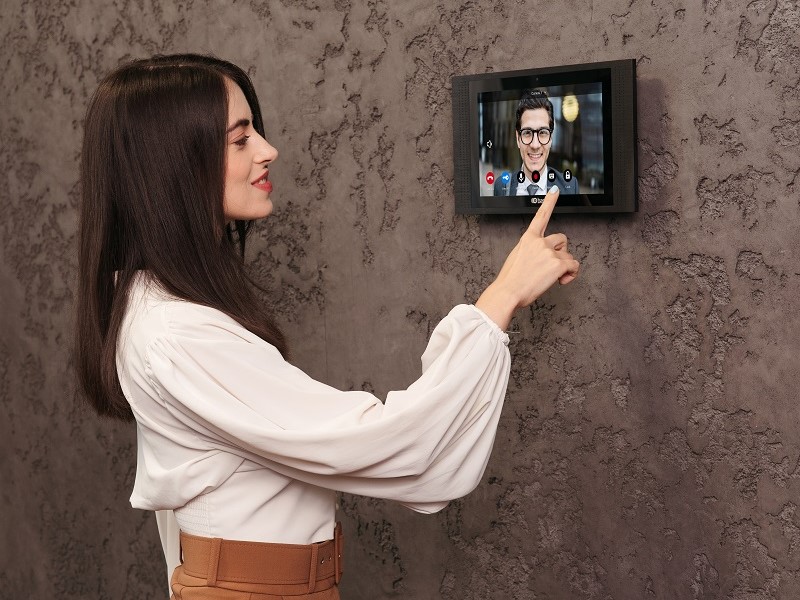
Proper maintenance ensures your intercom system continues to perform reliably for years to come. Here are the essential upkeep tasks to keep in mind.
Regular Cleaning
Keep outdoor units free from dust, dirt, cobwebs, and debris. Use a soft, dry cloth to gently wipe down screens and camera lenses. Avoid harsh chemicals or abrasive materials that could damage sensitive surfaces. For indoor units, a periodic wipe-down prevents dust buildup around speakers and microphones that could degrade audio quality over time.
Check the Wiring
For wired systems, periodically inspect all cable connections for signs of wear, corrosion, or looseness. Outdoor cables are particularly vulnerable to weather damage and should be examined at least twice a year. Replace any damaged cables promptly to prevent intermittent connectivity issues or complete system failure.
Test the System Regularly
Schedule routine tests of your intercom system at least once a month. Verify that audio is clear, video is sharp, and all access control features such as door release and gate opening are functioning correctly. Regular testing catches small issues before they become larger, more expensive problems.
Update the Software
IP-based and WiFi intercom systems receive periodic firmware and software updates from their manufacturers. These updates often include security patches, bug fixes, and new features. Enable automatic updates when possible, or set a quarterly reminder to manually check for and install the latest firmware versions.
Protect Against Surges
Electrical surges caused by lightning storms or power grid fluctuations can damage sensitive intercom electronics. Install surge protectors on wired systems and consider an uninterruptible power supply (UPS) for critical installations. These precautions will safeguard your investment and minimize downtime.
Consult a Professional
If you notice persistent issues such as static, dropped connections, or image distortion, do not hesitate to call in a professional technician. Complex problems often stem from wiring faults or network configuration issues that are best diagnosed with specialized equipment. Annual professional inspections can extend the lifespan of your system significantly.
The Future of Two Way Intercom Systems
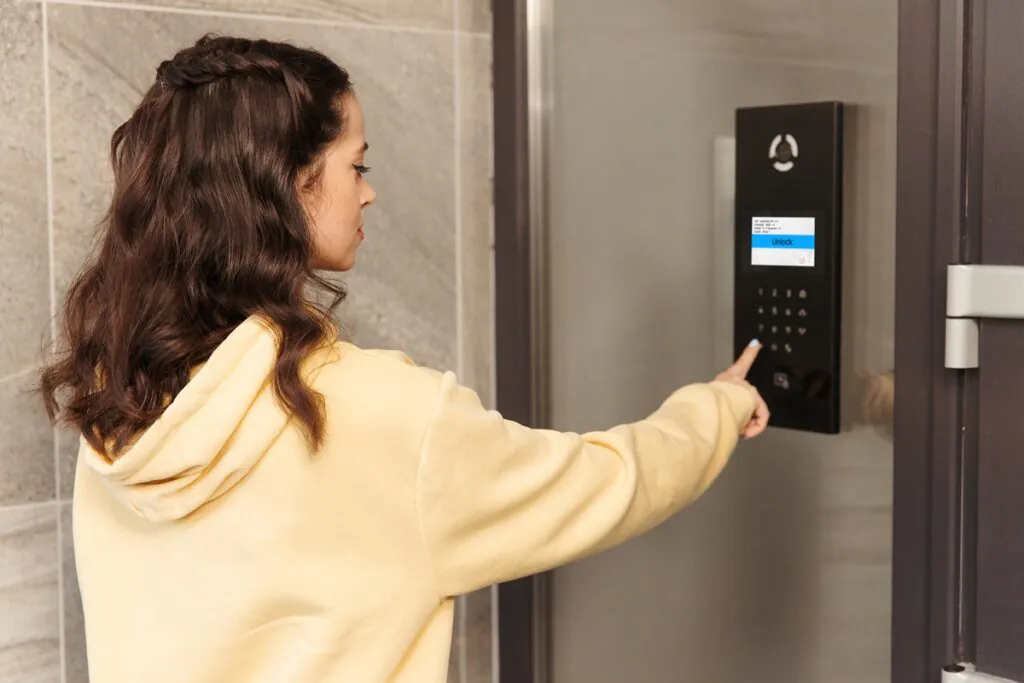
Integration of Artificial Intelligence (AI)
Artificial intelligence is rapidly transforming the intercom industry. AI-powered features such as facial recognition, voice identification, and predictive analytics are becoming increasingly common. Future systems will be able to learn the routines of household members, automatically grant access to recognized individuals, and alert homeowners to unfamiliar or suspicious visitors without any manual input.
Internet of Things (IoT) Connectivity
As the Internet of Things ecosystem continues to expand, intercom systems will become an even more integral part of connected living spaces. Expect deeper integrations with smart locks, lighting systems, HVAC controls, and security cameras. Your intercom could eventually serve as a central hub that orchestrates your entire home automation ecosystem from a single touchpoint.
Enhanced Video Capabilities
Video technology in intercoms is advancing at a remarkable pace. 4K ultra-high-definition cameras, 180-degree panoramic views, and advanced low-light performance are all on the horizon for next-generation intercom systems. These improvements will deliver an unprecedented level of visual detail, making it easier than ever to identify visitors and monitor activity around your property.
Sustainability and Energy Efficiency
The push toward greener technology is influencing intercom design as well. Solar-powered outdoor units, energy-efficient standby modes, and recyclable materials are becoming priorities for forward-thinking manufacturers. Future intercom systems will deliver powerful performance while minimizing their environmental footprint, aligning with the growing demand for sustainable home technology.
Frequently Asked Questions
Conclusion
Two way intercom systems have evolved far beyond simple communication tools. They now serve as sophisticated security devices, convenience enhancers, and integral components of smart home ecosystems. Whether you need a basic audio intercom for room-to-room communication or a cutting-edge IP video system with AI-powered features, there is a solution designed to meet your exact needs.
By carefully evaluating your requirements, understanding the available technologies, and following proper installation and maintenance practices, you can select and maintain a two way intercom system that provides years of reliable service and peace of mind for your home or business.
© Backyard Provider. All rights reserved. This article is for informational purposes only. Always consult a qualified professional for specific installation and security advice.