


 Damage
  Loss
Loss  Theft
Theft 


Vertical vs. Horizontal Shaft Engines

When it comes to lawn care equipment, selecting between a vertical shaft engine and a horizontal shaft engine can make a real difference in how your machine performs and how long it lasts. The core distinction comes down to crankshaft orientation — a seemingly simple engineering detail that shapes everything from power delivery to equipment compatibility. Vertical shaft engines are standard in walk-behind mowers, where the blade attaches directly to the shaft. Horizontal shaft engines are the go-to choice for equipment like tillers, edgers, and water pumps that rely on belt-and-pulley power transfer.
Engine orientation shapes how power flows through a machine and how accessible key components are for routine maintenance. Vertical shaft engines thrive in high-speed rotation tasks, making them ideal for cutting applications. Horizontal shaft engines deliver steady, consistent power at lower RPMs, which suits equipment that runs continuously or handles heavier loads. Understanding which type fits your equipment helps you make a smarter purchase — and gets more life out of every machine in your yard.
Vertical shaft engines tend to appear in compact, manoeuvrable machines. Horizontal shaft engines show up in larger, more demanding commercial-grade tools. The good news is that once you understand the strengths of each type, choosing becomes straightforward.
Vertical Shaft
Crankshaft runs perpendicular to the ground. Ideal for direct blade drive in walk-behind and riding mowers.
Horizontal Shaft
Crankshaft runs parallel to the ground. Powers belt-driven equipment like tillers, generators and pressure washers.
Key Consideration
Match the engine type to your equipment's drive system — not all engines are interchangeable across machine types.
Understanding Engine Orientation
Engine orientation is more than a design quirk — it determines how power is channelled through the machine and directly affects performance, balance, and serviceability. The position of the crankshaft defines which kind of equipment a given engine is built for, and swapping orientations without understanding this can result in poor performance or mechanical failure.
For the everyday homeowner, this distinction helps explain why a lawnmower engine cannot simply be dropped into a generator frame, or why a tiller engine would not perform well driving a cutting deck. Each orientation has been engineered to match specific load profiles and drive systems.
Vertical Shaft Engines: Structure and Mechanics
A vertical shaft engine features a crankshaft that points straight down, perpendicular to the ground. This allows the engine to pass rotational force directly to a cutting blade or a spindle below the machine, eliminating the need for complex intermediate drive components. The result is a clean, efficient power path from combustion to cut.
The spark plug sits at the top of the engine, while the air filter is positioned to the side — a practical arrangement that shields both components from grass clippings and debris thrown up during mowing. This layout contributes to longer service intervals and fewer debris-related issues in the field.
Vertical engines are compact and lightweight, making them well-suited to push mowers and ride-on lawn tractors. Their smaller footprint allows for simpler deck designs and easier blade attachment systems. Power outputs typically range from 4 to 7 horsepower, covering the needs of most residential lawn care tasks.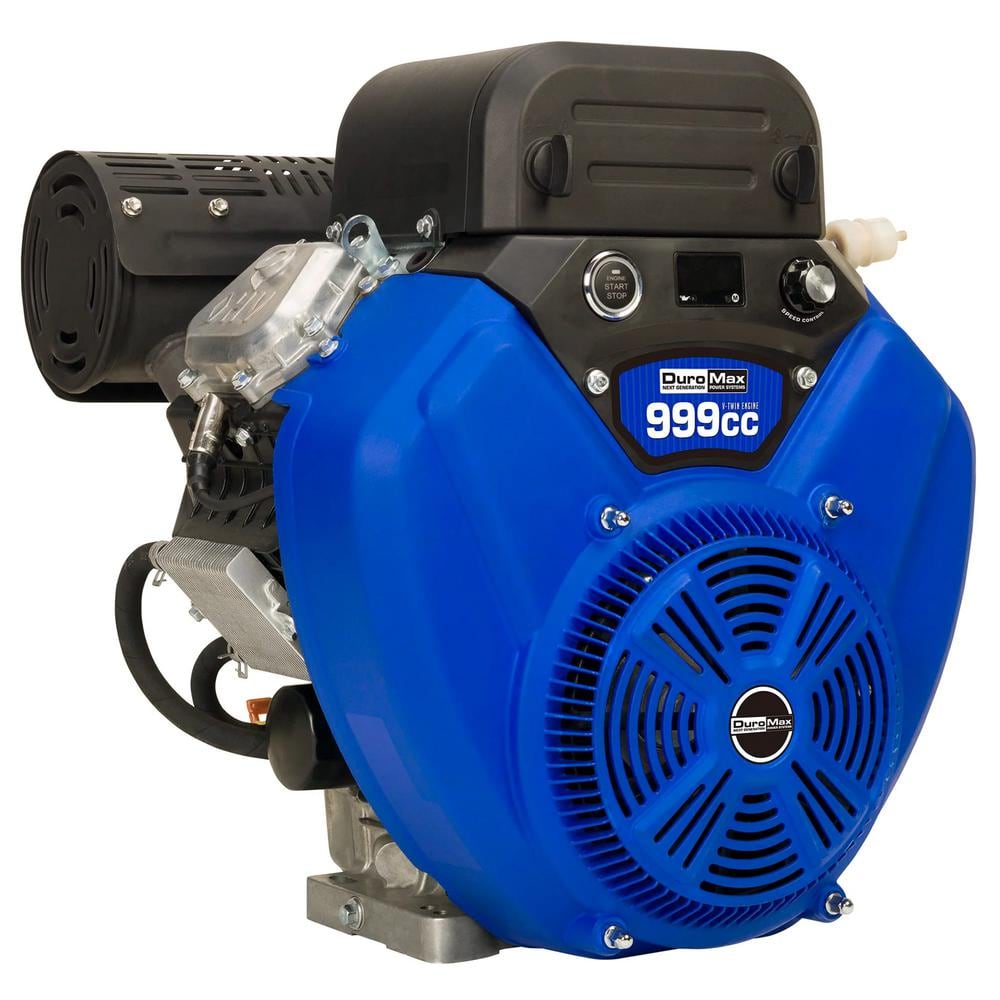
Horizontal Shaft Engines: Design and Function
A horizontal shaft engine orients its crankshaft parallel to the ground. This configuration makes horizontal shaft engines a natural fit for equipment that relies on belt drives, chain drives, or direct coupling to a horizontal axle — such as tillers, pressure washers, generators, wood chippers, and go-karts.
The spark plug is typically mounted on the side of the engine, with the air filter positioned at the front or top. This layout makes access for spark plug replacement and air filter cleaning noticeably more straightforward than in some vertical configurations.
Horizontal engines generally feature superior lubrication systems, as their orientation allows oil to distribute more evenly during operation. This translates to reduced engine wear over time and potentially longer service life — a notable advantage for commercial operators and anyone running equipment for extended periods.
Practical Applications and Performance
Both engine types are proven performers — the question is always about matching the right engine to the right task. Each design brings specific advantages in terms of compatibility, longevity, and operating efficiency.
Lawn Care Equipment Compatibility
Vertical shaft engines are the standard in walk-behind lawnmowers and traditional riding mowers. Their direct-drive design keeps the drivetrain simple and reliable, with fewer parts between the engine and the cutting blade. This simplicity reduces the number of potential failure points and makes routine servicing less involved.
Horizontal shaft engines are commonly found in zero-turn radius (ZTR) mowers, garden tractors, and some ride-on machines. These engines can drive multiple components at once — including the mower deck, hydraulic transmission, and auxiliary attachments — making them well-suited to larger, more complex machines. Some ZTR manufacturers specifically prefer horizontal shaft configurations to keep the overall machine length compact.
Certain Honda-engineered lawn tractors use horizontal shaft engines with a shaft drive connecting directly to the axle, with mule drives bridging horizontal and vertical components in the deck system — a design worth understanding if you are servicing or upgrading these machines.
| Feature | Vertical Shaft | Horizontal Shaft |
|---|---|---|
| Crankshaft Orientation | Perpendicular to ground | Parallel to ground |
| Common Equipment | Walk-behind mowers, riding tractors | Tillers, generators, pressure washers, ZTRs |
| Power Transfer | Direct blade drive | Belt, chain, or shaft drive |
| Lubrication | Standard splash system | Improved circulation, better oil coverage |
| Maintenance Access | Compact, straightforward | Side-access spark plug, easy filter reach |
| Typical Use Case | Residential mowing | Commercial & multi-application equipment |
Efficiency and Maintenance Considerations
Horizontal shaft engines tend to benefit from better oil circulation due to their orientation, which can extend the interval between oil changes and reduce overall engine wear. Their lower centre of gravity also improves machine stability on slopes and uneven ground — a real advantage when running a ZTR or riding mower across a hilly property.
Vertical shaft engines are typically more compact and often easier to access for basic maintenance tasks like oil checks and air filter swaps. Due to their direct power transfer characteristics, they can also deliver strong efficiency figures in applications where that straight-line power path is an advantage — for example, in a well-matched mowing deck setup.
In terms of raw power output, both engine types are capable of meeting the demands of residential and commercial lawn care when properly spec'd for the job. The decision ultimately comes down to what the machine is designed to do — and which drive system it uses to do it.
Conclusion
Vertical and horizontal shaft engines each bring distinct advantages to the table. Vertical shaft engines are the reliable choice for mowers and any application requiring direct downward power transfer. Horizontal shaft engines shine in tillers, generators, snowblowers, and multi-function commercial equipment, offering superior lubrication and versatile drive options. Choosing between them is straightforward once you know what your machine requires — and when you match the right engine to the right job, you get better performance, lower maintenance costs, and a longer-lasting machine.