


 Damage
  Loss
Loss  Theft
Theft 


What to Consider When Choosing a Propane Tankless Water Heater
Selecting a propane tankless water heater can feel like a daunting task, particularly if you have never owned one before. With numerous models flooding the market, each boasting different features and specifications, making an informed decision that aligns with your home's requirements becomes essential. Whether you live in a rural area, manage an off-grid property, or simply want a more efficient hot water solution, this comprehensive guide will help you navigate the selection process with confidence.
Understanding what factors matter most will ensure you invest in a propane tankless water heater that delivers reliable performance for years to come. From flow rates and efficiency ratings to installation requirements and maintenance needs, every aspect plays a crucial role in your overall satisfaction with your purchase.
Understanding Propane as a Fuel Source
Propane stands out as a highly efficient and environmentally conscious fuel option for residential water heating applications. Unlike electricity, which often relies on coal-powered plants, propane burns cleaner and produces fewer greenhouse gas emissions. This makes it an excellent choice for homeowners who prioritize both performance and environmental responsibility.
One of the most significant advantages of propane is its independence from the electrical grid. During power outages or in remote locations where electrical infrastructure is limited or nonexistent, propane tankless water heaters continue operating seamlessly. This reliability makes them particularly valuable for cabins, vacation homes, and rural properties.
The energy density of propane also means faster heating times compared to electric alternatives. When hot water demand increases suddenly, propane units respond quickly, delivering consistent temperatures without the lag often experienced with other fuel types.
What is a Propane Tankless Water Heater?
A propane tankless water heater represents a revolutionary approach to residential hot water delivery. Unlike conventional storage tank systems that continuously heat and maintain a reservoir of water, tankless units activate only when you turn on a hot water tap. Cold water travels through the unit, where powerful propane burners heat it instantaneously before delivering it to your faucet, shower, or appliance.]
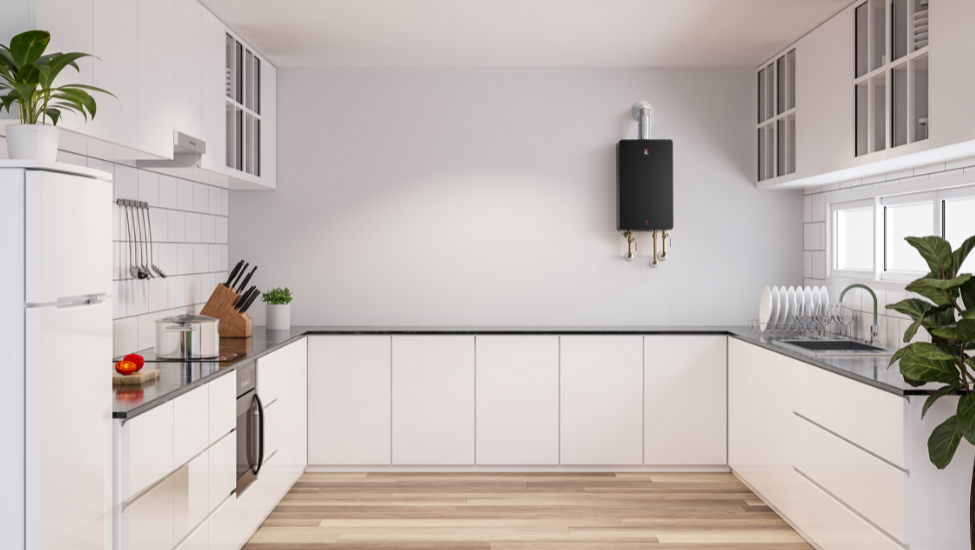
This on-demand heating methodology eliminates standby energy losses that plague traditional water heaters. Storage tanks must constantly expend energy to keep water hot, even during overnight hours or extended periods when no one uses hot water. Tankless systems completely avoid this wasteful cycle, translating to meaningful reductions in your monthly utility expenses.
The compact footprint of tankless water heaters also deserves attention. These wall-mounted units occupy a fraction of the space required by bulky storage tanks, freeing up valuable square footage in utility closets, garages, or basements. For smaller homes or properties where space comes at a premium, this advantage cannot be overstated.
The Benefits of a Propane Tankless Water Heater
When evaluating hot water solutions for your property, propane tankless water heaters offer compelling advantages that merit serious consideration. These systems have gained tremendous popularity among homeowners seeking efficiency, reliability, and long-term value.
Energy Independence
Propane tankless heaters function without electricity dependency, ensuring hot water availability during outages. This autonomy proves invaluable for rural properties and off-grid living situations where reliable power remains inconsistent.
Unlimited Hot Water Supply
Traditional tank heaters deplete their supply during extended use. Tankless systems deliver continuous hot water regardless of demand duration, making them perfect for larger households or properties with high consumption patterns.
Space Efficiency
Wall-mounted tankless units occupy minimal space compared to bulky storage tanks. This compact design liberates valuable floor space in utility areas, garages, and closets throughout your home.
Long-Term Cost Savings
Although initial investment exceeds traditional heaters, propane tankless units deliver substantial utility savings over time. Their extended lifespan of 20+ years further amplifies return on investment compared to tank systems lasting only 10-15 years.
Tankless vs. Traditional: A Quick Comparison
Factors to Consider When Choosing the Best Propane Tankless Water Heater
Selecting the right propane tankless water heater requires careful evaluation of several key specifications. Understanding these factors will help you match your purchase to your household's specific hot water demands and usage patterns.
Flow Rate (GPM)
Gallons per minute (GPM) represents the volume of hot water a unit can deliver simultaneously. Higher GPM ratings accommodate multiple fixtures operating concurrently. A typical shower uses 1.5-2.5 GPM, while dishwashers require approximately 1-2 GPM. Calculate your peak demand by adding the GPM requirements of fixtures you might use simultaneously, then select a heater that exceeds this total.
Temperature Rise
Temperature rise refers to the difference between incoming cold water temperature and your desired hot water output. Colder climates with frigid groundwater require heaters capable of greater temperature rises. A unit performing excellently in temperate regions may struggle in northern locations where incoming water temperatures drop significantly during winter months.
Energy Efficiency Ratings
Energy Factor (EF) or Uniform Energy Factor (UEF) ratings indicate how efficiently a water heater converts fuel into hot water. Higher ratings translate to lower operating costs and reduced environmental impact. Look for units with UEF ratings of 0.87 or higher for optimal efficiency performance.
Venting Requirements
Propane tankless water heaters require proper venting to expel combustion gases safely. Indoor models need dedicated venting systems, while outdoor units eliminate this requirement entirely. Consider your installation location and associated venting costs when budgeting for your purchase.
Brand Reputation and Warranty
Investing in a reputable brand ensures access to quality components, reliable customer support, and comprehensive warranty coverage. Premium manufacturers often provide warranties spanning 10-15 years on heat exchangers, reflecting confidence in their product durability.
Sizing Your Propane Tankless Water Heater
Proper sizing ensures your tankless water heater meets your household's hot water demands without underperforming or wasting energy. The sizing process involves evaluating your peak hot water usage and understanding your geographic region's groundwater temperatures.
Begin by identifying how many hot water fixtures you might use simultaneously during peak demand periods. Most households rarely operate more than two or three fixtures concurrently. A unit delivering 6-8 GPM typically satisfies the needs of average-sized homes, while larger households or properties with multiple bathrooms may require higher capacity models or multiple units installed in parallel.
Remember that advertised GPM ratings often reflect optimal conditions. Real-world performance depends on your specific incoming water temperature and desired output temperature. Consulting with a qualified installer helps ensure accurate sizing for your unique circumstances.
Maintenance Tips for Longevity
Regular maintenance extends the operational lifespan of your propane tankless water heater while preserving peak efficiency. Establishing a consistent maintenance routine protects your investment and ensures reliable hot water delivery throughout the year.
Annual Flushing
Flush the heat exchanger annually using food-grade white vinegar to dissolve mineral buildup that reduces efficiency and shortens component life.
Filter Cleaning
Clean inlet water filters every few months to prevent debris from entering and damaging internal components.
Professional Inspection
Schedule annual professional inspections to verify burner operation, venting integrity, and overall system performance.
Frequently Asked Questions
Why a Propane Tankless Water Heater is the Smart Choice
When evaluating water heating options for your property, propane tankless technology emerges as a compelling solution combining efficiency, reliability, and long-term value. These systems deliver endless hot water while consuming less energy than traditional alternatives, resulting in meaningful utility savings that compound over years of operation.
The independence from electrical infrastructure makes propane tankless water heaters particularly attractive for rural properties, vacation cabins, and anyone seeking resilience against power disruptions. This self-sufficiency, combined with compact installation requirements and environmental benefits, positions propane tankless technology as an increasingly popular choice among discerning homeowners.
Whether you prioritize energy savings, space efficiency, environmental responsibility, or simply never running out of hot water again, a propane tankless water heater delivers on all fronts. The higher initial investment pays dividends through decades of reliable performance and reduced operating costs.
Ready to Upgrade Your Hot Water System?
Discover the perfect propane tankless water heater for your home. Our selection features top-rated units designed for efficiency, durability, and exceptional performance.
Eccotemp 6.8 GPM Propane Tankless HeaterFinal Thoughts
Choosing the right propane tankless water heater requires balancing multiple factors including flow rate requirements, efficiency ratings, installation considerations, and budget constraints. By understanding these elements and honestly assessing your household's hot water demands, you position yourself to make a purchase that delivers satisfaction for decades.
Take time to research specific models, read customer reviews, and consult with qualified installers before finalizing your decision. The effort invested upfront ensures you select a propane tankless water heater perfectly suited to your needs, providing endless hot water while reducing your environmental footprint and energy expenses.