


 Damage
  Loss
Loss  Theft
Theft 


How to Install a Propane Tankless Water Heater
Switching to a propane tankless water heater is one of the smartest upgrades a homeowner can make. On-demand heating means you get hot water exactly when you need it — no tank to maintain, no standby energy loss, and no cold showers when demand spikes.
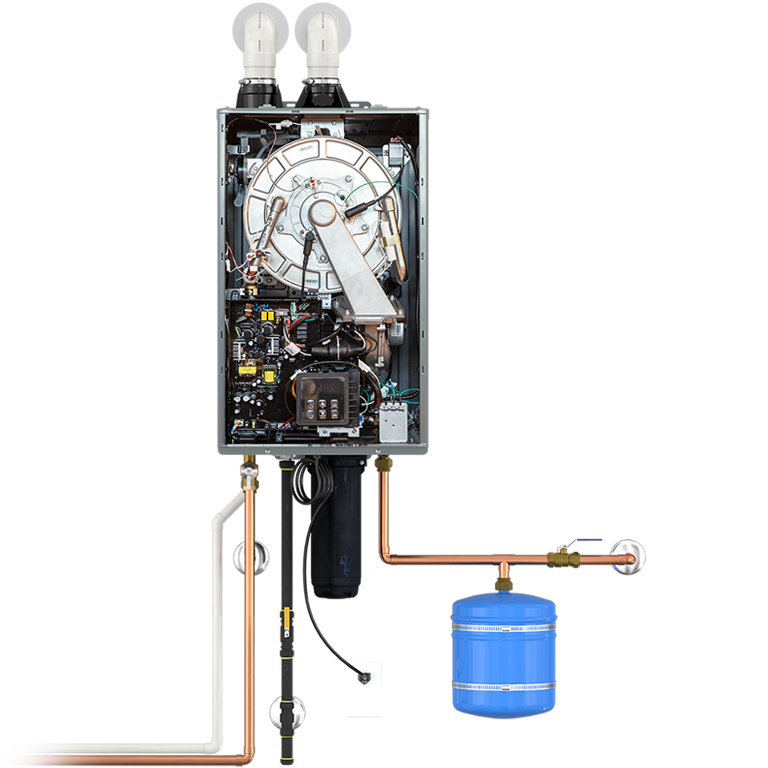
Understanding Propane Tankless Water Heaters
Unlike conventional storage-style tanks that keep a large reserve of water hot around the clock, propane tankless units heat water only as it flows through the system. The result is instant, continuous hot water delivered precisely on demand — a fundamentally more efficient approach to home water heating.
These compact, wall-mounted units are built for durability and performance. With proper care, a quality propane tankless heater will outlast a traditional tank water heater by many years, making it both an economical and environmentally responsible long-term investment.
Benefits of Going Tankless
Water is only heated when a tap is opened, eliminating the energy drain of keeping a tank hot 24/7.
Hot water flows continuously for as long as you need it — perfect for large families or high-demand use.
Wall-mounted and compact, these units free up significant floor space compared to bulky storage tanks.
Tankless heaters typically outlast conventional units by 5–10 years, offering superior long-term value.
Reduced energy consumption translates directly to meaningful savings on monthly utility bills.
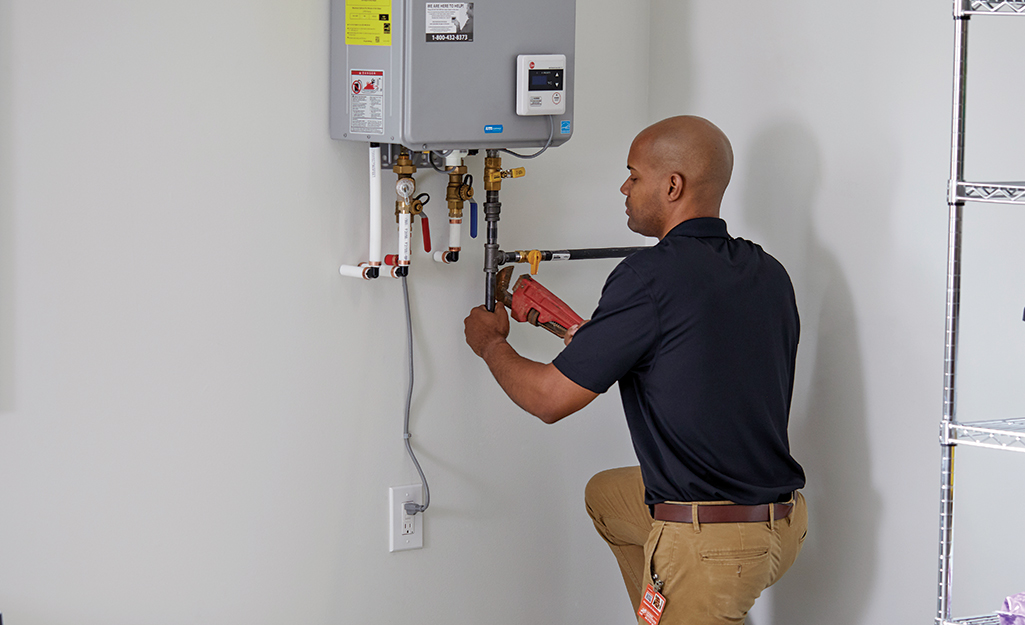
How Propane Tankless Heaters Work
The operating principle is elegantly simple — water flows in, heat is applied on demand, and hot water exits to your fixtures. Here's the sequence:
Opening a hot water tap signals the unit to begin the heating process.
An internal flow sensor detects incoming water movement and activates the heating element.
The propane gas burner fires up and rapidly heats water as it passes through the heat exchanger.
Heated water exits the unit and flows to your fixture at the set temperature.
The unit shuts down immediately, conserving both gas and energy until the next demand cycle.
Preparing for Installation
Careful preparation is the foundation of a safe and successful installation. Before you pick up a wrench, make sure you've addressed each of the following areas.
Choosing the Right Unit
Selecting the correct heater for your home is the most important decision in this process. Consider these factors:
Calculate your peak hot water demand to determine the required flow rate in gallons per minute. Factor in your local groundwater temperature — colder climates require a unit with higher BTU output to achieve the desired rise. Confirm the unit's physical dimensions work for your intended installation location, and always verify compliance with local building codes before purchasing.
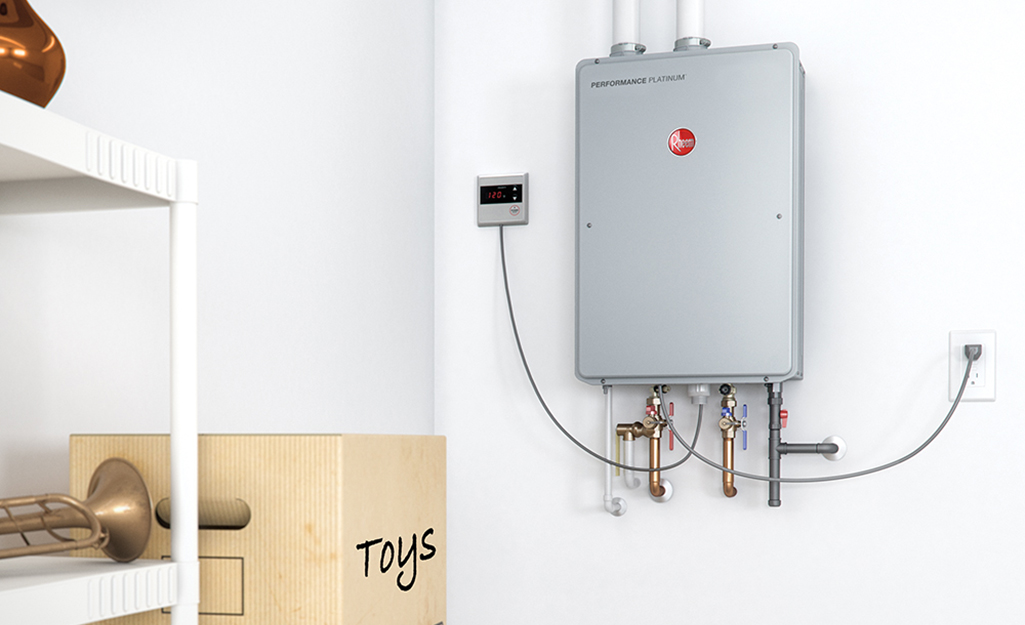
Tools & Materials You'll Need
⚠ Safety Precautions — Read Before Starting
- Ensure adequate ventilation in the work area at all times
- Keep a fire extinguisher within reach throughout the installation
- Shut off the propane supply at the meter or tank before beginning
- Turn off the main water supply and fully drain the existing water heater
- Wear appropriate PPE — gloves, safety glasses, and closed-toe footwear
Step-by-Step Installation
Follow these steps carefully and in order. If you're unfamiliar with gas line work, consult a licensed plumber or gas technician for the propane connections.
Close the main water supply at the meter to prevent water flow during the installation.
Cut the existing water supply lines connected to the old unit and carefully remove it from the wall.
Secure the tankless heater to the wall using the provided mounting hardware, ensuring it is plumb and level.
Run threaded iron pipe from the outdoor propane tank to the heater. Tighten all fittings securely with a pipe wrench, and use Teflon tape or pipe joint compound on all threaded connections.
Install a union fitting on the gas pipe — this allows for easy disconnection during future maintenance without cutting lines.
Connect copper supply lines from the home's existing water supply to the unit. Solder all copper connections cleanly and allow them to cool fully before proceeding.
Open the main water valve, restore the propane supply, and inspect every connection point carefully for signs of leaks before proceeding.
Plug in the unit, turn on the propane, and power on the heater. Set your desired water temperature to 120°F at the heater's control panel for safe and efficient operation.
Routine Maintenance & Troubleshooting
Regular maintenance keeps your propane tankless water heater performing at peak efficiency and extends its operational lifespan significantly.
- Flush the system to remove mineral buildup
- Inspect and clean the burner assembly
- Tighten all pipe and gas connections
- Clean or replace the inlet water filter
- Inspect venting for obstructions
- Check ignition system for wear
- Review error code log if displayed
- Watch for unusual noises at ignition
- Verify temperature consistency
Common Problems & Solutions
Make the Switch to On-Demand Hot Water
The Eccotemp Builder Grade Outdoor Liquid Propane Tankless Water Heater delivers reliable, efficient performance for residential and light commercial use.
Eccotemp 7GB-LP Tankless Heater