


 Damage
  Loss
Loss  Theft
Theft 


Two-Stroke vs Four-Stroke Chainsaws: Which One Is Right for You?
Table of Contents
- ▶ Introduction
- ▶ Understanding Two-Stroke Chainsaws
- ▶ Understanding Four-Stroke Chainsaws
- ▶ Key Differences Between the Two
- ▶ Which Chainsaw Should You Choose?
- ▶ Final Thoughts
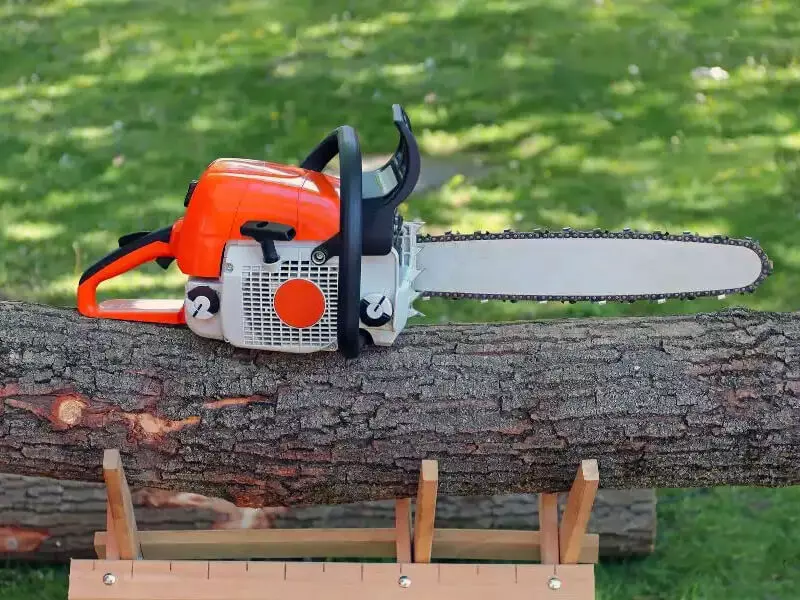
Whether you are a seasoned forestry professional, an avid firewood processor, or a homeowner tackling weekend tree work, the chainsaw remains one of the most indispensable outdoor power tools available. At the core of every chainsaw sits its engine, and the type of engine you select can dramatically influence performance, maintenance routines, fuel economy, and overall satisfaction with your purchase.
Two dominant engine architectures have long competed for dominance in the chainsaw market: two-stroke engines and four-stroke engines. Each design brings a distinct set of strengths and trade-offs to the table, and the structural differences in how they operate can make one far more suitable than the other depending on your specific needs.
At Backyard Provider, we are dedicated to offering a thorough comparison between two-stroke and four-stroke chainsaws so you can make a confident, well-informed decision. Whether you are purchasing your very first chainsaw or upgrading an aging unit, this guide will walk you through everything you need to know — from engine mechanics and fuel consumption to maintenance demands and environmental impact.
Understanding Two-Stroke Chainsaws
The defining characteristic of a two-stroke chainsaw engine is its streamlined power cycle. In just two movements — one upward stroke and one downward stroke of the piston — the engine completes an entire combustion sequence. As the piston rises toward the top of the cylinder, the compressed fuel-air mixture ignites, generating a controlled detonation that drives the piston back down with considerable force. This direct mechanical action turns the crankshaft and powers the cutting chain.
This elegant simplicity is the reason two-stroke chainsaws have remained the industry standard for decades. Their compact dimensions, lightweight construction, and impressive power-to-weight ratio make them a top pick for heavy-duty timber felling and extended cutting sessions where operator fatigue is a real concern. A two-stroke engine delivers usable torque quickly and consistently, which is precisely why professional loggers and arborists continue to rely on them.
It is worth noting that two-stroke engines require a pre-mixed fuel blend — gasoline combined with two-stroke oil at a specific ratio. This oil-fuel mixture is commonly referred to as "mix fuel" and is essential because two-stroke engines lack a dedicated internal lubrication system. The oil suspended in the fuel provides the necessary lubrication to the engine's moving components as it passes through the combustion chamber. Ratios typically fall between 50:1 and 40:1, though you should always follow the specifications outlined in your chainsaw's owner manual.
⚡ Quick Fact
Because two-stroke engines fire once every crankshaft revolution rather than once every two revolutions, they produce noticeably higher power output relative to their displacement. This is a key reason they remain dominant in professional chainsaw applications where raw cutting performance is non-negotiable.
Additionally, two-stroke engines consume fuel at a faster rate compared to their four-stroke counterparts. During each cycle, a portion of unburned fuel escapes through the exhaust port — a natural byproduct of the engine's design. While this does mean higher fuel costs over time, many professionals accept the trade-off in exchange for superior power delivery and reduced overall tool weight.
Understanding Four-Stroke Chainsaws
Diving into four-stroke chainsaw engines reveals a more intricate mechanical process. These engines complete their power cycle across four distinct phases: intake, compression, combustion, and exhaust. Each phase corresponds to a separate movement of the piston, and each stroke of applied pressure occurs at a precise point in the crankshaft's rotation. The intake stroke draws the fresh fuel-air mixture into the combustion chamber. The compression stroke compresses it tightly. The combustion stroke ignites the mixture, forcing the piston downward to generate power. The exhaust stroke then expels the spent gases, clearing the chamber for the next cycle.
This methodical four-phase process is inherently more refined, more symmetrical, and more thermally efficient than its two-stroke counterpart. It ensures optimal fuel utilization at every stage of the cycle, which translates into better fuel economy and a more stable, consistent power band. Four-stroke chainsaws tend to deliver smooth, predictable output that is well-suited for prolonged sessions and stationary cutting tasks.
From a fuel consumption standpoint, four-stroke chainsaws hold a clear advantage. Because these engines do not require fuel mixing — they run on straight gasoline and rely on a separate oil reservoir for internal lubrication — they burn fuel far more completely and efficiently. This independent oil system ensures consistent, controlled lubrication of the engine's moving parts, which reduces internal wear and extends the overall service life of the tool.
Unlike two-stroke designs, four-stroke engines do not expel partially burned fuel through the exhaust. Instead, they run cleaner, produce fewer harmful emissions, and generate noticeably less vibration — all factors that contribute to reduced operator fatigue and a quieter, more comfortable cutting experience.
Key Differences Between the Two
You likely already have a general sense of how these two engine types stack up. Let us now lay out the critical differences in a clear, side-by-side format so you can evaluate them at a glance.
| Feature | Two-Stroke Chainsaw | Four-Stroke Chainsaw |
|---|---|---|
| Cost Efficiency | Uses more fuel overall | Superior fuel economy |
| Generally Louder | Louder operation | Quieter operation |
| Weight | Lighter | Heavier |
| Positioning | Usable in any orientation | Best used in a fixed position |
| Emissions | Higher emissions output | Reduced emissions, better for the environment |
| Maintenance | Easier but more frequent upkeep | More involved but less frequent servicing |
Which Chainsaw Should You Choose?
Having explored the fundamental differences between two-stroke and four-stroke chainsaw engines, the natural next question is: which one is the right fit for you? The honest answer is that it depends entirely on your specific circumstances — your intended usage patterns, performance expectations, maintenance tolerance, and budget constraints all factor into the decision.
🌳 Intended Use
Think carefully about the tasks you will primarily use the chainsaw for. If you regularly face demanding jobs — felling large-diameter trees, processing heavy timber, or working at elevated heights where every ounce of weight matters — a two-stroke chainsaw is almost certainly the better tool for the job. Its lighter frame and exceptional power-to-weight ratio deliver the agility and raw performance that demanding fieldwork requires. On the other hand, if your cutting needs are more moderate and predictable, a four-stroke chainsaw could serve you very well.
💰 Budget Considerations
Cost comparisons extend well beyond the initial sticker price. You need to account for ongoing fuel expenditures, routine maintenance costs, and the long-term price of replacement parts. Two-stroke chainsaws typically carry a lower upfront cost but tend to consume fuel at a faster rate and may require more frequent servicing intervals. Four-stroke chainsaws usually demand a greater initial investment but compensate with superior fuel efficiency and longer intervals between major maintenance — factors that can yield meaningful savings over time.
🌿 Environmental Awareness
Environmental responsibility is an increasingly important consideration for outdoor professionals and homeowners alike. If reducing your ecological footprint is a priority, four-stroke chainsaws should be your first consideration. They produce lower exhaust emissions, consume less fuel per hour of operation, and are generally regarded as the more environmentally conscious choice. Two-stroke engines, while powerful, inherently release more unburned hydrocarbons into the atmosphere due to their combustion design.
🔧 Maintenance Preferences
If simplicity and ease of upkeep are high on your list, a two-stroke engine may be the more attractive option due to its fewer internal moving parts and more straightforward design. However, if you are comfortable handling slightly more complex routine maintenance and want less frequent service intervals, a four-stroke chainsaw will likely prove to be the more reliable long-term companion.
Beyond these four primary factors, it is also wise to consider local noise regulations and any applicable emissions ordinances in your area. Some regions enforce strict noise control laws, in which case a quieter four-stroke model may be the more practical and legally compliant choice. By weighing all of these key variables together, you can make a chainsaw selection that is both informed and tailored to your real-world requirements.
Featured Product
Ready to Invest in a Professional-Grade Chainsaw?
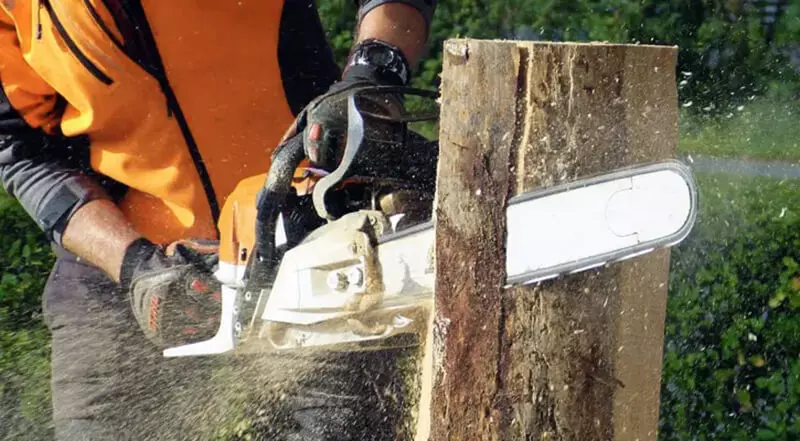
The Echo CS-620P delivers 59.0 cc of raw displacement and 4.43 HP of professional-grade cutting power — engineered for operators who demand uncompromising performance in the field.
Final Thoughts
In summary, both engine types bring genuinely valuable qualities to the table. Two-stroke chainsaws continue to dominate professional applications thanks to their superior power-to-weight ratio, lightweight handling, and straightforward maintenance routines. Four-stroke chainsaws distinguish themselves with better fuel efficiency, reduced noise and vibration levels, and a cleaner environmental profile courtesy of lower emissions output.
However, the final decision between the two should never be based solely on a side-by-side comparison of advantages and disadvantages. Your individual circumstances — including the type and frequency of your cutting tasks, your operating budget, any local noise or emissions regulations that may apply, and your personal maintenance preferences — must all play a role in guiding your choice.
By carefully weighing these factors against one another, you can confidently select the chainsaw engine type that best aligns with your needs and delivers the performance, reliability, and value you deserve. No matter which direction you go, investing in the right chainsaw will pay dividends in productivity and satisfaction for years to come.