


 Damage
  Loss
Loss  Theft
Theft 


Understanding Ground-Level Operation of Top Handle Chainsaws
A Professional Perspective on Safety Standards and Proper Usage
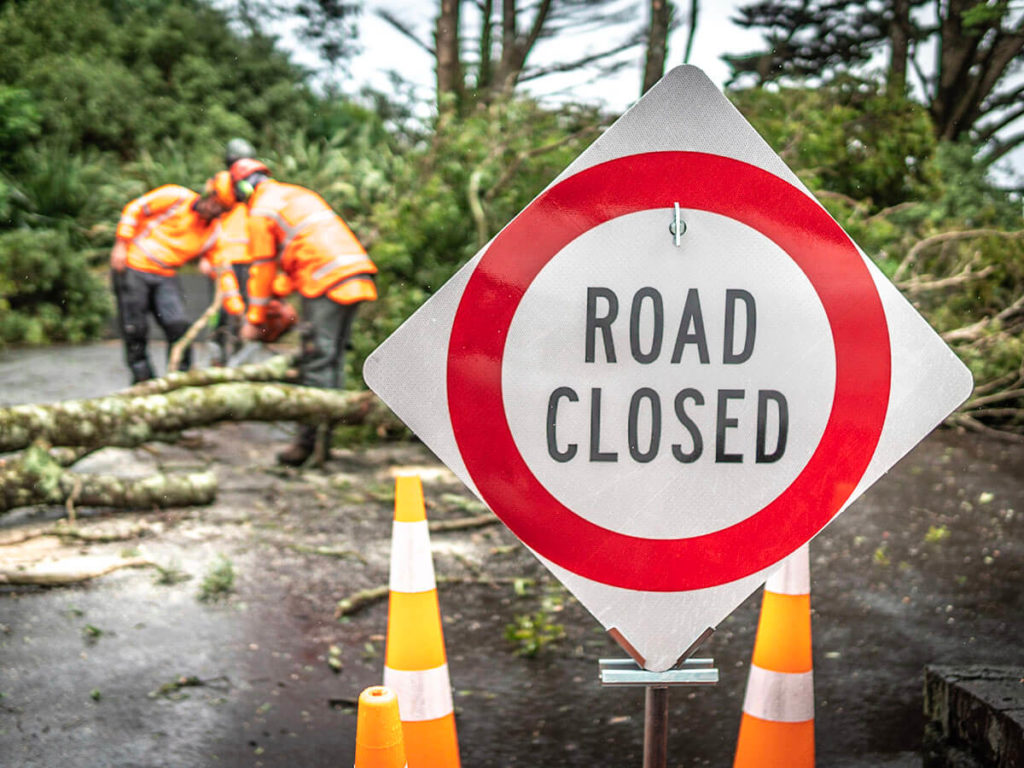
Professional arborists working at elevated positions face unique challenges that require specialized equipment. When access routes become restricted or compromised, the question of proper tool selection becomes critical for both efficiency and safety compliance.
This comprehensive examination stems from the County Practice Standards for Arboricultural Safety, produced by both New Zealand and Australian professional organizations. Additionally, we reference established guidelines from leading equipment manufacturers including Husqvarna's T540XP manual and Operator's Guide, as well as the STIHL MS 201 TC-M comprehensive instruction documentation.
Industry professionals have consistently observed situations where operators, seeking convenience over compliance, utilize compact arborist saws for ground-level tasks. The fundamental question becomes: Does regulatory flexibility exist when working from ground positions versus elevated tree work? Should different standards apply based on operational environment?
Addressing the Safety Debate: Ground Operations with Compact Saws
The primary concern centers on operational safety protocols and equipment appropriateness. While initial discussions suggested that regulations might permit compact chainsaw usage for ground-level debris management, further investigation revealed more nuanced requirements.
Professional feedback from experienced operators highlighted concerns about the safety distance specifications between cutting positions. These practitioners emphasized their preference for maintaining proper spacing, particularly when working alongside team members, questioning whether utilizing compact models on ground surfaces effectively maintains required safety protocols.
The regulatory framework from the Association of Arboriculture Safety Professionals clearly states that compact top-handle models are engineered exclusively for elevated positions and aerial work platforms. Ground-level operations require the use of properly designated rear-handle equipment regardless of task scope or material dimensions.
What Safety Standards Currently Specify
Investigation revealed that professional operators demonstrated limited familiarity with specific regulatory requirements governing equipment selection based on working position. Many team members operating from ground level were unknowingly utilizing equipment designed specifically for elevated applications.
Furthermore, experienced professionals acknowledged instances where inadequate lighting conditions affected visibility during debris management operations. While regulations mandate appropriate illumination for ground-level work, practical application in various environments sometimes fell short of established standards.
Equipment Classification
Top-handle models designated exclusively for elevated positions and climbing operations
Ground Requirements
Rear-handle chainsaws required for all surface-level cutting and debris processing
Manufacturer Guidelines and Technical Specifications
Husqvarna T540XP Documentation
According to official operator documentation, these compact models receive engineering design specifically for arborist applications and elevated maintenance operations. The specialized top-handle configuration provides optimal balance and control when operators work from secured positions within tree canopies, where conventional rear-handle models would prove impractical and potentially hazardous.
The documentation explicitly states that operators must maintain proper body positioning and secure attachment when utilizing these tools at elevation. Individuals requiring ground-level cutting solutions should implement conventional rear-handle equipment designed with appropriate safety features for surface operations.
STIHL MS 201 TC-M Technical Manual
Comprehensive instruction materials specify that compact top-handle units receive designation exclusively for professional arborist applications and aerial maintenance work. The engineering incorporates specialized balance characteristics, ergonomic considerations, and control placement optimized for single-handed operation when properly secured at height.
The manufacturer emphasizes that operating these specialized tools from ground positions introduces unnecessary risk factors. Operators at surface level should always utilize equipment engineered with appropriate handle configuration, weight distribution, and control systems designed specifically for that operational environment.
Furthermore, the documentation clarifies that development of compact professional models directly addresses the unique challenges and requirements of elevated arborist work rather than providing general-purpose alternatives for conventional chainsaw applications.
The comprehensive technical guidance emphasizes the importance of matching equipment capabilities with operational requirements, particularly highlighting safety features and ergonomic design elements that distinguish professional arborist tools from standard rear-handle models intended for ground-level work.
Updated Protocol Implementation
Professional Standards Update
- Implementation of explicit guidelines restricting compact top-handle chainsaw usage exclusively to elevated positions
- Mandatory utilization of rear-handle equipment for all ground-level cutting operations
- Enhanced lighting requirement enforcement for surface-level debris processing
- Development and integration of comprehensive risk management protocols aligned with industry standards
- Continuation of ongoing training programs emphasizing proper equipment selection and safety compliance
- Regular monitoring and verification protocols ensuring adherence to established operational guidelines
Following comprehensive evaluation and stakeholder consultation, professional organizations implemented updated protocols addressing equipment selection concerns. Rather than attempting to justify potentially unsafe practices through regulatory interpretation, the decision focused on aligning operational procedures with established manufacturer specifications and industry best practices.
Multiple experienced professionals expressed concerns during the evaluation process, noting that regulatory clarity regarding equipment selection often remained insufficient. Despite years of professional experience, several operators acknowledged unfamiliarity with specific requirements differentiating elevated versus ground-level tool selection. This feedback highlighted the necessity for improved education and enforcement of existing standards.
Organizations implementing these updated protocols report positive outcomes, with practitioners appreciating the clarity provided by explicit guidelines. Comprehensive safety briefings now address equipment selection as a fundamental component of operational planning, ensuring all team members understand and implement appropriate tool choices based on working position and task requirements.
Recommended Professional Equipment
For ground-level cutting operations requiring professional-grade performance and reliability, consider rear-handle equipment designed specifically for surface work applications.
Echo CS-361P ProfessionalSupporting Professional Excellence Through Community Engagement
Professional organizations rely on community feedback and practical experience to continuously improve safety standards and operational protocols. If your experience with professional equipment suppliers has demonstrated exceptional knowledge, service quality, and commitment to safety compliance, consider sharing that feedback through independent review platforms.
Industry advancement depends on honest communication regarding both equipment performance and supplier reliability. When businesses demonstrate genuine commitment to professional standards and customer safety, recognition through verified reviews benefits the entire professional community by highlighting excellence and encouraging continued high-quality service.
Constructive feedback regarding product knowledge, technical support, and compliance guidance helps establish benchmarks for professional service across the industry. Whether through established review platforms or professional networks, sharing experiences contributes to collective knowledge and helps fellow professionals identify trustworthy suppliers committed to safety and excellence.
This article represents an independent analysis of professional safety standards and equipment specifications. Always consult current regulatory guidelines, manufacturer documentation, and qualified safety professionals when establishing operational protocols.
Equipment selection should prioritize operator safety, regulatory compliance, and manufacturer recommendations for all professional applications.