Damage
  Loss
Loss  Theft
Theft 


Portable Power Stations & Expansion Batteries: A Hands-On Review After One Year of Use
If you have ever spent time working outdoors, hosting backyard events, camping off the grid, or tackling a project at a remote job site, you know the frustration of running out of power when you need it most. Portable power banks help, but they rarely deliver the sustained capacity required for serious equipment. After searching for years, we finally discovered a class of portable power stations that genuinely changed the game — not just for weekend warriors, but for anyone who depends on reliable electricity away from a wall outlet.
In this review, we are going to take an in-depth look at the portable power station ecosystem — specifically the kind of high-capacity unit paired with an expansion battery that lets you scale your power to match the task at hand. We have been using this setup daily for nearly a year across every scenario you can imagine, from running outdoor string lights and blenders at backyard parties to powering saws and drills at remote work sites. This is our honest take after twelve months of real-world usage.
Disclosure: This review reflects our own experience after purchasing and extensively testing these products. We are not sponsored by any manufacturer. If you choose to purchase through our product links, we may earn a small commission at no extra cost to you.
Table of Contents
1. What Is a Portable Power Station & What Can You Expect?
— Available Charging Ports
— How Many Devices Can You Run at Once?
— The Real Advantage: High-Wattage Output Ports
— The Purpose-Built Carrying Solution
2. The Capacity Game-Changer: Expansion Batteries
3. Who Is This Power System For (And Who Should Skip It)?
4. Why We Love This Setup After a Full Year
Section 1
What Is a Portable Power Station & What Can You Expect?
Think of a portable power station as a massive, intelligent power bank — one that comes equipped with virtually every type of charging port you could need and an integrated inverter capable of running full-size household appliances. You can charge phones, laptops, and tablets, of course, but you can also power coffee makers, mini fridges, power tools, CPAP machines, and much more. The leading units in this category offer around 1,024Wh of capacity right out of the box, with the ability to expand through additional battery modules. Some can even function as an Uninterruptible Power Supply (UPS) for your home, automatically switching to battery power during an outage — though it is worth noting that the fans can be noticeable in a quiet indoor environment.
Given their size and weight, these are not the sort of devices you throw into a carry-on bag. They are purpose-built for road trips, outdoor projects, emergency backup, and extended off-grid adventures. After nearly a year of regular use, we can confidently say the performance holds up remarkably well over time.
Available Charging Ports
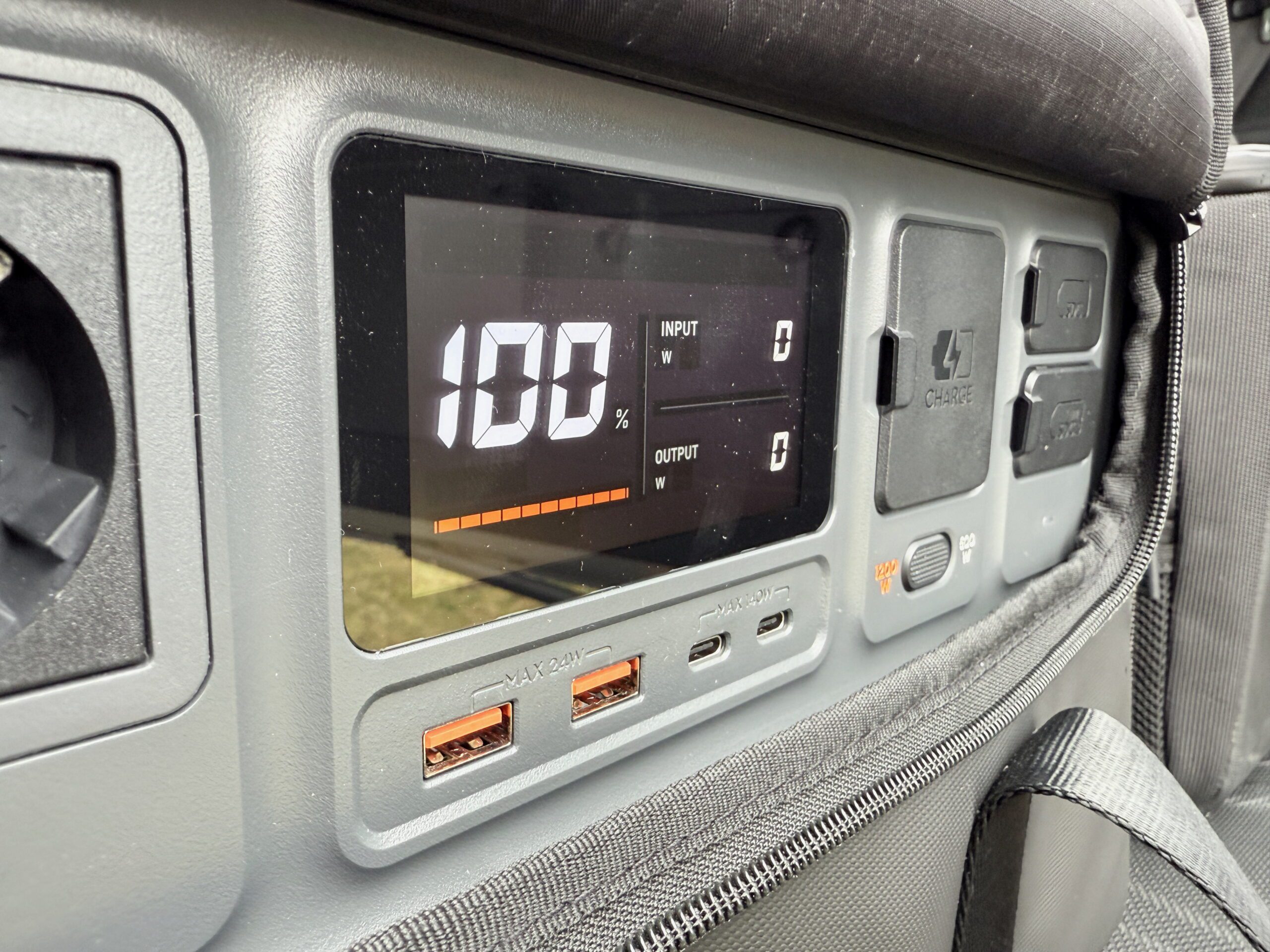
A well-designed portable power station comes loaded with a generous selection of outputs. Here is what you can typically expect on a high-end unit:
⚡ 2× AC Outlets — Full-size household plugs for appliances and power tools
⚡ 2× USB-C Ports — High-speed charging for laptops, phones, and modern devices
⚡ 2× USB-A Ports — Universal compatibility for older gadgets and accessories
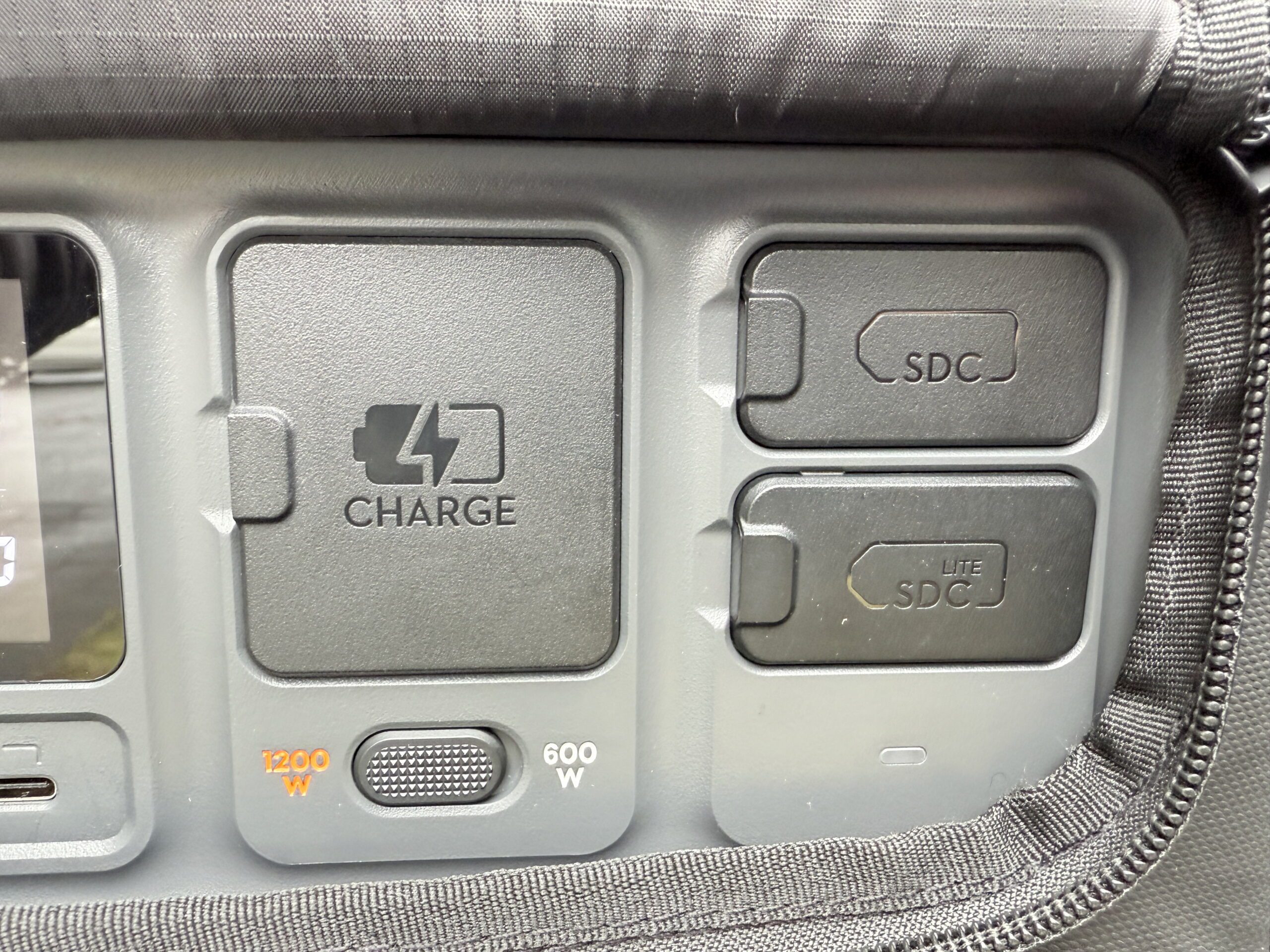
⚡ Proprietary Fast-Charge Ports — Designed for rapid device charging at up to 240W
⚡ 1× AC Input — To recharge the station itself from a wall outlet
When all ports are working simultaneously, the combined output can reach up to 2,200 watts — that is enough to run multiple power-hungry devices at the same time without any performance drop. For detailed specifications on individual port wattage, we recommend checking the manufacturer's spec sheet.
How Many Devices Can You Run at Once?
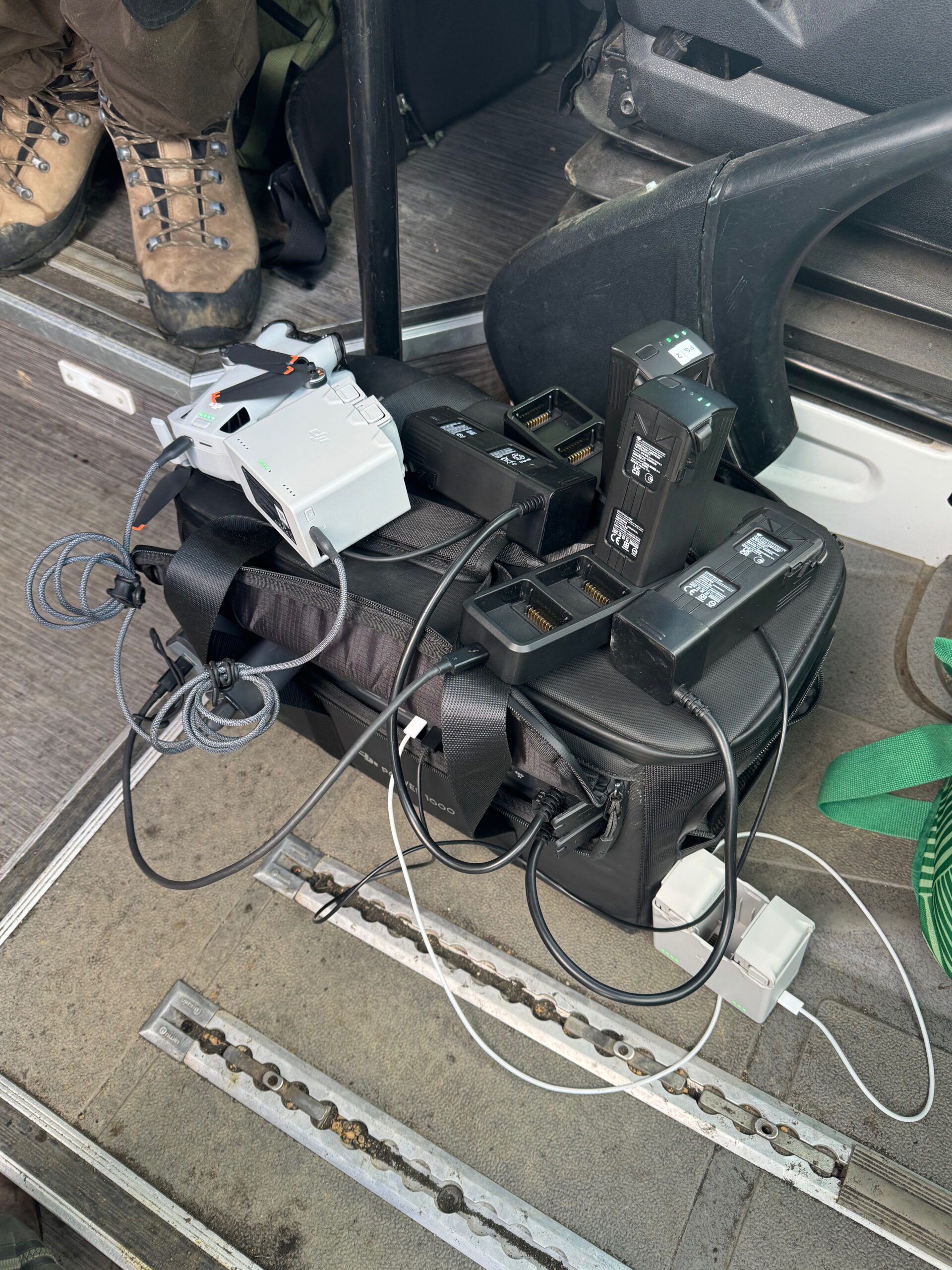
With a 1,024Wh battery capacity, it is difficult to give a single universal answer because runtime depends entirely on what you are powering. That said, here is a real-world reference point: when used primarily for charging drone batteries, small power tools, and phones throughout a full outdoor day — from about 10 a.m. to 6 p.m. — we consistently had roughly a third of the capacity still remaining at the end of the day. That kind of endurance is remarkable for a single portable unit.
The Real Advantage: High-Wattage Output Ports
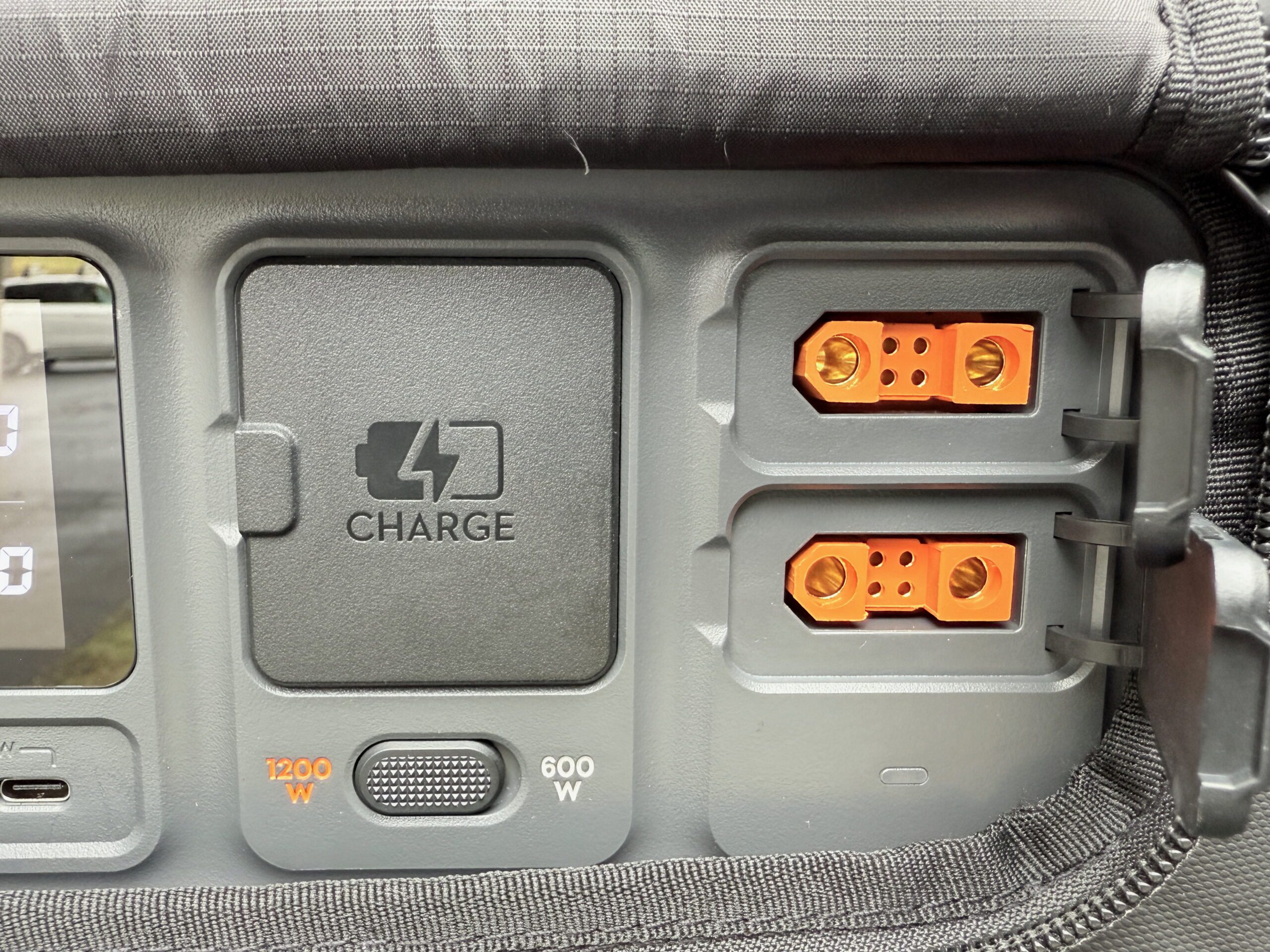
Beyond the standard USB and AC connections, the feature that truly sets premium power stations apart is the inclusion of proprietary high-wattage output ports. These specialized connections support up to 240W of charging power per port and are designed to work with a range of dedicated accessories. For anyone who needs to rapidly recharge equipment in the field — whether that is camera batteries, drone packs, or specialized tools — these ports reduce charging times dramatically. As a reference, some compatible accessories can fully recharge a large device battery from zero to one hundred percent in roughly thirty minutes.
Additional accessories in the ecosystem include wireless monitoring modules that let you check the station's status from your phone, set charge limits to extend the battery's lifespan, and even connect solar panels or vehicle chargers through adapter ports. It is a surprisingly complete and well-thought-out ecosystem.
The Purpose-Built Carrying Solution
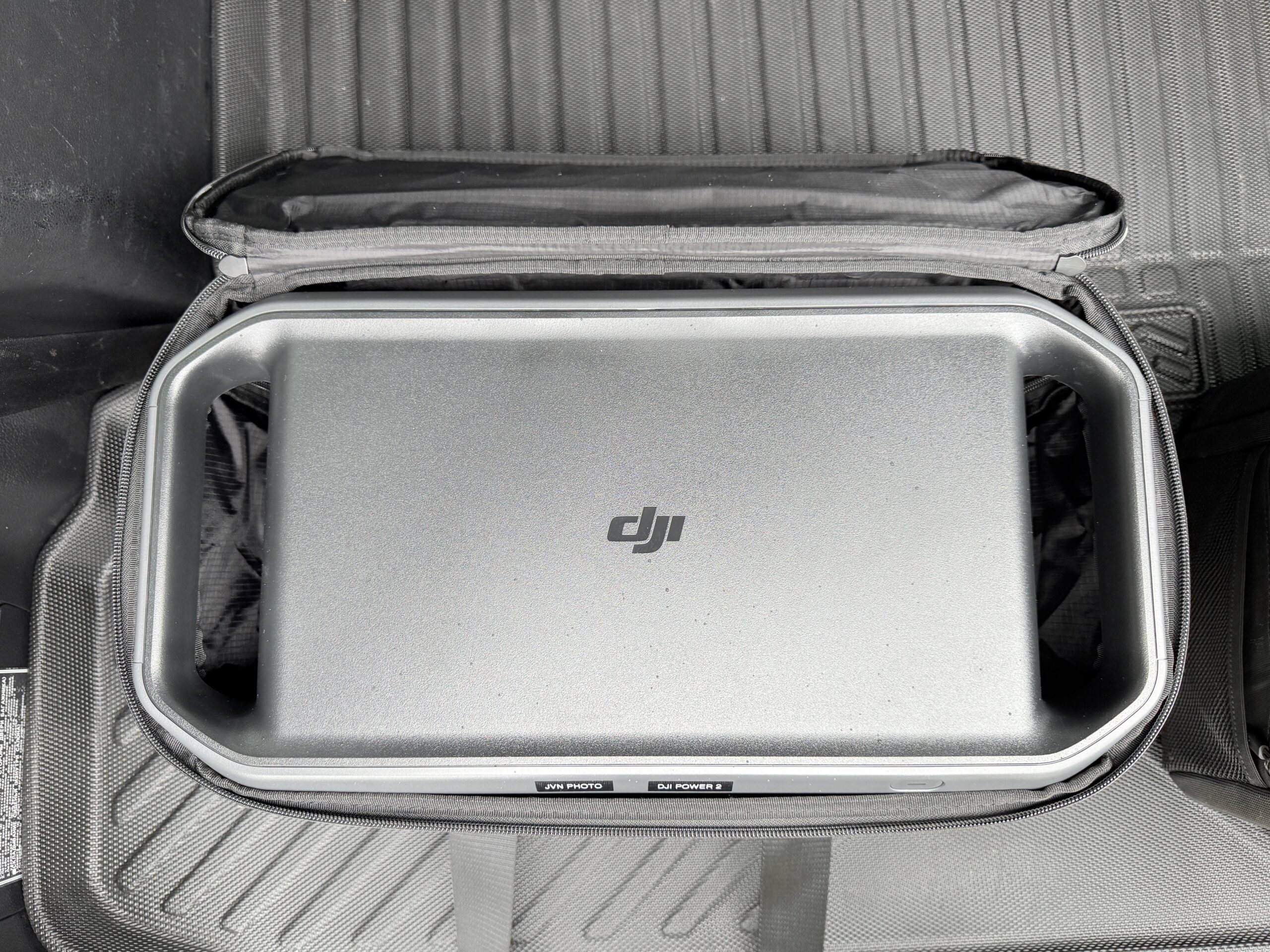
One of the most underrated accessories for any portable power station is a well-designed carrying bag. The best ones we have tested feature a snug, padded interior that the unit slides into perfectly — once it is inside, you zip the top closed and the station never needs to leave the bag again. A front zipper panel provides full access to every port, while ventilation zippers along the sides keep airflow moving during operation. A rear compartment stores all your cables, charging bricks, and accessories in one organized spot. It may sound like a minor detail, but having everything contained in a single, easy-to-carry bag dramatically improves the experience of transporting and using the station on the road.
Section 2
The Capacity Game-Changer: Expansion Batteries
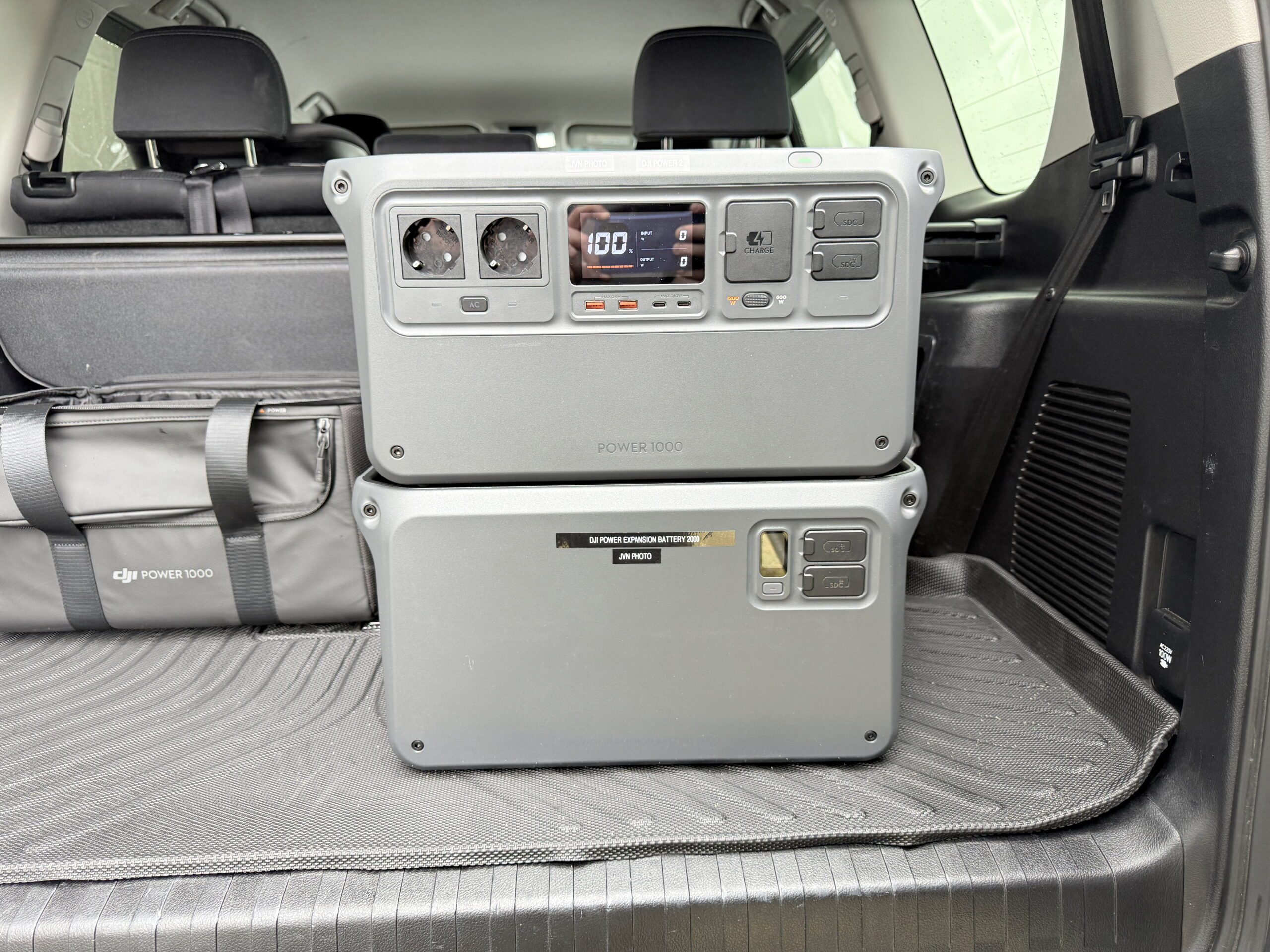
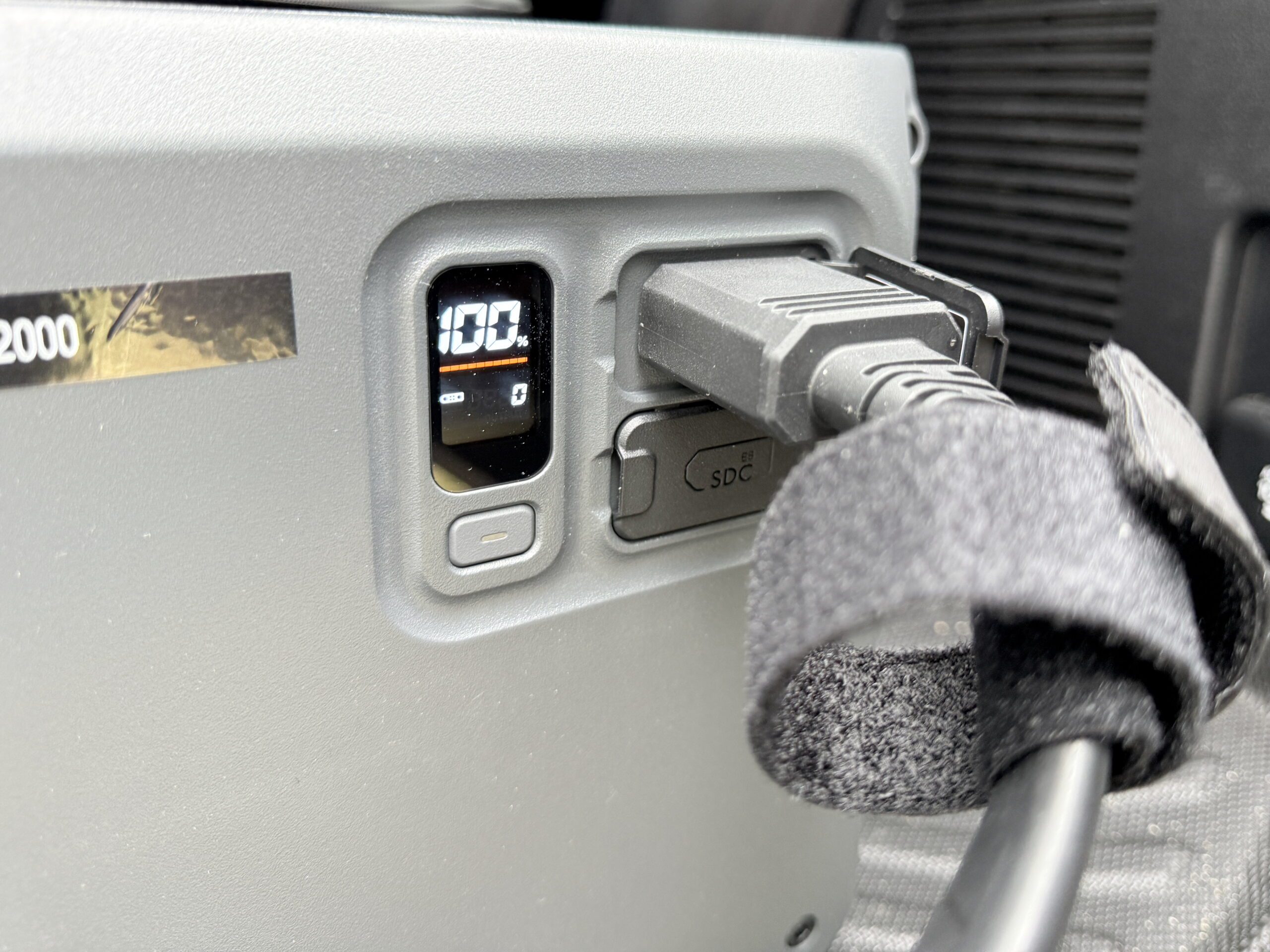
The base power station is impressive on its own, but the real magic happens when you introduce an expansion battery into the equation. Expansion batteries are essentially add-on modules — they look nearly identical to the main unit but are stripped down to focus purely on extra capacity. No display screen, no additional USB or AC ports — just raw, additional watt-hours that connect to the main station through a single cable.
By pairing a single expansion battery with your base unit, you can effectively triple your total available capacity. For most models, that means jumping from roughly 1,024Wh to over 3,000Wh. And here is where the modularity becomes truly exciting: many systems allow you to daisy-chain multiple expansion batteries — up to five in some cases — reaching a staggering combined capacity of over 11,000Wh. Need more power for a big weekend project? Bring an extra battery. Heading out light for a quick evening cookout? Leave the expansion at home. The flexibility is unmatched.
The expansion battery is roughly the same physical size as the main unit and fits into the same carrying bag design, which keeps transport neat and consistent. The trade-off is weight — these expansion modules typically come in around 16 to 17 kilograms — but nobody is expecting to hike with one. They are designed for vehicle transport, garage storage, and deployment at a specific location.
Section 3
Who Is This Power System For (And Who Should Skip It)?
Let us start with who will get the most value from a portable power station and expansion battery setup. This ecosystem is purpose-built for people with serious, sustained power requirements when they are away from the grid. Backyard enthusiasts who host elaborate outdoor gatherings with lighting, sound systems, and appliances will find it indispensable. Contractors and tradespeople working at remote sites where power access is limited will appreciate the ability to run saws, drills, and chargers all day long. Campers, tailgaters, and RV owners gain a silent, fume-free alternative to noisy generators. And anyone who wants a reliable home backup during power outages has a compelling reason to invest.
So who should think twice? If you only occasionally charge a phone or laptop outdoors, a standard power bank will serve you just as well at a fraction of the cost. If your outdoor power needs are minimal and infrequent, the investment may not justify itself. And if you travel primarily by air, keep in mind that power stations of this size are not permitted as carry-on or checked luggage — they are strictly for ground transport. For those who do not need heavy-duty portable power on a regular basis, it is likely overkill.
Section 4
Why We Love This Setup After a Full Year
After twelve months of continuous use, we are more impressed than ever. Here is a candid rundown of everything that has stood out:
Port Variety & Simultaneous Charging — The sheer number and variety of ports is a game-changer. Even when every USB-C and USB-A port is occupied, you can still plug additional chargers into the AC outlets. You can simultaneously replenish the station via a vehicle adapter, so you never truly run dry if you are on the move.
Blazing-Fast Recharging — Plugged into a standard home outlet, the station charges from empty to full in roughly one hour. After a long day of outdoor activity, you can have it completely recharged and ready to go again within a couple of hours — including all your devices.
Fast-Charge Output Ports — The proprietary high-wattage ports are a standout feature. They deliver rapid charging speeds that outperform standard adapters by a wide margin. For anyone who relies on battery-powered equipment, this alone justifies the investment.
The Carrying Bag — This might be our single favorite accessory. It is thoughtfully designed, incredibly functional, and makes transporting the station feel effortless. We have not removed the unit from its bag since we first loaded it a year ago.
Modular Expansion — The ability to add or remove expansion batteries based on the situation is brilliantly practical. Need maximum power for a big event? Bring extra batteries. Quick afternoon project? The base unit alone is more than sufficient. You can even daisy-chain up to five expansion modules for truly massive capacity.
Clear, Informative Display — The built-in screen provides real-time data on remaining capacity, power consumption, input wattage, and estimated run time. Connecting wirelessly to the companion app gives you even more detailed control and monitoring from your phone.
That said, no product is perfect. Here are a couple of areas where we see room for improvement:
Wireless Module Integration — The wireless connectivity module that enables app control and remote monitoring feels like an afterthought on some models. It occupies one of the proprietary ports and ideally should be built directly into the main unit. While you only need it plugged in for updates and occasional monitoring, it would be far more elegant as a native feature.
UPS Mode Fan Noise — We tested the station in Uninterruptible Power Supply mode, where it passes through wall power and seamlessly switches to battery during an outage. The functionality works flawlessly, but the cooling fans run continuously in this mode, which generates noticeable noise. In a quiet home office, this can be distracting. When the inverter is off and the unit is simply on standby, however, it is virtually silent.
All things considered, if you have serious power needs when you are away from the grid — or you simply want reliable, expandable backup power for your home and backyard — this portable power station and expansion battery ecosystem is an absolute no-brainer. After a full year of hard use, it remains one of the best investments we have made for our outdoor and off-grid setup.